«أرض عملاقة» تتحدى نظريات نشوء الكواكب
20 أغسطس 2026·البيان
«أرض عملاقة» تتحدى نظريات نشوء الكواكب

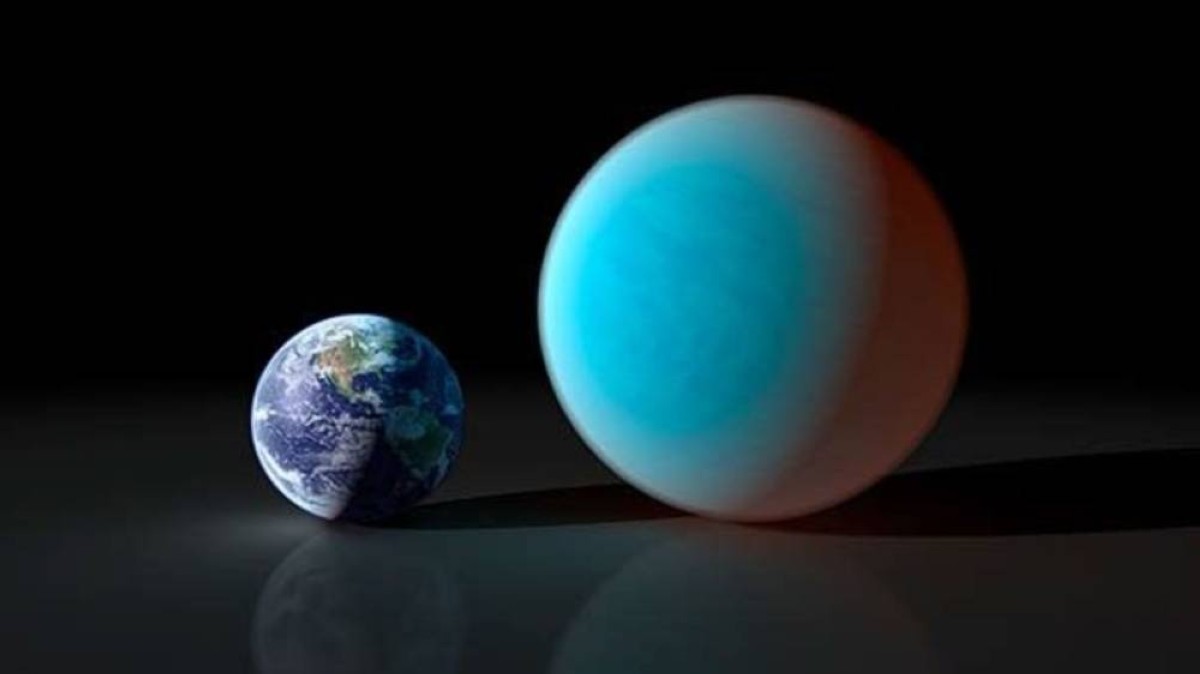
كشف فريق من علماء الفلك عن كوكب صخري فائق الكثافة خارج المجموعة الشمسية، تبلغ كتلته أكثر من 23 ضعف كتلة الأرض، رغم أن نصف قطره لا يتجاوز ضعفين ونصف قطرها، في اكتشاف يضع النظريات السائدة بشأن نشأة الكواكب وتطورها أمام لغز جديد.

ويحمل الكوكب اسم GJ 523b، ويصنّفه الباحثون ضمن ما يُعرف اصطلاحاً بـ«الأراضي العملاقة» أو Mega-Earths، وهي عوالم ضخمة يغلب على تركيبها الصخر والمعدن، بخلاف الكواكب الكبيرة التي تتكون عادة من أغلفة كثيفة من الهيدروجين والهيليوم.

ووفقاً للقياسات، تبلغ كتلة الكوكب نحو 23.5 ضعف كتلة الأرض، ونصف قطره 2.55 ضعف نصف قطرها، فيما تصل كثافته التقديرية إلى نحو 7.8 غرامات لكل سنتيمتر مكعب، مقارنة بنحو 5.5 غرامات للأرض. وتجعله هذه الخصائص واحداً من أضخم الكواكب الصخرية وأكثرها كثافة بين العوالم الخارجية المعروفة.

وقال الباحث الرئيس في الدراسة، ماكسويل كروفت، من جامعة ويسكونسن–ماديسون، إن النتيجة جاءت مخالفة تماماً لتوقعات الفريق؛ فالكواكب عالية الكثافة معروفة لدى الفلكيين، لكنها تكون في العادة عوالم صخرية صغيرة تشبه الأرض أو عطارد، لا كواكب بهذا الحجم والكتلة.

رُصد GJ 523b أولاً بوصفه كوكباً مرشحاً بواسطة القمر الاصطناعي «تِس» التابع لوكالة الفضاء الأميركية «ناسا». ويراقب المرصد الانخفاضات الدورية الطفيفة في سطوع النجوم، التي تحدث عندما يعبر كوكب أمام نجمه ويحجب جزءاً من ضوئه.

وأجرى الفريق بعد ذلك عمليات رصد من الأرض باستخدام تلسكوب WIYN، البالغ قطره 3.5 أمتار، في مرصد كيت بيك الوطني بولاية أريزونا. واستعان الباحثون بمطياف عالي الدقة لقياس التذبذب الطفيف في حركة النجم الناتج عن قوة الجاذبية التي يمارسها الكوكب عليه.

وأتاح الجمع بين قياسات العبور والسرعة الشعاعية تحديد حجم الكوكب وكتلته وكثافته. وأظهرت النتائج أنه يكمل دورة حول نجمه كل 17.75 يوماً، وأن درجة حرارة توازنه التقديرية تبلغ نحو 538 كلفن، أي قرابة 265 درجة مئوية، بافتراض أنه لا يعكس شيئاً من الإشعاع الساقط عليه.

ويدور الكوكب حول قزم برتقالي متوسط الحجم يقع على مسافة نحو 87 سنة ضوئية من الأرض. ويُقدّر عمر النظام بنحو 169 مليون سنة، مع هامش واسع لعدم اليقين، ما يجعله نظاماً فتيّاً بالمقاييس الكونية.

تكمن أهمية الاكتشاف في أن كتلة الكوكب تتجاوز المستوى الذي يُفترض عنده أن تبدأ النواة الصخرية في اجتذاب كميات كبيرة من الهيدروجين والهيليوم المحيطين بالنجم الفتي.

وتشير النماذج الشائعة إلى أن النوى الكوكبية الضخمة، عندما تبلغ كتلة تقارب عشرين ضعف كتلة الأرض، تصبح قادرة على مراكمة غلاف غازي كثيف بسرعة، لتتحول تدريجياً إلى كواكب شبيهة بنبتون أو بعمالقة المجموعة الشمسية.

لكن GJ 523b تجاوز هذه الكتلة، ومع ذلك تشير كثافته العالية إلى أنه ظل عالماً يغلب عليه الصخر والمعدن، ولا يحتفظ إلا بنسبة محدودة من الغازات. وهنا يبرز السؤال الذي يطرحه الباحثون: كيف تجنب الكوكب المصير المتوقع وتحول إلى «أرض عملاقة» بدلاً من أن يصبح كوكباً غازياً؟

غلاف مفقود

يطرح الفريق عدة سيناريوهات محتملة لتفسير هذه البنية غير المعتادة. فقد يكون الكوكب تكوّن في الأصل بغلاف جوي كثيف، قبل أن يفقد معظمه نتيجة الحرارة الشديدة أو التفاعلات مع نجمه.

أما الاحتمال الآخر فهو أن GJ 523b نتج من اصطدام هائل بين كوكبين؛ إذ يمكن لمثل هذا التصادم أن يدمج مادتهما الصخرية والمعدنية في جرم واحد بالغ الضخامة، بينما يقذف معظم أغلفتهما الغازية إلى الفضاء.

وتمنح الدراسة وزناً إضافياً لسيناريو الاصطدام، ليس بسبب كثافة الكوكب وحدها، بل أيضاً لأن مداره يبدو شديد الميل إلى محور دوران نجمه، وربما يكون قريباً من المدار القطبي. وقد تكون هذه الوضعية الغريبة أثراً لاضطراب أو اصطدام عنيف وقع خلال المراحل المبكرة من عمر النظام.

ومع ذلك، تزيد حداثة النظام من صعوبة التفسير؛ إذ لم يمض على نشأته وقت طويل بالمعايير الفلكية، ما يثير التساؤل عن الكيفية التي استطاع بها الكوكب فقد غلاف غازي كبير خلال هذه المدة القصيرة.

فئة جديدة

يستخدم الفلكيون تعبير «الأرض العملاقة» منذ أكثر من عقد، لكنه لا يمثل حتى الآن فئة رسمية متفقاً عليها. وتقترح الدراسة تعريفاً رصدياً لهذه العوالم يشمل الكواكب التي لا يقل نصف قطرها عن 2.1 ضعف نصف قطر الأرض، وتبلغ كثافتها 5.5 غرامات لكل سنتيمتر مكعب أو أكثر.

لكن الباحثين يحذرون من بناء نظرية متكاملة على مثال واحد. فالعثور على عشرين أو ثلاثين كوكباً مماثلاً قد يكشف أنماطاً مشتركة في كتلها أو مداراتها أو أعمارها، ويساعد في تحديد ما إذا كانت «الأراضي العملاقة» حالات نادرة أم مجموعة كوكبية مستقلة.

وقد أُرسلت الدراسة إلى دورية The Astronomical Journal للنشر، إلا أنها متاحة حالياً في صورة مسودة أولية على منصة arXiv، ولم تكن، عند نشر الخبر، قد اجتازت المراجعة العلمية المحكمة. ولذلك تبقى تفاصيل التركيب الداخلي للكوكب استنتاجاً يستند إلى قياسات الكتلة ونصف القطر والنماذج الحسابية، لا إلى رصد مباشر لما يوجد في باطنه.

exoplanetastronomyspace
الخبر متوفّر باللغات التالية:English
المصدر الأصلي للخبر
البيان

“Giant Earth” Challenges Theories of Planet Formation

August 20, 2026·Al Bayan
“Giant Earth” Challenges Theories of Planet Formation

An astronomy team has discovered a rocky, super-dense exoplanet with more than 23 times the mass of Earth. Despite its diameter being only about two and a half times that of Earth’s, this discovery poses a new puzzle for prevailing theories on planet formation and evolution.

The planet is named GJ 523b and researchers classify it as one of the so-called “mega-Earths”, which are large worlds composed mainly of rock and metal. Unlike larger planets, which usually consist of thick layers of hydrogen and helium.

According to measurements, the planet’s mass is about 23.5 times that of Earth, its diameter is 2.55 times that of Earth’s, and its estimated density is about 7.8 grams per cubic centimeter, compared to 5.5 grams for Earth. These characteristics make it one of the largest rocky planets and most dense among known exoplanets.

Maxwell Croft, lead researcher at the University of Wisconsin–Madison, said that the result was completely contrary to the team’s expectations: high-density planets are well known to astronomers, but they usually consist of small rocky worlds similar to Earth or Mercury, not planets of this size and mass.

GJ 523b was first observed as a candidate planet by NASA's TESS satellite. The observatory monitors the slight periodic drops in star brightness that occur when a planet passes in front of its star and blocks part of its light.

The team then conducted observations from Earth using the WIYN 3.5-meter telescope at the National Kitt Peak Observatory in Arizona. The researchers used a high-precision spectrograph to measure the tiny wobble of the star caused by the planet's gravitational pull.

Combining transit and radial velocity measurements allowed them to determine the planet’s size, mass, and density. The results showed that it completes one orbit around its star every 17.75 days, with an estimated equilibrium temperature of about 538 Kelvin (265 degrees Celsius), assuming it does not reflect any of the radiation falling on it.

The planet orbits a medium-sized orange dwarf located about 87 light years from Earth. The system is estimated to be around 169 million years old, with a wide margin of uncertainty, making it a young system by cosmic standards.

The significance of the discovery lies in the fact that the planet’s mass exceeds the threshold at which a rocky core is thought to begin attracting large amounts of surrounding hydrogen and helium around a young star.

Common models suggest that massive planetary cores, when reaching a mass of about twenty times Earth's mass, become capable of rapidly accumulating a dense gaseous envelope, gradually transforming into Neptune-like planets or gas giants in our solar system.

But GJ 523b has exceeded this mass, and yet its high density suggests that it remained a rocky and metallic world with only a limited amount of gases. Here researchers pose the question: How did the planet avoid its expected fate and become a “super-Earth” instead of becoming a gas giant?

Missing envelope

The team proposes several possible scenarios to explain this unusual structure. The planet may have originally formed with a dense atmosphere, before losing most of it due to extreme heat or interactions with its star.

Another possibility is that GJ 523b was the result of a massive collision between two planets; such an impact could merge their rocky and metallic material into one extremely large body while ejecting most of their gaseous envelopes into space.

The study gives additional weight to the collision scenario, not only because of the planet's density alone, but also because its orbit appears highly tilted relative to its star's rotation axis, possibly close to the polar orbit. This unusual orientation may be a result of a disturbance or violent impact during the early stages of the system's life.

However, the youthfulness of the system makes the explanation more difficult; it has not had much time by astronomical standards, raising questions about how the planet was able to lose its significant gaseous envelope in such a short period.

New Class

Astronomers have been using the term “super-Earth” for more than a decade, but it has not yet become an official agreed-upon classification. The study proposes an observational definition of these worlds that includes planets with a radius at least 2.1 times Earth’s and a density of 5.5 grams per cubic centimeter or greater.

However, the researchers caution against building a complete theory on just one example. Finding twenty or thirty similar planets could reveal common patterns in their masses, orbits, or ages, helping to determine whether “super-Earths” are rare cases or an independent planetary class.

The study has been submitted for publication in The Astronomical Journal but is currently available as a preprint on arXiv. At the time of writing this article, it had not yet undergone peer review. Therefore, details about the planet’s internal composition remain speculative, based on measurements of mass and radius and computational models rather than direct observations of its interior.

exoplanetastronomyspace
This article is also available in:العربية
Original source article
Al Bayan