أكبر كاميرا رقمية في العالم تبدأ رسم خريطة غير مسبوقة للكون
6 يوليو 2026·البيان
أكبر كاميرا رقمية في العالم تبدأ رسم خريطة غير مسبوقة للكون

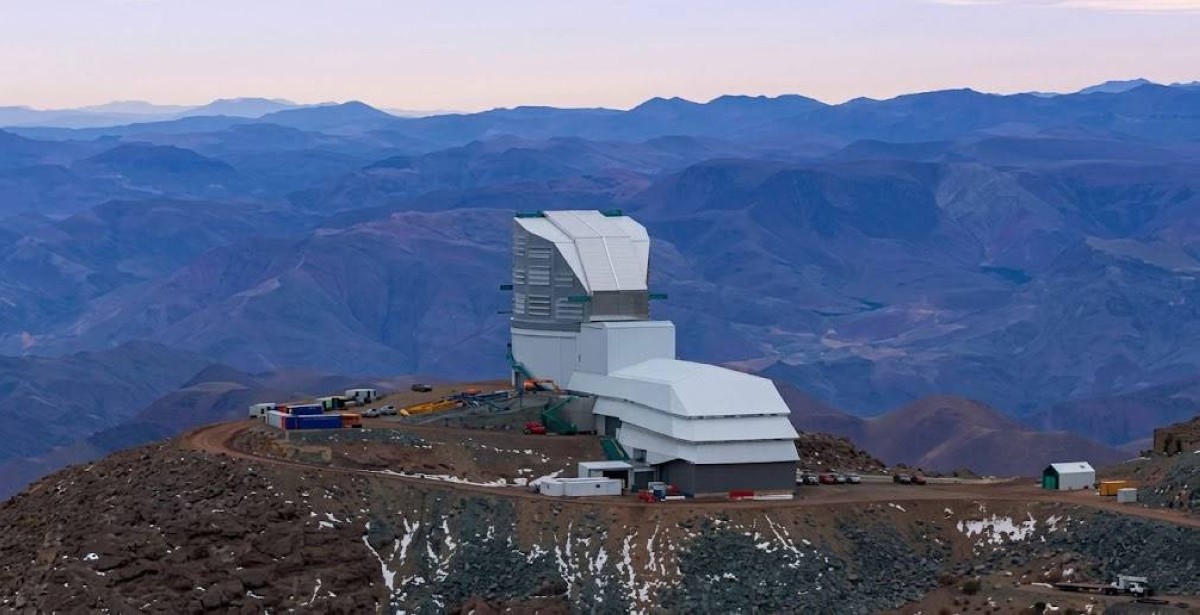
بدأ مرصد "فيرا سي روبين" في تشيلي مرحلة علمية جديدة تُعد من أكبر مشاريع مسح السماء في تاريخ علم الفلك، وذلك عبر تشغيل أكبر كاميرا رقمية في العالم، في مهمة تمتد إلى نحو عشر سنوات بهدف رسم خريطة شاملة ودقيقة لسماء الليل في نصف الكرة الجنوبي.

تقع هذه الكاميرا الضخمة على قمة سيرو باتشون في جبال الأنديز، وتُشبه في حجمها سيارة صغيرة، إذ يبلغ وزنها حوالي 3000 كيلوغرام. وخلال كل ليلة من عمليات الرصد، ستلتقط ما بين 700 و800 صورة عالية الدقة للسماء، لتُنتج مع مرور الوقت أرشيفًا فلكيًا غير مسبوق من البيانات والصور.

ويهدف هذا المشروع العملاق إلى تمكين العلماء من “تغطية سماء الليل الجنوبية بأكملها”، وفق ما أوضحه فيل مارشال، نائب مدير العمليات في المرصد. وتُستخدم هذه البيانات في بناء إحصاء شامل ودقيق للأجرام في النظام الشمسي، إضافة إلى متابعة التغيرات الكونية على مدى زمني طويل.

ومن أبرز الأهداف العلمية للمشروع رصد ملايين الكويكبات الجديدة، والمساعدة في البحث عن ما يُعرف بـ“الكوكب التاسع” المفترض، إلى جانب دراسة بنية مجرة درب التبانة، ومراقبة الظواهر الكونية العنيفة مثل المستعرات العظمى والثقوب السوداء. كما يركّز المشروع بشكل خاص على فهم طبيعة **المادة المظلمة والطاقة المظلمة**، وهما من أكبر ألغاز الكون الحديثة.

ويحمل المرصد اسم عالمة الفلك الأمريكية فيرا روبين، التي لعبت أبحاثها دورًا محوريًا في تقديم أول دليل قوي على وجود المادة المظلمة، وهو اكتشاف غيّر فهم العلماء لبنية الكون.

وكان المرصد قد نشر في وقت سابق بعض أولى صوره التجريبية، والتي أظهرت مشاهد مذهلة مثل سديم البحيرة على بعد آلاف السنين الضوئية، في إشارة إلى قدراته الهائلة قبل بدء التشغيل العلمي الكامل، وفقا لموقع"euronews".

ويُنظر إلى هذا المشروع بوصفه تعاونًا علميًا دوليًا واسع النطاق، يعكس قوة العمل المشترك بين مؤسسات بحثية متعددة حول العالم، ويُتوقع أن يُحدث نقلة كبيرة في فهمنا للكون خلال العقد القادم عبر هذا المسح غير المسبوق للسماء.

astronomycamerasky
الخبر متوفّر باللغات التالية:English
المصدر الأصلي للخبر
البيان

World’s Largest Digital Camera Begins Mapping the Universe Like Never Before

July 06, 2026·Al Bayan
World’s Largest Digital Camera Begins Mapping the Universe Like Never Before

The Vera C. Rubin Observatory in Chile has begun a new scientific phase, which is one of the largest sky survey projects in the history of astronomy, by operating the world’s largest digital camera as part of a mission that will span about ten years to create an accurate and comprehensive map of the night sky in the southern hemisphere.

This huge camera is located on the peak of Cerro Pachón in the Andes Mountains; it is similar in size to a small car, weighing around 3000 kilograms. During each observation night, it will capture between 700 and 800 high-resolution images of the sky, producing an unprecedented astronomical archive of data and images over time.

This giant project aims to enable scientists to “cover the entire southern night sky,” according to Phil Marshall, deputy director of operations at the observatory. These data will be used to build a comprehensive and accurate census of objects in the solar system, as well as to monitor cosmic changes over a long time span.

One of the main scientific goals of this project is to observe millions of new asteroids, help search for the so-called “ninth planet,” study the structure of the Milky Way galaxy, and monitor violent cosmic phenomena such as supernovae and black holes. The project also focuses on understanding the nature of **dark matter** and **dark energy**, which are two of the biggest mysteries in modern cosmology.

The observatory is named after American astronomer Vera Rubin, whose research played a pivotal role in providing the first strong evidence for dark matter, a discovery that changed scientists’ understanding of the universe's structure.

Earlier, the observatory published some of its initial test images, which showed stunning scenes such as the Lake Nebula thousands of light years away, indicating its immense capabilities before full scientific operation, according to "euronews" website.

This project is seen as a large-scale international scientific collaboration that reflects the power of joint work between multiple research institutions around the world. It is expected to make a significant leap in our understanding of the universe over the next decade through this unprecedented survey of the sky.

astronomycamerasky
This article is also available in:العربية
Original source article
Al Bayan