إطلاق مهمة ناسا لإنقاذ مرصد سويفت المتساقط
4 يوليو 2026·إنجاجيت
إطلاق مهمة ناسا لإنقاذ مرصد سويفت المتساقط

A robotic spacecraft called LINK will soon tug the telescope to a higher orbit.

By Mariella Moon July 4, 2026 12:00 pm EST NASA

The NASA Swift Boost mission has launched from Marshall Islands on July 3 at 4:36AM Eastern time after a couple of delays, and the agency has started preparing it for its ultimate goal: To rescue the Neil Gehrels Swift Observatory, which is falling faster than anticipated. Swift Boost's ground teams have already established communication with LINK, the robotic spacecraft designed by Arizona company Katalyst Space to dock with the observatory and to tug it back into a higher orbit.

It wasn't your typical rocket launch. LINK was attached to a Northrop Grumman Pegasus XL rocket, which was in turn attached to the belly of a plane called Stargazer. The plane took off from Kwajalein Atoll, Marshall Islands and then released the Pegasus XL rocket in the air at an altitude of around 40,000. After free falling for a few seconds, the rocket's engines fired up to deliver LINK to space.

تقول ناسا إن إقامة اتصال مع الرابط كان الهدف الأول للبعثة، وقد نجحت في ذلك. قام الرابط بتشغيل الطاقة بالفعل وسيخضع لفحوصات صحية من قبل كاتالست على مدار الأسابيع القليلة المقبلة لتقييم أنظمته الخاصة بالدفع والحساسات والملاحة. بعد الانتهاء من الفحوصات الصحية، سيتجه الرابط نحو مرصد سويفت لاستكشافه.

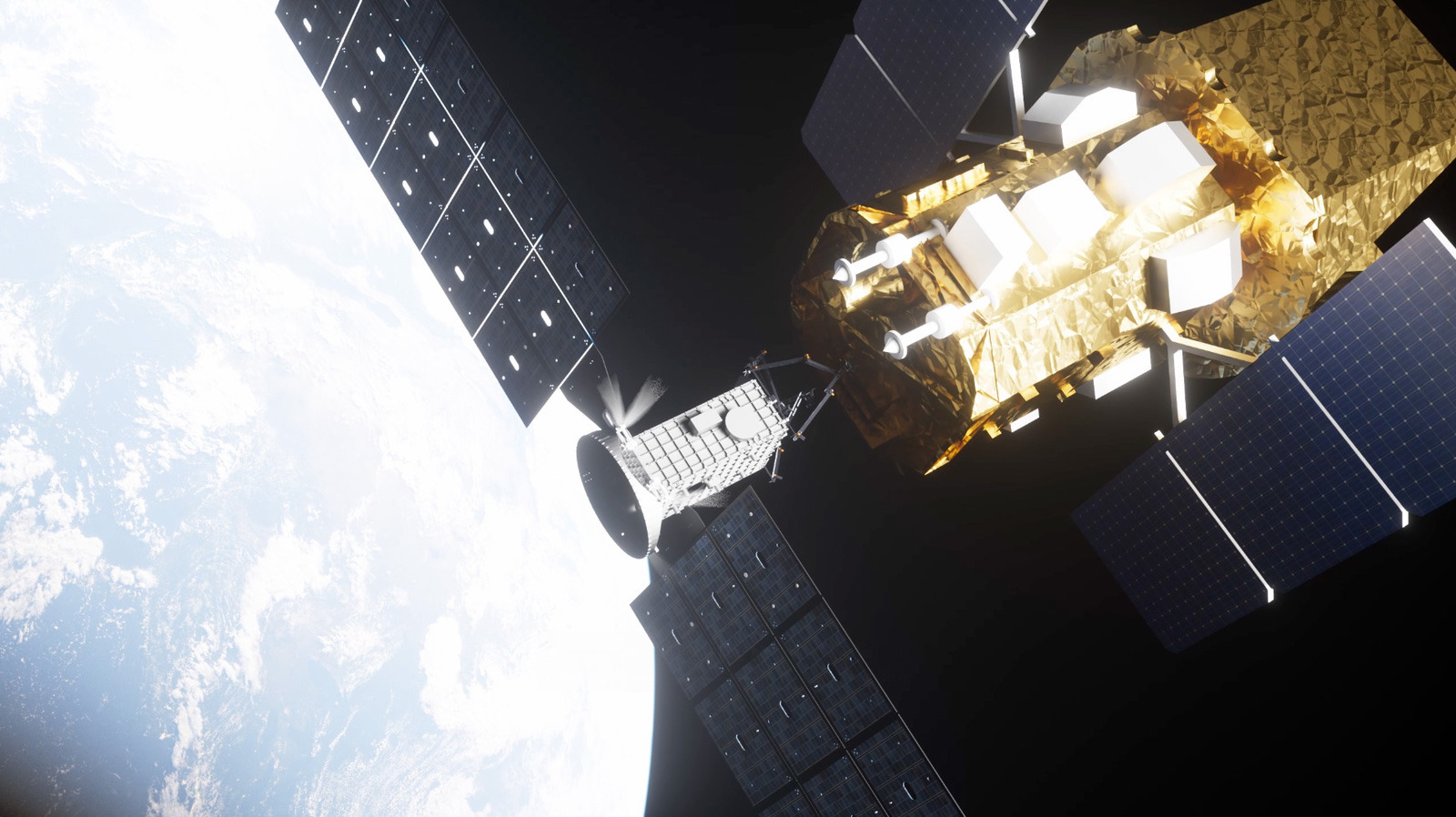
سيقوم الرابط بعد ذلك بتصوير سويفت، وربطه باستخدام ذراعيه الروبوتيين الثلاثة ثم سيسحبه للأعلى حتى يصلا إلى مدار بارتفاع حوالي 370 ميلًا، مما سيمدد عمره لعقد من الزمان أو نحو ذلك. من المتوقع أن يستغرق نقل المرصد إلى مدار أعلى 10 إلى 12 أسبوعًا. في حين أن جميع المركبات الفضائية ستهبط في النهاية، إلا أن النشاط الشمسي الأخير تسبب في انخفاض مدار المرصد بشكل أسرع بكثير. بدون مساعدة الرابط، كان من المقرر أن يسقط تلسكوب سويفت من المدار بحلول نهاية العام.

يدرس مرصد نيل جيهيرز سويفت انفجارات أشعة غاما منذ أكثر من عقدين. يصف براد سينكو، الباحث الرئيسي في سويفت، انفجارات أشعة غاما بأنها "انفجارات سريعة من الضوء عالي الطاقة تطلق طاقة أكبر خلال ثوانٍ قليلة مما يطلقه الشمس خلال فترة وجودها بأكملها". يعتقد العلماء أن هذه الانفجارات تحدث بسبب انفجار واصطدام النجوم. يقول سينكو إن البيانات التي جمعها سويفت أكدت أن "أثقل العناصر في الجدول الدوري، بما في ذلك الذهب والبلاتين المستخدمين في المجوهرات، تتشكل في هذه الأنظمة". يستخدم العلماء الآن سويفت كـ"مُنسق" أو "مساعد أول استجابة" لجمع معلومات حيوية عند حدوث حدث فلكي مفاجئ.

NASASwift observatoryspacecraft
الخبر متوفّر باللغات التالية:English
المصدر الأصلي للخبر
إنجاجيت

NASA mission to rescue the falling Swift observatory has launched

July 04, 2026·Engadget
NASA mission to rescue the falling Swift observatory has launched

A robotic spacecraft called LINK will soon tug the telescope to a higher orbit.

By Mariella Moon July 4, 2026 12:00 pm EST NASA

The NASA Swift Boost mission has launched from Marshall Islands on July 3 at 4:36AM Eastern time after a couple of delays, and the agency has started preparing it for its ultimate goal: To rescue the Neil Gehrels Swift Observatory, which is falling faster than anticipated. Swift Boost's ground teams have already established communication with LINK, the robotic spacecraft designed by Arizona company Katalyst Space to dock with the observatory and to tug it back into a higher orbit.

It wasn't your typical rocket launch. LINK was attached to a Northrop Grumman Pegasus XL rocket, which was in turn attached to the belly of a plane called Stargazer. The plane took off from Kwajalein Atoll, Marshall Islands and then released the Pegasus XL rocket in the air at an altitude of around 40,000. After free falling for a few seconds, the rocket's engines fired up to deliver LINK to space.

NASA says making contact with LINK was the mission's first objective, and it was successful in doing so. LINK has already powered on and will undergo health checks by Katalyst over the next several weeks to assess its propulsion, sensor and navigation systems. After its health checks are done, LINK will head towards the Swift observatory to survey it.

LINK will then capture Swift, dock with it using its three robotic arms and then tug it upwards until they reach an orbit with an altitude of approximately 370 miles, which will extend its life by a decade or so. Delivering the observatory to a higher orbit is expected to take 10 to 12 weeks. While all spacecraft will eventually fall, recent solar activity caused the observatory's orbit to decay much faster. Without the help of LINK, the Swift telescope would be falling from orbit by the end of the year.

The Neil Gehrels Swift Observatory has been studying gamma ray bursts for over two decades. Brad Cenko, Swift's principal investigator, describes gamma ray bursts as "short-lived flashes of high-energy light that release more energy in just a few seconds than the sun will in its entire lifetime." These bursts are thought to be created by exploding and colliding stars. Cenko says data from Swift confirmed that the "heaviest elements in the periodic table, including the gold and platinum in our jewelry, are forged in these systems." Scientists now also use Swift as a "dispatcher" or a "first responder" to gather critical information when a sudden cosmic event takes place.

NASASwift observatoryspacecraft
This article is also available in:العربية
Original source article
Engadget