كيف يمكن لساعة ذكية وذكاء اصطناعي اكتشاف علامات المرض مبكرًا
4 يوليو 2026·إنجاجيت
كيف يمكن لساعة ذكية وذكاء اصطناعي اكتشاف علامات المرض مبكرًا

بعض الميزات أكثر فائدة سريرية من غيرها.

بقلم ويل شانكلين 4 يوليو 2026 2:30 مساءً بتوقيت شرق الولايات المتحدة آبل / ووب / أور

تجاوزت الساعات الذكية والأجهزة القابلة للارتداء نطاق تتبع خطواتك ومعدل ضربات قلبك. يمكن للعديد من الإصدارات الحالية مراقبة كل شيء بدءًا من النوم ودرجة حرارة الجلد إلى معدل التنفس، وأكسجين الدم، وتغير معدل ضربات القلب وحتى تنبيهك إلى علامات انقطاع النفس أثناء النوم المحتملة. إذا أخذت تسويق شركات التكنولوجيا الكبرى على محمل الجد، فقد تخلص إلى أن ساعة معصمك الذكية على وشك التحول إلى جهاز "تريكورد" من مسلسل ستار تريك الحقيقي. ولكن ما مدى موثوقية الأجهزة القابلة للارتداء في الكشف المبكر عن الأمراض أو الحالات الطبية الأخرى؟

غالبًا ما تكون الساعة الذكية التي تحصل على موافقة إدارة الغذاء والدواء الأمريكية لميزة صحية جديدة مصحوبة بحملات تسويقية متحمسة توحي بأنها تخبرك بأكثر مما تفعله. لن يكون حدث آبل دون قصص دافئة القلب عن أحدث ساعة آبل تنقذ الأرواح، على سبيل المثال. حتى إدارة ترامب انضمت إلى هذا الاهتمام، حيث وصف وزير الصحة (والمُنشر الرئيسي للمعلومات المضللة) روبرت ف. كينيدي جونيور منتجات التكنولوجيا القابلة للارتداء بأنها "مفتاح" لبرنامجه.

لذا، هل يعد الترويج لتكنولوجيا الصحة القابلة للارتداء مجرد مثال آخر على الدخان الذي يُلقى في وجوهنا؟ حسنًا، ليس تمامًا. ففي حين يمكن لبعضها أن يشير إلى إمكانية وجود علامات على مرض متطور، إلا أن الساعات الذكية لا تتفوق عمومًا في تشخيص الحالات الكامنة. وبعض الميزات أكثر فائدة من غيرها.

ما الذي يعمل بالفعل

تتمثل أفضل ميزة للأجهزة القابلة للارتداء في قدرتها على ملاحظة الانحرافات عن الأنماط المعتادة لجسمك. ويمكن لهذه الانحرافات أن تشير إلى وجود شيء ما يستحق إجراء مزيد من التحقيقات مع طبيبك.

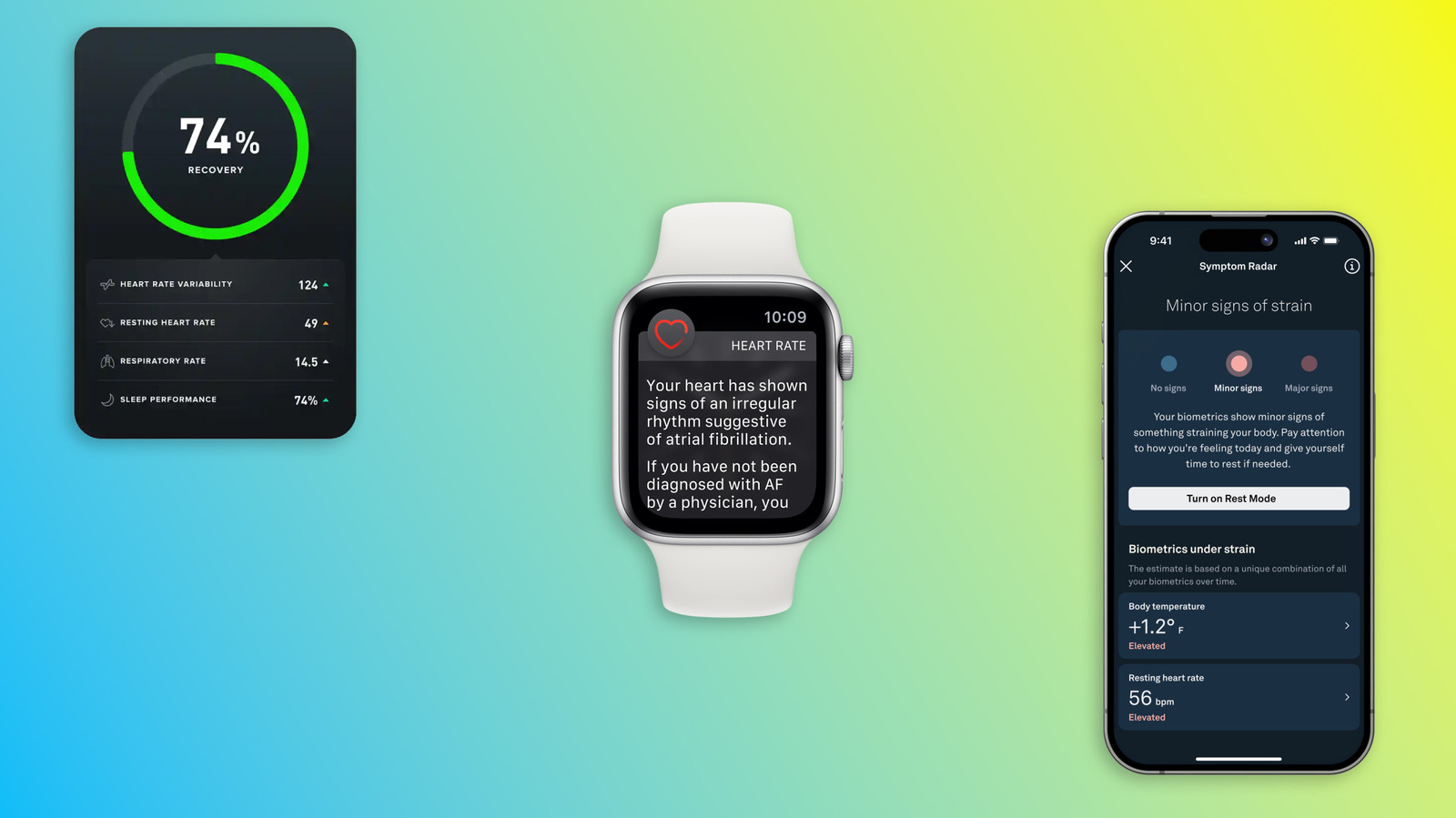
وقد أثبتت هذه الأجهزة بالفعل قدرتها على الكشف عن اضطراب نظم القلب (AFib)، وهو نوع غير طبيعي من ضربات القلب يرتبط بزيادة خطر الإصابة بالسكتة الدماغية. وفي إحدى دراسات ساعة آبل، تأكدت تنبيهات النبض غير المنتظم الخاصة بالجهاز لوجود اضطراب نظم القلب بنسبة 84% من الوقت.

وهذا كافٍ لجعلها واحدة من الميزات القليلة للساعات الذكية التي يعتبرها العديد من الأطباء مفيدة سريريًا. لماذا؟ لأن اضطراب نظم القلب له توقيع فيزيولوجي واضح، وهو أمر بسيط نسبيًا بالنسبة للأجهزة القابلة للارتداء التي يستخدمها المستهلكون.

أما بالنسبة للمؤشرات الأخرى "ذات الثقة العالية"، حسنًا، فإن القائمة قصيرة جدًا. فقد أخبر الأطباء مؤخرًا صحيفة نيويورك تايمز أن أنماط النوم الأساسية (ومراحل النوم إلى حد أقل) وعداد الخطوات هي أيضًا من بين المقاييس الأكثر موثوقية من وجهة نظر طبية. بعبارة أخرى، الميزات المفيدة سريريًا هي الاستثناء، وليس القاعدة.

معرفة الحدود
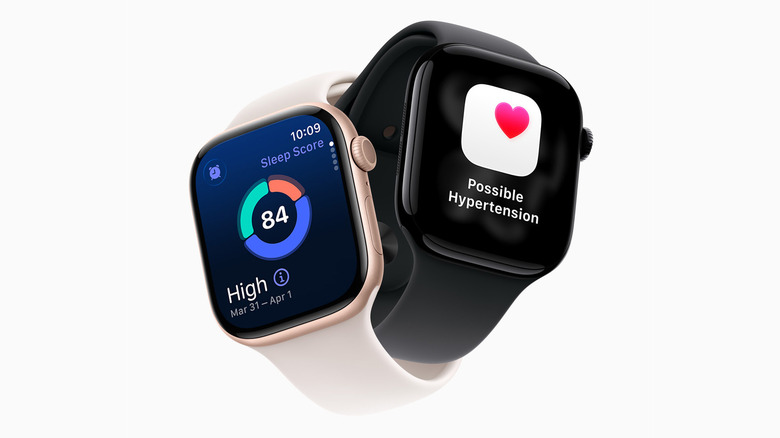
ساعتان من آبل ووتش، إحداهما تعرض درجة النوم والأخرى تعرض تنبيه ارتفاع ضغط الدم. آبل

لا تُعد مقاييس الساعة الذكية الأخرى دقيقة بما يكفي لاستخدامها في اتخاذ القرارات الطبية. لا يُعتبر تنبيه ضغط الدم، وتقديرات السعرات الحرارية، وتتبع مراحل النوم التفصيلي موثوقة بما فيه الكفاية لكي يتصرف الأطباء بناءً عليها. من ناحية أخرى، فإن VO2 max وتباين معدل ضربات القلب لا يوفر سوى تقديرات تقريبية للياقة البدنية والتعافي. وتعتمد درجات الصحة اليومية، مثل جاهزية أور (Oura) وتعافي وووب (Whoop)، على خوارزميات مملوكة. وهذا يترك الأطباء دون الكثير للعمل به.

حتى المقاييس الأكثر موثوقية يمكن أن تُثير نتائج إيجابية كاذبة. على سبيل المثال، قد يكون ارتفاع معدل ضربات القلب أثناء الراحة علامة على أن جسمك يكافح ضد عدوى ما. ولكن مرة أخرى، قد يعني ذلك فقط أنك نمت بشكل سيء أو شربت قليلاً أكثر من المعتاد.

تتميز الأجهزة الحديثة ببراعتها في اكتشاف المشكلات، لكنها ليست بارعة في إخبارك بما هي تلك المشكلات أو ما الذي تسبب بها. لهذا السبب يميل الأطباء إلى التركيز بشكل أقل على القراءات الفردية وبشكل أكبر على الاتجاهات الأوسع.

دمج البيانات

قبل أن تلاحظ أعراض، مثل الإنفلونزا أو كوفيد-19، يبدأ جسمك بالتغير بطرق خفية. قد لا تعني التغييرات في درجة حرارة الجلد، ومعدل ضربات القلب أثناء الراحة، وأنماط التنفس الكثير عندما تؤخذ بشكل فردي. لكن عند دمجها ومقارنتها بالقيم الأساسية، قد تشير إلى أنك مصاب بشيء ما.

أظهرت الأبحاث أن الأجهزة القابلة للارتداء يمكنها اكتشاف التغيرات الفسيولوجية من العدوى التنفسية قبل ظهور الأعراض. (من الجدير بالذكر أنها تكتشف استجابة الجسم للعدوى، وليس الفيروس أو البكتيريا نفسها). وجدت دراسة حديثة أجرتها جامعة تكساس A&M وستانفورد أن الساعات الذكية قد تكشف العلامات المبكرة لكوفيد-19 والإنفلونزا خلال ساعات من الإصابة. قدر الباحثون أن تشجيع الناس على العزل، وإجراء الاختبارات، والسعي للحصول على العلاج في وقت مبكر يمكن أن يقلل من انتقال الجائحة بنسبة تصل إلى 50 بالمئة.

بالطبع، كانت الأجهزة القابلة للارتداء والأوبئة والإنفلونزا الموسمية موجودة لسنوات عديدة، لكن التطورات الأخيرة في الذكاء الاصطناعي وتكنولوجيا المستشعرات قد تدفع الأمور إلى الأمام. قدمت شركات مثل جوجل وأورا ووويب نسخة من مدرب أو مستشار الذكاء الاصطناعي في تطبيقاتها، لمساعدة المستخدمين على فهم بياناتهم.

هناك أيضًا ميزات غير مصنفة على أنها "ذكاء اصطناعي"، مثل نظام رادار الأعراض الخاص بشركة أورا وميزة فيتالس الخاصة بشركة آبل التي تجمع المعلومات من مستشعرات متعددة وتضاهيها مع خط الأساس لديك. ومن المرجح أن تلعب القدرة المعالجة لأحدث نماذج لغة الذكاء الاصطناعي، مثل جيميني من جوجل في مدرب الصحة التابع للشركة، دورًا متزايد الأهمية في ربط كل ذلك واقتراح خطوات قابلة للتطبيق. لكن كما هو الحال مع درجات التعافي المسجلة الملكية، سيتم الكثير من تحليل الذكاء الاصطناعي خلف الكواليس، مما يقدم القليل الذي يمكن للأطباء الاعتماد عليه.

في أفضل الأحوال، ستحفز تحليلات الصحة بالذكاء الاصطناعي الناس على السعي للحصول على العلاج في وقت مبكر. وفي أسوأ الأحوال، قد تشجع الناس على استبدال النصائح المولدة بواسطة الكمبيوتر باستشارات مع المهنيين الطبيين.

على الرغم من أن أنظمة الذكاء الاصطناعي الحالية تأتي مع تحذيرات للتحقق من الأطباء في العالم الحقيقي، إلا أنه لا يزال هناك خطر يتمثل في اعتماد الناس على بيانات الأجهزة القابلة للارتداء أو رؤى التطبيقات كحكم نهائي بشأن صحتهم. سواء كانت المعلومات من مستشعر مصغر على معصمك أو نصيحة يقدمها روبوت محادثة على هاتفك، لا شيء يمكن أن يحل محل الفحوصات الصحية البدنية المنتظمة مع الأطباء والمهنيين الطبيين.

ربما لن يكون مستقبل الصحة القابلة للارتداء ساعة ذكية تشخّص المرض من معصمك - التريكورد الأسطوري للمعصم. بدلاً من ذلك، من المرجح أن يكون جهازاً يراقب بهدوء الأنماط، ويحفزك عندما يبدو أن هناك شيئاً غير طبيعي ويوفر لك معلومات مفيدة أخرى لمناقشتها مع طبيبك.

smartwatchAIillness
الخبر متوفّر باللغات التالية:English
المصدر الأصلي للخبر
إنجاجيت

How your smartwatch and AI might detect early signs of illness

July 04, 2026·Engadget
How your smartwatch and AI might detect early signs of illness

Some features are more clinically useful than others.

By Will Shanklin July 4, 2026 2:30 pm EST Apple / Whoop / Oura

Smartwatches and other wearables have moved far beyond just tracking your steps and heart rate. Many of today's versions can monitor everything from sleep and skin temperature to respiratory rate, blood oxygen, heart rate variability and even alert you to possible signs of sleep apnea. If you took Big Tech's marketing at face value, you might conclude that your smartwatch is on the verge of becoming a real-life Star Trek Tricorder. But how reliable are wearables for spotting early signs of illnesses or other medical conditions?

A smartwatch receiving FDA clearance for a new health feature is often accompanied by enthusiastic marketing campaigns implying that it tells you more than it does. It wouldn't be a fall Apple event without heartwarming stories of the latest Apple Watch saving lives, for instance. Even the Trump administration has joined the hype, with Health Secretary (and misinformation super-spreader) Robert F. Kennedy Jr. calling wearable tech products "a key" to his agenda.

So, is wearable health tech hype just another example of smoke being blown up our collective keisters? Well, not quite. While some can flag possible signs of a developing illness, smartwatches generally aren't so hot at diagnosing underlying conditions. And some features are more useful than others.

What actually works

What wearables are best at is noticing breaks from your body's usual patterns. Those outliers can hint that something warrants further investigation with your doctor.

One area where they've already proved themselves is in detecting atrial fibrillation (AFib), an abnormal heart rhythm associated with an increased risk of stroke. In one Apple Watch study, the device's irregular pulse alerts were confirmed to be AFib 84 percent of the time.

That's good enough to make it one of the few smartwatch features that many doctors consider clinically useful. Why? Because AFib has a clear physiological signature that's relatively straightforward for a consumer wearable to detect.

As for other "high-confidence" metrics, well, the list is pretty short. Physicians recently told The New York Times that basic sleep patterns (less so sleep stages) and step counts are also among the more reliable metrics from a medical standpoint. In other words, the clinically useful features are the exception, not the rule.

Knowing the limits

Two Apple Watches, one showing Sleep Score and the other displaying a hypertension alert. Apple

Other smartwatch metrics aren't accurate enough to use for medical decisions. Blood pressure alerts, calorie estimates and detailed sleep-stage tracking aren't considered reliable enough for doctors to act on. Meanwhile, VO2 max and heart rate variability only offer rough estimates of fitness and recovery. And daily wellness scores, like Oura's Readiness and Whoop's Recovery, rely on proprietary algorithms. That leaves clinicians without much to work with.

Even the more reliable metrics could trigger false positives. For example, a spike in your resting heart rate could be a sign that your body is fighting an infection. But then again, it might just mean you slept like crap or had a bit more to drink than usual.

Today's devices are pretty good at noticing problems. They're not so hot at telling you exactly what those are or what caused them. That's why doctors tend to focus less on individual readings and more on broader trends.

Combining data

Long before you notice the symptoms of, say, the flu or COVID-19, your body starts changing in subtle ways. Taken individually, changes to your skin temperature, resting heart rate or respiratory patterns may not mean much. But when combined and compared to your baseline, they may hint that you're coming down with something.

Research has shown that wearables can detect physiological changes from respiratory infections before symptoms appear. (It's worth noting that they're detecting the body's response to an infection, not the virus or bacteria itself.) A recent study from Texas A&M and Stanford found that smartwatches may detect early signs of COVID-19 and influenza within hours of infection. The researchers estimated that encouraging people to isolate, get tested and seek treatment earlier could reduce pandemic transmission by up to 50 percent.

Of course, wearables, pandemics and the seasonal flu have been around for many years, but recent developments in AI and sensor technology could push things forward. Companies like Google, Oura and Whoop have all introduced some version of an AI coach or advisor in their apps, helping users make sense of their data.

There are also features that aren't labeled "AI," like Oura's Symptom Radar and Apple's Vitals that piece together information from multiple sensors and compare it with your baseline. And the processing ability of the latest AI language models, like Google's Gemini in the company's Health Coach, will likely play an increasingly important role in tying it all together and suggesting actionable steps. But like proprietary recovery scores, much of that AI analysis will happen behind the scenes, offering little that doctors can reliably act on.

At best, AI health analyses will nudge people to seek treatment earlier. At worst, they might encourage people to substitute computer-generated advice for consultations with medical professionals.

While today's AI systems come with warnings to check with real-world doctors, there is still the risk of people taking wearable data or app insights as the be-all and end-all verdict on their health. Whether it's information from a miniaturized sensor on your wrist or advice given by a chatbot on your phone, nothing can replace regular physical health checkups with doctors and medical professionals.

The future of wearable health probably won't be a smartwatch that diagnoses disease from your wrist — the fabled wrist Tricorder. Instead, it's more likely to be a device that quietly watches for patterns, nudges you when something looks off and gives you another piece of useful information to discuss with your doctor.

smartwatchAIillness
This article is also available in:العربية
Original source article
Engadget