زر الكراهية يختفي من "اليوتيوب شورتس"
4 يوليو 2026·البيان
زر الكراهية يختفي من "اليوتيوب شورتس"

في زمن الفيديوهات القصيرة، لم تعد المعركة على الدقيقة، وإنما على الثانية. لا يريد المستخدم أن يفكر كثيراً قبل أن يمرر إصبعه إلى المقطع التالي. ولا تريد المنصة أن تمنحه أسباباً كثيرة للخروج من الدوامة. كل زر على الشاشة صار موضع حساب. كل أيقونة، كل تعليق، كل كلمة، يمكن أن تكون إما باباً للبقاء أو سبباً للانصراف.

لهذا تبدو التغييرات الجديدة في «يوتيوب شورتس» أكبر من تحديث شكلي. فوفقاً لـ«تيوب فلتر»، وهو موقع إعلامي متخصص في أخبار اقتصاد صناع المحتوى والمنصات الرقمية، أطلقت «يوتيوب» تصميماً جديداً لـ«شورتس» يزيل بعض عناصر التشتيت، ويستبدل زر الإعجاب التقليدي برمز قلب، ويبعد زر عدم الإعجاب من الواجهة المباشرة، مع إدخال وضع الشاشة النظيفة وسرعة تشغيل مضاعفة.

و«يوتيوب شورتس» هي خدمة الفيديوهات القصيرة داخل «يوتيوب»، أطلقتها الشركة لمنافسة «تيك توك» و«ريلز» في «إنستغرام»، وتعتمد على مقاطع رأسية سريعة يكتشفها المستخدم غالباً عبر خوارزمية توصية لا عبر بحث مقصود.

زر صامت

اختفاء زر عدم الإعجاب من الواجهة ليس تفصيلاً صغيراً. كان الزر، منذ سنوات، إحدى أدوات التعبير السريع عن الرفض. لا يحتاج المستخدم إلى تعليق طويل، ولا إلى شرح. ضغطة واحدة تكفي كي يقول: لا يعجبني هذا. لكن في الفيديوهات القصيرة، حيث تتعلم الخوارزمية من كل إشارة صغيرة، يصبح السؤال أعقد: هل عدم الإعجاب يعني أن المقطع رديء؟ أم يعني أن المستخدم لا يريد هذا النوع من المحتوى؟ أم يعني أنه غضب من الرأي، لا من جودة الفيديو؟

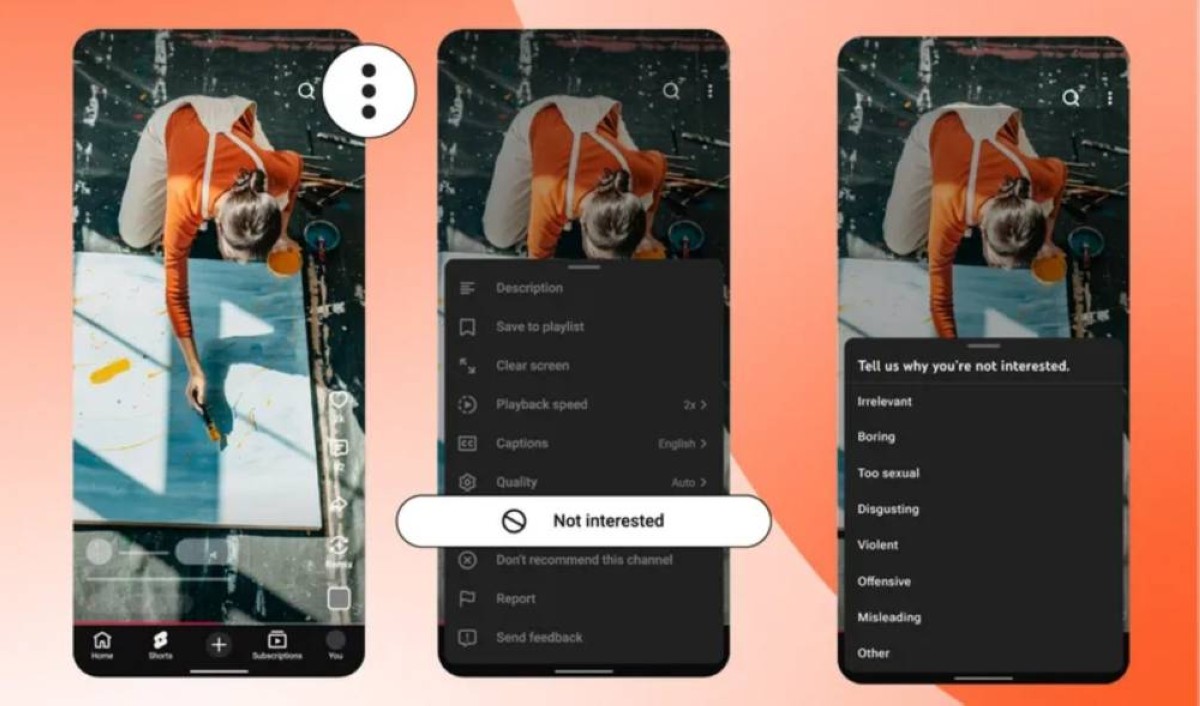
وفقاً لـ«تيوب فلتر»، رأت «يوتيوب» أن الناس استخدموا عدم الإعجاب بطرق مختلفة، فبعضهم كان يضغطه للتعبير عن ذوق شخصي، وبعضهم كان يستخدمه للإشارة إلى معلومات غير مناسبة أو غير مفيدة. لذلك اختبرت الشركة تصميماً يستبدل زر عدم الإعجاب بخيار «غير مهتم»، ليصبح الرفض أقرب إلى تعديل الخلاصة لا إلى عقوبة عامة على المقطع.

في الظاهر، يبدو هذا أكثر دقة. المستخدم لا يقول فقط إنه يكره الفيديو، وإنما يخبر الخوارزمية أنه لا يريد مزيداً من هذا النوع. لكن المعنى الآخر أن الرفض صار أقل علنية. لم يعد جزءاً من واجهة عاطفية ظاهرة، وإنما تحول إلى إشارة مخفية داخل قائمة. وهذا يلائم منطق المنصات الحديثة: لا تجعل المستخدم يتوقف عند السلبية كثيراً، ودعه يواصل التمرير.

قلب جديد

استبدال الإبهام بقلب ليس بريئاً تماماً. الإبهام ينتمي إلى لغة «يوتيوب» القديمة، لغة مقاطع طويلة، وتعليقات، وتقييمات، ومشاهدين يجلسون أمام فيديو يمتد عشر دقائق أو ساعة. أما القلب فينتمي إلى عالم «تيك توك» و«إنستغرام»، عالم أسرع، وأكثر عاطفية، وأقل نقاشاً.

وفقاً لمدونة «يوتيوب» الرسمية، يتضمن التحديث الجديد أيقونة قلب للتعبير عن التفاعل الإيجابي، ووضع شاشة نظيفة يخفي عناصر الواجهة، وخيارات أدق لتخصيص الخلاصة، إضافة إلى سرعات تشغيل قابلة للتعديل.

هذه اللغة البصرية تقول إن «شورتس» لم تعد مجرد ابن صغير داخل «يوتيوب»، وإنما منصة قصيرة تريد أن تشبه عالمها الطبيعي: سريعة، ناعمة، عاطفية، قليلة الاحتكاك. القلب لا يطلب حكماً نقدياً. يطلب شعوراً. أحببت أم لا؟ لمستك اللقطة أم لا؟ مررت بها أم توقفت؟

تيك توك

وفقاً لـ«ذا فيرج»، وهي منصة أمريكية متخصصة في أخبار التقنية والثقافة الرقمية، تجعل تحديثات «شورتس» الجديدة الخدمة أكثر شبهاً بـ«تيك توك»، من وضع الشاشة النظيفة إلى زر القلب وسرعة التشغيل المضاعفة وخيارات الكتم وإخفاء عدم الإعجاب.

وهذه ليست مجرد استعارة تصميمية. إنها اعتراف بأن «تيك توك» لم ينافس المنصات الأخرى بمحتواه فقط، وإنما بلغته. لقد علّم المستخدمين كيف يشاهدون. وحين تتعلم اليد حركة معينة، وحين يتعلم الدماغ نمط مكافأة معيناً، تضطر المنصات الأخرى إلى الاقتراب من ذلك النمط، حتى لو كانت تملك تاريخاً مختلفاً.

أرقام ضخمة

المعركة تستحق هذا التقليد. فالفيديوهات القصيرة لم تعد هامشاً في اقتصاد المنصات. وتشير دراسة أكاديمية منشورة عام 2025 إلى أن «يوتيوب شورتس» يخدم أكثر من ملياري مستخدم شهرياً، ما يعكس تحول الفيديو القصير إلى شكل رئيسي من أشكال الاستهلاك الرقمي.

وفي دراسة أخرى حللت 9.9 ملايين مقطع «شورتس» و6.9 ملايين فيديو عادي على «يوتيوب» بين 2021 و2022، وجد الباحثون أن صناع المحتوى زادوا باستمرار إنتاجهم من مقاطع «شورتس»، خصوصاً القنوات الجديدة، وأن المقاطع القصيرة تجذب مشاهدات وإعجابات أكثر لكل مشاهدة مقارنة بالفيديوهات العادية، لكنها تحصل على تعليقات أقل لكل مشاهدة.

هذه الأرقام تشرح لماذا تهتم «يوتيوب» بزر صغير. ففي سوق يضم مليارات المستخدمين وملايين المقاطع، لا يكون الزر مجرد زر. إنه إشارة في نظام توصية واسع، ونقطة احتكاك في تجربة مشاهدة، وأداة لتوجيه ما يراه الإنسان بعد لحظات.

youtubeShortsuser experience
الخبر متوفّر باللغات التالية:English
المصدر الأصلي للخبر
البيان

The YouTube Shorts button disappears

July 04, 2026·Al Bayan
The YouTube Shorts button disappears

In the age of short videos, the battle is no longer for a minute but for a second. Users do not want to think too much before swiping to the next clip. And platforms don’t want to give them many reasons to get out of the loop. Every button on the screen is calculated. Every icon, every comment, every word can be either a door to stay or a reason to leave.

That's why the new changes in YouTube Shorts look bigger than just a cosmetic update. According to Tubefilter, a media site specializing in news about content creators and digital platforms, YouTube has launched a new design for Shorts that removes some distractions, replaces the traditional Like button with a heart icon, moves the Dislike button from the direct interface, introduces a clean screen mode, and doubles the playback speed.

YouTube Shorts is a service of short videos within YouTube, which the company launched to compete with TikTok and Reels on Instagram. It relies on vertical clips that users often discover through recommendation algorithms rather than intentional searches.

A silent button

The disappearance of the “dislike” button from the interface is not a small detail. For years, the button has been one of the quick ways to express rejection. The user does not need a long comment or an explanation. One click is enough for them to say: I don’t like this. But in short videos, where the algorithm learns from every little sign, the question becomes more complex: Does “dislike” mean that the clip is bad? Or does it mean that the user doesn’t want this type of content? Or does it mean they are angry at the opinion, not the quality of the video?

According to “TubeFilter”, YouTube saw that people used dislike in different ways; some pressed it to express a personal taste, and others used it to indicate inappropriate or useless information. Therefore, the company tested a design that replaces the “dislike” button with an option of “not interested,” making rejection closer to editing the summary rather than being a general punishment for the clip.

On the surface, this seems more accurate. The user is not just saying they hate the video; they are telling the algorithm that they don’t want any more of this type. But it also means that rejection has become less public. It is no longer part of a visible emotional interface but rather a hidden sign within a list. This fits with the logic of modern platforms: Don’t make users stop at negativity for too long, let them keep scrolling.

A new heart

Replacing the thumb with a heart is not entirely innocent. The thumb belongs to the old language of YouTube, the language of long videos, comments, ratings, and viewers sitting in front of a video that lasts ten minutes or an hour. The heart, on the other hand, belongs to the world of TikTok and Instagram, a faster, more emotional, and less conversational world.

According to YouTube’s official blog, the new update includes a heart icon for expressing positive engagement, a clean screen that hides interface elements, and finer options for customizing the feed, in addition to adjustable playback speeds.

This visual language says that Shorts is no longer just a little son within YouTube; it’s a short platform that wants to resemble its natural world: fast, smooth, emotional, and low-friction. The heart doesn’t ask for critical judgment. It asks for feeling. Did you like it or not? Did you touch the shot or not? Did you scroll past it or stop?

TikTok

According to The Verge, an American platform specializing in technology and digital culture news, the new Shorts updates make the service more like TikTok, from the clean screen layout to the heart button, double playback speed, mute options, and hiding of dislikes.

And this is not just a design metaphor. It’s an acknowledgment that TikTok has competed with other platforms not only through its content but also through its language. It has taught users how to watch. And when the hand learns a certain movement, and the brain learns a certain reward pattern, other platforms are forced to get closer to that pattern, even if they have a different history.

Big numbers

The battle is worth this tradition. Short videos are no longer a marginal part of the platform economy. A 2025 academic study indicates that “YouTube Shorts” serves more than two billion users monthly, reflecting how short video has become a major form of digital consumption.

Another study analyzing 9.9 million shorts and 6.9 million regular videos on YouTube between 2021 and 2022 found that content creators consistently increased their production of shorts, especially new channels, and that short clips attract more views and likes per view compared to regular videos but receive fewer comments per view.

These numbers explain why YouTube cares about a small button. In a market with billions of users and millions of videos, the button is not just a button. It’s a signal in a vast recommendation system, a point of friction in the viewing experience, and a tool for directing what people see next.

youtubeShortsuser experience
This article is also available in:العربية
Original source article
Al Bayan