إيموجي واحد يكشف عمرك.. كيف تختلف لغة الرموز بين الأجيال؟
19 أغسطس 2026·البيان
إيموجي واحد يكشف عمرك.. كيف تختلف لغة الرموز بين الأجيال؟

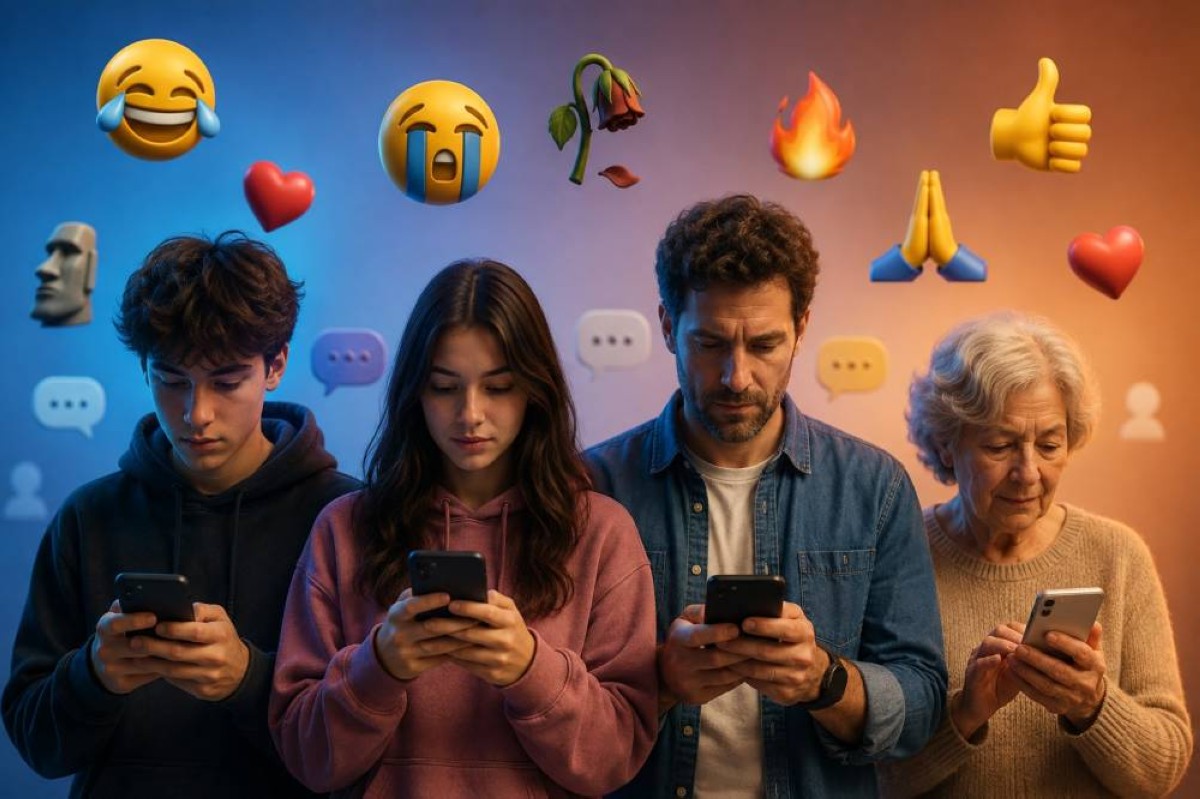
قد تبدو الرموز التعبيرية لغة مشتركة بين الجميع، لكن طريقة استخدامها ليست واحدة بين الأجيال، فالرمز الذي يختاره شخص في الأربعين للتعبير عن الضحك قد يبدو قديماً لمراهق، بينما يستخدم الأصغر سناً رمزاً صُمم أساساً للبكاء ليؤدي الوظيفة نفسها.

وبالاعتماد على أحدث بيانات متاحة من «غوغل»، حللت صحيفة «نيويورك تايمز» أنماط استخدام الرموز التعبيرية عبر لوحة مفاتيح «جي بورد».

ومن أبرز ما تكشفه الأرقام أن عدد الرموز المتاحة يتجاوز 3600 رمز، ومع ذلك استحوذت أكثر 10 رموز استخداماً وحدها على 36% من إجمالي استخدام الرموز التعبيرية في 2025، أي أن المستخدم، رغم امتلاكه آلاف الخيارات، يعود في الواقع إلى مجموعة صغيرة جداً من الوجوه والقلوب والإشارات المتكررة.

وتقول «غوغل» إن رمز الوجه الذي يضحك ودموع الفرح تتدفق من عينيه ظل لسنوات رمز الضحك الأكثر هيمنة، قبل أن يبدأ تراجعه على مدى عدة أعوام ويهبط في الترتيب بحلول 2025.

وفي المقابل، صعدت رموز أكثر مبالغة، من بينها الوجه الذي يبكي بغزارة والوجه الذي يتدحرج ضاحكاً.

وتوضح الشركة أن الاستخدام الحديث للرموز يميل بصورة أكبر إلى المبالغة في التعبير عن المشاعر، بحيث لم يعد رمز البكاء الشديد يعني الحزن وحده، بل يستخدم أيضاً عند الضحك الشديد أو الشعور بالإحراج أو الانهيار من موقف ما.

وهنا يظهر الفارق بين الأجيال، فبحسب تحليل «نيويورك تايمز»، أصبح رمز الوجه الذي يضحك بدموع الفرح أكثر ارتباطاً بالمستخدمين الأكبر سناً مقارنة بالمراهقين والشباب، بينما يميل الأصغر إلى استخدام الوجه الباكي بشدة في كثير من المواقف التي كان الرمز الأول يؤديها سابقاً، ولا يعني ذلك أن كل شخص يستخدم رمزاً معيناً يمكن تحديد عمره بدقة، وإنما تتعلق النتائج باتجاهات عامة تظهر عند مقارنة ملايين الاستخدامات.

كما رصد التحليل اختلافات مشابهة في رموز أخرى، فإشارة الإبهام المرفوع أصبحت أكثر ارتباطاً نسبياً بالمستخدمين الأكبر سناً، بينما يستخدم بعض الشباب اليدين المضمومتين في سياقات كانت تؤدى سابقاً بالإبهام.

كذلك تراجعت شعبية رمز الرقم 100 المسطر تحته في بعض الاستعمالات أمام رمز اللهب، في حين صعدت بين الأصغر سناً رموز مثل الزهرة الذابلة وتمثال مواي الحجري، وهي رموز لا تستخدم دائماً بمعناها الحرفي، بل تدخل في نكات وسياقات داخلية تتشكل على منصات التواصل.

ولا يعني هذا أن الأجيال تتحدث بـ"لغات" مختلفة تماماً، فقد اختبرت دراسة أكاديمية منشورة عام 2025 هذه الفكرة على 394 مشاركاً تراوحت أعمارهم بين 13 و76 عاماً، وشملت العينة 152 شخصاً من الجيل زد بين 13 و24 عاماً، و149 من جيل الألفية بين 25 و40 عاماً، و93 من الجيل إكس ومواليد طفرة المواليد بين 41 و76 عاماً، وطُلب من المشاركين وصف معاني 24 رمزاً للوجوه، إضافة إلى 10 رموز شائعة أخرى، ولم يجد الباحثون دليلاً على أن جيلاً بعينه يتفق داخلياً على معاني الرموز أكثر من غيره.

وتشير أبحاث أخرى إلى أن معاني الرموز نفسها قابلة للتغير مع الزمن، فقد درست أبحاث لغوية استخدام الرموز على مدى عدة سنوات ووجدت أن بعضها يكتسب معاني جديدة أو يتغير سياقه بحسب الزمن والأحداث وطريقة استخدام المجتمعات الرقمية له.

كما أظهرت دراسة تناولت 1289 رمزاً أن الاتفاق الكامل على معنى الرمز من دون سياق أمر نادر، إذ كان 16 رمزاً فقط، أو 1.2% من العينة، غير ملتبس تماماً لدى المشاركين، بينما كانت غالبية الرموز تقع بين الوضوح والغموض.

وتواصل «غوغل» توسيع هذه اللغة البصرية، ففي يوليو 2026 قالت الشركة إنها أعادت تصميم ما يقارب 4000 رمز تعبيري ضمن مجموعة «نوتو ثلاثية الأبعاد»، مشيرة إلى أن الرموز تستخدم اليوم على نطاق يقدر بمليارات الأشخاص وتريليونات المرات.

كما قالت إن بيانات الاستخدام تظهر انتقالاً من رموز أكثر مباشرة إلى تعبيرات أكثر مبالغة، ومن القلب المكسور مثلاً إلى الزهرة الذابلة في بعض سياقات التعبير عن الحزن أو الخيبة.

وهكذا، لا تكشف لوحة الرموز عمر صاحبها بصورة مؤكدة، لكنها تحمل بصمات زمنية واضحة، فالوجوه التي يختارها المستخدم، وطريقة تعبيره عن الضحك أو الحزن أو الموافقة، تتغير كما تتغير الكلمات العامية والملابس والموسيقى.

emojisgenerationsage
الخبر متوفّر باللغات التالية:English
المصدر الأصلي للخبر
البيان

One Emoji Reveals Your Age… How Does the Language of Emojis Differ Between Generations?

August 19, 2026·Al Bayan
One Emoji Reveals Your Age… How Does the Language of Emojis Differ Between Generations?

Emojis may seem like a universal language, but the way they are used varies by generation. The emoji that one 40-year-old chooses to express laughter might seem old-fashioned to a teenager, while younger users opt for an emoji originally designed to convey sadness to serve the same purpose.

Based on the latest available data from Google, the New York Times analyzed patterns of emoji usage across the Gboard keyboard.

The numbers reveal that there are over 3,600 emojis available. However, in 2025, the top 10 most used emojis accounted for a staggering 36% of all emoji usage. This means that despite having thousands of options, users often revert to a very small set of recurring faces, hearts, and symbols.

Google notes that the laughing face with tears of joy has been the dominant laughter emoji for years, but it began to decline over several years and dropped in rank by 2025.

In contrast, more exaggerated emojis have risen in popularity, including the heavily crying face and the rolling on the floor laughing face.

The company explains that modern emoji usage tends to be more exaggerated in expressing emotions. The heavy-crying emoji is no longer solely used for sadness; it's also employed when laughing uncontrollably, feeling embarrassed, or being overwhelmed by a situation.

Here is the difference between generations: According to a New York Times analysis, the smiling face emoji has become more associated with older users compared to teenagers and young people. Meanwhile, younger users tend to use the crying face emoji in many situations that were previously performed by the first emoji. This does not mean that every person uses a specific emoji that can be accurately identified by age; rather, the results relate to general trends that emerge when comparing millions of uses.

The analysis also noted similar differences in other emojis: the raised thumb has become more relatively associated with older users, while some young people use both hands folded in contexts that were previously performed by the thumb.

Similarly, the popularity of the number 100 emoji with a strikethrough has declined in some uses in favor of the flame emoji. Meanwhile, among younger users, emojis such as the wilting flower and the Moai stone statue have risen in popularity. These are not always used in their literal meaning, but rather they enter into jokes and internal contexts that form on social media platforms.

This does not mean that generations speak “languages” that are completely different, a 2025 published academic study tested this idea on 394 participants aged between 13 and 76. The sample included 152 people from Generation Z aged 13 to 24, 149 millennials aged 25 to 40, and 93 Baby Boomers aged 41 to 76. Participants were asked to describe the meanings of 24 emoji symbols, as well as 10 other common symbols. The researchers found no evidence that one generation agreed internally on the meaning of emojis more than others.

Other research suggests that the meanings of emojis themselves are subject to change over time. Linguistic studies have examined the use of emojis over several years and found that some gain new meanings or their context changes over time, depending on events and how digital communities use them.

A study of 1289 emojis also showed that complete agreement on the meaning of an emoji without context is rare. Only 16 symbols, or 1.2% of the sample, were completely unambiguous to participants, while most emojis fell between clear and ambiguous.

Google continues to expand this visual language. In July 2026, the company said it had redesigned nearly 4,000 emojis within its “Noto 3D” collection, noting that emojis are used today by an estimated billions of people and trillions of times.

The usage data also shows a shift from more direct symbols to more exaggerated expressions, such as broken heart to withering flower in some contexts of expressing sadness or disappointment.

Thus, the emoji palette does not reveal its owner’s age conclusively, but it bears clear temporal fingerprints. The faces chosen by users and their way of expressing laughter, sadness, or agreement change as slang words, clothes, and music do.

emojisgenerationsage
This article is also available in:العربية
Original source article
Al Bayan