اختراق غريب.. صوت لوحة المفاتيح تكشف كلمة مرورك
20 أغسطس 2026·البيان
اختراق غريب.. صوت لوحة المفاتيح تكشف كلمة مرورك

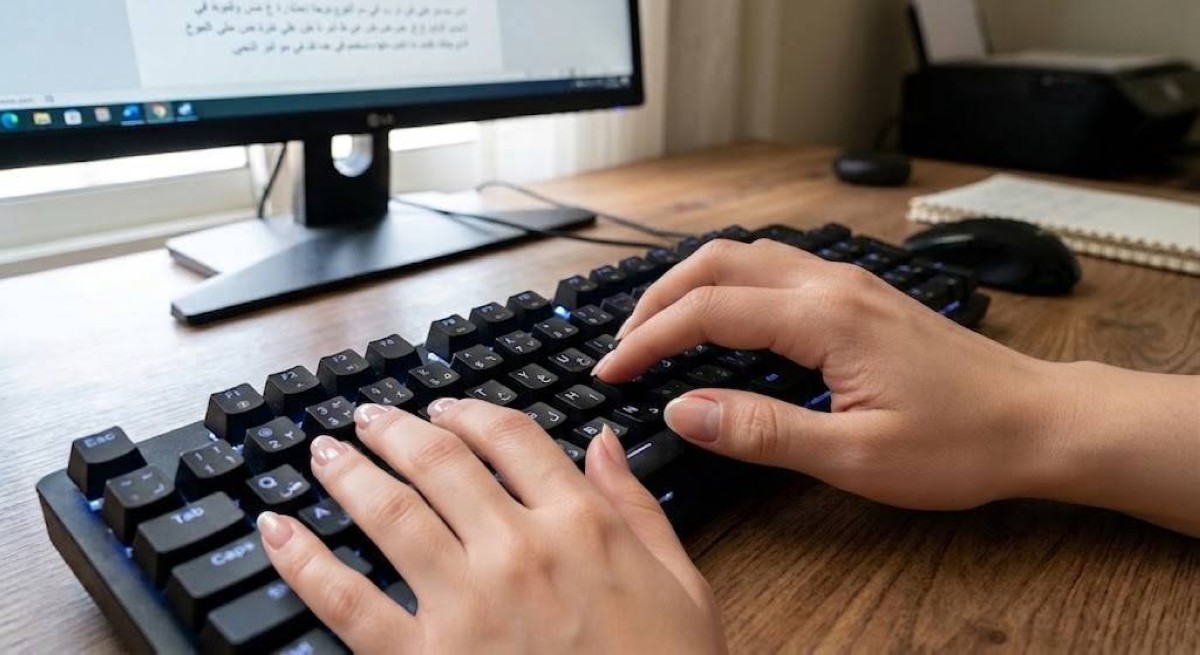
قد لا يحتاج المهاجم إلى اختراق شاشة جهازك أو مراقبة ما تكتبه مباشرة للوصول إلى معلومات حساسة؛ فصوت نقرات لوحة المفاتيح قد يحمل تفاصيل أكثر مما يبدو.

وأظهرت دراسة حديثة إمكانية استخدام تحليل الأصوات الناتجة عن الضغط على المفاتيح للتنبؤ بما يكتبه المستخدم، بما في ذلك كلمات المرور والنصوص الحساسة.

وبحسب تقرير نشره موقع "Tom’s Hardware" التقني، اعتمد باحثون من جامعة أوغوستا الأميركية على تقنية تُعرف باسم الهجوم الجانبي الصوتي، تقوم على تسجيل أصوات الضغط على المفاتيح وتحليل خصائصها الصوتية، ثم محاولة ربط كل نقرة بالمفتاح الذي أحدثها.

وخلال الاختبارات، تمكن النظام من تحديد ضغطات المفاتيح بمعدل نجاح إجمالي بلغ نحو 43%. ولا تعني هذه النسبة إمكانية استخراج كلمة مرور كاملة بمجرد تسجيل صوت لوحة المفاتيح، لكنها تكشف أن الإشارات الصوتية يمكن أن توفر للمهاجم معلومات قابلة للتحليل، خصوصًا عند جمع عدد أكبر من العينات.

لا يحتاج إلى ميكروفون احترافي

ومن أبرز ما يثير القلق في الدراسة أن التجربة لم تقتصر على بيئة مثالية أو أجهزة تسجيل متطورة. فقد اختبر الباحثون الأسلوب في وجود ضوضاء محيطة، ومع أنواع مختلفة من لوحات المفاتيح، وحتى باستخدام ميكروفونات منخفضة الجودة، كما لم يكن نجاح النظام مرتبطًا بطريقة كتابة واحدة.

وهذا يعني أن الميكروفون المدمج في هاتف ذكي أو حاسوب محمول قد يكون، من الناحية النظرية، كافيًا لالتقاط الإشارات المطلوبة إذا توافرت الظروف المناسبة.

كيف يمكن معرفة المفاتيح؟

تبدأ العملية بتسجيل عدد من نقرات لوحة المفاتيح، ثم تحليل خصائص كل صوت، مثل شدته ومدته والفروق الدقيقة بين النقرات. وبعد ذلك، يحاول النظام مطابقة هذه الأنماط مع المفاتيح المحتملة.

ولا يتوقف الأمر عند تحليل الصوت وحده؛ إذ يمكن استخدام القواميس ونماذج اللغة للتنبؤ بالكلمات الأكثر احتمالًا، ما قد يساعد في تضييق نطاق الاحتمالات عندما تكون البيانات الصوتية غير مكتملة.

وتأتي هذه النتائج امتدادا لأبحاث سابقة أثبتت إمكانية استغلال أصوات لوحة المفاتيح في استنتاج المفاتيح المضغوطة، إلا أن الدراسة الجديدة تركز على اختبار الفكرة في ظروف أقرب إلى الاستخدام اليومي، مع اختلاف لوحات المفاتيح ووجود أصوات خلفية.

الخطر يعتمد على الظروف

ومع ذلك، لا يعني ذلك أن أي شخص يمكنه تسجيل بضع ثوانٍ من صوت لوحة المفاتيح وقراءة كلمة مرور الضحية فورًا. ففاعلية الهجوم تتأثر بجودة التسجيل، والمسافة عن الجهاز، ونوع لوحة المفاتيح، وسرعة الكتابة، ومستوى الضوضاء المحيطة.

كما يناقش البحث سيناريوهات يمكن فيها لبرمجيات خبيثة أو أجهزة متصلة بالحاسوب الوصول إلى البيانات الصوتية، ما يفتح مجالًا لاستخدام هذه التقنية ضمن هجمات أكثر تعقيدًا.

ويرى الباحثون أن تقليل الضوضاء الصادرة عن لوحة المفاتيح يمكن أن يحد من الإشارات المتاحة للمهاجم، بينما قد تجعل بعض أنماط الكتابة السريعة والمتغيرة عملية التمييز بين النقرات أكثر صعوبة.

واللافت أن الباحثين يعتزمون في أعمال مستقبلية الاستفادة من نماذج اللغة الكبيرة (LLMs) لرفع دقة التعرف على النصوص. وهو ما يكشف جانبًا غير مألوف من سباق الأمن السيبراني: فالصوت الذي يبدو مجرد ضوضاء عابرة قد يتحول، بمساعدة الذكاء الاصطناعي، إلى مصدر لمعلومات يفترض أن تبقى سرية.

keyloggersecurityhack
الخبر متوفّر باللغات التالية:English
المصدر الأصلي للخبر
البيان

A Strange Hack: Keyboard Sound Reveals Your Password

August 20, 2026·Al Bayan
A Strange Hack: Keyboard Sound Reveals Your Password

An attacker may not need to crack your device’s screen or watch what you type directly in order to access sensitive information; the sound of keyboard clicks can carry more details than it seems.

A recent study showed that analyzing sounds produced by pressing keys could be used to predict what a user is typing, including passwords and sensitive texts.

According to a report published on the Tom’s Hardware website, researchers from the University of Augusta relied on a technique known as side channel attack. This technique involves recording the sounds produced by pressing keys, analyzing their acoustic characteristics, and then attempting to link each click to the key that generated it.

During tests, the system was able to identify keystrokes with an overall success rate of about 43%. This percentage does not mean that a complete password can be extracted once the sound of the keyboard is recorded, but it reveals that acoustic signals can provide attackers with analyzable information, especially when a larger number of samples are collected.

Doesn’t need professional microphone

One of the most concerning aspects of the study is that the experiment was not limited to an ideal environment or advanced recording devices. The researchers tested the method in the presence of ambient noise, with different types of keyboards, and even using low-quality microphones. Moreover, the system’s success was not linked to a specific typing style.

This means that the microphone built into a smartphone or laptop could, in theory, be sufficient to capture the required signals if the right conditions are met.

How can keys be identified?

The process starts with recording a number of keystrokes and then analyzing the characteristics of each sound, such as its intensity, duration, and the nuances between clicks. The system then attempts to match these patterns with potential keys.

It doesn't stop at analyzing the sound alone; dictionaries and language models can be used to predict the most likely words, which may help narrow down possibilities when audio data is incomplete.

These findings build on previous research that demonstrated the potential of using keyboard sounds to deduce pressed keys. However, this new study focuses on testing the idea in conditions closer to everyday use, with varying keyboards and background noise.

The risk depends on the circumstances

However, it doesn't mean that anyone can record a few seconds of keyboard sound and immediately read the victim's password. The effectiveness of the attack is influenced by the quality of the recording, distance from the device, type of keyboard, typing speed, and ambient noise levels.

The research also discusses scenarios where malware or computer-connected devices could access audio data, opening the door to more complex attacks.

Researchers believe that reducing the noise from a keyboard can limit the signals available to an attacker, while certain typing patterns and variations may make it harder to distinguish between clicks.

Interestingly, in future work, researchers plan to leverage large language models (LLMs) to improve text recognition accuracy. This reveals an unfamiliar aspect of the cybersecurity race: a sound that seems like mere background noise could become, with the help of AI, a source of information that should remain confidential.

keyloggersecurityhack
This article is also available in:العربية
Original source article
Al Bayan