الساخنة مقابل الباردة: ما هي درجة الحرارة المثالية لكفاءة الألواح الشمسية؟
24 أغسطس 2026·إنجاجيت
الساخنة مقابل الباردة: ما هي درجة الحرارة المثالية لكفاءة الألواح الشمسية؟

هناك إجابة صحيحة، لكن درجة الحرارة المحيطة ليست سوى متغير من عدة متغيرات.

بقلم حسين برويز 24 أغسطس 2026 11:30 ص EST فنون الأسهم/شاترستوك

ضوء الشمس هو أفضل صديق للخلايا الكهروضوئية. لكن الحرارة ليست كذلك.

الرقم الأكثر شيوعًا الذي ستراه هو 77 درجة فهرنهايت. أي ما يعادل 25 درجة مئوية، وهي درجة حرارة الخلية عندما تقيم الشركات المصنعة الألواح تحت ظروف الاختبار القياسية، إلى جانب الإشعاع البالغ 1000 وات لكل متر مربع. إنه مؤشر جيد، لكنه ليس درجة الحرارة الخارجية السحرية التي يحقق عندها سقف منزلك أقصى إنتاج.

لذلك نعم، الفوز للبرودة تقنيًا. عادة ما تكون كفاءة الخلايا الكهروضوئية أعلى في درجات الحرارة المنخفضة لأن الجهد ينخفض أكثر من زيادة التيار مع ارتفاع درجة الحرارة. المشكلة هي أن الكفاءة وإجمالي إنتاج الكهرباء ليسا نفس الشيء. قد يولد لوح بارد المزيد من الطاقة من نفس كمية ضوء الشمس، لكن يومًا صيفيًا حارًا قد يولد طاقة أكثر لأن هناك المزيد من ضوء الشمس.

لماذا تفقد الألواح الشمسية كفاءتها مع ارتفاع درجات الحرارة
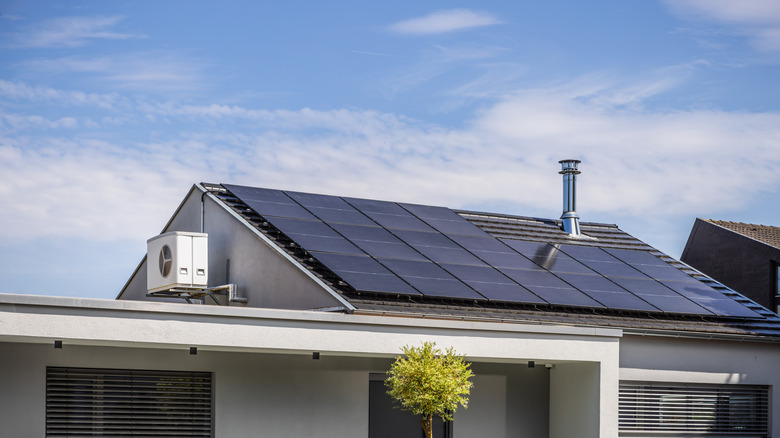
منزل بأسقف مغطاة بألواح شمسية. Brebca/Getty Images

تكمن المشكلة الأولى في أن درجة الحرارة المعروضة على تطبيق الطقس ليست بالضرورة هي درجة حرارة اللوح. يمكن أن تكون درجة حرارة الوحدة المباشرة تحت أشعة الشمس أعلى بكثير من درجة حرارة الهواء المحيط، وتقوم مختبرات سانديا الوطنية، وهي مختبر تابع لوزارة الطاقة الأمريكية، بحساب درجة حرارة الوحدة بناءً على درجة الحرارة المحيطة، وكثافة الإشعاع الشمسي، وسرعة الرياح، وإعدادات التثبيت.

بمجرد أن تتجاوز الخلايا درجة الحرارة المرجعية المحددة لها، يبدأ الإنتاج في الانخفاض وفقًا لمعامل درجة حرارة اللوحة. لا يوجد عقوبة عالمية بنسبة 0.5٪. لدى مجموعة REC، وهي شركة رائدة في تصنيع الألواح الشمسية، معامل أقصى طاقة لدرجة الحرارة بنسبة -0.24٪ لكل درجة مئوية لنموذجها الحالي Alpha Pure-RX، بينما تذكر شركة Qcells المصنعة للألواح الشمسية أن نموذج Q.TRON لديه نطاق تشغيل مستمر يصل إلى 158 درجة فهرنهايت، وفقًا لـ Qcells. وتذكر REC أن درجة حرارة التشغيل T98 للنموذج Alpha Pure-RX تبلغ 176 درجة فهرنهايت. وتقول وزارة الطاقة إن الحرارة الشديدة يمكن أن تضر بالخلايا وغيرها من مواد الوحدة وتقلل من عمرها التشغيلي.

أفضل الطقس للكفاءة ليس الأفضل دائما للإنتاج

الشمس في سماء زرقاء، مما يسبب تأثير انعكاس العدسة. Float/Getty Images

هنا تصبح الإجابة البسيطة الساخن مقابل البارد معقدة. ففي حين أن يوماً مشرقاً بارداً يمكن أن يكون رائعاً لكفاءة الطاقة الشمسية، إلا أن الغيوم والثلوج واتجاه الأسطح وزاوية الشمس وساعات النهار قد تكون أكثر أهمية لكمية الكهرباء التي يمكن لنظامك توليدها.

لذلك، فإن أفضل وقت ليس بالضرورة من الساعة 10 صباحًا إلى 4 مساءً. ترتفع الإنتاجية بشكل عام مع وصول المزيد من أشعة الشمس المباشرة إلى الألواح، ثم تنخفض لاحقًا في اليوم، ولكن مجموعة الألواح التي تواجه الشرق ستختلف عن تلك التي تواجه الغرب. على الرغم من أن الألواح يمكن أن تعمل بدرجة حرارة أعلى في الصيف، إلا أن الأيام الأطول والموارد الشمسية الأقوى غالبًا ما تؤدي إلى إنتاج المزيد من الكهرباء الإجمالية.

هذا أيضًا سبب قيام بعض أصحاب المنازل بحجم نظام شمسي يتجاوز احتياجاتهم المعتادة من الكهرباء. قاعدة 20٪ للألواح الشمسية مبنية على إعطاء النظام الشمسي بعض المساحة عند عدم توفر الظروف المثالية.

يسمح لك حاسوب PVWatts التابع للمختبر الوطني في روكي (المقدر المجاني عبر الإنترنت التابع للمختبر) بإدخال موقع النظام لمعرفة الإنتاج الشهري والسنوي، مما يعطيك إجابة أكثر تحديدًا من "الصيف" أو "وقت الظهيرة". لا يحدد المختبر الوطني في روكي شهرًا أو وقتًا محددًا كأفضل وقت، ويحذر من أن PVWatts لا يمكنه مراعاة جميع التباينات الخاصة بالموقع أو التمييز بين تقنيات الطاقة الشمسية ذات الأداء العالي والمنخفض.

يستند نطاق الإنتاج المتوقع إلى 30 عامًا من بيانات الطقس الفعلية.

solar panelstemperatureefficiency
الخبر متوفّر باللغات التالية:English
المصدر الأصلي للخبر
إنجاجيت

Hot vs cold: What's the ideal temperature for solar panel efficiency?

August 24, 2026·Engadget
Hot vs cold: What's the ideal temperature for solar panel efficiency?

There is a correct answer, but ambient temperature is just one of several variables.

By Husain Parvez Aug. 24, 2026 11:30 am EST Quality Stock Arts/Shutterstock

Sunlight is a solar panel's best friend. But heat, not so much.

The most common number you will see is 77 degrees Fahrenheit. That is 25 degrees Celsius, which is the temperature of the cell when manufacturers rate panels under standard test conditions, alongside irradiance of 1,000 watts per square meter. It's a good indicator, but it's not a magic outdoor temperature at which your roof achieves peak output.

So yeah, cold wins, technically. The efficiency of solar cells is typically higher at lower temperatures because the voltage decreases more than the current increases with temperature. The problem is that efficiency and total electricity production are not the same. A cold panel might generate more power from the same amount of sunlight, but a hot summer day might generate more power because there might be more sunlight.

Why solar panels lose efficiency as they get hotter

A house with a roof covered in solar panels. Brebca/Getty Images

The first wrinkle is that the temperature on your weather app isn't necessarily the temperature of the panel. A module in direct sunlight can be much hotter than the ambient air temperature, and Sandia National Laboratories, a US Department of Energy lab, models module temperature based on ambient temperature, solar irradiance, wind speed and mounting configuration.

As soon as the cells get hotter than their rated reference temperature, output begins to drop according to the panel's temperature coefficient. There isn't one universal 0.5 percent penalty. REC Group, a leading solar panel manufacturer, has a maximum-power temperature coefficient of -0.24 percent per degree Celsius for its current Alpha Pure-RX, while solar manufacturer Qcells lists -0.29 percent per degree Celsius for its residential Q.TRON BLK M-G2+ series. If you live in a place that's really hot, that's something to consider.

Nor is 77 degrees Fahrenheit "too hot" in the sense that the panel is in danger. The Q.TRON model has a continuous operating range of up to 158 degrees Fahrenheit, according to Qcells. REC lists a T98 module operating temperature of 176 degrees Fahrenheit for the Alpha Pure-RX. The Department of Energy says extreme heat can still damage cells and other module materials and shorten their operating lifetimes.

The best weather for efficiency isn't always the best for production

The sun in a blue sky, causing a lens flare effect. Float/Getty Images

This is where the simple hot vs cold answer gets complicated. While a bright, cold day can be great for solar efficiency, clouds, snow, roof orientation, sun angle and daylight hours may be more important to the amount of electricity your system can generate.

So the best time is not necessarily 10AM to 4PM. Output generally rises as more direct sunlight reaches the panels, then falls later in the day, but an east-facing array will be different from a west-facing array. Although panels can run hotter in the summer, the longer days and often stronger solar resources can result in more total electricity being produced.

That's also why some homeowners size a solar system above their typical electricity needs. The 20 percent rule for solar panels is based on giving a solar system some breathing room when conditions aren't ideal.

The National Laboratory of the Rockies' PVWatts calculator (the lab's free online estimator) allows you to input location and system information to estimate monthly and annual production, which gives you a more specific answer than "summer" or "midday." NLR does not specify a single best month or time of day, and it cautions that PVWatts cannot account for all site-specific variations or differentiate between higher- and lower-performing PV technologies.

Its expected production range is based on 30 years of actual weather data.

solar panelstemperatureefficiency
This article is also available in:العربية
Original source article
Engadget