بمشاركة 32 خبيرا.. مسار الذكاء الاصطناعي يبدأ وحداته التدريبية الأولى ضمن برنامج خبراء الإمارات - وكالة وام
3 أغسطس 2026·وكالة أنباء الإمارات
بمشاركة 32 خبيرا.. مسار الذكاء الاصطناعي يبدأ وحداته التدريبية الأولى ضمن برنامج خبراء الإمارات - وكالة وام

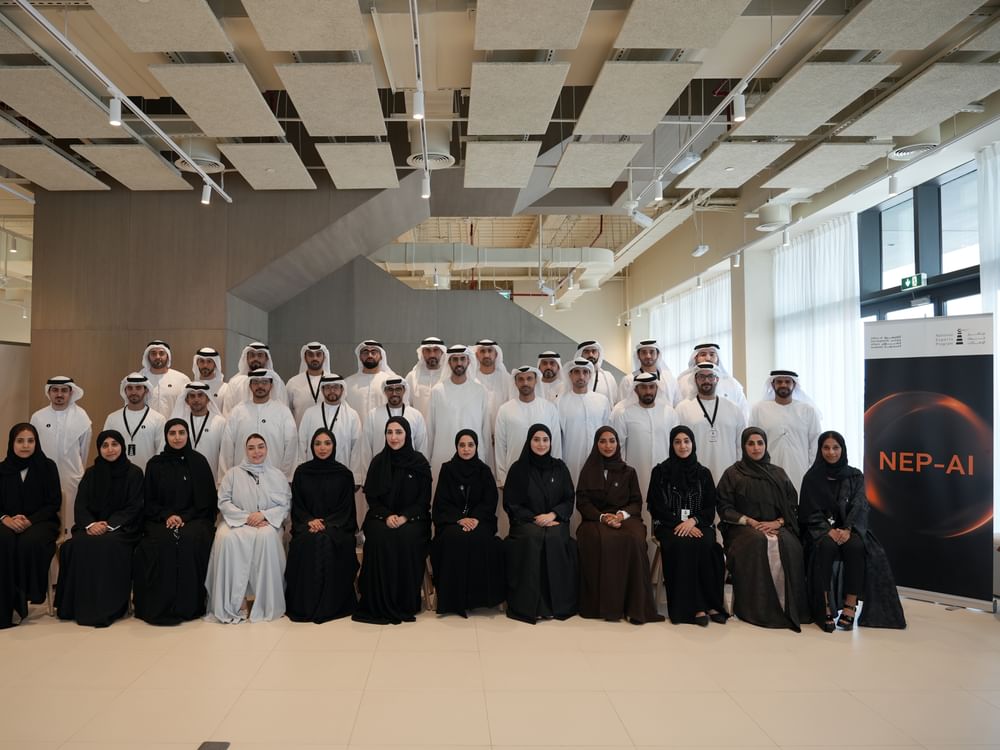
​أبوظبي في 21 يوليو / وام / بدأ مسار الذكاء الاصطناعي وحداته التدريبية الأولى، ضمن برنامج خبراء الإمارات، بحضور معالي عمر سلطان العلماء، وزير دولة للذكاء الاصطناعي والاقتصاد الرقمي وتطبيقات العمل عن بُعد، وسعادة عمران شرف، مساعد وزير الخارجية لشؤون العلوم والتكنولوجيا المتقدمة، وبمشاركة 32 خبيراً إماراتياً، وذلك بهدف تزويدهم بأسس التقنيات والبنية التحتية والبيانات التي تشكل الركائز الرئيسية لمنظومة الذكاء الاصطناعي الحديثة.

وأكد معالي عمر سلطان العلماء، أن دولة الإمارات تواصل الاستثمار في إعداد كفاءات وطنية مؤهلة لقيادة التحولات المستقبلية، انطلاقاً من رؤية وطنية تجعل رأس المال البشري المحرك الرئيس للتقدم المستدام، مشيراً إلى أن التطورات المتسارعة في تقنيات الذكاء الاصطناعي تفرض أولوية إعداد قيادات تجمع بين المعرفة التقنية والرؤية الاستراتيجية، بما يعزز مكانة الإمارات وريادتها العالمية في تطوير وتبني التقنيات المتقدمة.

وقال معاليه إن مسار الذكاء الاصطناعي ضمن برنامج خبراء الإمارات يمثل منصة وطنية لإعداد جيل من الخبراء يمتلك فهماً شاملاً لمنظومة الذكاء الاصطناعي وتطبيقاتها وانعكاساتها على مختلف القطاعات، بما يؤهلهم للإسهام في صياغة السياسات والحلول المبتكرة، وقيادة مشاريع نوعية تعزز تنافسية الدولة وتدعم مسيرة التنمية الوطنية.

وأكد سعادة عمران شرف أن الذكاء الاصطناعي أعاد تعريف أسس النظام العالمي الجديد، حيث لم يعد مجرد جزء من التطور التكنولوجي فحسب بل أصبح ركيزة استراتيجية لتعزيز التنافسية الاقتصادية والمرونة الوطنية والتعاون الدولي والتأثير العالمي.

وقال : يعكس التوجه الاستراتيجي لدولة الإمارات في مجال الذكاء الاصطناعي، المرتكز على دعم وطني وشراكات استراتيجية وطيدة، مكانة الدولة كشريك عالمي رائد في قطاع الذكاء الاصطناعي والابتكار التكنولوجي، وتجسّد دولة الإمارات هذا التوجه من خلال التزامها ببناء مستقبل آمن ومزدهر للشباب وللأجيال القادمة عن طريق تسخير استثماراتها في رأس المال البشري والكفاءات الوطنية.

وفي التفاصيل؛ تركز الوحدة التدريبية الأولى (أساسيات ومجموعة أدوات الذكاء الاصطناعي) على استخدام تطبيقات الذكاء الاصطناعي والتعرف على كيفية إنشاء الأنظمة الذكية ووسائل تدريبها ونشرها وتوسيع نطاقها في بيئات العمل الواقعية، كما سيتم التعرف بشكل رئيسي على القدرات الحاسوبية للذكاء الاصطناعي، مثل القدرة الحاسوبية اللازمة لمعالجة البيانات وتشغيل نماذج الذكاء الاصطناعي، بالإضافة إلى التعرف على المكونات المادية والاقتصادية لهذه المنظومة، بما في ذلك الرقائق الإلكترونية، ووحدات معالجة الرسومات، ومتطلبات الطاقة، وسلاسل التوريد العالمية، وفهم القدرات الفعلية لأنظمة الذكاء الاصطناعي، وتكلفة تشغيلها، والمتطلبات التقنية اللازمة لتطبيقها، إلى جانب القيود التي قد تحد من توظيفها على نطاق واسع.

كما ستتناول الوحدة الأولى البنى التحتية والأنظمة الداعمة للذكاء الاصطناعي، بدءاً من هندسة البيانات وتطوير النماذج ووصولاً إلى التطبيق الواسع داخل المؤسسات؛ فضلاً عن اطّلاع المشاركين على التأثير المباشر لجودة البيانات وسلامة بنيتها ونطاق توافرها وأطر حوكمتها على أداء الذكاء الاصطناعي ونتائجه، وسيقوم المشاركون بزيارات ميدانية إلى معهد الابتكار التكنولوجي (TII) ومختبر جهاز أبوظبي للاستثمار (ADIA Lab) للتعرف عن كثب على كيفية تحويل الأبحاث النظرية المتقدمة في مجال الذكاء الاصطناعي إلى ابتكارات واقعية وتطبيقها للحصول على أثر وطني ملموس.

وبهذه المناسبة، سيسهم مختبر جهاز أبوظبي للاستثمار بمحاضرة متخصصة ضمن البرنامج، يقدمها مدير المختبر، الدكتور هورست سايمن، بمشاركة عدد من علماء المختبر، لمناقشة دور القدرات الحاسوبية بوصفها مورداً استراتيجياً لدفع عجلة الابتكار في الذكاء الاصطناعي، إلى جانب تعريف المشاركين بأبرز أبحاث المختبر وأنشطته وإسهاماته في تطوير هذا المجال.

وخلال الزيارة إلى معهد الابتكار التكنولوجي، ستقود الدكتورة نجوى الأعرج، الرئيس التنفيذي للمعهد، جلسة نقاشية بعنوان "بناء منظومة الذكاء الاصطناعي في دولة الإمارات: من الاستراتيجية الوطنية إلى البنية التحتية على أرض الواقع"، تتناول المقومات الأساسية اللازمة لبناء قدرات وطنية سيادية في مجال الذكاء الاصطناعي.

وسيُطبّق المشاركون هذه الأسس والمعارف التقنية على مشروعهم النهائي، متناولين تحديات تنظيمية ووطنية، وصُمّم كل مشروع لترجمة المعرفة التقنية إلى حلول عملية في مجال الذكاء الاصطناعي ذات أثر ملموس، ودعم طموحات دولة الإمارات العربية المتحدة الأوسع نطاقًا في هذا المجال.

ومن خلال هذه الوحدة، سيُطوّر المشاركون لغة تقنية مشتركة وفهمًا راسخًا لبنية الذكاء الاصطناعي، مما يُرسي الأساس للوحدات اللاحقة في البرنامج حول القيادة والاستراتيجية والابتكار.

ذكاء اصطناعيخبراءإمارات
الخبر متوفّر باللغات التالية:English
المصدر الأصلي للخبر
وكالة أنباء الإمارات

With the participation of 32 experts, the Artificial Intelligence Pathway starts its first training units within the UAE Experts Program - WAM

August 03, 2026·WAM
With the participation of 32 experts, the Artificial Intelligence Pathway starts its first training units within the UAE Experts Program - WAM

Abu Dhabi, July 21 (WAM) - The Artificial Intelligence Pathway started its first training units within the Emirates Experts Program, in the presence of His Excellency Omar Sultan Al Olama, Minister of State for Artificial Intelligence and Digital Economy and Remote Work Applications, and H.E. Imran Sharaf, Assistant Foreign Minister for Advanced Science and Technology, with the participation of 32 Emirati experts, aiming to provide them with the foundations of technologies, infrastructure, and data that form the main pillars of modern artificial intelligence systems.

His Excellency Omar Sultan Al Olama affirmed that the UAE continues to invest in preparing qualified national competencies to lead future transformations, based on a national vision that makes human capital the primary driver of sustainable progress, noting that the rapid developments in artificial intelligence technologies make it imperative to prepare leaders who combine technical knowledge with strategic vision, which enhances the status and global leadership of the UAE in developing and adopting advanced technologies.

He said that the Artificial Intelligence Pathway within the Emirates Experts Program represents a national platform for preparing a generation of experts who have a comprehensive understanding of the artificial intelligence system and its applications and implications on various sectors, enabling them to contribute to shaping innovative policies and solutions, and leading quality projects that enhance the country's competitiveness and support the national development process.

H.E. Imran Sharaf affirmed that artificial intelligence has redefined the foundations of the new global order, as it is no longer just a part of technological development but has become a strategic pillar for enhancing economic competitiveness, national resilience, international cooperation, and global influence.

He said: The strategic direction of the United Arab Emirates in artificial intelligence, based on national support and strong strategic partnerships, reflects the country’s status as a leading global partner in the field of artificial intelligence and technological innovation. The UAE embodies this approach through its commitment to building a secure and prosperous future for young people and future generations by investing in human capital and national competencies.

In detail; the first training unit (Artificial Intelligence Basics and Toolkit) focuses on using AI applications and understanding how to create intelligent systems, train them, deploy them, and scale them in real-world work environments. The main focus will be on artificial intelligence computing capabilities, such as the computational power required to process data and run AI models, as well as understanding the physical and economic components of this system, including electronic chips, graphics processing units, energy requirements, global supply chains, and grasping the actual capabilities of AI systems, their operational costs, and the technical requirements for implementing them, along with the limitations that may restrict their widespread adoption.

The first module will also cover the infrastructure and systems supporting AI, from data engineering to model development and its wide application within institutions. Participants will learn about how the quality, integrity, availability, and governance frameworks of data directly impact AI performance and outcomes. They will visit the Technology Innovation Institute (TII) and the Abu Dhabi Investment Authority (ADIA Lab) to see firsthand how advanced theoretical research in AI is being transformed into practical innovations with a tangible national impact.

On this occasion, ADIA Lab will contribute a specialized lecture as part of the program, presented by its director, Dr. Horst Simon, along with several lab scientists. The discussion will focus on the role of computational capabilities as a strategic resource for driving innovation in AI and introducing participants to the lab’s key research, activities, and contributions to this field.

During their visit to TII, Dr. Najwa Al-Araj, CEO of the institute, will lead a panel discussion titled "Building the AI Ecosystem in the UAE: From National Strategy to Real Infrastructure." The session will address the fundamental requirements for building sovereign national capabilities in the field of artificial intelligence.

Participants will apply these foundations and technical knowledge to their final project, addressing organizational and national challenges. Each project is designed to translate technical expertise into practical AI solutions with tangible impact, supporting the broader ambitions of the UAE in this field.

Through this module, participants will develop a common technical language and a solid understanding of AI architecture, laying the foundation for subsequent modules in the program on leadership, strategy, and innovation.

ذكاء اصطناعيخبراءإمارات
This article is also available in:العربية
Original source article
WAM