تقنيات الجينوم والذكاء الاصطناعي تقود تحولاً في رعاية الأمراض النادرة - وكالة وام
4 سبتمبر 2026·وكالة أنباء الإمارات
تقنيات الجينوم والذكاء الاصطناعي تقود تحولاً في رعاية الأمراض النادرة - وكالة وام

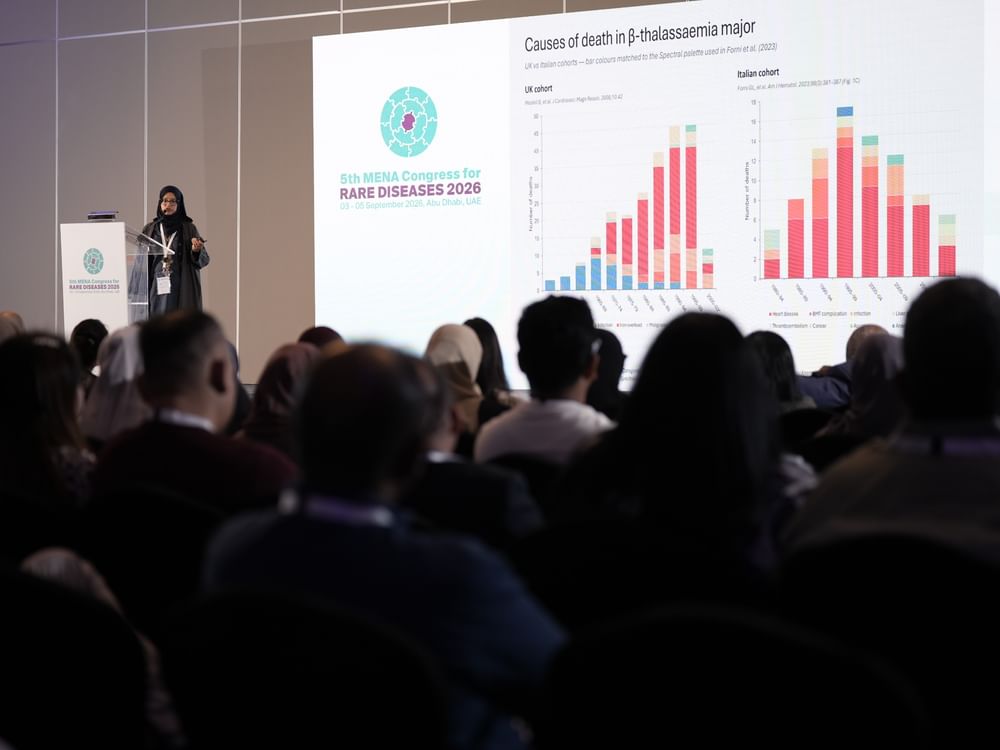
أبوظبي في 4 سبتمبر/ وام / سلط المشاركون الدوليون في اليوم الثاني من أعمال مؤتمر الشرق الأوسط وشمال أفريقيا الخامس للأمراض النادرة 2026، المنعقد في أبوظبي، الضوء على الدور المتنامي لعلم الجينوم والذكاء الاصطناعي في تطوير أساليب تشخيص الأمراض النادرة وعلاجاتها، بما يعزز فرص الوصول إلى تشخيص أسرع وأكثر دقة، ويدعم تطوير الطب الدقيق.

وناقش المشاركون من الإمارات والبرازيل وفرنسا وبريطانيا وقطر والبحرين مستقبل تنظيم علاجات الخلايا والجينات، والحبل السري كمنصة للابتكار العلاجي، إلى جانب تجربة دولة الإمارات في مجال جينوم الأمراض النادرة.

وأكد البروفيسور أيمن الحطاب، استشاري أمراض الجينات والوراثة، مدير مركز الجينات والأمراض النادرة في مدينة برجيل الطبية، ورئيس المؤتمر، خلال كلمته، أن الفعاليات المتخصصة في الأمراض النادرة والوراثية تسهم في تطوير أساليب رعاية المرضى والارتقاء بمستوى الخدمات الصحية، مشيراً إلى أن المؤتمر يهدف إلى نشر المعرفة بهذه الأمراض بين مقدمي الرعاية الصحية، والمساهمة في الوصول إلى تشخيص أسرع وأكثر دقة، والتعريف بأحدث العلاجات، فضلاً عن تعزيز التواصل بين الأطباء والباحثين ودعم الأبحاث في هذا المجال.

وأوضح أن "برنامج الجينوم الإماراتي" يؤدي دوراً مهماً في دولة الإمارات، مشيراً إلى أنه أسهم بشكل كبير في توسيع نطاق الفحوصات الجينية وتعزيز القدرة على الوصول إلى التشخيص في وقت أسرع، بما يدعم جهود الكشف المبكر عن الأمراض الوراثية والنادرة.

وأضاف أن مؤسسة الإمارات للدواء تبذل جهوداً كبيرة لتوفير العلاجات الحديثة، بما فيها العلاجات الجينية والإنزيمية، في دولة الإمارات وبأسرع وقت ممكن، بما يعزز قدرة الدولة على الاستفادة من أحدث التطورات العلاجية والتقنيات الطبية، ويعكس ريادتها في تبني الابتكارات الحديثة في مجال الأمراض النادرة.

وتناولت جلسة "الذكاء الاصطناعي والبحث والابتكار في مجال الأمراض النادرة"، التي جمعت نخبة من الخبراء الإقليميين والدوليين، سبل توظيف التكامل بين علم الجينوم والذكاء الاصطناعي لتسريع اكتشاف الأمراض النادرة وتشخيصها، والاستفادة من البيانات الجينية في فهم مسببات الأمراض وتطوير حلول علاجية أكثر دقة، فضلاً عن دور الذكاء الاصطناعي في سد الفجوات البحثية وتوسيع فرص الوصول إلى التجارب السريرية.

واستعرضت الجلسة أحدث التطورات في اكتشاف وتشخيص الأمراض النادرة، ودور الذكاء الاصطناعي والجينوميات في تسريع البحث العلمي وتحسين الوصول إلى التجارب السريرية، إلى جانب التطورات في الطب الدقيق وتطوير الأدوية المبتكرة في منطقة الشرق الأوسط وشمال أفريقيا.

وشملت الجلسة كذلك أحدث تقنيات تحرير الجينات، ومنها CRISPR-Cas9 وPrime Editing وBase Editing، فضلاً عن مفاهيم بحثية ناشئة تتعلق بالتغيرات فوق الجينية التي تقودها الميكروبات، والآليات الخلوية المعقدة المرتبطة بالاضطرابات أحادية الجين.

واختتم البرنامج بعرض ثلاثة أبحاث حائزة على جوائز، تناولت نماذج من الأبحاث الانتقالية والسريرية في مجالات مرض هنتنغتون، وضمور العضلات الدوشيني، ومرض بومبي متأخر الظهور، بما يعكس تنامي الابتكار العلمي والبحثي في مجال الأمراض النادرة، ودوره في رسم ملامح مستقبل الرعاية والتشخيص والعلاج.

genomicsAIrare_diseases
الخبر متوفّر باللغات التالية:English
المصدر الأصلي للخبر
وكالة أنباء الإمارات

Genomics and artificial intelligence technologies drive a transformation in the care of rare diseases – WAM

September 04, 2026·WAM
Genomics and artificial intelligence technologies drive a transformation in the care of rare diseases – WAM

Abu Dhabi, September 4 (WAM) - On the second day of the fifth Middle East and North Africa Rare Diseases Conference 2026, held in Abu Dhabi, international participants highlighted the growing role of genomics and artificial intelligence in developing methods for diagnosing and treating rare diseases, which enhances opportunities to achieve faster and more accurate diagnoses, and supports the development of precision medicine.

Participants from the UAE, Brazil, France, Britain, Qatar, and Bahrain discussed the future regulation of cell and gene therapies, the umbilical cord as a platform for therapeutic innovation, and the experience of the UAE in the field of rare disease genomics.

Professor Ayman Al-Hattab, consultant in genetic diseases and genetics, director of the Center for Genes and Rare Diseases at Burjeel Medical City, and conference chairman, emphasized during his speech that specialized events on rare and genetic diseases contribute to developing patient care methods and improving healthcare services. He noted that the conference aims to spread knowledge about these diseases among healthcare providers, contribute to achieving faster and more accurate diagnoses, introduce the latest treatments, strengthen communication between doctors and researchers, and support research in this field.

He explained that the UAE Genome Program plays an important role in the country. He noted that it has significantly contributed to expanding the scope of genetic testing and enhancing access to faster diagnoses, which supports efforts to detect genetic and rare diseases early on.

He added that the Emirates Institution for Advanced Medicine is making great efforts to provide modern treatments, including genetic and enzymatic treatments, in the United Arab Emirates as soon as possible, which enhances the country’s ability to benefit from the latest therapeutic developments and medical technologies, and reflects its leadership in adopting modern innovations in the field of rare diseases.

The session on “Artificial Intelligence and Research and Innovation in the Field of Rare Diseases”, which brought together a select group of regional and international experts, discussed ways to use the integration between genomics and artificial intelligence to accelerate the discovery and diagnosis of rare diseases, and benefit from genetic data to understand disease causes and develop more accurate therapeutic solutions, as well as the role of artificial intelligence in filling research gaps and expanding access to clinical trials.

The session reviewed the latest developments in the detection and diagnosis of rare diseases, and the role of artificial intelligence and genomics in accelerating scientific research and improving access to clinical trials, along with advancements in precision medicine and the development of innovative drugs in the Middle East and North Africa.

The session also covered the latest gene editing technologies, including CRISPR-Cas9, Prime Editing, and Base Editing, as well as emerging research concepts related to transgenomic changes driven by microorganisms, and complex cellular mechanisms associated with single-gene disorders.

The program concluded with the presentation of three award-winning research studies, covering models of transitional and clinical research in the fields of Huntington's disease, Duchenne muscular dystrophy, and late-onset Pompe disease, reflecting the growing scientific and research innovation in the field of rare diseases and its role in shaping the future of care, diagnosis, and treatment.

genomicsAIrare_diseases
This article is also available in:العربية
Original source article
WAM