مات قبل 5300 عام.. نسخة رقمية مذهلة من «رجل الجليد»
10 سبتمبر 2026·البيان
مات قبل 5300 عام.. نسخة رقمية مذهلة من «رجل الجليد»

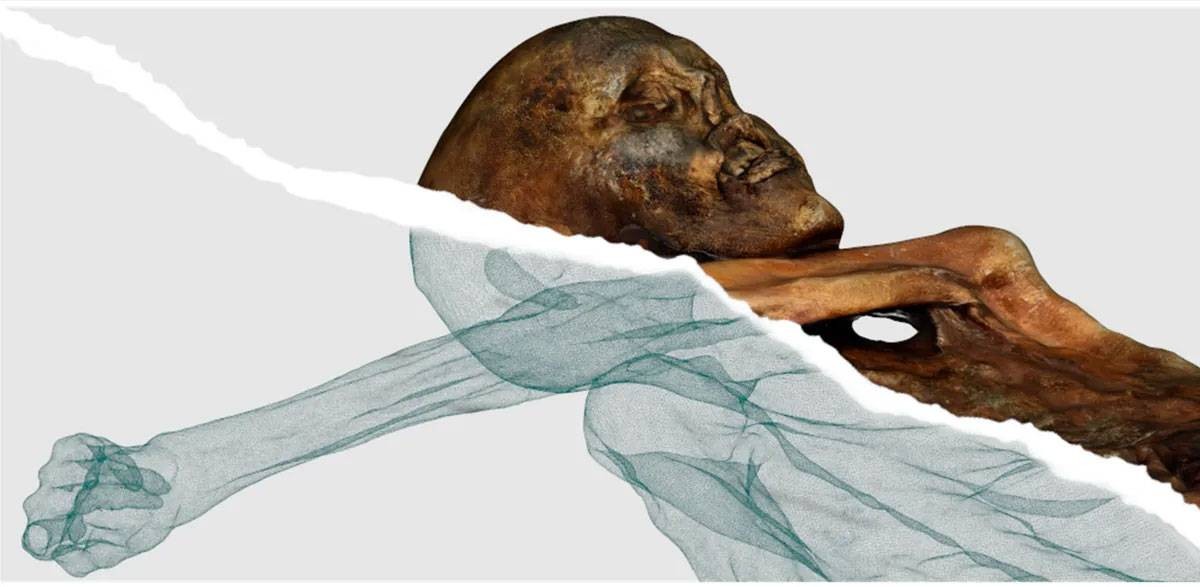
قبل نحو 5300 عام، لقي «أوتزي» رجل الجليد حتفه في جبال الألب، لكن جسده المحفوظ في الجليد لا يزال يكشف للعلماء تفاصيل مذهلة عن حياة البشر في العصر النحاسي. والآن، حصلت هذه المومياء الشهيرة على «توأم رقمي» ثلاثي الأبعاد يمكن للباحثين فحصه دون الحاجة إلى التعامل المتكرر مع الجسد الأصلي الهش.

وعُثر على أوتزي عام 1991 قرب الحدود الحالية بين النمسا وإيطاليا، ومنذ ذلك الحين أصبح مصدرًا مهمًا للمعلومات عن حياة الإنسان في أوروبا خلال العصر النحاسي. وكشفت الدراسات أنه عانى من مشكلات صحية وطفيليات والتهاب المفاصل، كما كانت لديه إصابات سابقة، قبل أن يُقتل بسهم أصابه في كتفه.

ولإنشاء التوأم الرقمي، استخدم الباحثون 1294 صورة عالية الدقة لجسد أوتزي، ودمجوها مع بيانات الأشعة المقطعية لكامل الجسم التي أُجريت له في مستشفى بولزانو عام 2021. والنتيجة نموذج ثلاثي الأبعاد فائق الدقة يسمح بفحص أجزاء من جسده من الداخل والخارج، وصولًا إلى مستوى أقل من مليمتر.

ولا يقتصر المشروع على مومياء أوتزي نفسها، إذ جرى أيضًا تصوير عدد من متعلقاته، من بينها قبعة مصنوعة من جلد الدب، وعباءة من الفرو، وحزام، وفأس ورؤوس سهام. وكانت العملية أكثر تعقيدًا بسبب اختلاف المواد التي صُنعت منها هذه القطع، مثل الجلد والفرو والخشب والصوان والنحاس، إذ تتعامل تقنيات التصوير مع انعكاس الضوء على كل مادة بطريقة مختلفة، وفقا لموقع "iflscience.".

ويهدف التوأم الرقمي إلى حماية المومياء ومقتنياتها من التعامل المتكرر، مع إتاحة بياناتها للباحثين حول العالم. كما يمكن أن يصبح النموذج مستقبلًا تطبيقًا عبر الإنترنت يسمح للمستخدمين بفحص أوتزي افتراضيًا من زوايا مختلفة، في تجربة تجمع بين الحفاظ على الآثار والبحث العلمي.

ونُشرت الدراسة التي تصف المشروع في مجلة Heritage، حيث يرى الباحثون أن دمج البيانات الخارجية والداخلية في نموذج ثلاثي الأبعاد واحد يوفر أداة جديدة للبحث الأثري والجنائي والحفاظ على المومياء.

ماذا تعرف عن «رجل الجليد»؟

«أوتزي» هو اسم أطلقه العلماء على مومياء رجل من العصر النحاسي عُثر عليها عام 1991 في جبال الألب، قرب الحدود بين إيطاليا والنمسا. وتشير الدراسات إلى أنه عاش قبل نحو 5300 عام، وكان عمره عند وفاته نحو 45 عامًا، وهو عمر متقدم نسبيًا بالنسبة إلى تلك الفترة.

لماذا سُمّي «أوتزي»؟

الاسم مشتق من وادي أوتزال (Ötztal) في جبال الألب، وهي المنطقة التي عُثر فيها على المومياء. لذلك «أوتزي» ليس اسمه الحقيقي؛ فلا يعرف اسمه الأصلي، وإنما هو اسم حديث أُطلق عليه نسبةً إلى مكان اكتشافه.

أما جنسيته لا يمكن وصفه بأنه إيطالي أو نمساوي بالمعنى الحديث؛ لأنه عاش قبل آلاف السنين، أي قبل ظهور الدول والجنسيات الحالية. لكن مكان العثور عليه يقع اليوم في إيطاليا، وتحديدًا في جنوب تيرول، قرب الحدود مع النمسا.

كان أوتزي يبلغ طوله نحو 160 سنتيمترًا، ويزن قرابة 50 كيلوغرامًا، وكان يرتدي ملابس مصنوعة من جلود الحيوانات وألياف نباتية، كما عُثر معه على مجموعة من الأدوات والأسلحة، من بينها فأس نحاسية وقوس وسهام وسكين.

وأظهرت الفحوص العلمية أن جسده يحمل آثارًا لعدد من المشكلات الصحية، منها تصلب الشرايين وتآكل المفاصل، كما كشفت تحاليل محتويات معدته عن تفاصيل تتعلق بما تناوله قبل وفاته. وعثر العلماء أيضًا على وشوم موزعة على أجزاء مختلفة من جسده، ويُعتقد أن بعضها ربما ارتبط بممارسات علاجية أو طبية.

لكن أكثر الاكتشافات إثارة كان سبب وفاته؛ فقد أظهرت التحاليل أنه تعرض لسهم اخترق كتفه، ما تسبب في إصابة قاتلة، كما كانت لديه جروح أخرى تشير إلى أنه خاض مواجهة قبل موته بوقت قصير.

وبفضل حالة حفظه الاستثنائية، أصبح أوتزي واحدًا من أهم الاكتشافات الأثرية التي ساعدت العلماء على فهم حياة الإنسان في أوروبا قبل آلاف السنين.

رجل الجليدtechnicجثة
الخبر متوفّر باللغات التالية:English
المصدر الأصلي للخبر
البيان

He died 5,300 years ago... Amazing digital copy of the "Ice Man"

September 10, 2026·Al Bayan
He died 5,300 years ago... Amazing digital copy of the "Ice Man"

About 5,300 years ago, Ötzi the Iceman met his death in the Alps, but his body preserved in ice is still revealing amazing details about human life during the Copper Age. Now, this famous mummy has a three-dimensional digital “twin” that researchers can examine without repeatedly handling the fragile original body.

Ötzi was found near the current border between Austria and Italy in 1991, and since then he’s been an important source of information about human life in Europe during the Copper Age. Studies have revealed that he suffered from health problems, parasites, and arthritis, as well as previous injuries, before being killed by an arrow to his shoulder.

To create the digital twin, researchers used 1,294 high-resolution images of Ötzi’s body, which they combined with whole-body CT scan data from 2021 at the Hospital of Bolzano. The result is an ultra-high resolution three-dimensional model that allows examination of parts of his body both inside and out to a level of less than one millimeter.

The project isn’t limited to Ötzi himself, however; several of his belongings were also photographed, including a bearskin hat, a fur cloak, a belt, an axe, and arrowheads. The process was more complicated because the materials used for these items—such as leather, fur, wood, flint, and copper—all reflect light differently, according to iflscience.

The digital twin aims to protect the mummy and its belongings from repeated handling, while making its data available to researchers around the world. It could also become an online application that allows users to examine Otzi virtually from different angles, in an experience that combines preservation of artifacts with scientific research.

The study describing the project was published in Heritage magazine, where the researchers believe that integrating external and internal data into a single 3D model provides a new tool for archaeological, forensic, and mummy conservation research.

What do you know about “the Ice Man”?

Otzi is the name given by scientists to a Copper Age mummy found in 1991 in the Alps near the border between Italy and Austria. Studies indicate that he lived around 5,300 years ago, was approximately 45 years old at the time of his death, and was relatively advanced in age for that period.

Why is “Otzi” called that?

The name derives from Ötztal Valley in the Alps, the region where the mummy was found. Therefore, Otzi is not his real name; we do not know his original name, but it is a modern name given to him based on the location of his discovery.

As for his nationality, he cannot be described as Italian or Austrian in the modern sense because he lived thousands of years ago, before the emergence of current nations and nationalities. However, the place where he was found is now in Italy, specifically in South Tyrol near the border with Austria.

Ötzi was about 160 centimeters tall and weighed nearly 50 kilograms. He wore clothes made of animal skins and plant fibers, and a variety of tools and weapons were found with him, including a copper axe, a bow and arrows, and a knife.

Scientific examinations showed that his body bore traces of several health problems, including arteriosclerosis and joint wear. Analysis of the contents of his stomach revealed details about what he had eaten before his death. Scientists also found tattoos distributed on different parts of his body, some of which are believed to be related to therapeutic or medical practices.

But the most exciting discovery was the cause of his death. Analyses showed that he was hit by an arrow that pierced his shoulder, causing a fatal injury. He also had other wounds suggesting that he had been in a struggle shortly before his death.

Thanks to its exceptional state of preservation, Ötzi has become one of the most important archaeological discoveries, helping scientists understand human life in Europe thousands of years ago.

رجل الجليدtechnicجثة
This article is also available in:العربية
Original source article
Al Bayan