زهور لا وجود لها في سوق بـ7.15 مليارات دولار
15 يوليو 2026·البيان
زهور لا وجود لها في سوق بـ7.15 مليارات دولار

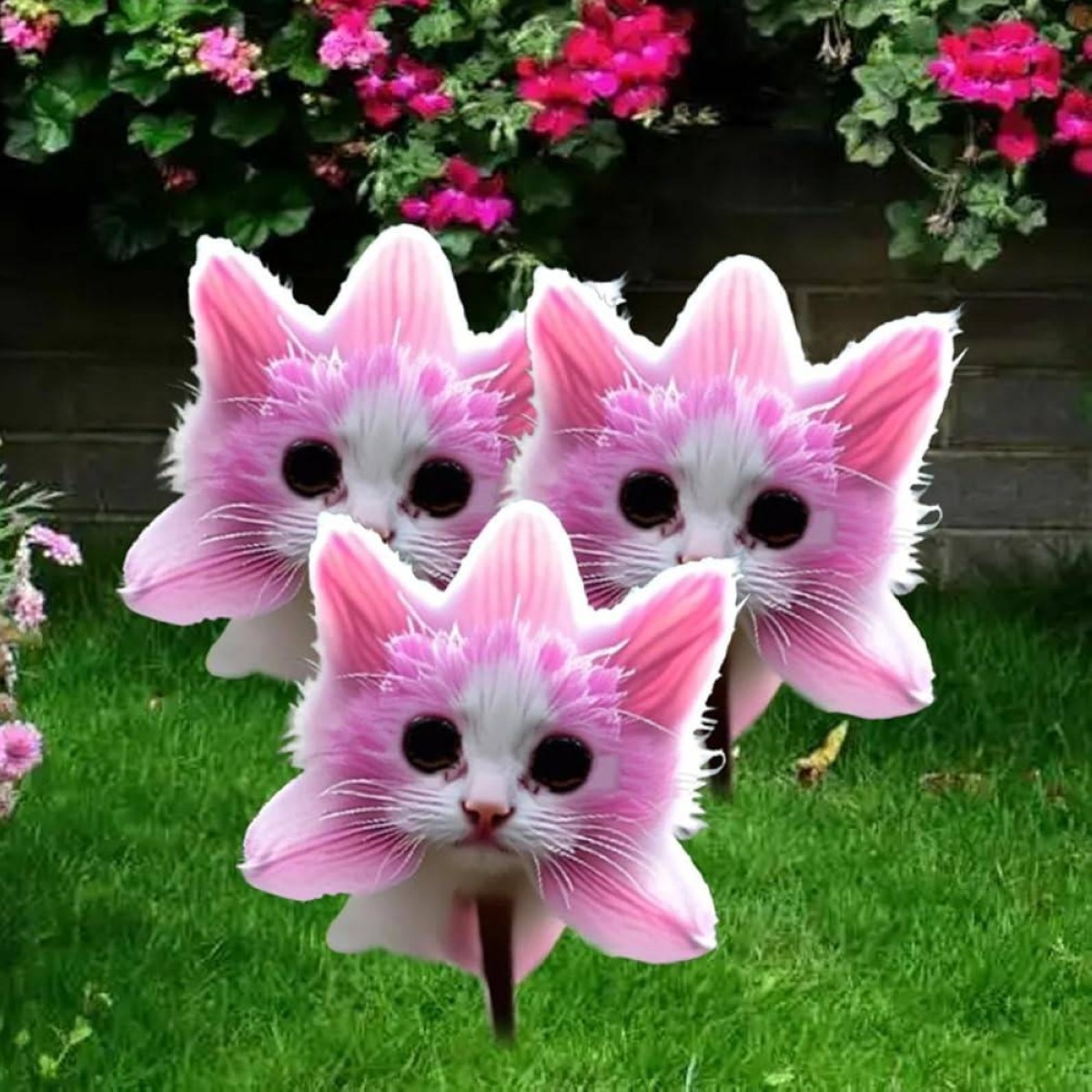
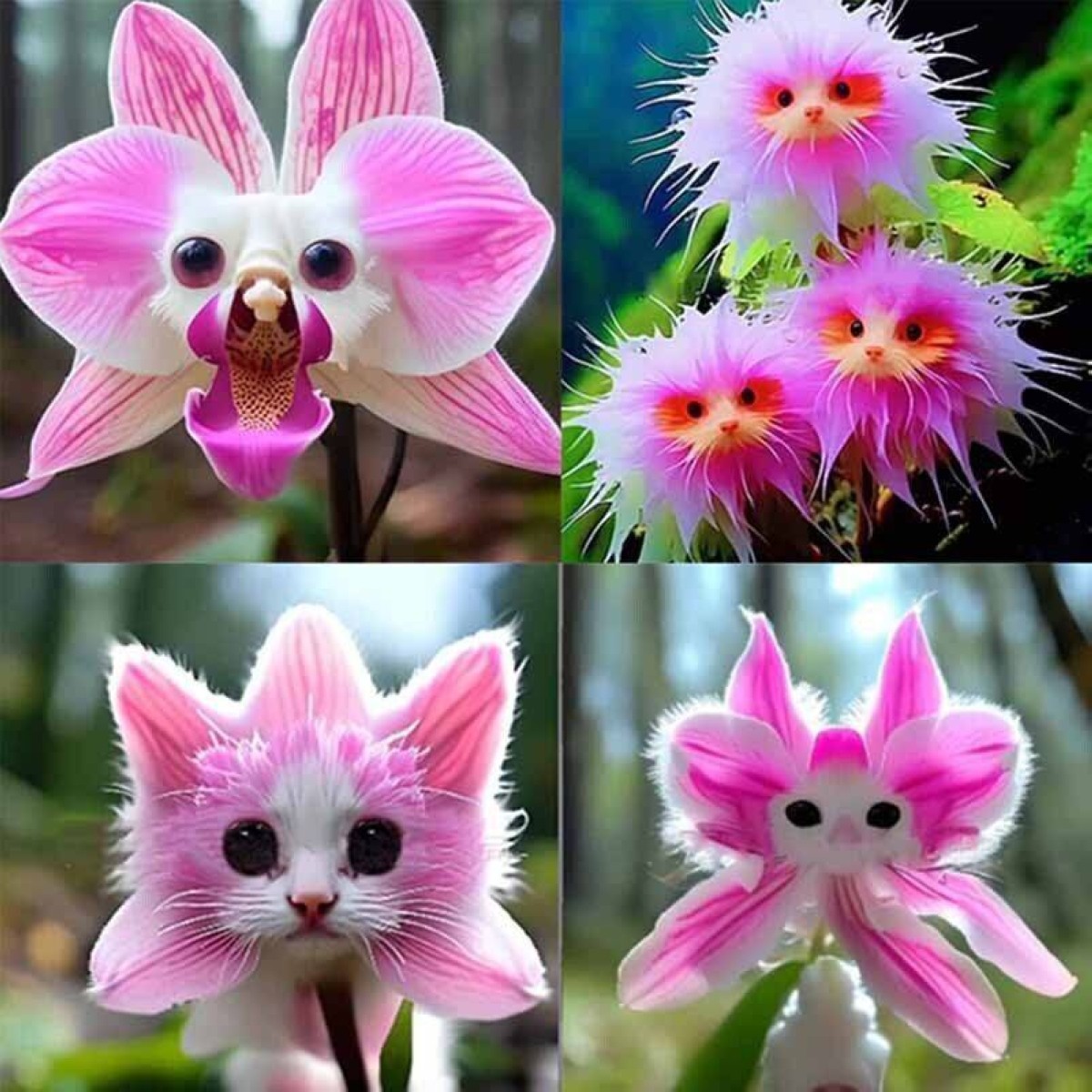
على منصات التسوق، تظهر صور أزهار تبدو كأنها خرجت من حلم: دوار شمس بألوان قوس قزح، أوركيد على هيئة وجه قطة، أوراق تتفتح كالفراشات، ونباتات بألوان لا يعرفها عالم النبات. الصورة جميلة، والسعر غالبًا صغير، لكن المشكلة أن الزهرة نفسها غير موجودة.

بحسب تقرير «404 ميديا»، يستخدم محتالون صوراً مولدة بالذكاء الاصطناعي لبيع بذور نباتات خيالية على منصات مثل «إيباي» و«أمازون» و«إتسي». الخدعة ليست جديدة تماماً، فبيع البذور المزيفة سبق أدوات الذكاء الاصطناعي، لكن الجديد أن إنتاج مئات الصور المدهشة صار أسهل وأسرع وأرخص، حتى تحولت الزهرة المستحيلة إلى إعلان قابل للبيع خلال دقائق.

خدعة بطيئة

الاحتيال في البذور يختلف عن غيره، فحين يشتري الإنسان هاتفاً مزيفاً أو حذاءً رديئاً، قد يكتشف الخدعة سريعاً، أما في حالة البذور، فهي تحتاج إلى وقت. يزرعها المشتري، يسقيها، ينتظر أياماً وربما أسابيع، ثم يبدأ في لوم نفسه ويتساءل إذا أخطأ في التربة، أو قلل من الضوء، أو حتى بالغ في الري، وحين يدرك أن المشكلة ليست في الزراعة بل في الوعد، تكون نافذة الإرجاع قد أُغلقت غالباً، ويكون البائع قد انتقل إلى ضحية أخرى.

سوق واسع

تأتي هذه الحيلة داخل سوق ضخم. تشير «غراند فيو ريسيرش» إلى أن سوق بذور الحدائق عالمياً بلغ نحو 7.15 مليارات دولار في 2024، ومن المتوقع أن يصل إلى 11.38 مليار دولار بحلول 2033، بمعدل نمو سنوي 5.4%. كما تقدر «ستاتيستا» أن تجارة الحدائق والعشب عبر الإنترنت حققت إيرادات عالمية بنحو 80.9 مليار دولار في 2024.

هذه الأرقام لا تعني أن كل السوق ملوث بالاحتيال، لكنها تشرح لماذا تجذب البذور والنباتات المحتالين: جمهور واسع، شراء عاطفي، وأسعار منخفضة نسبيًا تجعل كثيرين لا يلاحقون الشكوى.

وفي خلفية أوسع، تكشف أرقام «لجنة التجارة الفيدرالية» في الولايات المتحدة أن المستهلكين أبلغوا عن خسائر احتيال تجاوزت 12.5 مليار دولار في 2024، بزيادة 2.5 مليار دولار عن العام السابق. الاحتيال إذن لم يعد هامشًا صغيرًا في الاقتصاد الرقمي، بل صناعة قائمة، والذكاء الاصطناعي يمنحها أدوات أسرع.

صور تصدق

المشكلة أن العين اعتادت تصديق الصورة. لسنوات طويلة، كانت الصورة دليلًا على وجود الشيء. أما الآن، فيستطيع المحتال أن يكتب وصفاً قصيراً لأداة توليد صور، فيحصل على زهرة مثالية، وكل ما تحتاجه الصورة هو أن تكون جذابة بصرياً، وليس صحيحة علمياً، وحين تُضاف إليها كلمات مثل «نادرة»، «عضوية»، «استوائية»، «محدودة الكمية»، يصبح الخيال منتجاً هنا يبيع لحظة اندهاش.

وقد حذرت «مالويربايتس»، المنصة الرائدة لأخبار الأمن السيبراني، من أمثلة مثل «أوركيد وجه القطة»، وهي صور تبدو لطيفة ومثيرة، لكنها لا تمثل نباتاً حقيقياً. وذكرت «سايبرنيوز»، موقع أخبار التكنولوجيا، أن بعض هذه الخدع لا تقف عند خسارة ثمن البذور، بل قد تمتد إلى متاجر وروابط مشبوهة تعرض بيانات الدفع وكلمات المرور للخطر.

خطر نباتي

قد يبدو الأمر طريفاً: شخص اشترى بذور زهرة تشبه القطة، فاكتشف أنها لا تنبت. لكن الخطر لا يقف عند المال، فالبذور مجهولة المصدر قد تحمل آفات أو أمراضاً نباتية، أو قد تكون أنواعاً غازية تضر بالبيئة إذا زُرعت بلا فحص.

وتحذر «وزارة الزراعة الأمريكية» من أن البذور والنباتات المستوردة عبر التجارة الإلكترونية قد لا تستوفي شروط الاستيراد، وقد تحتوي على آفات أو أمراض تضر بالزراعة والموارد الطبيعية. كما توصي إرشادات «جامعة ولاية بنسلفانيا» بعدم التعامل مع البذور الغامضة باستخفاف، لأن الجهات المختصة تفحصها لتحديد الأنواع وتقييم مخاطر الآفات أو الأمراض أو الصفات الغازية.

وليست كل بذرة على الإنترنت بداية حياة، بعضها مجرد كيس صغير، يزرع في التربة خيبة، وفي الشاشة زهرة لا تموت لأنها لم تولد أصلاً.

flowersmarketshopping
الخبر متوفّر باللغات التالية:English
المصدر الأصلي للخبر
البيان

Flowers that do not exist in a $7.15 billion market

July 15, 2026·Al Bayan
Flowers that do not exist in a $7.15 billion market

On shopping platforms, images of flowers appear that look as if they have come out of a dream: sunflowers in rainbow colors, orchids shaped like cat faces, leaves unfolding like butterflies, and plants with colors unknown to the plant world. The image is beautiful, and the price is often small, but the problem is that the flower itself does not exist.

According to a report by “404 Media,” fraudsters use AI-generated images to sell seeds of imaginary plants on platforms such as eBay, Amazon, and Etsy. The trick isn’t entirely new; selling fake seeds predates AI tools, but what is new is that producing hundreds of stunning images has become easier, faster, and cheaper, turning the impossible flower into a saleable advertisement within minutes.

A slow trick

Seed fraud differs from other types of fraud. When someone buys a fake phone or a poor-quality shoe, they may discover the scam quickly. However, in the case of seeds, it takes time. The buyer plants them, waters them, waits for days and weeks, then begins to blame themselves if they used the wrong soil, didn’t get enough light, or even overwatered. By the time they realize that the problem is not with the planting but with the promise, the return window has often closed, and the seller has moved on to another victim.

A wide market

This trick is taking place in a huge market. Grand View Research indicates that the global garden seed market was around $7.15 billion in 2024 and is expected to reach $11.38 billion by 2033, with an annual growth rate of 5.4%. Statista estimates that online gardening and lawn trade achieved a global revenue of about $80.9 billion in 2024.

These figures do not mean that the entire market is fraudulent, but they explain why seeds and plants attract fraudsters: a large audience, emotional purchases, and relatively low prices make many people reluctant to file complaints.

In a broader context, numbers from the U.S. Federal Trade Commission reveal that consumers reported losses due to fraud exceeding $12.5 billion in 2024, an increase of $2.5 billion over the previous year. Fraud is no longer a small margin in the digital economy; it’s an established industry, and artificial intelligence gives it faster tools.

Images that are believed

The problem is that the eye has become accustomed to believing the image. For many years, the image was proof of the existence of something. Now, a fraudster can write a short description for an image generation tool and get a perfect flower; all it needs is to be visually appealing, not scientifically accurate. When words like "rare," "organic," "tropical," or "limited edition" are added, imagination becomes a product that sells a moment of wonder.

Malwarebytes, the leading platform for cybersecurity news, has warned of examples such as “Orchid Cat Face”, images that look cute and exciting but do not represent a real plant. Cybernews, a technology news site, reported that some of these tricks don’t just stop at losing the cost of seeds; they can extend to suspicious stores and links that put payment data and passwords at risk.

A Plant Threat

It may seem funny: a person buys seeds for a flower resembling a cat, only to discover that it does not grow. But the danger is not just financial; these unknown-source seeds can carry pests or plant diseases, and they could be invasive species that harm the environment if planted without inspection.

The US Department of Agriculture warns that seeds and plants imported through e-commerce may not meet import requirements and could contain pests or diseases that damage agriculture and natural resources. The guidelines from Pennsylvania State University advise against taking unknown seeds lightly, as they are inspected by authorities to determine the species and assess the risks of pests, diseases, or invasive traits.

Not every seed online is a beginning; some are just small bags that grow in soil filled with disappointment, and on the screen, a flower never dies because it was never born.

flowersmarketshopping
This article is also available in:العربية
Original source article
Al Bayan