لماذا أسعار ذاكرة الوصول العشوائي (RAM) مرتفعة للغاية حاليًا؟
15 أغسطس 2026·إنجاجيت
لماذا أسعار ذاكرة الوصول العشوائي (RAM) مرتفعة للغاية حاليًا؟

متى يعودون إلى الانخفاض مرة أخرى؟

بقلم دانيال كوبر 15 أغسطس 2026، 2:30 مساءً بتوقيت EST دانيال كوبر لموقع Engadget

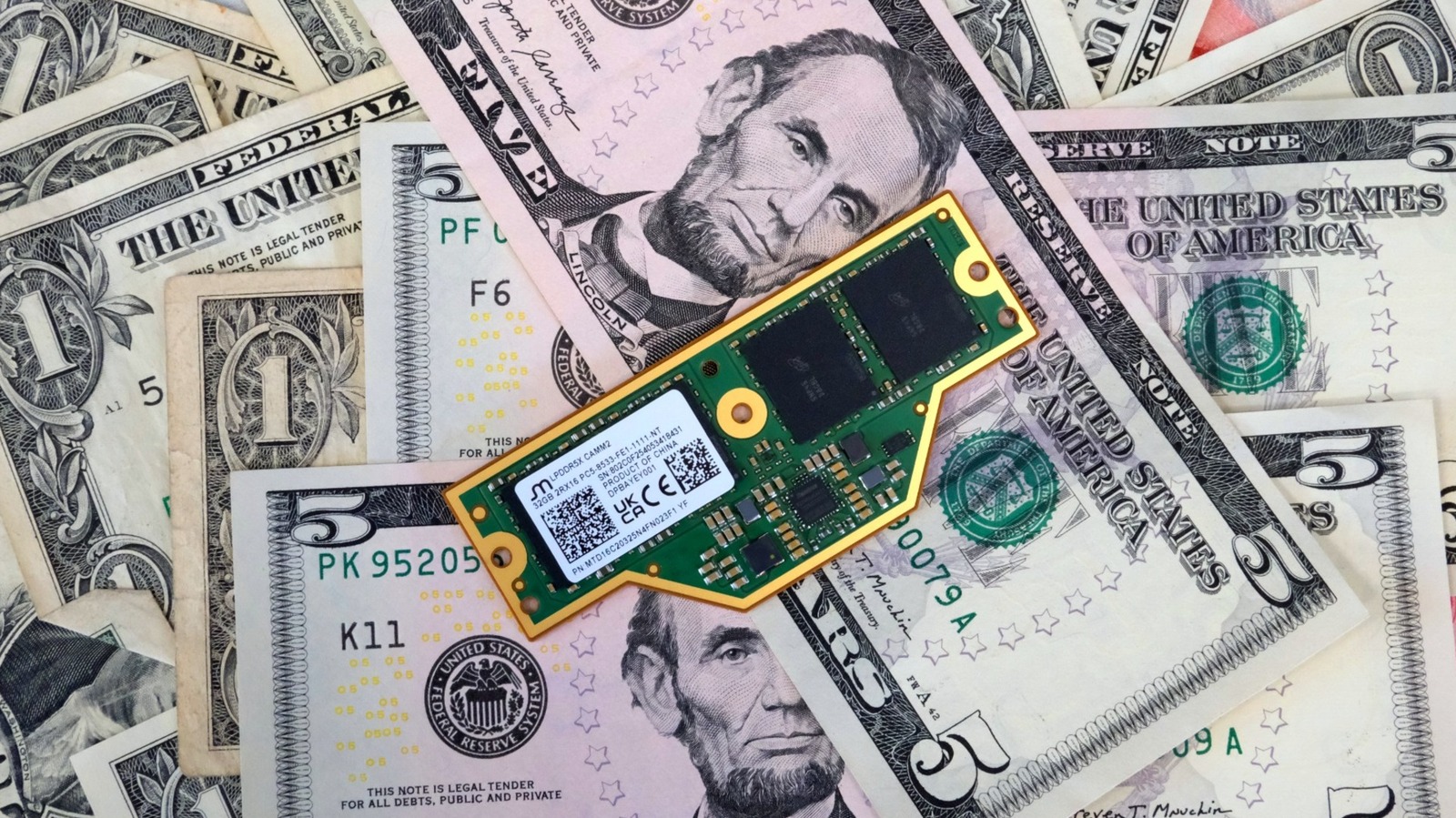
في الأشهر الـ 18 الماضية، ارتفع سعر ذاكرة الوصول العشوائي (RAM) بشكل كبير، ومن المتوقع أن يستمر في الارتفاع لبقية العام. بالنسبة لشئ أصبح أرخص بشكل مستمر منذ الستينيات، فإن الارتفاع المفاجئ الآن هو أمر غير مسبوق على الإطلاق. هناك سبب وراء تسمية الجميع لهذا بالكارثة، لأن ما كان سلعة رخيصة أصبح الآن سلعة فاخرة. هذا هو السبب في أنك مضطر لدفع المزيد مقابل كل هاتف جديد، أو جهاز كمبيوتر شخصي، أو جهاز لوحي من الآن وحتى فترة طويلة قادمة.

ما هو الرام؟

الرام، أو ذاكرة الوصول العشوائي، هي مكون أساسي في كل حاسوب، مما يمكّنه من قراءة البيانات وتنفيذها بفعالية. لكي يعمل المعالج المركزي (CPU) لديك، يحتاج إلى إمداد مستمر بالمعلومات التي يعالجها، والتي يتم تخزينها على محرك الأقراص الصلبة الخاص به. ولكن مهما كانت سرعة محرك الأقراص الصلبة الخاص بك، فلن تكون سريعة بما يكفي لتغذية البيانات للمعالج بسرعة كافية لأداء وظيفته بشكل صحيح. يجلس الرام بين الاثنين، حيث يقوم بسحب الملفات من التخزين وإبقائها جاهزة ليقوم المعالج المركزي بوظيفته. كلما زاد الرام لديك، زادت كمية البيانات التي يمكن أن تجلس، متشابكة مثل الربيع الجاهز للقفز للعمل. إذا كان جهاز الكمبيوتر الخاص بك بطيئًا، فهذه هي السبب في أنه غالبًا ما يكون من الأفضل الاستثمار في المزيد من الرام بدلاً من معالج أسرع - أو على الأقل، كان الأمر كذلك قبل أن تبدأ كل هذه الأمور.

من أين يأتي الرام؟

هناك ثلاث شركات في الأساس تصنع معظم الرام في العالم: سامسونج، و SK Hynix وميكرون. تعمل كل واحدة منها على مصانع تصنيع قيمتها مليارات الدولارات، وتنفذ أنواعًا من الهندسة الدقيقة التي يعتقد حتى علماء الصواريخ أنها صعبة. الرام هو المصطلح العام للتكنولوجيا، وباستثناء بعض الاستخدامات المحددة للغاية مثل مخازن المعالج المركزي، فإن ما ستجده في الإلكترونيات الاستهلاكية هو DRAM. يأتي DRAM في العديد من النكهات، بما في ذلك DDR (معدل بيانات مزدوج) لأجهزة الكمبيوتر الشخصية و LPDDR (DDR منخفضة الطاقة) للأجهزة المحمولة.

لكن هناك نوع آخر من ذاكرة الوصول العشوائي يُدعى HBM (ذاكرة النطاق الترددي المرتفع)، وهو مصمم لبيئات الحوسبة عالية المستوى. HBM أكثر تقدماً، وأسرع بكثير من ذاكرة DDR القياسية، ويحتوي على ذاكرة أكبر بكثير مما تجده في عصا DRAM القياسية. تُعد مزايا السرعة والسعة التي يتمتع بها HBM مثالية للأعباء الثقيلة، وهذا هو السبب في وجوده في مراكز البيانات واستخدامه في تدريب الذكاء الاصطناعي.

من الجدير بالذكر أنه على الرغم من عدم إمكانية الاستبدال بين DRAM و HBM، إلا أنهما مصنوعان من نفس المكونات. تُعد رقائق السيليكون نفسها أساس كلتا نوعي ذاكرة الوصول العشوائي، ولكنها مُجمّعة بطرق مختلفة تماماً اعتماداً على حالة الاستخدام. للأسف، يتطلب HBM الكثير من تلك الموارد. في عام 2024، أخبر سانجاي مهروترا، الرئيس التنفيذي لشركة مايكرون، المستثمرين أن كل وحدة من HBM "تستهلك حوالي ثلاثة أضعاف إمدادات الرقاقة" كما هو الحال مع ذاكرة DDR5 RAM على مستوى المستهلك. وفي الوقت الحالي، هذه هي مشكلة الصفر: بالنسبة لكل قطعة HBM في العالم، يتم أخذ الأجزاء والقدرة التي يمكن أن تنتج ثلاث وحدات من DRAM.

كم ارتفعت أسعار ذاكرة الوصول العشوائي (RAM)؟

تضم قاعدة بيانات المنتجات PCPartPicker مخططات لتتبع أسعار ذاكرة الوصول العشوائي (RAM) على مدار الأشهر الـ 18 الماضية، وهي مشاهدة محبطة. ارتفع سعر زوج من العصي 16 جيجابايت DDR5-4800 من أقل من 100 دولار في بداية عام 2025 إلى أكثر من 400 دولار اليوم. حاليًا، ارتفعت ذاكرة الوصول العشوائي (RAM) عالية الجودة 32 جيجابايت DDR5-6000، والتي كانت أقل قليلاً من 250 دولارًا، إلى أكثر من 1200 دولار - وهو ما يعادل سعر جهاز MacBook Air بأكمله.

لماذا أسعار ذاكرة الوصول العشوائي (RAM) مرتفعة حاليًا؟

الإجابة المختصرة هي: الذكاء الاصطناعي.

الإجابة المتوسطة هي: قامت شركات الذكاء الاصطناعي، المليئة بالمال من المستثمرين، بشراء معظم إمدادات ذاكرة الوصول العشوائي (RAM) في العالم.

الإجابة الطويلة هي أنه على مدار العقدين الماضيين أو نحو ذلك، كان سوق ذاكرة الوصول العشوائي (RAM) العالمي متوقعًا إلى حد كبير. قد نرغب في المزيد من ذاكرة الوصول العشوائي (RAM) في أجهزتنا مع مرور الوقت، ولكن الحجم الإجمالي لوحدات ذاكرة الوصول العشوائي المطلوبة كل عام كان مستقرًا إلى حد ما. تعرف الصناعة على عدد الهواتف وأجهزة الكمبيوتر التي سيقوم الناس بشرائها كل عام، كما يعرفون كيف تبدو دورات التحديث. بشكل عام، يتم الإعلان عن التغييرات الدرامية مسبقًا: عندما تقوم شركة مايكروسوفت، على سبيل المثال، بإطلاق نظام تشغيل جديد مع متطلبات نظام أعلى، يمتلك مصنعو أجهزة الكمبيوتر الوقت الكافي لطلب إمدادات إضافية. حتى مع ظهور أشياء مثل مراكز بيانات السحابة، تمكنت الصناعة من استيعاب الطلب بشكل جيد.

اقنعت شركات الذكاء الاصطناعي الطبقة السياسية و المستثمرين على حد سواء بأن منتجاتها ضرورة وجودية. تعمل الشركات مثل OpenAI وفقًا لخطة حربية، حيث تم تخصيص مليارات الدولارات لها مع طلب إنفاق المزيد من الأموال مقارنة بمنافسيها لتطوير أكبر قدر ممكن من قوة الحوسبة. وقد استخدموا الكثير من هذه السخاء لشراء سعة تخزين أجهزة كاملة من المصانع تكفي لسنوات. وادعت DigiTimes أن سعة ذاكرة الوصول العشوائي (RAM) لعام 2027 من كل مصنع قد بيعت بالفعل.

لفهم مدى تأثير فقاعة الذكاء الاصطناعي على بقية الصناعة، قد يكون من المفيد النظر في تأثير مركز بيانات واحد فقط. وفقًا لشركة البنية التحتية Introl، يحتوي موقع xAI Colossus في ممفيس على 555,000 وحدة معالجة رسومية (GPU) من NVIDIA بقيمة 18 مليار دولار لتدريب الذكاء الاصطناعي لإيلون ماسك. ويزعم أن كولوسوس مجهز بما يلي:

نموذج وحدة المعالجة الرسومية (GPU)

الكمية

سعة ذاكرة الوصول العشوائي (RAM) القصوى المخصصة

NVIDIA Grace Blackwell 200

520,000

192 جيجابايت

NVIDIA Grace Blackwell 300

30,000

288 جيجابايت

NVIDIA H100 / H200 Tensor Core

30,000

80 جيجابايت / 94 جيجابايت (H100)

141 جيجابايت (H200)

من المرجح أن xAI، مثل منافسيها، زودت خوادمها بكمية كبيرة من ذاكرة الوصول العشوائي (RAM) التي تمكنت من الحصول عليها. إذا كان الأمر كذلك، فإن هذه المنشأة وحدها قد تستخدم ما يصل إلى 112,005,000 جيجابايت من ذاكرة الوصول العشوائي. وعلى الرغم من أن ذاكرة الوصول العشوائي في هذه المرافق لا يمكن استخدامها في الأجهزة الاستهلاكية، إلا أنها تستخدم نفس الموارد. إذا سمحتم لي بالمقارنة غير الدقيقة ولكنها توضيحية، فإن كمية ذاكرة الوصول العشوائي هذه تعادل ذاكرة الوصول العشوائي في 14,000,625 هاتف iPhone 17 أو 9,333,750 جهاز Galaxy S26. ووفقاً لتقرير نشرته بلومبرج في مارس، هناك 831 موقعاً من هذه المواقع قيد الإنشاء حالياً.

للحصول على مزيد من الأدلة على أن الوضع سيصبح أسوأ، راجعوا الصفقة التي وقعتها OpenAI مع AMD في أكتوبر 2025. تعهد الطرفان ببناء 6 جيجاوات من مراكز بيانات الذكاء الاصطناعي، حيث تستخدم أول منشأة بقدرة 1 جيجاوات وحدات معالجة الرسومات (GPUs) من نوع Instinct MI450 من AMD. ولوحدة معالجة الرسومات هذه سعة ذاكرة وصول عشوائي قصوى تبلغ 432 جيجابايت. وإذا استخدمنا القاعدة العامة التي تنص على أن حوالي 450,000 وحدة معالجة رسومات توفر حوالي 1 جيجاوات من القدرة، فإن هذا المشروع وحده قد يستخدم ما يصل إلى 194,400,000 جيجابايت من ذاكرة الوصول العشوائي (أو حوالي 24.3 مليون جهاز iPhone 17). وهذا فقط لستة أجزاء من الصفقة الإجمالية.

When is the price of RAM going to come back down?

These days, nobody knows, and the price of RAM could sink dramatically if the AI bubble bursts ahead of schedule. If that doesn't happen, then the best people to ask are those who actually make the stuff, and they don't think it'll be quick. In an interview with Reuters, SK Hynix CEO Kwak Noh-jung says things are going to get worse in 2027. (If the DigiTimes report is accurate, then every piece of RAM may already be accounted for.) He also expects that demand will continue to outstrip supply beyond 2030. Speaking to investors in June, Micron CEO Sanjay Mehrotra said he expects to see "tight conditions to persist beyond calendar 2027 [2028]" High-minded finance types feel the same, and Deloitte says we shouldn't see any relief from the crisis until 2030 at the very earliest.

لماذا لا تكتفي شركات ميكرون وسامسونج وسكي هينيكس بصنع المزيد من ذاكرة الوصول العشوائي (RAM)؟

تفخر شركات الذكاء الاصطناعي بأنها قادرة على تشغيل مركز بيانات في غضون أشهر، لكن بناء مصنع جديد لذاكرة الوصول العشوائي ليس بالأمر البسيط. فهو مكلف ويستغرق وقتًا طويلاً، ويتطلب الكثير من الأدوات الدقيقة والتدريب والمعدات. إليكم مثال: يضم مرفق ميكرون في بويز بولاية آيداهو غرفة نظيفة من الفئة الأولى، والتي لا تحتوي على أكثر من جزيء واحد من الغبار في قدم مكعب من الهواء. يتطلب إنشاء مرفق جديد لذاكرة الوصول العشوائي مليارات الدولارات وسنوات من التطوير، لذلك لا تتوقع أن يقوم أي شخص بتركيب خط إنتاج جديد في مستودع ما.

ثم هناك حقيقة أقل ملاءمة وهي أن ميكرون، وسامسونج، وسكاي هينيكس ليست في عجلة من أمرها لرؤية نهاية هذه الأزمة. إن ذاكرة HBM أكثر ربحية بكثير من ذاكرة DRAM، وستدفع شركات الذكاء الاصطناعي العملاقة الثمن الكامل لتأمين ما هو متاح من الإمدادات المحدودة. في نهاية عام 2025، أغلقت ميكرون شركة Crucial، وهي شركة ذاكرة وصول عشوائي (RAM) موجهة للمستهلكين لمتابعة أموال HBM. قال نائب الرئيس التنفيذي لميكرون سوميت سادانا في ذلك الوقت: "لقد اتخذت ميكرون القرار الصعب بالخروج من أعمال Crucial الموجهة للمستهلكين من أجل تحسين الإمدادات ودعم عملائنا الاستراتيجيين الأكبر في القطاعات الأسرع نموًا".

ولكن، يعمل ذلك لصالحهم: في يونيو/حزيران، أعلنت ميكرون عن دخل ربع سنوي قدره 28.86 مليار دولار هوامش إجمالية بنسبة 84.9٪. وفي يوليو/تموز، أبلغت شركة SK Hynix عن إيرادات "سجلت رقماً قياسياً"، مع زيادة صافي الربح التشغيلي بنسبة 557٪ مقارنة بالعام السابق. وأبلغت سامسونج أيضًا عن "رقم قياسي" لكل من الإيرادات والأرباح في قسم الذاكرة. وفقًا لصحيفة وول ستريت، تواصلت ميكرون مع البيت الأبيض مباشرة، وأصرت على تدخل الحكومة الأمريكية لمنع عملائها من الحصول على رقائق ذاكرة الوصول العشوائي (RAM) من أماكن أخرى.

هل أشتري ذاكرة الوصول العشوائي (RAM) الآن أم أنتظر؟

أنا من رأيي أنه لا ينبغي لأحد أن يشتري أي شيء بسبب الذعر، لأنك إذا فعلت ذلك، فستخلق (أو ستتفاقم) الأزمة التي تحاول تجنبها. لكن أربع سنوات فترة طويلة للانتظار، خاصة إذا استمرت الأسعار في الارتفاع لسنوات قليلة قادمة. يمكنني بسهولة تخيل أن الناس ستلوم نفسها لعدم شرائها ذاكرة الوصول العشوائي (RAM) الآن، عندما تكون أكثر ب500 مرة من عام 2028، عندما قد تكون أغلى بـ1500 مرة.

إذا كان لديك سبب حقيقي لشراء ذاكرة الوصول العشوائي (RAM) الآن وتتوقع أن تستمر الحاجة إليها للسنوات الأربع القادمة، فاستفد من الفرصة. وإلا، فأنا أحثك على الصبر والتعامل مع ما لديك أو الأمل في ظهور بعض ذاكرة الوصول العشوائي المستعملة في السوق للمساعدة في تخفيف الضغط. لسوء الحظ، لا يمكنك الاعتماد على وجود بدائل بخلاف تحمل التكاليف الباهظة الآن أو التحلي بالصبر والأمل في عودة أسعار ذاكرة الوصول العشوائي (RAM) إلى مستوياتها الطبيعية بشكل أسرع من المتوقع. فقط لا تشتري ذاكرة الوصول العشوائي (RAM) على أمل إعادة بيعها، لأن ذلك غير لائق.

RAMpricesmemory
الخبر متوفّر باللغات التالية:English
المصدر الأصلي للخبر
إنجاجيت

Why are RAM prices so high right now?

August 15, 2026·Engadget
Why are RAM prices so high right now?

And when will they come back down again?

By Daniel Cooper Aug. 15, 2026 2:30 pm EST Daniel Cooper for Engadget

In the last 18 months, the price of RAM has skyrocketed, and is expected to continue rising for the rest of the year. For something that's gotten cheaper pretty consistently since the '60s, the dramatic spike now is all the more unprecedented. There's a reason everyone's calling this the RAMpocalypse, because what used to be a cheap commodity has become a luxury item. It's why you're left having to pay more for every new phone, PC and tablet from now and for a long while to come.

What is RAM?

RAM, or Random Access Memory, is a crucial component of every computer, enabling it to read and execute data effectively. In order to work, your CPU needs a steady supply of information to process, information which is stored on its hard drive. But no matter how fast your hard drive is, it's still not going to be fast enough to feed data to the CPU quickly enough for it to do its job properly. RAM sits between the two, pulling files from storage and holding them ready for the CPU to do its job. The more RAM you have, the more data can sit, coiled like a spring ready to leap into action. If your PC is sluggish, this is why it's often better to invest in more RAM than a faster processor — or at least, it was before all of this kicked off.

Where does RAM come from?

There are essentially three companies making the majority of the world's RAM: Samsung, SK Hynix and Micron. Each one operates manufacturing plants worth billions of dollars, executing the sorts of precision engineering that even rocket scientists think is tough. RAM is the catch-all term for the technology, and aside from some hyper-specific uses like CPU caches, DRAM is what you'll find in consumer electronics. DRAM comes in many flavors, including DDR (Double Data Rate) for PCs and Low Power DDR (LPDDR) for mobile devices.

But there's another type of RAM called HBM (High Bandwidth Memory), which is designed for high end computing environments. HBM is more advanced, a lot faster than standard DDR and packs in far more memory than you'd find on a standard stick of DRAM. The speed and capacity advantages HBM has makes it ideal for intensive workloads, which is why it's found in data centers and used for AI training.

It's worth understanding that while DRAM and HBM aren't interchangeable, they are made from the same components. The same silicon wafers underpin both forms of RAM, but they're assembled in a very different way depending on the use case. Sadly, HBM requires a lot more of those resources. In 2024, Micron CEO Sanjay Mehrotra told investors that each unit of HBM "consumes approximately three times the wafer supply" as consumer-level DDR5 RAM. And for now, this is a zero-sum problem: For every single piece of HBM in the world, it's taken the parts and capacity that could have produced three DRAM modules.

How much has RAM gone up in price?

Product database PCPartPicker has graphs tracking the prices of RAM over the last 18 months, and they make for sobering viewing. The price for a pair of 16GB DDR5-4800 sticks went from under $100 at the start of 2025 to more than $400 today. Right now, 32GB of high-end DDR5-6000, which was just under $250, has now risen to more than $1,200 — equivalent to the price of an entire MacBook Air.

Why are RAM prices so high right now?

The short answer is: AI.

The medium answer is: AI companies, flush with cash from investors, have bought up pretty much the whole world's supply of RAM.

The long answer is that, for the last two decades or so, the global RAM market has been pretty predictable. We may want more RAM in our devices over time, but the total volume of RAM modules required each year has been pretty stable. The industry knows how many phones and PCs people will buy each year and they know what the upgrade cycles look like. Mostly, the more dramatic changes are well-telegraphed: When, say, Microsoft launches a new OS with higher system requirements, PC makers have plenty of time to order extra supply. Even as things like cloud data centers have emerged, the industry was able to absorb the demand pretty well.

AI companies have convinced both the political and investor class writ large that their products are an existential requirement. Companies like OpenAI are on a war footing, given billions of dollars and told to outspend their rivals to build out as much computing power as it can. They used a lot of that largesse to buy out entire years' worth of hardware capacity from the factories. DigiTimes claims that every manufacturer's 2027 RAM capacity has already been sold out.

To understand how disruptive the AI bubble has been to the rest of the industry, it might help to look at the impact of just one data center. xAI's Colossus site in Memphis, according to infrastructure company Introl, has 555,000 NVIDIA GPUs worth $18 billion training Elon Musk's AI. Colossus reportedly is fitted out with:

GPU Model

Quantity

Maximum RAM allocation

NVIDIA Grace Blackwell 200

520,000

192GB

NVIDIA Grace Blackwell 300

30,000

288GB

NVIDIA H100 / H200 Tensor Core

30,000

80GB / 94GB (H100)

141GB (H200)

It's likely xAI, like its rivals, equipped its servers with as much RAM as it could get its hands on. If that's the case, then this one facility could be using as much as 112,005,000 GB of RAM. And while the RAM in these facilities couldn't be put into consumer devices, it's using the same resources. If you'll forgive the inexact but telling comparison, that amount of RAM is equivalent to the RAM in 14,000,625 iPhones 17 or 9,333,750 Galaxy S26s. A Bloomberg report from March claims there are 831 of these sites currently under construction.

For more evidence that this is going to get worse, look at the deal OpenAI signed with AMD back in October 2025. The pair pledged to build out 6GW of AI data centers, with the first 1GW site using AMD's Instinct MI450 GPUs. That GPU has a maximum RAM capacity of 432GB. If we use the rule of thumb that around 450,000 GPUs shake out to around 1GW of capacity then this project alone could use up to 194,400,000 GB of RAM (or about 24.3 million iPhone 17 units). And that's just for one sixth of the total deal.

When is the price of RAM going to come back down?

These days, nobody knows, and the price of RAM could sink dramatically if the AI bubble bursts ahead of schedule. If that doesn't happen, then the best people to ask are those who actually make the stuff, and they don't think it'll be quick. In an interview with Reuters, SK Hynix CEO Kwak Noh-jung says things are going to get worse in 2027. (If the DigiTimes report is accurate, then every piece of RAM may already be accounted for.) He also expects that demand will continue to outstrip supply beyond 2030. Speaking to investors in June, Micron CEO Sanjay Mehrotra said he expects to see "tight conditions to persist beyond calendar 2027 [2028]" High-minded finance types feel the same, and Deloitte says we shouldn't see any relief from the crisis until 2030 at the very earliest.

Why can't Micron, Samsung and SK Hynix just make more RAM?

AI companies boast that they can spin up a data center in a matter of months, but building a new RAM factory is not quite as simple. It's expensive, time-consuming and requires plenty of precision tooling, training and equipment. Here's an example: Micron's facility in Boise, Idaho has a class one clean room, which has no more than one particle of dust in a cubic foot of air. A new RAM facility takes billions of dollars and years of development, so don't expect anyone to lash up a new production line in a warehouse somewhere. SK Hynix has committed to building two new memory factories in South Korea at a combined cost of $38.1 billion, with production expected to begin in June 2029 at the very earliest.

And then there's the rather less convenient fact that Micron, Samsung and SK Hynix aren't in too much of a hurry to see the end of this crisis. HBM is far more profitable than DRAM, and AI hyperscale companies will pay top dollar to secure what limited supplies are available. At the end of 2025, Micron killed off Crucial, its consumer-facing RAM business to follow the HBM money. "Micron has made the difficult decision to exit the Crucial consumer business in order to improve supply and support for our larger, strategic customers in faster-growing segments," Micron EVP Sumit Sadana said at the time.

But hey, it's working for them: In June, Micron posted a quarterly income of $28.86 billion and a gross margin of 84.9 percent. And in July, SK Hynix reported "record-breaking" revenues, with its operating profit increasing by 557% year-over-year. Samsung, too, reported an "all time high" for both revenue and profit in its memory division. According to the Wall Street Journal, Micron has also approached the White House directly, insisting that the US government intervenes to prevent its customers from sourcing RAM chips from elsewhere.

Should I panic buy some RAM, or wait?

I'm of the opinion that nobody should be panic buying anything because, if you do, you'll create (or exacerbate) the crisis you're trying to avoid. But four years is a long time to wait, especially if prices keep rising for the next couple of years. I can easily imagine people kicking themselves for not buying RAM now, when it's only 500x more expensive, than in 2028, when it could be 1500x pricier.

If you have a genuine reason to buy RAM now and you expect that need to continue for the next four years, then grab it, pronto. If not, then I'd urge patience and make do with what you've got or hoping that we can see some second-hand RAM hit the market to help reduce the pressure. Unfortunately, it's not as if you're blessed with alternatives beyond eating the eye-watering costs now or hold your nerve and hope that RAM prices fall back to earth faster than expected. Just don't buy RAM in the hope of scalping it, because that's just rude.

RAMpricesmemory
This article is also available in:العربية
Original source article
Engadget