لماذا تزداد سعة محركات أقراص الفلاش باستمرار (ولماذا نادرًا ما يتم بيع محركات الأقراص الصغيرة اليوم)
17 أغسطس 2026·إنجاجيت
لماذا تزداد سعة محركات أقراص الفلاش باستمرار (ولماذا نادرًا ما يتم بيع محركات الأقراص الصغيرة اليوم)

أصبحت ذاكرة الناند الأكثر كثافة تجعل السعات الصغيرة التي كانت متوفرة بالأمس أمرًا يصعب تبريره.

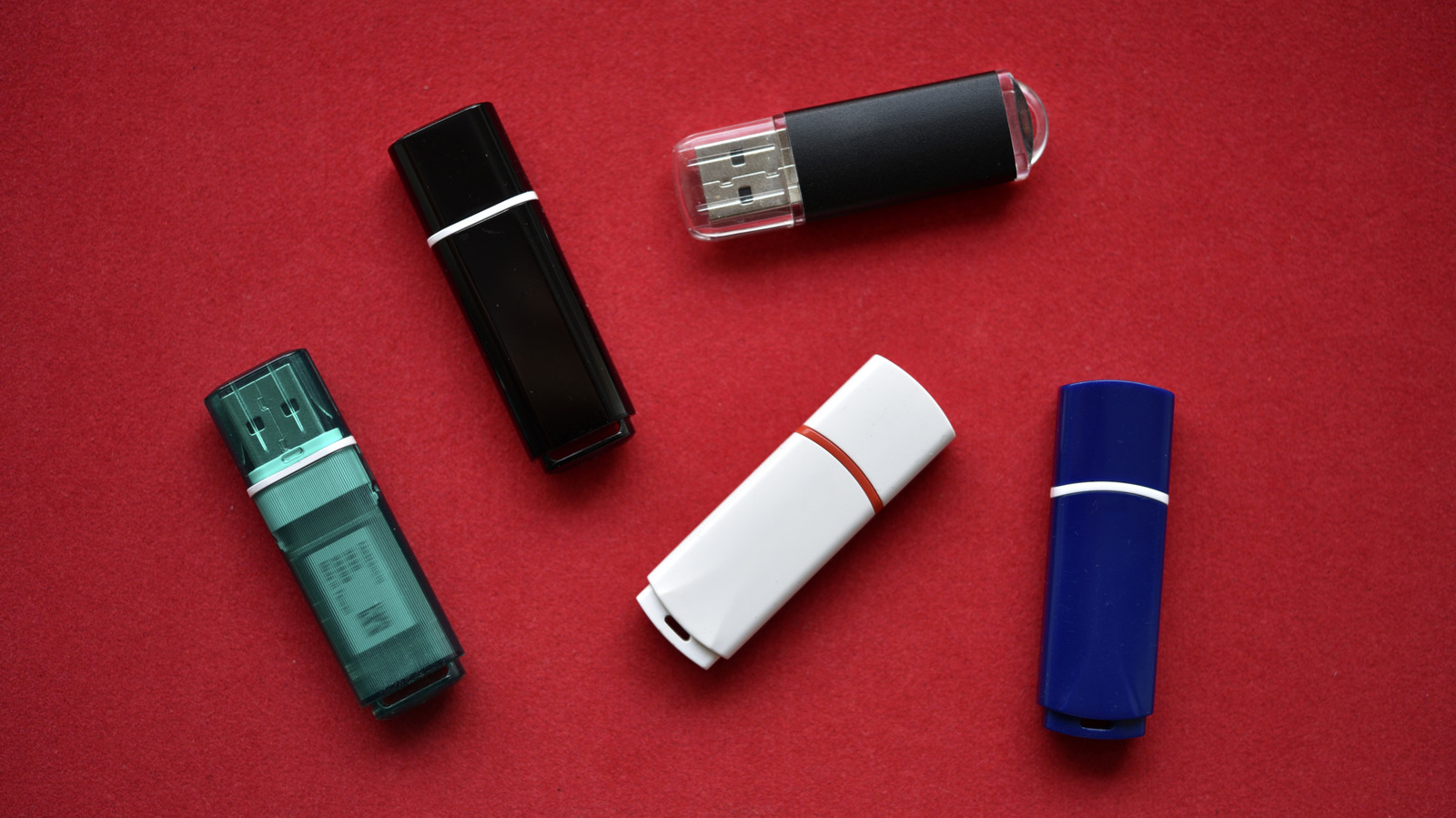
بقلم حسين برويز، 17 أغسطس 2026 5:30 مساءً بتوقيت شرق الولايات المتحدة. صورة لفلاش دريف

في أحد الأيام، كانت سعة 1 جيجابايت من ذاكرة الفلاش سعة كبيرة جدًا (ولم تكن رخيصة أيضًا). في أوائل عام 2002، كانت الصناعة تتحدث عن USBDrive من JMTek وسعتها التي تصل إلى 1 جيجابايت. اليوم، تعتبر نفس السعة صغيرة جدًا وفقًا لمعايير المستهلكين. تبدأ معظم نماذج DataTraveler الحالية من كينجستون بسعة 64 جيجابايت، مع وصول بعضها إلى 512 جيجابايت.

لقد أصبحت التخزينات رخيصة جدًا خلال هذه الرحلة، وكان انهيار الأسعار دراماتيكيًا أيضًا. انتقل تخزين USB من أكثر من 8000 دولار لكل جيجابايت في سنواته الأولى إلى 94 سنتًا لكل جيجابايت بحلول عام 2013. لم تتغير الوصفة الأساسية كثيرًا، حيث لا يزال محرك الأقراص الفلاش يحتاج إلى منفذ USB، ومتحكم، ولوحة دوائر مطبوعة، وحالة، وذاكرة واحدة أو أكثر. لم يصبح تصنيع محرك أقراص 1 جيجابايت أمرًا مستحيلًا. بل أصبح بضاعة سيئة جدًا للبيع.

تعلمت ذاكرة NAND كيفية ضغط كمية أكبر من البيانات
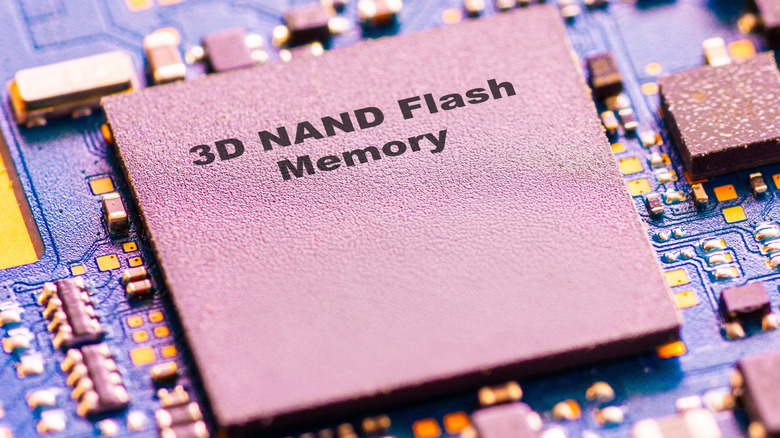
لقطة مقربة لشريحة ذاكرة NAMD ثلاثية الأبعاد. luchschenF/Shutterstock

حدث السر الحقيقي داخل تلك الرقائق الذاكرية. لعدة عقود، وجد مصنعو ذاكرة NAND طرقًا لجعل خلايا الذاكرة أصغر، وضغط عدة بتات في كل منها وفي النهاية تراص هذه الخلايا عموديًا باستخدام ذاكرة NAMD ثلاثية الأبعاد. يسمح ذلك لهم بضغط المزيد في محرك أقراص فلاش دون جعل الشيء كبيرًا جدًا بحيث تحتاج إلى حقيبة ظهر لحمله.

ظهر مثال أنيق في عام 2005، عندما أعلنت شركة توشيبا وسانديسك عن رقاقة ناند (NAND) سعة 8 جيجابايت (جيجابت) قادرة على تخزين 1 جيجابايت على رقاقة واحدة. كانت أقل من 5% أكبر من جزء الجيل السابق للشركتين سعة 4 جيجابايت، لكنها قدمت ضعف السعة. في الإعلان، ذكرت الشركتان أنها ستكون "حصان الإنتاج ... مما يجلب تخفيضات كبيرة في التكاليف" لمنتجات تخزين الفلاش الخاصة بالشركات.

سجلت الأرقام ارتفاعًا سريعًا، مع سعر 2.1 جيجابايت من متجر فيرباتيم (Verbatim) "ستور ن جو" (Store 'n Go) بمبلغ 250 دولارًا في عام 2004. بحلول عام 2013، كشفت شركة كينجستون (Kingston) النقاب عن جهاز بيانات ترافيلر سعة 1 تيرابايت (TB)، بينما تكلف النسخة المتوفرة بالفعل سعة 512 جيجابايت مبلغًا قاسيًا نسبيًا وهو 1750 دولارًا. تضغط ذاكرة الناند (NAND) ثلاث بتات في كل خلية ذاكرة، ويتم استخدامها عادة في تخزين المستهلكين الحساسة للتكلفة مثل محركات USB. ارتفعت السعة والسرعة معًا، لكن الأكبر لا يعني أسرع تلقائيًا. تهم رقاقة الناند (NAND)، وكذلك المتحكم وواجهة USB.

لا يوفر تصنيع محركات صغيرة الكثير

إن تقليل سعة محرك 64 جيجابايت إلى 1 جيجابايت لا يزيل بقية الأجهزة بشكل سحري. في نهاية المطاف، لا تزال النسخة ذات السعة المنخفضة بحاجة إلى متحكم، ومُوصل، ولوحة دوائر مطبوعة، وعلبة، وتغليف. لا يزال من الضروري تجميعها وشحنها ووضعها على رف المتجر أيضًا. بمجرد أن تصبح رقاقة الناند (NAND) عالية الكثافة رخيصة بما يكفي على نطاق واسع، فإن خفض سعة التخزين لا يقلل بالضرورة من تكلفة المنتج النهائي بنفس القدر.

لا توجد سعة منظمة حيث تتوقف الاقتصادات فجأة عن العمل، لذلك لم يكن هناك يوم سحري قرر فيه المصنعون بالجملة أن 8 جيجابايت قد قتلت 1 جيجابايت، لكن الصناعة تحولت مع مرور الوقت. يتطلب أداة وسائط تثبيت ويندوز من مايكروسوفت محرك أقراص فلاش فارغ بمساحة لا تقل عن 8 جيجابايت، مما يجعل عصا 1 جيجابايت صغيرة للغاية لأحد أكثر المهام شيوعًا التي قد تعطي محرك أقراص USB احتياطي.

يضغط أيضًا ذاكرة NAND MLC (الخلايا متعددة المستويات) من جانب الإنتاج. من المتوقع أن تنخفض سعة ذاكرة NAND MLC العالمية بنسبة 41.7 في المائة سنويًا في عام 2026 مع تقليل أو وقف الموردين الرئيسيين للإنتاج وتخصيص المزيد من الموارد للعمليات الأحدث. يمكن أن يؤدي ذلك إلى النتيجة الغريبة بعض الشيء لنوع ذاكرة NAND الأقدم الذي يصبح أكثر تكلفة مع انخفاض العرض.

لم تختفِ محركات الأقراص الصغيرة تمامًا. لا تزال بعضها باقية في التطبيقات الصناعية والمدمجة حيث قد تكون التوافق أو المتانة أو تكوين الأجهزة الثابت أكثر أهمية من تكديس السعة. تبيع شركة Delkin محركات أقراص USB صناعية تبدأ بسعة 1 جيجابايت، بينما تقدم شركة Apacer سعات أقل، مع محركات أقراص فلاش USB صناعية تبدأ بسعة 256 ميجابايت.

flash_drivecapacityretail
الخبر متوفّر باللغات التالية:English
المصدر الأصلي للخبر
إنجاجيت

Why flash drive capacity keeps increasing (and why small drives are rarely sold today)

August 17, 2026·Engadget
Why flash drive capacity keeps increasing (and why small drives are rarely sold today)

Denser NAND has made yesterday's tiny capacities increasingly hard to justify.

By Husain Parvez Aug. 17, 2026 5:30 pm EST Valeriy Lushchikov/Getty Images

Once upon a time, 1GB of flash memory was serious capacity (and it wasn't cheap either). In early 2002, the industry was abuzz about JMTek's USBDrive and its up-to-1GB capacity. Today, that same capacity is tiny by consumer standards. Most of Kingston's current DataTraveler models start at 64GB, with some reaching 512GB.

Storage got ridiculously cheap along the way, and the price collapse was just as dramatic. USB flash storage went from more than $8,000 per gigabyte in its early years to 94 cents per gigabyte by 2013. The basic recipe didn't change much, since a flash drive still needs a USB connector, controller, circuit board, casing and one or more memory chips. The 1GB drive didn't become impossible to make. It became a pretty lousy thing to sell.

NAND learned to cram in a lot more data

Closeup of a 3D NAND microchip. luchschenF/Shutterstock

The real trick happened inside those memory chips. For decades, NAND manufacturers have found ways to make memory cells smaller, cram multiple bits into each one and eventually stack those cells vertically with 3D NAND. That lets them pack far more into a flash drive without making the thing so large that you'd need a backpack to carry it.

One neat example came in 2005, when Toshiba and SanDisk announced an 8Gb (gigabit) NAND chip capable of storing 1GB on a single chip. It was less than 5 percent larger than the companies' previous-generation 4Gb part but offered twice the capacity. In the announcement, the companies said it would become the "production workhorse ... bringing significant cost reductions" to the companies' flash storage products.

The numbers escalated quickly, with a 2.1GB Verbatim Store 'n Go priced at $250 in 2004. By 2013, Kingston had unveiled a 1TB DataTraveler, while the already available 512GB version cost a fairly brutal $1,750. TLC NAND squeezes three bits into each memory cell and is commonly used in cost-sensitive consumer storage like USB drives. Capacity and speed have both climbed, but larger does not automatically mean faster. The NAND matters, as do the controller and USB interface.

Making tiny drives doesn't save much

Shrinking a 64GB drive to 1GB doesn't magically eliminate the rest of the hardware. After all, the low-capacity version still needs a controller, connector, circuit board, casing and packaging. It still has to be assembled, shipped and put on a store shelf too. Once high-density NAND gets cheap enough at scale, cutting storage capacity doesn't necessarily cut the finished product's cost by nearly as much.

There's no neat capacity where the economics suddenly stop working, so there was no magic day when manufacturers decided en masse that 8GB had killed 1GB, but the industry shifted over time. Microsoft's Windows installation-media tool requires a blank flash drive with at least 8GB of space, making a 1GB stick too small for one of the most ordinary jobs you might give a spare USB drive.

MLC (multi-level cell) NAND is getting squeezed on the production side, too. Global MLC NAND capacity is expected to fall 41.7 percent year over year in 2026 as major suppliers reduce or halt output and put more resources into newer processes. That can create the slightly odd result of an older NAND type getting pricier as supply shrinks.

Small drives haven't completely vanished. Some survive in industrial and embedded applications where compatibility, endurance or a fixed hardware configuration can matter more than piling on capacity. Delkin sells industrial USB drives starting at 1GB, while Apacer goes lower, with industrial USB flash drives starting at 256MB.

flash_drivecapacityretail
This article is also available in:العربية
Original source article
Engadget