لماذا فشلت شاشات التلفزيون المنحنية بينما ازدهرت شاشات الألعاب المنحنية
17 أغسطس 2026·إنجاجيت
لماذا فشلت شاشات التلفزيون المنحنية بينما ازدهرت شاشات الألعاب المنحنية

تلفازات منحنية سارت حتى تعمل شاشات الألعاب المنحنية.

بقلم ديفندرا هاردوار 17 أغسطس، 2026 2:30 مساءً EST كريس فارينا/جيتي إيمجز

شبيهة بالمجموعات ثلاثية الأبعاد، بدت التلفازات المنحنية في مرحلة ما وكأنها في كل مكان. خلال عشرينيات القرن الماضي، حاول العديد من مصنعي التلفاز تسويق تلفازات منحنية كطريقة أكثر انغماساً لمشاهدة مجموعتك المسطحة الجديدة. وببساطة، بدت باردة جداً، خاصة إذا كانت تحل محل شاشة أول جيل LCD. ولكن بحلول عام 2020، حتى سامسونج، آخر معقل للتلفازات المنحنية، تخلت عن الفكرة.

باستثناء بعض المفاهيم التي من غير المرجح أن تصل للإنتاج أبداً، أصبحت التلفازات المنحنية ميتة فعلياً. بدلاً من ذلك، يعيش حلم تلك التكنولوجيا في شاشات الألعاب، والتي تقدم زوايا منحنية أكثر تطرفاً مما رأيناه على التلفازات.

إذن ما الذي حدث خطأ مع التلفازات المنحنية؟ هناك إجابة قصيرة واضحة، وبعض الأسباب الأكثر تعقيداً.

التلفازات المنحنية لم تكن غامرة كما يُعتقد
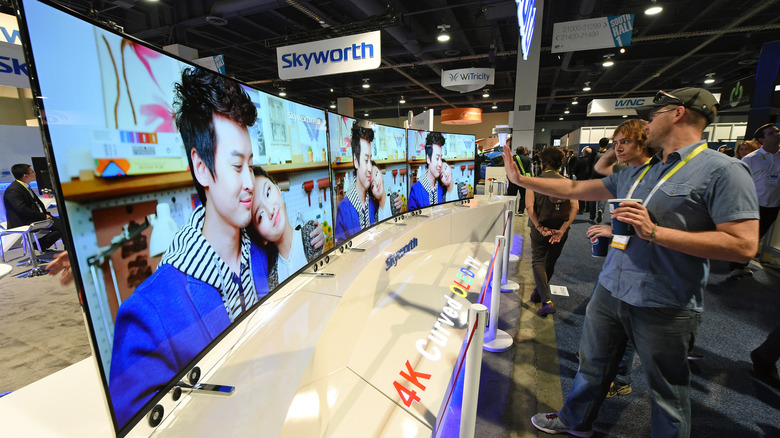
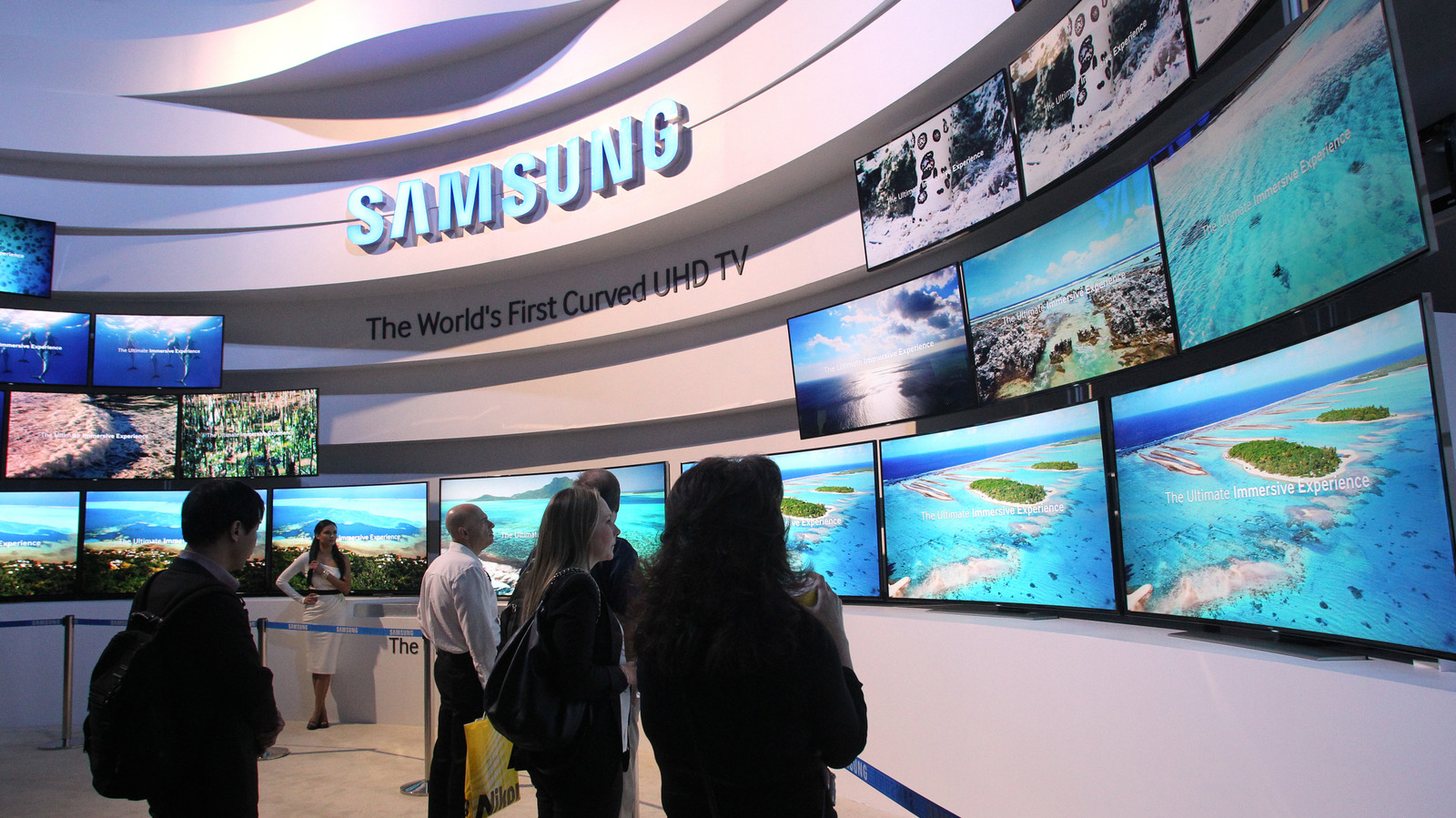
تلفازات منحنية في معرض الإلكترونيات الاستهلاكية 2014. إيثان ميلر/جيتي إيمجز

فكرة الغمر مع الشاشات المنحنية الكبيرة ليست جديدة. رأيناها لعقود في دور السينما الإم إكس (IMAX) وغيرها من الشاشات الكبيرة، مثل قبة سينيراما (Cinerama Dome) في هوليوود. من السهل أن تشعر بأنك جزء من فيلم الأوديسة عندما تجلس بالقرب من شاشة منحنية بارتفاع 65 قدمًا. لكن هناك فرق كبير بين تلك المسارح الضخمة وشاشة مسطحة بحجم 55 إلى 65 بوصة في غرفة معيشتك، والتي تبعد عن أريكتك على الأرجح ستة إلى عشرة أقدام.

ما لم تكن محظوظًا بما فيه الكفاية لتمتلك جهازًا منحنيًا بقياس 78 بوصة والجلوس بجانبها، كان من الصعب ببساطة إعادة إنتاج شعور الانغماس من دور السينما. وحتى تلك الأجهزة التلفزيونية الكبيرة جدًا، والتي كانت نادرة للغاية، كانت لا تزال محاطة بكل شيء آخر في غرفة المعيشة الخاصة بك. لا يمكنك بالضبط أن تُفقد نفسك في سيد الخواتم إذا كان جهاز التلفاز الخاص بك محاطًا بالزخارف والصور العائلية والحيوانات الأليفة التي تتوق إلى انتباهك.

كان لنقطة العرض المحدودة في أجهزة التلفزيون المنحنية تأثير كبير

حتى لو كنت راضيًا تمامًا عن جهازك المنحني، فمن المحتمل أن أصدقاءك وعائلتك لم يكونوا كذلك. كان لدى أجهزة التلفزيون المنحنية نقطة عرض مباشرة في منتصف زاوية المشاهدة الخاصة بها، ولكن بمجرد ابتعادك عن تلك النقطة، تفقد التباين وإشباع الألوان على الفور. إذا كنت ترغب في مشاهدة مشاهد الليل المظلمة السيئة السمعة من لعبة العروش أثناء الجلوس بعيدًا عن مركز جهاز تلفزيون منحني، فمن المحتمل أن تواجه صعوبة في رؤية أي شيء يحدث. (لم تكن أجهزة التلفزيون المنحنية من نوع OLED تعاني من مشكلة نقطة العرض نفسها، ولكنها كانت عادة ما تكون أكثر تكلفة من أجهزة التلفزيون OLED القياسية.)

لاحظت ذلك بنفسي أثناء مشاهدة العديد من عروض أجهزة التلفزيون في معرض الإلكترونيات الاستهلاكية – بدت بعض أجهزة التلفزيون المنحنية تقريبًا باللون الرمادي عندما كنت تجلس في زوايا متطرفة. كان من المؤلم حقًا رؤية ما تفعله تلك الزوايا البشعة مع الأفلام النابضة بالحياة والملونة مثل حياة باي (Life of Pi).

كان تصنيع الأجهزة المنحنية صعبًا أيضًا
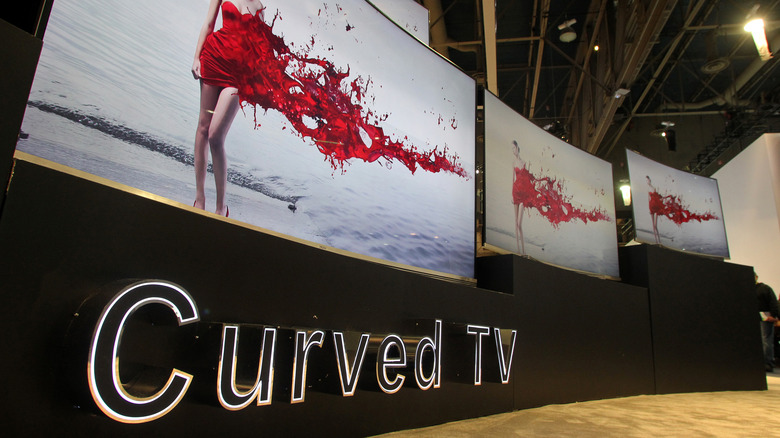
أجهزة التلفزيون المنحنية من سامسونج في معرض الإلكترونيات الاستهلاكية 2016. Chris Farina/Getty Images

وفقًا لديبين ساهديف، مؤسس ورئيس شركة CE Critic التي تعمل على تجميع الإلكترونيات الاستهلاكية، لم يكن المشكلة مع أجهزة التلفزيون المنحنية مقتصرة على المشاهدين فقط. قال في مقابلة: "أتذكر أنني سمعت من المصنعين أن تصنيعها كان صعبًا على نطاق واسع". "إنه أمر واحد أن تصنع جهاز تلفزيون بحجم 30 أو 32 بوصة، ولكن عندما تبدأ في تصنيع أجهزة التلفزيون المنحنية بحجم 55 أو 65 أو حتى 75 بوصة، فإنها كانت صعبة التصنيع والشحن والحفاظ على التوحيد القياسي بأفضل ما يمكن".

حتى الشركات الضخمة مثل سامسونج لا تستطيع تبرير الخسائر في التصنيع لفترة طويلة. عندما تؤخذ هذه الأمور معًا مع المشاكل الأخرى المحيطة بأجهزة التلفزيون المنحنية، يصبح من السهل فهم سبب تخلي مصنعي أجهزة التلفزيون عنها بسرعة.

كان تثبيت أجهزة التلفزيون المنحنية صعبًا

مع تصبح شاشات التلفزيون مسطحة وأخف وزنًا، كان المستهلكون حريصين أيضًا على البدء في تثبيتها على الجدران، فوق المدافئ وحيثما أمكنهم ذلك لتوفير بعض المساحة على الأرض. لكن أجهزة التلفزيون المنحنية جعلت ذلك صعبًا أيضًا، وفقًا لـ Sehdev. "امتلاك جهاز تلفزيون منحني حيث تبرز الزوايا، ما يقرب من 6 بوصات مع بعض هذه الشركات المصنعة، كان أمرًا مهمًا جدًا عند التفكير في وضعه فوق المدفأة أو محاولة الحصول على مظهر نظيف أو معاصر"، قالها.

شاشات الألعاب المنحنية تتجنب كل هذه المشاكل
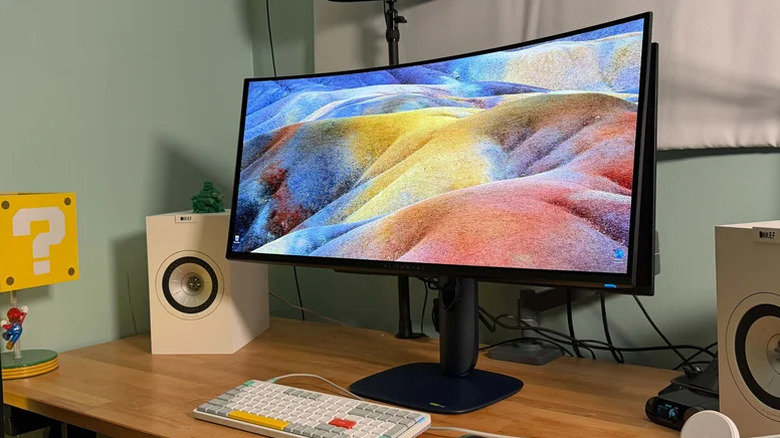
شاشة الألعاب المنحنية من ألينوار بقطر 34 بوصة. ديفندر هارداور لموقع Engadget

ليس من الغريب أن تشق شاشات الألعاب المنحنية طريقها. بما أنها مصممة عادة لمشاهد واحد، فإن نقطة العرض المركزية كانت ميزة وليست عيبًا. كما نجلس أيضًا أقرب إلى شاشاتنا، لذا يمكن لشاشة ألعاب منحنية بقطر 27 أو 32 بوصة أن تشعر بأنها أكثر انغماسًا من تلفزيون بقطر 65 بوصة تجلس بعيدًا عنه.

Curved gaming screens also serve a very functional purpose: They put more of the screen within your direct view, so you don't have to crane your neck to see the far edges of the screen. That's particularly useful for online shooters, where you could easily die if you spent an extra half-second noticing someone flanking you from the side. That's one of many reasons it's a bad idea to use a standard 32-inch or 40-inch TV as a monitor.

Without curved screens, we likely wouldn't have extreme ultrawide monitors either. Just imagine how tough it would be to use something like Alienware's 34-inch ultrawide or Samsung's 55-inch Odyssey Ark behemoth if they were completely flat screens.

"As soon as we get to ultrawides... obviously the more curved it is, the better it's going to be," Sehdev added. "You're now starting to see some folks that are getting very heavy into simulation gaming with things like Gran Turismo or Flight Simulator from Microsoft. That's where people want curved screens for those types of gaming experiences."

تلفيزات منحنية حتى تعيش شاشات الألعاب المنحنية

تعلمتُ بعد تغطيتي لعالم التكنولوجيا لمدة 16 عامًا أن الكثير من الناس، وحتى العاملين في الشركات العالمية الضخمة، لا يملكون أدنى فكرة عن كيفية تنفيذ التكنولوجيا الجديدة. كانت التلفيذات المنحنية بمثابة خدعة تسويقية في وقت كانت فيه الشركات حريصة على بيع تلفيذات جديدة. لكن بدون خبرة تصنيع تلك الأجهزة، من المرجح أن تواجه نفس الشركات صعوبة أكبر في صنع شاشات الألعاب المنحنية اليوم، مما يؤدي إلى إنتاج شيء يرغب المستهلكون حقًا في الحصول عليه.

TVsmonitorsgaming
الخبر متوفّر باللغات التالية:English
المصدر الأصلي للخبر
إنجاجيت

Why curved TVs failed but curved gaming monitors thrived

August 17, 2026·Engadget
Why curved TVs failed but curved gaming monitors thrived

Curved TVs walked so curved gaming monitors could run.

By Devindra Hardawar Aug. 17, 2026 2:30 pm EST Chris Farina/Getty Images

Much like 3D sets, curved TVs at one point seemed like they were everywhere. Throughout the 2010s, many TV makers tried to market curved TVs as a more immersive way of viewing your new flat screen set. And simply put, they also looked pretty cool, especially if they were replacing a clunky first-gen LCD. But by 2020, even Samsung, the last holdout for curved TVs, gave up on the idea.

Aside from a few concepts that will likely never reach production, curved TVs are effectively dead. Instead, the dream of that technology lives on in gaming monitors, which offer more extreme curved angles than we've ever seen on televisions.

So what went wrong with curved TVs? There's an obvious short answer, and a few more complicated reasons.

Curved TVs weren't that immersive

Curved TVs at CES 2014. Ethan Miller/Getty Images

The notion of gaining immersion with large curved screens isn't anything new. We've seen it for decades in IMAX theaters and other large format screens, like the Cinerama Dome in Hollywood. It's easy to feel drawn into The Odyssey when you're sitting very close to a concave 65-foot tall screen. But there's a big difference between those massive theaters and a 55- to 65-inch flat panel in your living room, which is likely six to ten feet away from your couch.

Unless you were lucky enough to have a 78-inch curved set and sat fairly close, it was simply hard to replicate the sense of immersion from theaters. And even those large TVs, which were very rare, were still surrounded by everything else in your living room. You can't exactly get lost in The Lord of the Rings if your TV is surrounded by decorations, family photos and pets eager for your attention.

Curved LCD TVs had a limited sweet spot

Even if you were completely satisfied by your curved set, there's a good chance your friends and family weren't. Curved LCDs had a sweet spot directly in the middle of their viewing angle, but once you drifted away from that, you instantly lost contrast and color saturation. If you were to watch Game of Thrones' infamously dark night scenes while sitting off-center from a curved TV, you'd likely have a hard time making out anything happening. (Curved OLED TVs didn't have the same sweet spot problem, but they were also typically more expensive than standard OLEDs.)

I noticed this myself while watching countless CES TV demos – some curved TVs practically looked greyscale when you were sitting at extreme angles. It was genuinely painful to see what those awful angles did to vibrant and colorful films like the majestic Life of Pi.

Curved sets were also hard to make

Samsung's curved TVs at CES 2016. Chris Farina/Getty Images

According to Dipin Sehdev, founder and CEO of the consumer electronics aggregator CE Critic, it wasn't just viewers taking issue with curved TVs. "I remember hearing from manufacturers that they were a pain to manufacture at scale," he said in an interview. "It's one thing to do a 30- or 32-inch TV, but when you start to get to 55, 65, or even 75-inch curved TVs, they were very difficult to manufacture and ship and keep the uniformity as best as they can."

Even enormous companies like Samsung can only justify manufacturing losses for so long. When taken together with the other issues around curved TVs, it's easy to see why TV makers were quick to give up on them.

Curved TVs were tough to mount

As flatscreen TVs became slimmer and lighter, consumers were also eager to start mounting them on walls, above fireplaces and wherever they could to save a bit of floor space. But curved TVs also made that difficult, according to Sehdev. "Having a curved TV where the corners stick out, almost up to 6 inches with some of these manufacturers, that was pretty significant when you're thinking about putting it above a mantle or and trying to have a clean or contemporary look," he said.

Curved gaming monitors avoid all of these issues

Alienware's 34-inch curved QD OLED gaming monitor. Devindra Hardawar for Engadget

It's no wonder why curved gaming monitors took off. Since they're usually meant for a single viewer, their central viewing sweet-spot was a feature, not a bug. We also sit much closer to our monitors, so a 27-inch or 32-inch curved gaming screen can feel genuinely more immersive than a 65-inch TV that you're sitting far away from.

Curved gaming screens also serve a very functional purpose: They put more of the screen within your direct view, so you don't have to crane your neck to see the far edges of the screen. That's particularly useful for online shooters, where you could easily die if you spent an extra half-second noticing someone flanking you from the side. That's one of many reasons it's a bad idea to use a standard 32-inch or 40-inch TV as a monitor.

Without curved screens, we likely wouldn't have extreme ultrawide monitors either. Just imagine how tough it would be to use something like Alienware's 34-inch ultrawide or Samsung's 55-inch Odyssey Ark behemoth if they were completely flat screens.

"As soon as we get to ultrawides... obviously the more curved it is, the better it's going to be," Sehdev added. "You're now starting to see some folks that are getting very heavy into simulation gaming with things like Gran Turismo or Flight Simulator from Microsoft. That's where people want curved screens for those types of gaming experiences."

Curved TVs died so curved gaming monitors could live

One thing I've learned after covering the technology world for 16 years is that many people, even the folks at massive global corporations, don't really have a clue how a new technology is meant to be implemented. Curved TVs mostly served as a marketing gimmick at a time when companies were desperate to sell new TVs. But without the experience of making those sets, those same companies would likely have a harder time making curved gaming monitors today, resulting in something consumers actually want.

TVsmonitorsgaming
This article is also available in:العربية
Original source article
Engadget