ما هو التلفاز التناظري وكيف يختلف عن التلفاز الرقمي؟
15 أغسطس 2026·إنجاجيت
ما هو التلفاز التناظري وكيف يختلف عن التلفاز الرقمي؟

العودة إلى الأسلوب التقليدي هي الموضة السائدة، ولكن هل ينطبق هذا على الشاشات الصغيرة؟

بقلم ألك هيفلي 15 أغسطس 2026 11:30 ص EST Luza Studios/Getty Images

لا تزال صناعة التلفزيون في حالة تغير مستمر. مع استمرار ثورة البث في دفع المشاهدين بعيدًا عن البث التقليدي عبر الكابل، يمتلك المستهلكون خيارات أكثر من أي وقت مضى عند الرغبة في الاستمتاع ببرامجهم المفضلة. على سبيل المثال، في أبريل 2026، وجدت شركة نيلسون أن البث قد ارتفع إلى حوالي 47.6% من عادات المشاهدة في الولايات المتحدة، وهو ما يزيد عن ضعف إجمالي المشاهدين عبر البث والكابل مجتمعين. لقد ولت أيام التلفزيون التناظري، عندما كانت العائلات تجتمع حول جهاز تلفزيون ضخم للاستمتاع ببث مليء بالتشويش لبرنامج ذا ديك فان دايك شو. وعلى الرغم من أن البث الإذاعي عبر الهواء (OTA) لا يزال مستمرًا في حوالي 20% من المنازل، إلا أن التكنولوجيا وراء هذه البث قد تطورت بشكل كبير مقارنة بأسلافها.

بالنسبة للجمهور الأصغر سنًا، قد يكون فهم الفروق بين تقنيات البث التلفزيوني أمرًا صعبًا. يبدو الأسلوب التناظري، على سبيل المثال، وكأنه شيء وُلد من ماضٍ متخيل. لكن التكنولوجيا استمرت بعد العصر الذي كانت فيه أجهزة التلفزيون بحجم سيارات السيدان الصغيرة، حيث لم تنتقل شبكة البث الأمريكية بالكامل من هذه التكنولوجيا حتى عام 2009. ومن المذهل أن هذا يعني أن بعض المستخدمين ربما شاهدوا بثًا تناظريًا أثناء إرسال رسائل نصية على هواتفهم الآيفون.

في الوقت نفسه، جلب التحول إلى الرقمي مجموعة من التحسينات، بدءًا من التلفزيون عالي الدقة وحتى التغذية الأكثر اتساقًا. في الوقت الحالي، تخضع البث التلفزيوني لتطور مماثل مع تقديم الجيل التالي للتلفزيون، أو ATSC 3.0، والذي يضيف بروتوكولات الإنترنت إلى البث التلفزيوني الرقمي. يعد التحول إلى تلفزيون الجيل التالي، الذي يوفر دقة 4K، والبث المتعدد المحسن، والصوت الأفضل، والقنوات الموسعة، بمثابة انعكاس للتحول من التناظري إلى الرقمي قبل ما يقرب من عقدين من الزمان. ومع ذلك، تُلقي مخاوف الوصول بظلالها على هذا التحول، حيث يخشى العديد من المدافعين أن يؤدي التحول المتسرع إلى حرمان الملايين من خدمات التلفزيون المجانية. لنلق نظرة على صعود وسقوط تقنية التلفزيون التي بدأت كل شيء: التناظرية.

ما هي التلفزيون التناظري؟
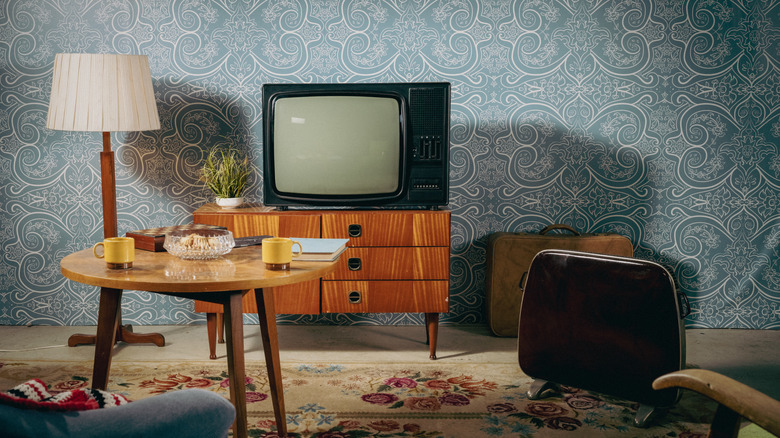
تلفزيون قديم يقف على رأس صندوق أدراج في غرفة مزودة بأثاث عتيق وورق جدران أزرق. Simonkr/Getty Images

تخيل التلفزيون التناظري على أنه عودة إلى أولى أيام البث المرئي. اكتسب شعبية في أعقاب الحرب العالمية الثانية، ينقل التلفزيون التناظري الإشارات المرئية والصوتية عبر قنوات التردد العالي جداً والتردد فوق العالي. تم بث هذه الإشارات عبر محطات التلفزيون المحلية، والتي كانت أجهزة التلفزيون الخاصة بوالديك وجديك تتلقى إشاراتها عبر هوائيات تستقبل البث التناظري بنفس الطريقة التي يستقبل بها سيارتك محطة الراديو. عندما انتقلت الأسر إلى الكابل، جاء الانتقال باستخدام كابلات تناظرية، مما سمح للتناظري بالبقاء على أنه الشكل السائد لبث التلفزيون لمدة حوالي 6 عقود حتى فرضت لجنة الاتصالات الفيدرالية أن تنتقل جميع المحطات بالكامل إلى التلفزيون الرقمي بحلول عام 2009. منذ ذلك الحين، اختفى التلفزيون التناظري

تحوّل كاميرات الفيديو التناظرية الضوء إلى إشارات كهربائية. عادةً ما تلتقط هذه الصور بثلاثين إطارًا في الثانية في الولايات المتحدة، ثم تحوّل الكاميرا هذه النبضات الكهربائية إلى صفوف من البكسلات التي تمثل الألوان وشدة الصورة في الإطار. بعد ذلك، تُجمع مع إشارات التزامن الأفقية والرأسية لإعلام جهاز التلفزيون بأين يجب عرض الصفوف المنقولة ومتى يبدأ رسم إطار جديد. ثم يتم بث الإشارة التي تنقل هذا الترتيب، والمعروفة باسم إشارة الفيديو المركبة، عبر موجات الهواء على ترددات محددة تحدد القناة المقابلة لها. أما الصوت فيتم بثه بشكل منفصل.

طريقة وصول هذه البث إلى جهاز التلفزيون الخاص بك تعكس عمليات محطات الراديو التقليدية. في النهاية، تبث كل محطة تلفزيونية إشارة مرئية وصوتية متزامنة عبر ترددات راديو فائقة الارتفاع جدًا، حيث تحمل قناة الموجات المتوسطة الإشارات المرئية وقناة الموجات الفوقية صوتها. هذه الترددات المدمجة تشكل القناة التي سيقوم جهاز التلفزيون التناظري الخاص بك بضبطها لمشاهدة البرنامج.

في البداية، كان بإمكان المشاهدين الاستفادة من البث التلفزيوني عبر الأجهزة اللاسلكية التي كانت تتلقى هذه الإشارات المنقولة. في الوقت نفسه، كانت الكابلات القديمة تنقل هذه الإشارات مباشرة إلى أجهزة التلفزيون الخاصة بالمشاهدين عبر كابلات محورية. تنقل الكابلات التناظرية المعلومات عبر نبضات كهربائية تتناسب مع توقيعات الضوء أو الصوت المحددة.

كيف تختلف التلفزيون الرقمي عن التناظري؟
زوجان، من الخلف، يرتديان قمصاناً زرقاء وحمراء ويحمل كل منهما الآخر أثناء مشاهدة التلفاز. Yuganov Konstantin/Shutterstock

الطريقة الأفضل لفهم الفرق بين التناظري والرقمي هي النظر إلى الإشارات التناظرية على أنها وسيلة نقل مستمرة للمعلومات حيث يمكن للقيم أن تأخذ أي عدد ضمن نطاق محدد. في الوقت نفسه، تُعرف الإرسالات الرقمية بأنها متقطعة، مما يعني أنها تحول الصور والأصوات إلى شفرة ثنائية من الواحد والصفر، مثل الشفرة المستخدمة لبرمجة برامج الكمبيوتر. بالنسبة للمتعلمين بصرياً، تخيل أن قمم وأودية موجات الراديو الكلاسيكية قد تم تحويلها إلى شيء يشبه مخطط الأعمدة بصريًا. ثم يتم ضغط هذه الإشارات في حزم بيانات رقمية، والتي ينقلها البث عبر موجات الراديو للتلفزيون عبر الأقمار الصناعية والهواء. في الوقت نفسه، ينقل الكابل هذه الإشاراتمن خلال الكابلات، في حين أن خدمات البث تنقل البيانات عبر خادم عن بعد.

تستقبل تلفزيوناتك هذه الحزم من البيانات بشكل مماثل للطريقة التي قد يتواصل بها جهاز الكمبيوتر الخاص بك مع اتصال الإنترنت، حيث يتم نقل المعلومات عبر تيار من المعلومات المرئية والصوتية. ثم يقوم التلفزيون، المكون من عشرات الآلاف من البكسلات، بتحويل هذه الرموز الرقمية إلى الظلال والمستويات المقابلة للأزرق والأحمر والأخضر، مما يشكل في النهاية الصورة على شاشتك. إذا كنت تستخدم تلفزيونًا تناظريًا، يتم فك تشفير الإشارة وتحويلها إلى إشارة تناظرية عبر محول رقمي تناظري، والذي يترجم الرمز الثنائي إلى إشارة تناظرية مستمرة. تقوم أجهزة التلفزيون الرقمية الحقيقية بإنجاز هذه المهمة من خلال مودم يقوم بفك حزم البيانات الرقمية إلى ما يقابلها من الصور المرئية.

يوفر استخدام الإشارة الرقمية العديد من الفوائد، مثل الصور الأكثر وضوحًا والاستخدام الأكثر كفاءة للموجات الراديوية، مما يسمح ببث المزيد من القنوات عبر نفس نطاق التردد. كما يتم استخدام الضغط لمساعدة البث الرقمي على استخدام عرض نطاق ترددي أقل، حيث غالبًا ما تستخدم الجهود المبكرة MPEG-2، وتستخدم جيل TV التالي H.265. كما أنها تقلل بشكل كبير من التداخل المحتمل مع زيادة قوة الإشارة. ومن خلال الانتقال إلى الرقمية، يمكن للمحطات أيضًا البث عالي الدقة (HDTV)، مما أدى إلى تحسين دقة الصورة لدى البث بشكل كبير. في أفضل حالاتها، يمكن لبث HDTV الرقمي تحقيق أكثر من 10 مرات دقة بث NTSC التناظري. كما سمح التلفزيون الرقمي لبث التلفزيون بالابتعاد عن نسب جانبية 4:3 لأسلافه، مما يسمح بشاشات أوسع تحاكي بشكل أفضل كلًا من الرؤية البشرية وتجربة مشاهدة الأفلام. كان البث المتعدد ميزة إضافية أخرى، حيث تمكنت المحطات من بث إشارات متعددة. في المجمل، كانت هذه الخطوة تعني صورًا أكثر وضوحًا وقنوات أكثر.

موت التليفزيون التناظري وولادة حقبة جديدة
ابتسامة عائلة أثناء تغيير القناة على جهاز التليفزيون الخاص بهم. Skynesher/Getty Images

استغرق الانتقال إلى الرقمي وقتًا أطول مما تتوقع. في عام 1996، دفع الكونجرس الأمريكي البلاد نحو البث الرقمي من خلال تفويض قنوات بث إضافية لمحطات التليفزيون. سمح القرار، المعروف بالانتقال إلى التلفزيون الرقمي، للمحطات ببث القنوات الرقمية جنبًا إلى جنب مع قنواتها التناظرية. بحلول عام 2009، تم إلزام جميع محطات التليفزيون الكاملة بالتحول إلى تنسيق رقمي. بالنسبة للمستهلكين الذين يملكون أجهزة تليفزيون تناظرية قديمة، كان ذلك يعني إضافة صندوق تحويل رقمي-تناظري إلى جهازهم، في حين جاءت أجهزة التليفزيون الأحدث مع أنظمة ضبط مدمجة. لحسن الحظ، كانت معظم الأسر الأمريكية مستعدة جيدًا للانتقال. وفقًا لبحث نيلسون ميديا، فإن حوالي 97.5٪ من مشاهدي التلفزيون الأمريكيينكانت الأسر مستعدة للانتقال إلى الرقمي في وقت الموعد النهائي للجنة الاتصالات الفيدرالية.

بالطبع، لم يكن هذا يعني أن بث التلفزيون عبر الهواء (OTA) قد تم القضاء عليه تمامًا في عام 2009. بدلاً من ذلك، طُلب من البثّة الالتزام بمعيار التلفزيون الرقمي الأول، المعروف باسم ATSC 1.0، والذي حافظ على البث الإذاعي كجانب رئيسي من نظام التلفاز الأمريكي. اليوم، يستمر حوالي خُمس المشاهدين في تلقي البث المجاني لمحطات محلية عبر الهوائيات.

الآن، ومع ذلك، تدفع لجنة الاتصالات الفيدرالية لاعتماد معيار جديد. يُطلق على هذا الشكل الجديد من التلفزيون الرقمي اسم ATSC 3.0 أو NextGen TV، ويعد هذا الشكل الجديد بتحسين جودة البث وإضافة ميزات متقدمة عن طريق دمج بروتوكولات الإنترنت (IP) في إشارات المحطات. تمامًا مثل الانتقال من التناظري إلى الرقمي، يجب أن يتوقع المشاهدون الذين ينتقلون من تنسيق رقمي قياسي إلى NextGen TV قفزة في جودة التلفزيون. ومع ذلك، على عكس الانتقال السابق، كان المستهلكون أقل استعدادًا للإنفاق على الشكل الجديد، على الرغم من الدعم الواسع النطاق من الصناعة. لتلقي بثات ATSC 3.0، يجب على المستهلكين استخدام أجهزة تلفاز متوافقة مع NextGen TV أو شراء محول.

يزعم البعض أن نهج لجنة الاتصالات الفيدرالية للانتقال قد يحرم ملايين المستهلكين من الوصول إلى التلفزيون العام المجاني، ويحول البث العام من خدمة مجانية إلى اشتراك آخر. تنبع المخاوف من قرار لجنة الاتصالات الفيدرالية المعلّق بالسماح للشركات بالتحول الكامل إلى المعيار الجديد، وقطع بث ATSC 1.0 في هذه العملية. على عكس التحول من التناظري إلى الرقمي، مع ذلك، لا تقترح لجنة الاتصالات الفيدرالية الجدول الزمني للانتقال الذي ينظمه الكونغرس ولا تستثمر في الجهود التعليمية أو القسائم الممولة من الدولة لتسهيل الانتقال. علاوة على ذلك، دعا البث إلى إضافة تشفير إدارة الحقوق الرقمية (DRM) إلى الإشارات، وهي خطوة تحذر منها مؤسسة الحدود الإلكترونية من أن تؤدي إلى خصخصة موجات الهواء العامة.

يخشى المدافعون أن يمنع هذا التحول المشاهدين من تلقي تحذيرات الطوارئ الإخبارية والخدمات العامة المهمة. وكما هو متوقع، فمن المرجح أن تحدث آلام النمو هذه على طول خطوط المجتمع الحادة، مما يزيد من تفاقم مخاوف عدم المساواة. وكما كتب جون بيرغماير، المدير القانوني في مجموعة الدعوة للحقوق الرقمية "المعرفة العامة"، في مقال رأي حول انتقال لجنة الاتصالات الفيدرالية إلى نظام ATSC 3.0، فمن المرجح أن يكون الأشخاص الأكثر تضرراً هم أولئك الذين يعتمدون بشكل أكبر على هذه الخدمات. إذا أرادت لجنة الاتصالات الفيدرالية أن تتم عملية الانتقال إلى الجيل التالي من التلفزيون بسلاسة مثل انتقالها من النظام التناظري قبل ما يقرب من عقدين، فيجب عليها أن تحرص على الحفاظ على وضع البث التلفزيوني كخدمة عامة أساسية.

analogdigitalTV
الخبر متوفّر باللغات التالية:English
المصدر الأصلي للخبر
إنجاجيت

What is analog TV and how is it different from digital TV?

August 15, 2026·Engadget
What is analog TV and how is it different from digital TV?

Going analog is all the rage, but does it apply to the small screen?

By Alec Hively Aug. 15, 2026 11:30 am EST Luza Studios/Getty Images

The television industry continues to be in flux. As the streaming revolution continues to push viewers away from traditional cable broadcasts, consumers have more options than ever when looking to enjoy their favorite programming. In April 2026, for instance, Nielson found that streaming had risen to roughly 47.6% of US viewing habits, over double the combined total of broadcast and cable viewers. Gone are the days of analog television, when families would huddle around a massive console to enjoy a static-riddled broadcast of The Dick Van Dyke Show. And while over-the-air (OTA) broadcasts continue to be in roughly 20% of homes, the technology behind these broadcasts has progressed far beyond its predecessors.

For younger audiences, parsing the differences between television broadcast technologies can be difficult. Analog, for instance, seems something born of an imagined past. But the technology persisted beyond the era when television boxes were the size of small sedans, as America's broadcasting network hadn't fully transitioned from the technology until 2009. Incredibly, this means that some users likely watched an analog broadcast while texting on their iPhone.

The transition to digital, meanwhile, has brought a host of improvements, ranging from high definition television to more consistent feeds. As it stands, television broadcasts are undergoing a similar evolution with the introduction of NextGen Television, or ATSC 3.0, which adds internet protocols to digital television broadcasting. Promising 4k resolution, enhanced multicasts, better audio and expanded channels, the NextGen TV transition looks to mirror the analog-to-digital move nearly two decades earlier. However, accessibility concerns plague the transition, with many advocates worrying that a hasty transition could strip millions of free television services. To put these changes in context, let's take a look back at the rise and fall of television technology that started it all: analog.

What is analog television?

An old timey television set stands atop a chest of drawers in a retro-fitted room with blue wallpaper. Simonkr/Getty Images

Think of analog television as a return to the earliest days of visual broadcasting. Gaining popularity in the wake of World War II, analog television transmits video and audio signals via Very High Frequency and Ultra High Frequency channels. These signals were broadcast via local television stations, which your parents and grandparents' television sets would receive via antennas that tapped into analog broadcasts the same way your car does a radio station. When households transitioned to cable, the transition came using analog cables, allowing for analog to remain the predominant form of television broadcast for roughly 6 decades until the FCC mandated that all stations fully transitioned to digital television by 2009. Since then, analog television has gone by the wayside.

Analog video cameras convert light into electrical signals. Typically capturing these images at 30 frames per second in the US, the camera then converts these electric pulses into rows of pixels, which represent the colors and intensity of the visuals in the frame. These are then combined with horizontal and vertical synchronization signals to inform a television set where the transmitted rows should be displayed and when to start drawing a new frame. The signal that relays this arrangement, known as a composite video signal, is then broadcast over the airwaves on specific frequencies, which determine their corresponding channel. Sound was transmitted separately.

How these broadcasts make their way to your television mirrored the processes of traditional radio stations. Ultimately, each television station broadcast a paired visual and sound signal over ultra high and very high radio frequencies, with the AM channel carrying visual signals and the FM channel its sound. These combined frequencies make up the channel your analog television would tune into to watch.

At first, viewers could tap into television broadcasts via antennas that intercepted these broadcasted signals. Early cable, meanwhile, delivered these signals via coaxial cables directly to viewer's television sets. Analog cables transmit information via electric pulses whose amplitudes correspond to specific light or sound signatures.

How does digital television differ from analog?

A couple, seen from behind, in blue and red shirts hold each other as they watch television. Yuganov Konstantin/Shutterstock

The best way to understand the difference between analog and digital is to view analog signals as continuous relays of information in which values can take on any number within a specific range. Digital transmissions, meanwhile, are known as discrete, meaning that they convert images and sounds into a binary code of ones and zeros, like code to program computer software. For the visual learners out there, imagine the peaks and valleys of your classic radio wave converted into something visually akin to a bar graph. These signals are then compressed into digital data packets, which broadcasters transmit via radio waves for over-the-air and satellite television. Cable, meanwhile, transmits these signals through cables, while streaming services transmit data via a remote server.

Your television receives these packets of data similarly as your computer might an internet connection, with the information being relayed through both a visual and audio information stream. Your television, formed of tens of thousands of pixels, then converts these digital codes into the corresponding shades and intensities of blue, red, and green, ultimately forming the picture on your screen. If you were to use an analog television, signal is then decoded and converted into an analog signal through a digital to analog converter, which translates the binary code into a continuous analog signal. True digital televisions accomplish this task through a modem that unpacks these digital packets into their corresponding visuals.

Using a digital signal delivers several benefits, such as sharper images and more efficient use of the airwaves, allowing more channels to be broadcast over the same frequency range. Compression is also employed to help digital broadcasts use less bandwidth, with early efforts often using MPEG-2 and Next-Gen TV utilizing H.265. It also drastically cuts down on potential interference while increasing signal strength. By transitioning to digital, stations could also broadcast in high definition (HDTV), which dramatically enhanced broadcasters' picture resolution. At their best, digital HDTV broadcasts can achieve more than 10 times the resolution of an NTSC analog broadcast. Digital TV also allowed for television broadcasts to move away from their predecessor's 4:3 aspect ratios, allowing for wider screens that better mimic both human eyesight and the moviegoing experience. Multicasting was another added benefit, with stations able to broadcast multiple signals. On balance, the move meant clearer pictures and more channels.

The death of analog and the birth of a new era

A family smiles as they change the channel on their television set. Skynesher/Getty Images

The move to digital took longer than you likely expect. In 1996, Congress pushed the US towards digitized broadcasts by authorizing additional broadcast channels for TV stations. The decision, known as the Digital Television Transition, allowed stations to broadcast digital channels alongside their analog ones. By 2009, all full power television stations were mandated to transition to a digital format. For consumers with older analog televisions, this meant adding a digital-to-analog converter box to their set, while newer televisions came with built-in tuning systems. Luckily, the majority of American households were well prepared for the transition. According to Nielson Media Research, roughly 97.5% of American television-viewing households were ready for the transition to digital at the time of the FCC's deadline.

Of course, this didn't mean that over-the-air (OTA) television broadcasts were fully killed in 2009. Instead, broadcasters were required to adhere to the first digital television standard, known as ATSC 1.0, which preserved over-the-air broadcasting as a key aspect of the US television diet. Today, roughly a fifth of viewers continue to receive free broadcasts of local stations via antennas.

Now, however, the FCC is pushing to adopt a new standard. Dubbed ATSC 3.0, or NextGen TV, this new form of digital television promises to enhance the quality broadcasts and add advanced features by incorporating internet protocols (IP) into station's signals. Much like the transition from analog to digital, viewers moving from a standard digital format to NextGen television should expect a leap in television quality. However, unlike the previous transition, consumers have been less willing to shell out for the new format, despite widespread industry support. To receive ATSC 3.0 broadcasts, consumers must use televisions compatible with NextGen TV or purchase an adapter.

Some argue that the FCC's approach to the transition could strip millions of consumers of access to free public television, and transform public broadcasts from a free service into yet another subscription. Concerns stem from a pending FCC decision to allow companies to fully transition to the new standard, and cut off ATSC 1.0 broadcasts in the process. Unlike the shift from analog to digital, however, the FCC is neither proposing a Congress-regulated transition timeline nor investing in state-funded educational or coupon efforts to ease the transition. Moreover, broadcasters have advocated for adding digital rights management (DRM) encryption to signals, a move that the Electronic Frontier Foundation warns could privatize public airwaves.

Advocates worry that such a shift could bar viewers' from critical emergency warnings, news and public service announcements. As expected, the growing pains of such a transition will likely occur along stark societal lines, further exacerbating inequality concerns. As John Bergmayer, legal director at digital rights advocacy group Public Knowledge, wrote in an op-ed on the FCC's ATSC 3.0 transition, the people most negatively impacted will likely be those who most depend on these services. If the FCC wants the transition to NextGen TV to go as smoothly as its move from analog nearly two decades earlier, it should take care to preserve television broadcasts' status as a an essential public service.

analogdigitalTV
This article is also available in:العربية
Original source article
Engadget