هل وصلت الأجهزة القابلة للطي إلى مرحلة النضج في 2026؟
7 يوليو 2026·البيان
هل وصلت الأجهزة القابلة للطي إلى مرحلة النضج في 2026؟


لفترة طويلة، ظلت الهواتف القابلة للطي تتأرجح في مساحة وسطية بين التصميمات الهندسية اللافتة والتطبيق العملي. ورغم جدواها ‏النظرية، كشف الاستخدام اليومي عن تحديات هيكلية تمثلت في السماكة الزائدة، وهشاشة التصميم، والقيود المفروضة على سعة البطارية، ‏الأمر الذي جعل من التضحيات السمة الرئيسية لتلك الفئة المرغوبة في الأسواق.‏

ومرت الأجهزة القابلة للطي بعد مراحل، إلا أن هشاشة البنية كانت عائق من أبرز العوائق التي واجهت تلك الفئة، وجعلته استثمار غير ‏محبذ، حتى مع عروض الصيانة المجانية أو استبدال القطع في فترة الضمان.‏

ومع تعدد التحديات بداية من التصميم والأبعاد إلى بنية المفصلة، وقوة التحمل إضافة إلى البطاريات، استمرت محاولات التطوير منذ 7 ‏سنوات دون التوصل إلى المعادلة الكاملة، التي تجعل من الأجهزة القابلة للطي، قابلة أيضاً للاستخدام بشكل عملي ويومي في مختلف ‏ظروف الاستخدام، إلا أن 2026 تبدو وكأنها السنة التي بدأت فيها الأجهزة القابلة للطي في النضوج. ‏

غير أن الاختبارات العملية لهاتف "هونر ماجيك في 6"، ودرجة الصلابة والمقاومة للمياه والغبار وللصدمات تظهر تقليصاً ملموساً لهذه ‏الفجوة التقنية، ليميل الجهاز نحو تقديم تجربة اعتيادية لهاتف عادي بدون تضحيات تتجاوز الطابع التجريبي للأجيال السابقة.‏

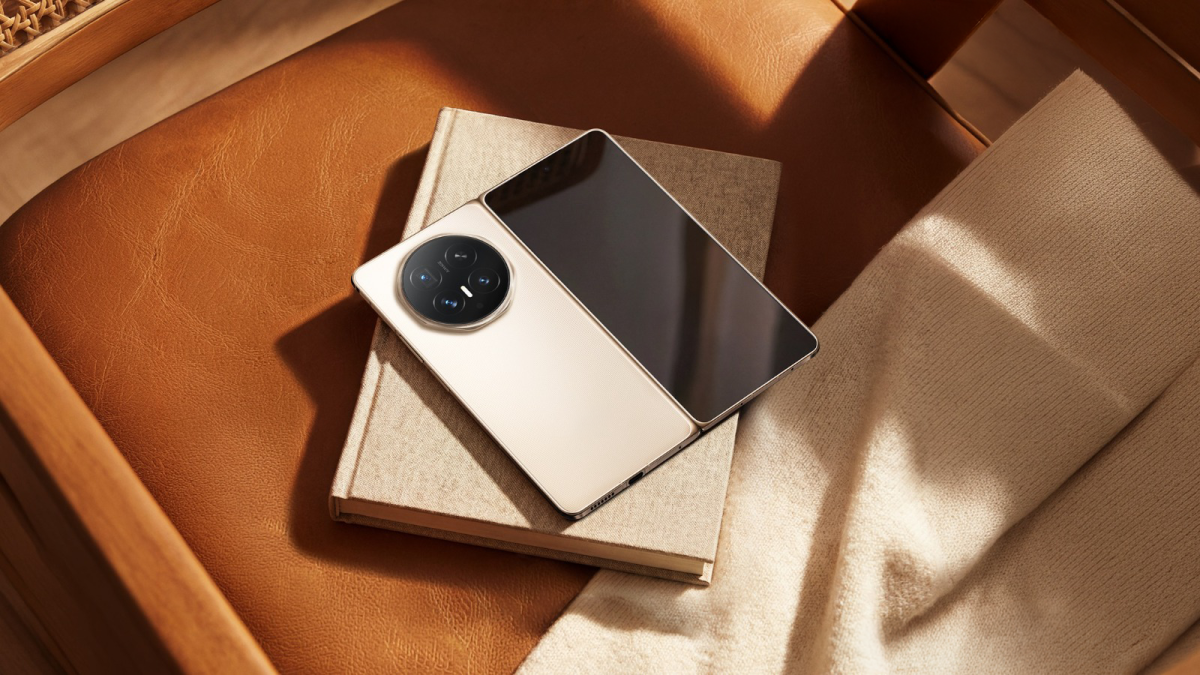
الإصدار تصميمه يقترب في أبعاده من الهواتف الذكية التقليدية، متجاوزاً إشكالية الوزن المعتادة في هذه الفئة، وتبلغ سماكة الجهاز 4.0 ‏مليمترات عند فتح الشاشة، و8.75 مليمتر عند طيها، فيما يبلغ وزنه الإجمالي قرابة 219 غراماً، وهي أبعاد ووزن مقارب للأجهزة العادية ‏وربما أقل وزنا من بعض الأجهزة العادية من الفئة العليا وتسهم هذه الأبعاد المدمجة في تقليل الفوارق الملموسة بينه وبين الأجهزة الرائدة ‏ذات الشاشة الواحدة، مما يسهل استخدامه اليومي دون الشعور بحجم إضافي.‏

واستجابةً لمعدلات الاستهلاك العالية التي تتطلبها الشاشات الكبيرة وتعدد المهام، زُوّد الجهاز ببطارية تبلغ سعتها 6660 مللي أمبير في ‏الساعة، وهي السعة الأكبر ضمن فئة الهواتف القابلة للطي حالياً، وتدعم هذه السعة تشغيل التطبيقات لفترات مطولة دون الحاجة لتعديل نمط ‏الاستخدام بهدف توفير الطاقة. وترافق البطارية تقنية الشحن السريع السلكي بقدرة 80 واط، واللاسلكي بقدرة 66 واط، لضمان دورات ‏شحن سريعة تتناسب مع الاستخدام المكثف.‏

ووفقاً لهونر فقد خضع تصميم مفصلة الهاتف لتعديلات هيكلية تتيح لها تحمل مئات الآلاف من دورات الطي لدعم الاستخدام اليومي ‏المستمر. كما دُمج في الهيكل نظام حماية شامل يعتمد على الذكاء الاصطناعي لتوزيع قوة الصدمات وتقليل أثر السقوط. وتعتمد الشاشة ‏الداخلية على زجاج "يو تي جي" المرن لتقليل تجعد منطقة الطي، بينما زُودت الشاشة الخارجية بطبقة مقاومة للخدوش. ويحمل الجهاز ‏تصنيفي "آي بي 68" و "آي بي 69" لمقاومة الماء والغبار، ما ينفي الحاجة للتعامل معه بحذر استثنائي.‏

ووظفت الشركة الصينية في نظام التشغيل واجهة الشاشة الكبيرة لتحسين إدارة المهام. ومن خلال خاصية "فاست فليكس"، ينقسم العرض ‏تلقائياً عند طي الجهاز، حيث يستمر التطبيق النشط على جانب واحد، بينما تظهر منصات الذكاء الاصطناعي مثل "جيميني" في النصف ‏الآخر. وتتيح هذه الميزة معالجة واستخراج البيانات من التطبيق المفتوح (كالخرائط أو النصوص) دون إغلاقه. وتسهل الشاشة الكبيرة ‏تشغيل تطبيقات متزامنة، كقراءة المستندات أثناء تبادل الرسائل، أو تدوين الملاحظات، مما يرفع من كفاءة تدفق العمل.‏

فهل تطلق المزيد من الشركات لأجهزة قابلة للطي تثري المنافسة وتصل بتلك الفئة إلى مستوى يقارب أو يطابق الأجهزة العادية في الصلابة والإمكانيات؟

flexible_phones2026technology
الخبر متوفّر باللغات التالية:English
المصدر الأصلي للخبر
البيان

Will Foldable Devices Be Mature in 2026?

July 07, 2026·Al Bayan
Will Foldable Devices Be Mature in 2026?


For a long time, foldable phones have hung in the middle ground between eye-catching engineering designs and practical application. Despite their theoretical viability, daily use has revealed structural challenges such as excessive thickness, fragile design, and battery capacity constraints, making sacrifices the main feature of this desirable category on the market.

Foldable devices have gone through stages, but the fragility of the structure was one of the biggest obstacles faced by this category, making it an unappealing investment even with free maintenance or part replacement during the warranty period.

With multiple challenges ranging from design and dimensions to hinge structure, durability, and batteries, development attempts have continued for 7 years without reaching a complete equation that makes foldable devices also practical and daily usable in various usage conditions. However, 2026 seems like the year when foldable devices started to mature.

However, the practical tests of the Honor Magic V6 phone, its degree of durability, resistance to water, dust, and shocks show a noticeable reduction in this technical gap, making the device more inclined towards providing a conventional experience for an ordinary phone without sacrifices beyond the experimental nature of previous generations.

The design is close in size to conventional smartphones, overcoming the usual weight issue in this category. The device's thickness is 4.0 mm when the screen is open and 8.75 mm when folded, while its total weight is approximately 219 grams, which is similar to regular devices and possibly lighter than some high-end regular devices. These compact dimensions help reduce the tangible differences between it and leading single-screen devices, making daily use easier without feeling any extra size.

In response to the high consumption rates required by large screens and multitasking, the device is equipped with a 6660 mAh battery, which is currently the largest capacity in the foldable phone category. This capacity supports running applications for extended periods without needing to adjust usage patterns to conserve power. The battery is accompanied by a wired fast charging technology of 80 watts and wireless charging of 66 watts, ensuring rapid charging cycles that are commensurate with intensive use.

According to Honor, the detailed design of the phone has undergone structural modifications that allow it to withstand hundreds of thousands of folding cycles in support of continuous daily use. An AI-based comprehensive protection system was also integrated into the structure to distribute shock force and reduce the impact of falling. The internal screen uses flexible UTX glass to minimize creasing in the folding area, while the external screen is equipped with a scratch-resistant layer. The device holds IP68 and IP69 ratings for water and dust resistance, negating the need to handle it with exceptional caution.‏

The Chinese company has employed a large screen interface in the operating system to improve task management. Through the "Fast Flex" feature, the display automatically splits when the device is folded, where the active application continues on one side, while AI platforms such as Gemini appear in the other half. This feature allows for data processing and extraction from the open application (such as maps or texts) without closing it. The large screen makes it easy to run synchronized applications, such as reading documents while exchanging messages or taking notes, which increases workflow efficiency.‏

Will more companies launch foldable devices that enrich competition and bring this category closer to or match the level of conventional devices in terms of durability and capabilities?

flexible_phones2026technology
This article is also available in:العربية
Original source article
Al Bayan