30 مليون دولار تبخرت.. لماذا عجزت ناسا عن إنقاذ «سويفت»؟
20 أغسطس 2026·البيان
30 مليون دولار تبخرت.. لماذا عجزت ناسا عن إنقاذ «سويفت»؟

تحولت واحدة من أكثر مهمات الإنقاذ طموحاً في تاريخ ناسا إلى فشل مدوٍ، بعدما أعلنت الوكالة إلغاء محاولة إنقاذ تلسكوب «نيل غيرلز سويفت» وإعادته إلى مدار أعلى، لتنتهي مهمة كلفت نحو 30 مليون دولار دون تحقيق هدفها. وكان من المفترض أن تنقذ العملية التلسكوب من السقوط التدريجي نحو الغلاف الجوي، وتمنحه سنوات إضافية من العمل في الفضاء.

البداية كانت سباقاً مع الزمن

يعمل «سويفت» منذ إطلاقه عام 2004، وقد تجاوز بكثير عمره الأصلي المخطط له، وأصبح أداة مهمة لرصد انفجارات أشعة غاما وغيرها من الظواهر الكونية العنيفة. لكن نشاط الشمس المتزايد أدى إلى تمدد الغلاف الجوي للأرض، ما زاد مقاومة الهواء على التلسكوب وأسرّ فقدانه للارتفاع. وبحلول عام 2026، أصبح «سويفت» على ارتفاع يقارب 347 كيلومتراً، بعدما كان في الأصل على نحو 600 كيلومتر.

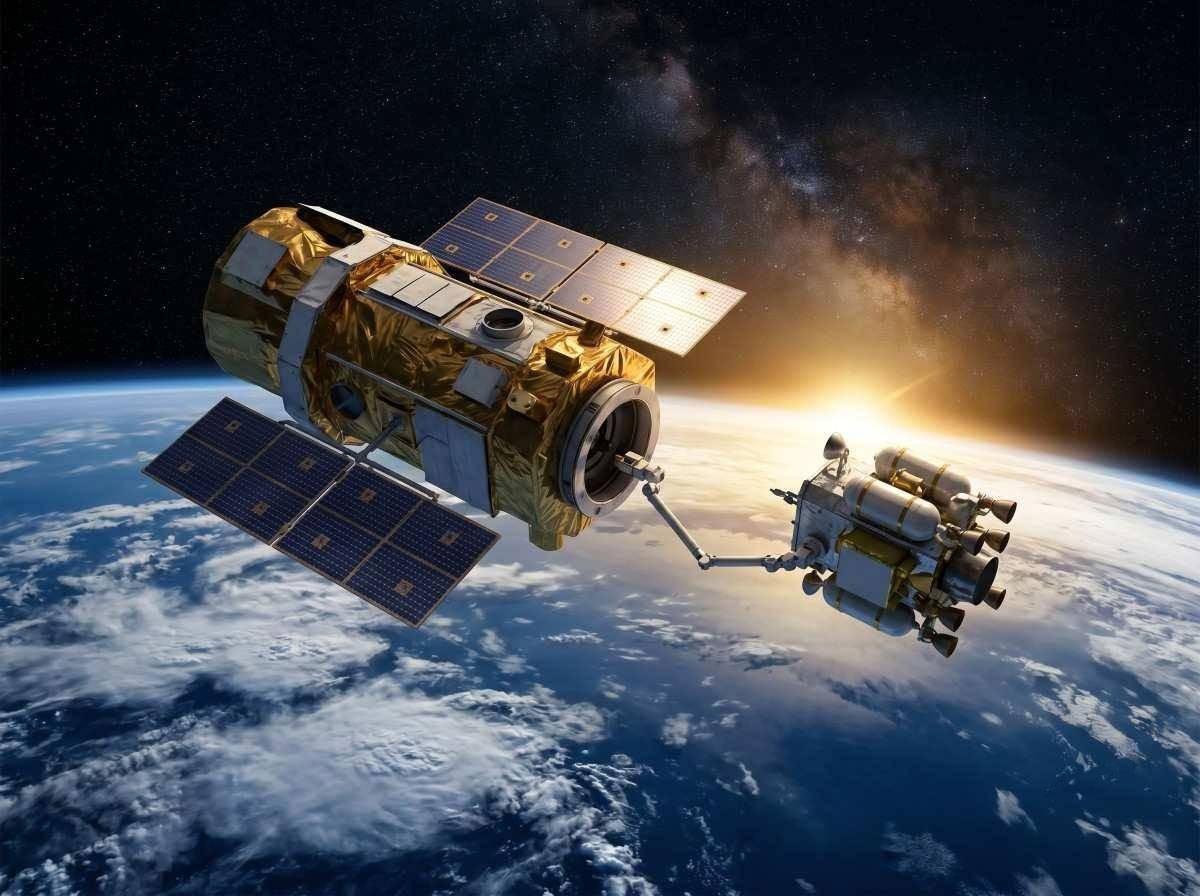
ولأن التلسكوب لا يمتلك نظام دفع خاصاً به لرفع مداره، قررت ناسا خوض محاولة غير مسبوقة لإنقاذه، عبر مركبة روبوتية تجارية طورتها شركة Katalyst Space Technologies تحت اسم LINK. وكانت الخطة أن تقترب المركبة من «سويفت»، وتمسك به بواسطة أذرع آلية، ثم تستخدم محركاتها لرفع التلسكوب إلى مدار أكثر أماناً.

مركبة الإنقاذ احتاجت إلى من ينقذها

بعد إطلاق LINK في 3 يوليو، سارت المهمة بصورة طبيعية في البداية، قبل أن تظهر المشكلة الحاسمة بعد أسابيع قليلة. فقد تعرضت المركبة إلى خلل في نظام التحكم في وضعيتها، ما تسبب في دورانها حول أكثر من محور وفقدانها القدرة على الحفاظ على اتجاه ثابت، إضافة إلى اضطراب الاتصالات مع فرق التحكم على الأرض.

وكانت المشكلة أكثر خطورة مما تبدو عليه؛ إذ أظهر التحقيق الأولي أن عجلتي رد فعل من أصل ثلاث في المركبة لم تعودا تعملان. وهذه العجلات من أهم مكونات التحكم في اتجاه المركبة، إذ تسمح لها بتغيير وضعيتها بدقة من دون استهلاك الوقود.

ومع فقدان عجلتين، أصبحت LINK تدور بصورة غير مستقرة، ما جعل تنفيذ المهمة الأساسية، الاقتراب من «سويفت» والالتحام به، شديد الخطورة.

المحركات استُخدمت لإيقاف الدوران بدلاً من الإنقاذ

حاول المهندسون استعادة السيطرة على المركبة باستخدام وسائل أخرى، بينها المحركات الدافعة التي كان يفترض أن تُستخدم لاحقاً للمساعدة في رفع مدار «سويفت». لكن استخدام هذه المحركات للتعامل مع مشكلة الدوران استهلك جزءاً من هامش المهمة، كما أن المركبة لم تكن مصممة أساساً للاعتماد عليها بهذه الطريقة كبديل كامل لنظام التحكم المتعطل.

ورغم محاولات تحديث البرمجيات وإيجاد طرق بديلة للسيطرة على المركبة، لم يتمكن المهندسون من حل مشكلة التحكم بصورة موثوقة تسمح بالمضي قدماً نحو عملية الالتحام والرفع المداري. وفي النهاية، أعلنت ناسا وKatalyst في 19 أغسطس إلغاء مهمة الإنقاذ.

الوقت كان أحد أكبر أعداء المهمة. فمدار «سويفت» كان ينخفض باستمرار، وكلما اقترب التلسكوب من الأرض أصبح إنقاذه أكثر صعوبة. ومع استمرار النشاط الشمسي، كان خطر عودته إلى الغلاف الجوي واحتراقه يتزايد، ما ترك أمام المهندسين نافذة زمنية محدودة للغاية.

كما أن LINK نفسها بُنيت في فترة قياسية بلغت نحو تسعة أشهر فقط من التعاقد حتى الإطلاق، وهو جدول زمني شديد السرعة بالنسبة إلى مهمة فضائية بهذا التعقيد. وكان الهدف من التجربة لا يقتصر على إنقاذ «سويفت»، بل اختبار تقنية يمكن استخدامها مستقبلاً في صيانة وإنقاذ أقمار صناعية أخرى.

«سويفت» يتجه إلى مصيره

بعد إلغاء المهمة، لم يعد هناك مسار عملي لرفع مدار التلسكوب. ووفق المعطيات الحالية، يتجه «سويفت» إلى فقدان المزيد من الارتفاع، قبل أن يعاود دخول الغلاف الجوي للأرض ويحترق في وقت لاحق من عام 2026.

المشكلة لم تكن في «سويفت» وحده، بل في مركبة الإنقاذ نفسها؛ إذ أصابها خلل في نظام التحكم، وتعطلت اثنتان من عجلات رد الفعل الثلاث المسؤولة عن تثبيت اتجاهها، ما أدى إلى دورانها بشكل غير مستقر واضطراب الاتصالات معها. ومع فشل المهندسين في استعادة السيطرة الكاملة عليها، أصبحت عملية الالتحام بـ«سويفت» وتنفيذ مهمة رفع مداره مستحيلة.

وبذلك تحولت مهمة الـ30 مليون دولار من محاولة لإنقاذ تلسكوب أثبت قيمته العلمية على مدى أكثر من عقدين، إلى تجربة قاسية كشفت مدى صعوبة تنفيذ عمليات الإنقاذ والصيانة في المدار، خصوصاً عندما تكون المركبة التي يفترض أن تنقذ القمر الصناعي هي نفسها التي تواجه أزمة في الفضاء.

NASASwifttelescope
الخبر متوفّر باللغات التالية:English
المصدر الأصلي للخبر
البيان

$30 million evaporated... Why was NASA unable to save “Swift”?

August 20, 2026·Al Bayan
$30 million evaporated... Why was NASA unable to save “Swift”?

One of NASA’s most ambitious rescue missions in history has ended in a spectacular failure, after the agency announced it was canceling an attempt to save and put the “Neil Gehrels Swift” telescope into a higher orbit. The mission, which cost around $30 million, failed to achieve its goal. It was supposed to save the telescope from its gradual fall towards the atmosphere and give it extra years of operation in space.

The race against time began

Since its launch in 2004, Swift has far exceeded its planned lifespan and become an important tool for observing gamma ray bursts and other violent cosmic phenomena. However, the sun’s increased activity caused Earth's atmosphere to expand, increasing air resistance on the telescope and causing it to lose altitude. By 2026, Swift was at an altitude of around 347 kilometers, down from its original height of about 600 kilometers.

Since the telescope does not have a propulsion system to raise its orbit, NASA decided to attempt an unprecedented rescue mission using a commercial robotic spacecraft developed by Katalyst Space Technologies called LINK. The plan was for the spacecraft to approach Swift and grasp it with mechanical arms, then use its engines to lift the telescope into a safer orbit.

The rescue vehicle needed to be rescued

After the launch of LINK on July 3, everything went smoothly at first. But a critical problem emerged just weeks later. The spacecraft experienced issues with its attitude control system, causing it to spin around multiple axes and lose its ability to maintain a stable orientation. Communication with ground control teams was also disrupted.

The issue was more serious than initially thought. An initial investigation revealed that two out of the three reaction wheels on board had stopped functioning. These wheels are crucial for attitude control, enabling precise changes in the spacecraft’s orientation without consuming fuel.

With two wheels nonfunctional, LINK became unstable and faced significant challenges in executing its primary mission: approaching and docking with Swift.

Engines were used to stop the spin instead of saving it

Engineers attempted to regain control using other means, including the thrusters that were intended for later use in raising Swift’s orbit. However, using these engines to address the spinning issue consumed part of the mission’s margin and was not the spacecraft’s primary design. It was not meant to rely on them as a complete substitute for the failed attitude control system.

Despite attempts to update the software and find alternative methods of controlling the spacecraft, engineers were unable to resolve a reliable control problem that would allow them to proceed with the docking and orbital boost. On August 19th, NASA and Katalyst ultimately announced the cancellation of the rescue mission.

Time was one of the biggest enemies of the mission. The Swift orbit was continuously decreasing, and as the telescope drew closer to Earth, its rescue became more difficult. As solar activity continued, the risk of re-entry and burning in the atmosphere increased, leaving engineers with a very limited time window.

LINK itself had been built in record time: just nine months from contract to launch—an extremely fast schedule for such a complex space mission. The goal of the experiment was not only to save Swift but also to test technology that could be used in the future for maintaining and rescuing other satellites.

Swift heads towards its fate

After the mission was canceled, there is no practical path to raise the telescope’s orbit. According to current data, Swift will continue to lose altitude before re-entering Earth's atmosphere and burning later in 2026.

The problem was not only with the Swift, but also with the rescue vehicle itself. A malfunction in its control system and a failure of two out of three reaction wheels responsible for stabilizing it caused instability and communication problems. As engineers failed to regain full control over it, the task of docking with Swift and implementing the mission to raise its orbit became impossible.

Thus, the $30 million mission turned from an attempt to rescue a telescope that had proven its scientific value for more than two decades into a harsh experiment revealing the difficulty of carrying out rescue and maintenance operations in orbit, especially when the vehicle supposed to save the satellite is itself facing a crisis in space.

NASASwifttelescope
This article is also available in:العربية
Original source article
Al Bayan