5 منافذ شحن تقليدية قديمة نسي أن الهواتف كانت تمتلكها قبل منفذ USB-C
17 نوفمبر 2026·إنجاجيت
5 منافذ شحن تقليدية قديمة نسي أن الهواتف كانت تمتلكها قبل منفذ USB-C

في وقت سابق، عندما كانت الشواحن أقل توحيدًا، كان لدينا بعض المنافذ المثيرة للاهتمام لتغذية الهواتف المحمولة

بقلم أنتوني تيرنس 17 نوفمبر 2026 6:30 مساءً EST Daniel_Lin/Shutterstock أضف Engadget على جوجل: Google Discover

من تصميمه القابل للانعكاس إلى تحسين توصيل الطاقة ونقل البيانات عالي السرعة، يعد منفذ USB-C هو المنافس الأول في عالم الهواتف الذكية اليوم. وقد رسخ مرسوم شامل صادر عن الاتحاد الأوروبي موقعه الرائد في السباق نحو معيار عالمي. كانت المنافذ السابقة، على الرغم من جاذبيتها، أكبر حجمًا وأقل تطورًا. أدى عدم وجود منفذ موحد إلى كمية كبيرة من النفايات الإلكترونية عند تغيير الشواحن كلما حاولت تجربة هاتف من شركة مصنعة جديدة.

على الرغم من نطاقات عرضها المحدودة وسرعات شحنها الأبطأ، لا أستطيع إلا أن أتذكر بكل حنين هذه المنافذ الفريدة من نوعها في الأيام الخوالي. كانت تأتي بأشكال وأحجام مختلفة بناءً على ما يعتقد المصنعون أن عملاءهم يريدونه وما هو قابل للتنفيذ تقنيًا في ذلك الوقت. قبل ميزات مثل AirDrop من آبل، كان عليك الاعتماد على كابل مادي لنقل الملفات الكبيرة، وقد يكون لديك مجموعة ضخمة إذا انتقلت بين شركات تصنيع الهواتف.

دعونا نلقي نظرة على بعض منافذ الشحن القديمة، التي تم نسيانها أو حتى الغريبة، والتي تم دمجها في هواتف الأمس قبل ظهور USB-C.

محول توصيل حافلة Motorola CE
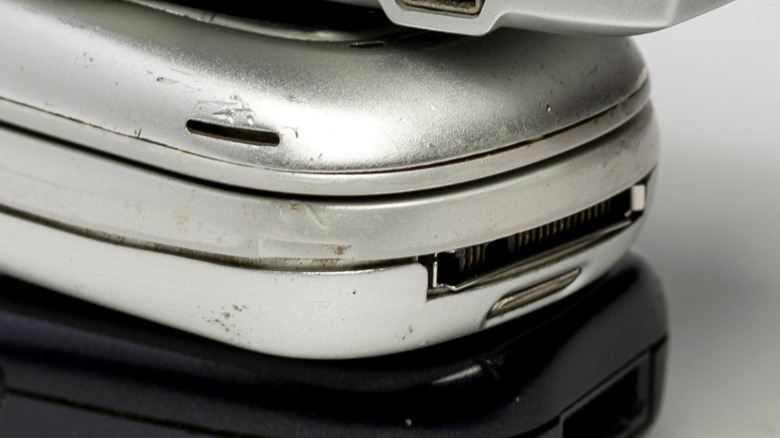
محول توصيل حافلة Motorola CE على هاتف فضي. skovalsky/Shutterstock

ظهر محول توصيل حافلة Motorola CE لأول مرة على هواتف Motorola في عام 2000، وكان ضخمًا للغاية. على الرغم من أنه لم يكن قابلًا للإدراج من كلا الطرفين ولم يحتوي على مشابك لإبقائه في مكانه، إلا أن المحول كان ملحوظًا لأنه يدير الطاقة والبيانات والصوت معًا. تم استخدامه في Motorola V60، أحد أكثر نماذج حقبة الغطاء القابل للفتح شهرةً. كما تم إطلاق أول هاتف يدعم iTunes، وهو Motorola ROKR E1، مع هذا المنفذ.

انتقلت الهواتف الأرق مثل Razr V3 إلى Mini-USB، مما جعل محول توصيل حافلة Motorola CE قديمًا. ساعدت الشركات الأخرى التي انتقلت نحو Mini-USB أيضًا في خفض التكاليف، مقارنة بامتلاك حلول مملوكة لنقل البيانات أو شحن الأجهزة.

منفذ نوكيا بوب
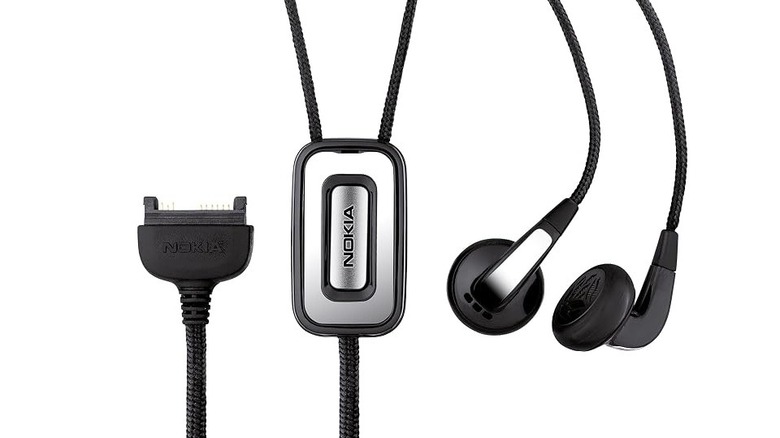
سماعات الرأس Nokia HS-31 Fashion بجانب منفذ بوب. نوكيا/أمازون

تم تصميم منفذ بوب الخاص بشركة نوكيا للتوافق مع الإكسسوارات الخارجية، بدءًا من سماعات الأذن وحتى كابلات نقل البيانات. سيذكر أصحاب هاتف نوكيا 7210 الشهير لعام 2002 منفذه ذي الـ 14 دبوس والذي كان يدعم الإضافات الخاصة بملحقات الكاميرا ومجموعات السيارات. مع ذلك، لم يكن آمنًا جدًا، وتآكلت مشابكه البلاستيكية مع مرور الوقت. جعل هذا الاستماع إلى الموسيقى مهمة شاقة، خاصة عند الذهاب للجري.

على الرغم من إمكانية استخدام منفذ بوب لشحن الهاتف، إلا أن أجهزة نوكيا في ذلك الوقت كانت تعتمد عادةً على منفذ متصل منفصل بدبوس رفيع قياس 2.0 ملم بدلاً منه. مع انتشار منافذ Mini-USB، بدأ منفذ بوب يتلاشى تدريجيًا.

محول Apple ذو الـ 30 دبوس
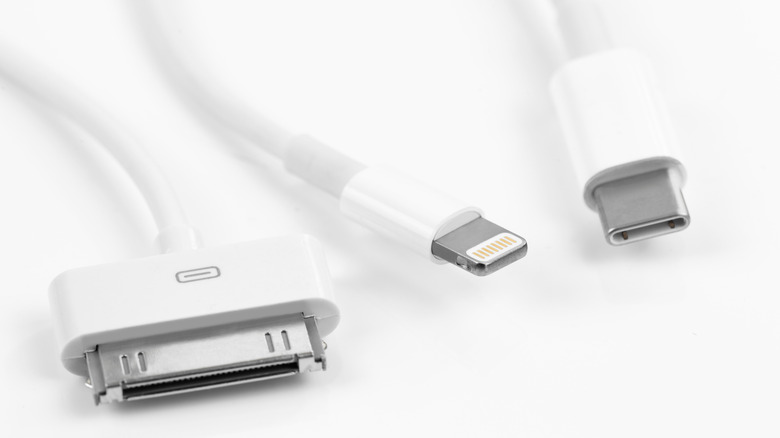
كابل Apple ذو الـ 30 دبوس، وكابل Lightning، وكابل USB-C. Primakov/Shutterstock

ظهر محول الطاقة المملوك لشركة Apple لأول مرة في عام 2003 على جهاز iPod من الجيل الثالث. ثم تم استخدام هذا المنفذ المسطح الواسع عبر طرازات iPhone و iPad الأولى. كما اعتمدت أنظمة مكبرات الصوت مثل SoundDock من Bose، و iPod Hi-Fi من Apple، على هذا المنفذ. ساعدت جميع تلك الدبابيس في المحول على ضمان دعم FireWire، وهو معيار الشحن التقليدي لشركة Apple، في ظهوره المبكر.

استبدلتها آبل بمنفذ لايتنينج (Lightning) القابل للإزالة والأصغر بحجم 8 أطراف في عام 2012، وهو خيار آخر خاص يمنع معسكر آبل من استخدام الشواحن المتوافقة مع أجهزة أندرويد. كما احتوت هذه المنافذ على رقائق صغيرة لتنظيم الجهد الكهربائي، مما سمح للشركة بجمع رسوم الترخيص عندما استخدمتها الشركات المصنعة للأطراف الخارجية. وفي عام 2018، قامت آيباد برو (iPad Pro) بالتحول إلى منفذ يو إس بي سي (USB-C)، وتبعها خط إنتاج آيفون 15 (iPhone 15) في عام 2023.

منفذ شحن سوني إريكسون فاست بورت
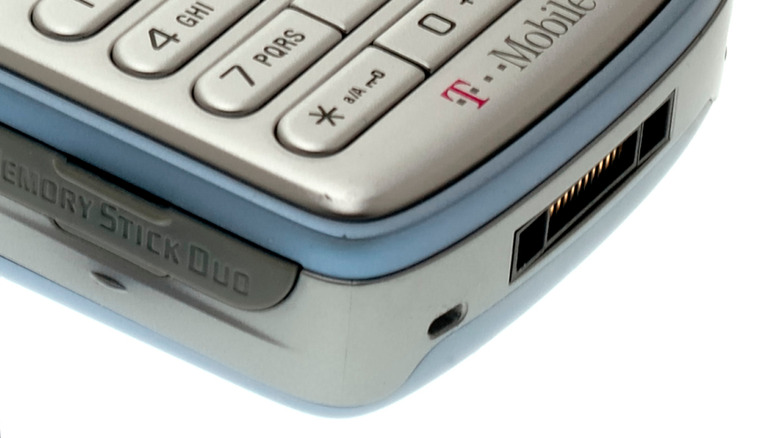
The Sony Ericsson FastPort on the K850i. Lenscap Photography/Shutterstock

صُمم منفذ الشحن فاست بورت ليعالج عمليات نقل البيانات والشحن ومخرجات الصوت، وقد ظهر في عام 2005 على هاتف سوني إريكسون ك750 أي. مع هوك بلاستيكي مزدوج الجانبين ينقض على الثقوب المطابقة الموجودة على الجهاز، كان الاتصال الهش المؤلف من 12 دبوس يشبه براغي منفذ VGI. إذا انكسر أحد الأخطاب، لن يبقى المقبس في مكانه، مما يسبب الكثير من المتاعب.

على الرغم من عيوبه، أشارت مرونة فاست بورت إلى الاتجاه الذي ستأخذه صناعة الهواتف المحمولة أثناء بحثها عن معيار عالمي. تم استبداله بمجموعة من منفذ مايكرو يو إس بي ومخرج الصوت 3.5 ملم في عام 2010. قد لا تكون فترة الخمس سنوات كثيرة في عالم التكنولوجيا، لكن شكله غير التقليدي يظل أيقونيًا حتى يومنا هذا.

HTC إكس تي سي يو إس بي
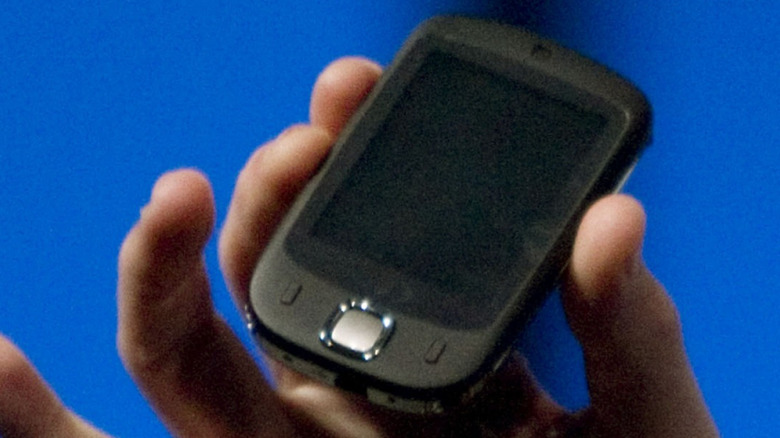
هاتف ذكي من HTC Touch يعمل بنظام ويندوز موبايل. كيمبرلي وايت/جيتي إيمجز

تضمن هاتف "إتش تي سي دريم"، أول هاتف أندرويد متاح تجاريًا، منفذ "إكس تي سي يو إس بي" السميك المكون من 11 دبوس، المعروف أيضًا باسم "يو إس بي الممتدة". يمكن التعرف عليه بزاوية ركنه، حيث يجمع بين منفذ "ماين-يو إس بي" المكون من 5 دبابيس مع دبابيس إضافية تمنحه قدرات البيانات والطاقة والصوت. لحسن الحظ، كان ذلك يعني توافق شاحنات "ماين-يو إس بي" العادية مع هذا المنفذ القديم.

كان المنفذ حصريًا لأجهزة أندرويد المبكرة من "إتش تي سي" وهواتف "ويندوز موبايل" قبل أن تنتقل إلى منافذ "مايكرو-يو إس بي". لوقت ما، تخلت الهواتف التي تحتوي على هذا المنفذ عن فتحة سماعات الرأس 3.5 ملم قبل فترة طويلة من إزالتها من "آيفون"، مما أجبر المستخدمين على شراء محولات "إكس تي سي يو إس بي" للاتصال بسماعاتهم.

charging portsphonesUSB-C
الخبر متوفّر باللغات التالية:English
المصدر الأصلي للخبر
إنجاجيت

5 old-school charging ports you probably forgot phones had before USB-C

November 17, 2026·Engadget
5 old-school charging ports you probably forgot phones had before USB-C

Back when chargers were less standardized, we had some interesting connectors for phone power.

By Antony Terence Nov. 17, 2026 6:30 pm EST Daniel_Lin/Shutterstock Add Engadget on Google: Google Discover

From its reversible design to improved power delivery and high-speed data transfers, USB-C is the connector to beat for smartphones today. A sweeping EU mandate cemented its pole position in the race toward a universal standard. Earlier ports, charming as they were, were often bulkier and not as feature-rich. The lack of a universal connector led to a significant amount of e-waste from switching chargers every time you tried a phone from a new manufacturer.

Despite their limited bandwidth and slower charging speeds, I can't help but look back fondly at these unique connectors from the old days. They came in all shapes and sizes based on what manufacturers thought their customers wanted and what was technically feasible at the time. Before features like Apple's AirDrop, you had to rely on a physical cable to transfer large files, and your collection might have been huge if you jumped between phone manufacturers.

Let's check out some of the old-school, sometimes forgotten or even bizarre, charging ports that made it into yesteryear's phones before the advent of USB-C.

Motorola CE Bus connector

The Motorola CE Bus connector on a silver phone. skovalsky/Shutterstock

First seen on Motorola phones in 2000, the 17-pin CE Bus connector was gigantic. While it wasn't reversible and had hooks that kept it in place, the connector was notable for managing power, data and audio together. It was used in the Motorola V60, one of the most recognizable models of the clamshell era. The first phone with iTunes support, the Motorola ROKR E1, also launched with the port.

Thinner phones like the Razr V3 switched over to Mini-USB, making the CE Bus connector obsolete. Other companies moving toward Mini-USB also helped lower costs, compared to having tons of proprietary solutions to transfer data or charge devices.

Nokia Pop-Port

The Nokia HS-31 Fashion headphones next to the Pop-Port connector. Nokia/Amazon

Nokia's Pop-Port connector was built with external accessories in mind, from earphones to data transfer cables. Owners of the famed Nokia 7210 from 2002 will remember its 14-pin port supporting camera accessory add-ons and car kits. It wasn't very secure, however, and its plastic clips wore down with time. This made listening to music a chore, especially when you went jogging.

While the Pop-Port could be used for charging, Nokia devices of the time usually relied on a separate 2.0 mm thin-tip barrel connector instead. As Mini-USB ports became common, the Pop-Port slowly faded from existence.

Apple 30-pin connector

An Apple 30-pin cable, a Lightning cable and a USB-C cable. Primakov/Shutterstock

Apple's proprietary power connector first showed up in 2003 on the third-gen iPod. This flat and wide port was then used across the first iPhone and iPad models. Speaker systems like Bose's SoundDock and Apple's iPod Hi-Fi also relied on the port. All those pins in the connector helped ensure support for FireWire, Apple's legacy charging standard, in its early appearances.

Apple replaced it with the reversible and smaller 8-pin Lightning connector in 2012, another proprietary option that kept the Apple camp from using chargers compatible with Android devices. These connectors also housed small chips to regulate voltage, which let the company collect licensing fees when third-party manufacturers used it for accessories. In 2018, the iPad Pro made the switch to USB-C and the iPhone 15 lineup followed suit in 2023.

Sony Ericsson FastPort

The Sony Ericsson FastPort on the K850i. Lenscap Photography/Shutterstock

Built to handle data transfers, charging and audio output, the clunky FastPort showed up in 2005 on the Sony Ericsson K750i. With double-sided plastic hooks that snapped onto matching holes on the device, the flimsy 12-pin connection was reminiscent of a VGI port's screws. If a hook were to break, the plug would no longer snap into place, creating a huge pain.

Despite its flaws, the FastPort's versatility pointed in the direction the mobile industry would take as it hunted for a universal standard. It was replaced by the Micro-USB and 3.5 mm audio jack combo in 2010. A five-year run might not be much in tech time, but its unconventional shape remains iconic to this day.

HTC ExtUSB

An HTC Touch smartphone with Windows Mobile. Kimberly White/Getty Images

The HTC Dream, the first commercially available Android phone, featured the chunky 11-pin ExtUSB port, also known as Extended USB. Recognizable by its slanted corner, it combined the 5-pin Mini-USB port with extra pins that granted it data, power and audio capabilities. Fortunately, that meant regular Mini-USB chargers were compatible with this legacy port.

The connector was exclusive to HTC's early Android devices and Windows Mobile phones before they switched to Micro-USB ports. For a time, phones with this port dropped the 3.5 mm headphone jack long before Apple removed it from the iPhone, forcing users to purchase ExtUSB adapters to connect their headphones.

charging portsphonesUSB-C
This article is also available in:العربية
Original source article
Engadget