إذا كانت سيارات وايمو من المستوى الرابع من الأتمتة، فما الذي يتطلبه الوصول إلى المستوى الخامس؟
22 أغسطس 2026·إنجاجيت
إذا كانت سيارات وايمو من المستوى الرابع من الأتمتة، فما الذي يتطلبه الوصول إلى المستوى الخامس؟

لا يتعلق الأمر بقدرات المركبة ذاتية القيادة، بل بالظروف التي يمكنها العمل فيها.

بقلم نوفاك بوزوفيتش في 22 أغسطس/آب 2026 5:30 مساءً بتوقيت شرق الولايات المتحدة كاروليس كافولييس/شاترستوك

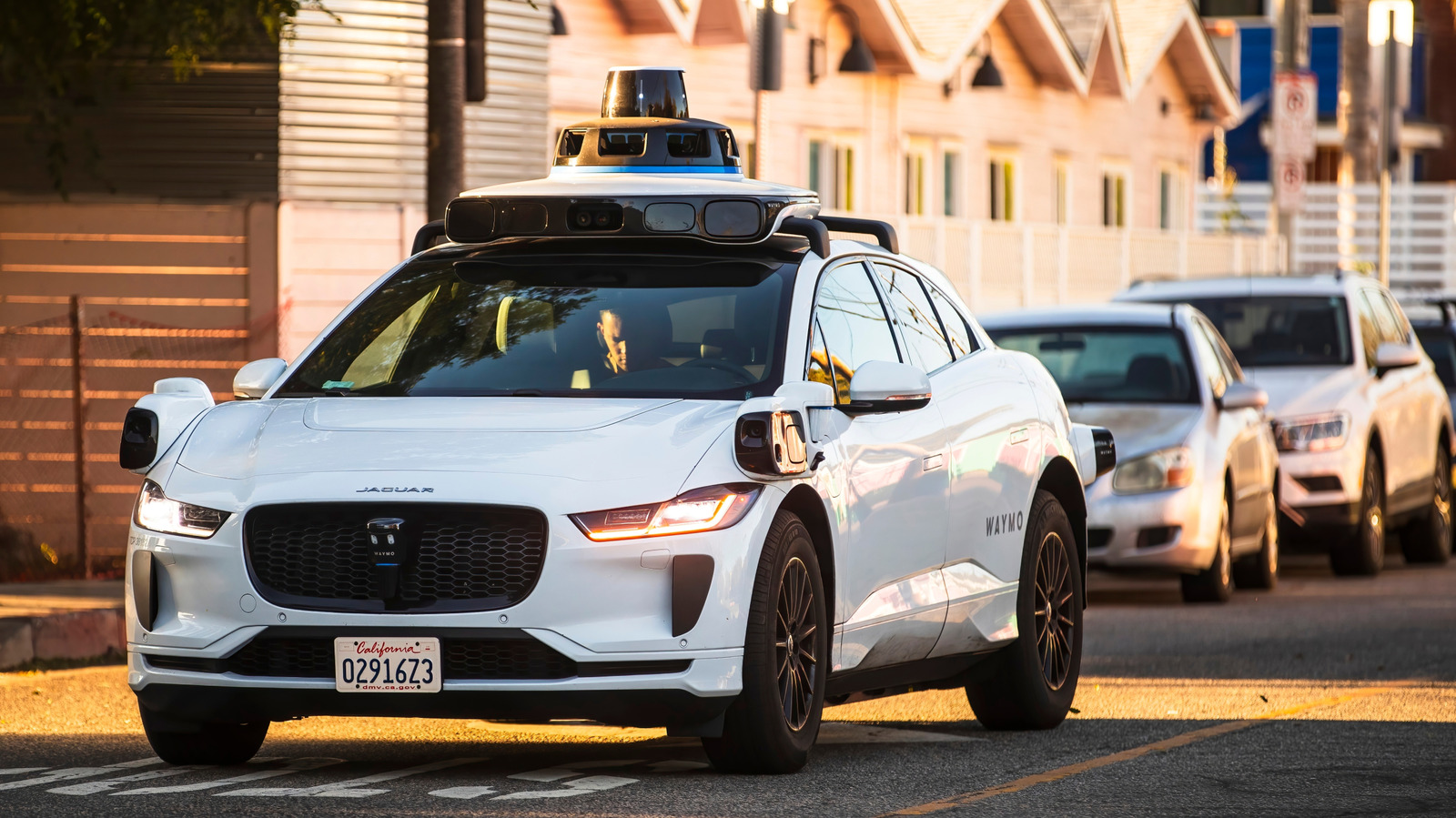
إن رؤية سيارة تتحرك عبر حركة المرور في المدينة دون وجود أي شخص على مقعد السائق قد تجعل المرء يشعر بأن وايمو قد وصلت بالفعل إلى أعلى مستوى ممكن من الأتمتة. ومن منظور الراكب، لا يوجد عجلة قيادة، ولا مراقبة، ولا حاجة لتدخل إنسان. تتولى المركبة إدارة الرحلة بأكملها بمفردها.

ولكن وفقًا لإطار أتمتة القيادة التابع للجمعية الأمريكية للمهندسين (SAE)، لا تزال هذه القدرة في المستوى 4 بدلاً من أعلى مستوى: المستوى 5. التمييز الرئيسي ليس مدى "استقلالية" القيادة في الممارسة العملية، ولكن المكان الذي يسمح فيه بهذه الاستقلالية. في المستوى 4، يمكن للنظام التعامل بالكامل مع مهمة القيادة دون تدخل بشري - ضمن مجموعة محددة من الظروف والمواقع. يزيل المستوى 5 هذه الحدود تمامًا.

لماذا تعتبر وايمو مستوى الأتمتة 4
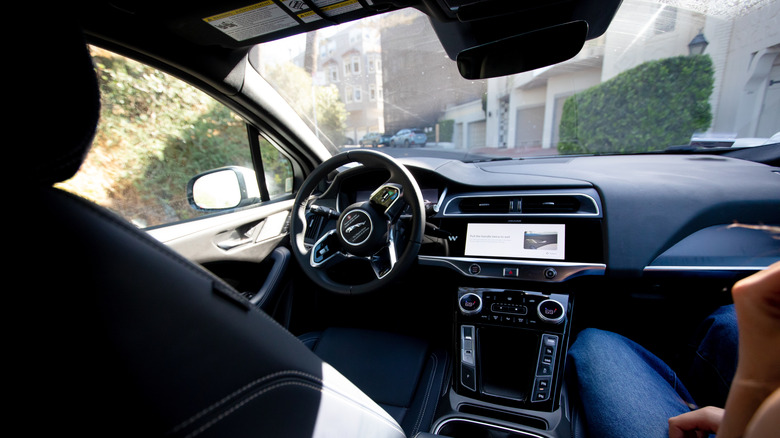
داخل سيارة جاجوار ذاتية القيادة لوايمو مع مقعد سائق فارغ، عجلة قيادة ولوحة قيادة مرئية من منطقة الركاب الخلفية. bluestork/Shutterstock

من الناحية الصارمة، فإن نظام القيادة الآلي للشركة، وهو "وايمو درايفر"، هو ما تم تصنيفه على أنه مستوى 4. يصف بحث السلامة الذي نشرته وايمو النظام بأنه نظام قيادة آلي من المستوى 4 وفقًا لمعيار جمعية مهندسي السيارات (SAE)، وهذا التصنيف يفسر لماذا لا يجعل مقعد السائق الفارغ تلقائيًا سيارة وايمو من المستوى 5.

يوجد ما مجموعه ستة مستويات من أتمتة SAE، مرقمة من 0 إلى 5. تبدأ إدارة سلامة حركة المرور على الطرق السريعة (NHTSA) تفكيكها عند المستوى 0، حيث يقوم الإنسان بكل القيادة حتى لو تمكنت أنظمة السلامة من التدخل لفترة وجيزة. يمكن للمستوى 1 المساعدة باستمرار في التوجيه أو التسارع والكبح، بينما يمكن للمستوى 2 التعامل مع كليهما في نفس الوقت. في كلتا الحالتين، يظل السائق مسؤولاً عن السيارة.

يغير المستوى 3 من يقوم بالقيادة. يمكن للنظام التعامل مع مهمة القيادة بأكملها تحت ظروف معينة، ولكن يجب أن يكون الإنسان متاحًا للاستيلاء عند الطلب. في المستوى 4، تختفي هذه المتطلبات. بمجرد أن يعمل النظام الآلي ضمن شروطه المقصودة، يصبح الركاب هم الركاب بدلاً من السائقين الاحتياطيين.

هذا هو السبب أيضًا في أن Waymo يمكنها وصف خدمتها بأنها ذاتية القيادة بالكامل دون ادعاء مستوى SAE 5. يمكن لسياراتها إكمال الرحلات دون وجود أي شخص يجلس خلف عجلة القيادة، ولكن لا تزال هذه القدرة لها حدود تشغيل محددة.

ما الذي يفصل المستوى الرابع عن المستوى الخامس من الأتمتة
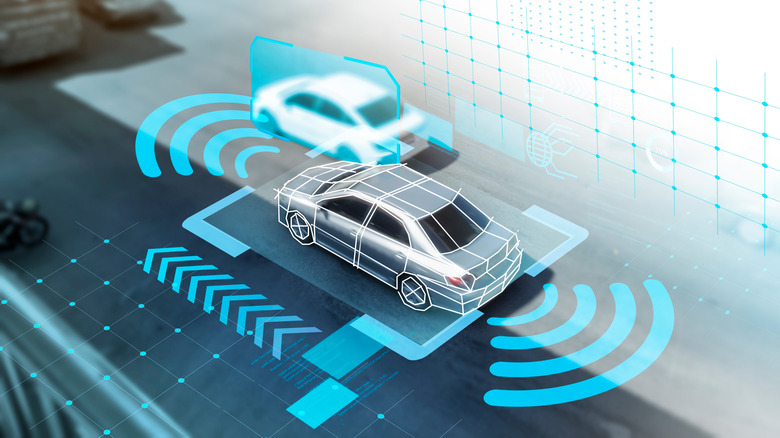
رسم توضيحي لسيارة ذاتية القيادة محاطة بأمواج أجهزة الاستشعار، ورسوم الخرائط، والطبقات التي تكشف المركبات.Oselote/Shutterstock

عادةً ما تصف هذه الحدود بمجال التصميم التشغيلي، أو ODD. وبعبارات بسيطة، يحدد مجال التصميم التشغيلي المكان الذي تم تصميم نظام القيادة الذاتية للعمل فيه، والظروف التي يعمل فيها. ويمكن أن يشمل ذلك الجغرافيا، وأنواع الطرق المصمم لها، وظروف الطقس التي يمكنه التعامل معها. وتعرّف جمعية مهندسي السيارات (SAE) هذا المجال بأنه مجموعة الظروف التي تم تصميم نظام القيادة الذاتية للعمل فيها، ومن المتوقع أن تتعامل أنظمة المستوى الرابع مع القيادة بمفردها داخل هذه الحدود.

في المستوى 4، يقوم النظام بكل مهمة القيادة داخل نطاقه المحدد. يزيل المستوى 5 هذه القيود: تصفه إدارة السلامة الوطنية للمركبات (NHTSA) بأنه يعمل عالميًا بدلاً من مناطق الخدمة المحدودة فقط. لذلك لا يتعلق المستوى 5 بأن تكون السيارة "أكثر استقلالية" أثناء حركة معينة. يقوم نظام Waymo من المستوى 4 بالفعل بالقيادة والتوقف واتخاذ القرارات بمفرده عند العمل داخل نطاقه. الفرق هو النطاق، وليس المسؤول عن القيادة.

لهذا السبب يمكن لـ Waymo الاستمرار في تحسين نظامها مع الحفاظ على المستوى 4. على سبيل المثال، تقول Waymo إن سائق الجيل السادس لديه قدرات موسعة للتعامل مع بيئات أكثر تنوعًا، بما في ذلك الطقس الشتوي القاسي. توسيع النظام ليشمل مدنًا أو أنواع طقس جديدة يزيد من قدرته، ولكن طالما أنه لا يزال يعمل داخل حدود محددة، فإنه يظل في المستوى 4 بدلاً من المستوى 5.

لماذا الوصول إلى المستوى 5 أصعب بكثير من توسيع نطاق المستوى 4
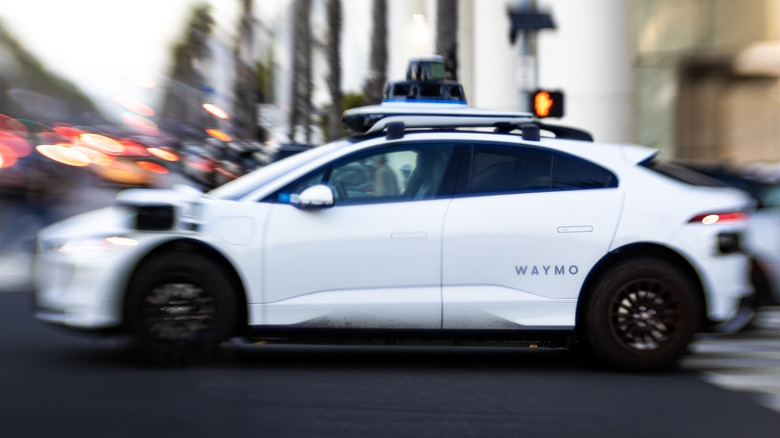
سيارة Waymo ذاتية القيادة البيضاء تتحرك عبر تقاطع مدينة مع أجهزة الاستشعار الخاصة بالقيادة الذاتية المثبتة على السقف مرئية. Ward Dewitt/Getty Images

يوفر توسيع نطاق نظام المستوى 4 للمطورين حدودًا حول المشكلة. يمكنهم تحديد مكان عمل النظام، وتحديد الشروط التي يحتاج إلى التعامل معها واختبار سلوكه ضد السيناريوهات ذات الصلة بتلك المنطقة. يزيد إزالة هذه الحدود بشكل كبير مما يجب مراعاته.

هذا الأمر صعب بالفعل في المستوى 4. أشارت وايمو في بحثها لعام 2026 حول اختبار تجنب الاصطدام إلى أن تقييم نظام المستوى 4 معقد بسبب العدد الهائل المحتمل من السيناريوهات التشغيلية التي قد تنشأ فيها حالة خطيرة. تحدد منهجيتها السيناريوهات الخطرة المحتملة باستخدام بيانات القيادة البشرية، وبيانات اختبارات القيادة الذاتية لوايمو، ومعرفة الخبراء.

يوفر الطقس مثالاً ملموساً على هذه الحدود. في مايو/أيار 2026، واجهت شركة Waymo طرقًا غمرتها المياه في أتلانتا وسان أنطونيو، مما دفع الشركة إلى تعليق أو تقييد بعض العمليات أثناء عملها على التحسينات.

لا يوجد عد تنازلي موثوق به حول الوقت الذي سيصل فيه المستوى 5. حاليًا، تقول إدارة سلامة المرور على الطرق السريعة (NHTSA) إن تكنولوجيا المستوى 5 غير متوفرة في المركبات للشراء من قبل المستهلكين، وتصف مستويات جمعية مهندسي السيارات (SAE) القدرات بدلاً من خارطة طريق التطوير.

autonomous_drivingWaymoLevel_5
الخبر متوفّر باللغات التالية:English
المصدر الأصلي للخبر
إنجاجيت

If Waymo cars are Level 4 automation, what does it take to be a Level 5?

August 22, 2026·Engadget
If Waymo cars are Level 4 automation, what does it take to be a Level 5?

It's less about an autonomous vehicle's capabilities and more about what conditions it can operate in.

By Novak Božović Aug. 22, 2026 5:30 pm EST Karolis Kavolelis/Shutterstock

Seeing a car move through city traffic with no one in the driver's seat can make it feel like Waymo has already reached the highest possible level of automation. From a passenger's perspective, there's no steering, no monitoring and no need for a human to intervene. The vehicle handles the entire trip on its own.

But under SAE's (Society of Automotive Engineers) driving automation framework, that capability is still Level 4 rather than the highest: Level 5. The key distinction isn't how "independent" the driving looks in practice, but where that independence is allowed to exist. At Level 4, the system can fully handle the driving task without human input — within a defined set of conditions and locations. Level 5 removes those boundaries entirely.

Why Waymo is considered Level 4 automation

Interior of a Waymo self-driving Jaguar with an empty driver's seat, steering wheel and dashboard visible from the rear passenger area. bluestork/Shutterstock

Strictly speaking, it's the Waymo Driver, the company's automated driving system, that's classified as Level 4. Waymo's published safety research describes it as an SAE Level 4 automated driving system, and that classification explains why an empty driver's seat doesn't automatically make a Waymo Level 5.

There are a total of six SAE automation levels, numbered 0 through 5. The National Highway Traffic Safety Administration (NHTSA) starts its breakdown at Level 0, where the human does all the driving even if safety systems can briefly intervene. Level 1 can continuously assist with steering or acceleration and braking, while Level 2 can handle both at the same time. In each case, the driver remains responsible for the car.

Level 3 changes who's doing the driving. The system can handle the entire driving task under certain conditions, but the human must be available to take over when requested. At Level 4, that requirement disappears. Once the automated system is operating within its intended conditions, the occupants are passengers rather than backup drivers.

This is also why Waymo can describe its service as fully autonomous without claiming SAE Level 5. Its cars can complete rides without anyone sitting behind the wheel, but that ability still has defined operating limits.

What separates Level 4 from Level 5 automation

Digital illustration of an autonomous car surrounded by sensor waves, mapping graphics and vehicle-detection overlays. Oselote/Shutterstock

Those limits are usually described as an operational design domain, or ODD. In simple terms, the ODD defines where and under what conditions a self-driving system is designed to operate. That can include geography, the types of roads it's designed for and the weather conditions it can handle. SAE defines it as the set of conditions an automated driving system is designed for, and Level 4 systems are expected to handle driving on their own within those boundaries.

At Level 4, the system handles the entire driving task within its ODD. Level 5 removes that limitation: NHTSA describes it as operating universally rather than within limited service areas. So Level 5 isn't about a car being "more autonomous" during a particular maneuver. A Level 4 Waymo already handles steering, braking and decision-making on its own when operating within its domain. The difference is scope, not who is responsible for driving.

That's why Waymo can keep improving its system and still remain Level 4. For example, Waymo says its sixth-generation Driver has expanded capabilities for more diverse environments, including extreme winter weather. Expanding into new cities or weather types makes the system more capable, but as long as it still operates within defined boundaries, it remains Level 4 rather than Level 5.

Why getting to Level 5 is much harder than expanding Level 4

White Waymo self-driving vehicle moving through a city intersection with its roof-mounted autonomous driving sensors visible. Ward Dewitt/Getty Images

Expanding a Level 4 system gives developers boundaries around the problem. They can define where the system should operate, identify the conditions it needs to handle and test its behavior against scenarios relevant to that domain. Removing those boundaries dramatically increases what has to be accounted for.

That's already difficult at Level 4. In its 2026 research on collision-avoidance testing, Waymo noted that evaluating a Level 4 system is complicated by the potentially enormous number of operational scenarios in which a hazardous situation might develop. Its methodology identifies potentially hazardous scenarios using human driving data, data from Waymo's automated-driving tests and expert knowledge.

Weather offers a concrete example of those limits. In May 2026, Waymos encountered flooded roads in Atlanta and San Antonio, leading the company to suspend or restrict some operations while it worked on improvements.

There isn't a reliable countdown to when Level 5 will arrive. NHTSA currently says Level 5 technology isn't available in vehicles for consumer purchase, and the SAE levels describe capabilities rather than a development roadmap.

autonomous_drivingWaymoLevel_5
This article is also available in:العربية
Original source article
Engadget