الاستخبارات والتكنولوجيا.. تعرّف إلى فضائل «سي آي أيه» على «أبل»
23 أغسطس 2026·البيان
الاستخبارات والتكنولوجيا.. تعرّف إلى فضائل «سي آي أيه» على «أبل»

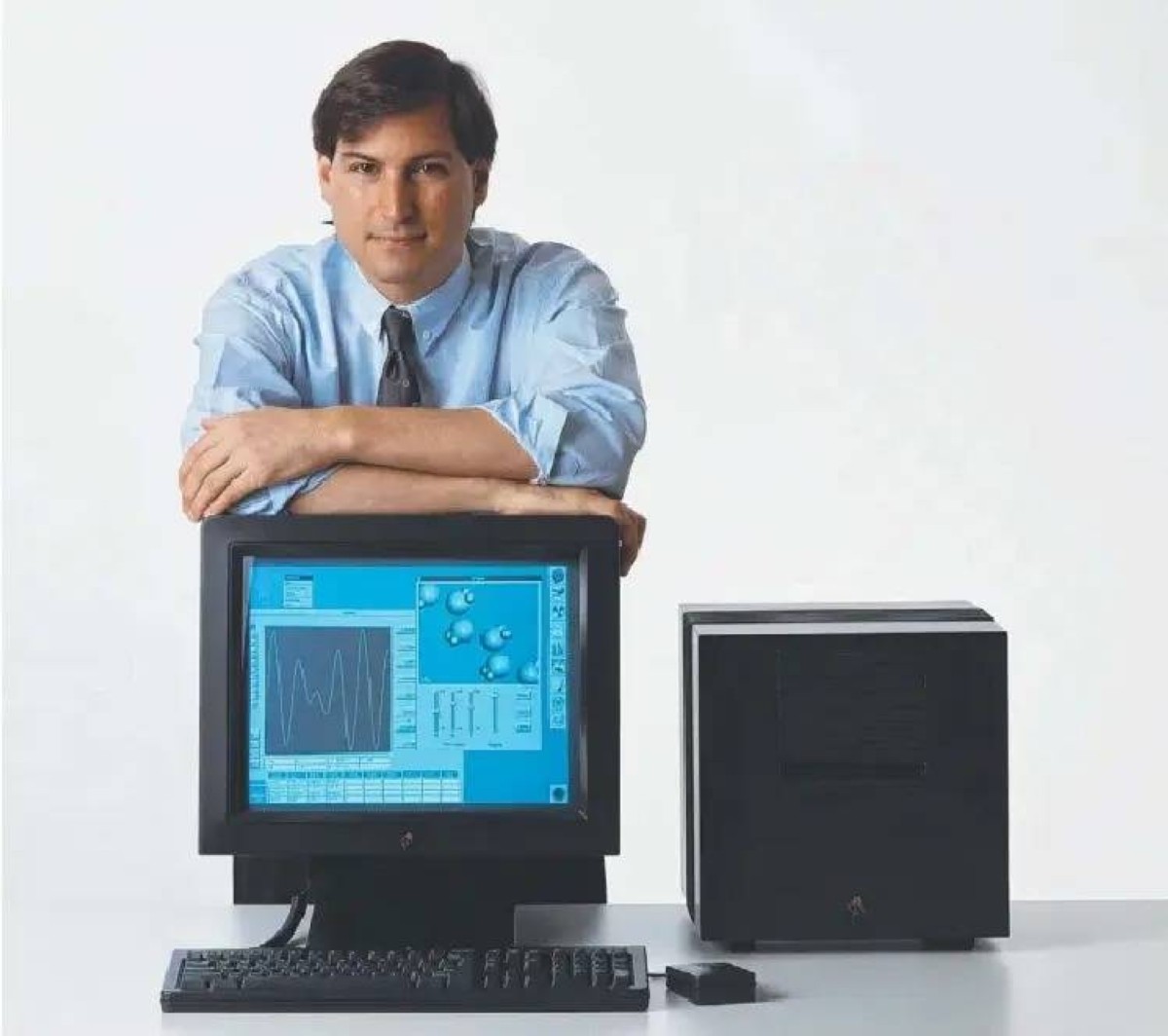
قد تبدو قصة «أبل» اليوم منفصلة تماماً عن عالم الجيوش وأجهزة الاستخبارات، فالشركة التي صنعت «آيفون» و«ماك» بنت صورتها على التصميم والابتكار والمنتجات الاستهلاكية، لكن خلف هذه الصورة فصل أقل شهرة يعود إلى ثمانينيات القرن الماضي، حين دخل ستيف جوبز في علاقة غير متوقعة مع أجهزة الأمن القومي الأمريكي عبر شركته «نكست».

القصة كما ترويها صحيفة وول ستريت جورنال، بدأت عام 1986، في ذروة الحرب الباردة، حين كان الرئيس الأمريكي رونالد ريغان يضخ مليارات الدولارات في وزارة الدفاع، فيما كانت مؤسسات الأمن القومي تبحث عن طرق للاستفادة من الثورة الحاسوبية الصاعدة في وادي السيليكون. وفي هذا السياق وصل مسؤولان يعملان في برنامج سري تابع لوكالة الاستخبارات المركزية إلى مقر «نكست»، الشركة التي أسسها جوبز بعد خروجه من «أبل» عام 1985، وكان هدفهما واضحاً: معرفة ما إذا كان جوبز قادراً على توفير أجهزة وتقنيات تخدم مجتمع الاستخبارات.

المفارقة أن جوبز لم يكن من النوع الذي يتبادر إلى الذهن عند الحديث عن عقود أمنية سرية، فقد ارتبط اسمه بالثقافة المضادة في الستينيات والسبعينيات، ومع ذلك، دخلت شركته الجديدة سريعاً في دائرة اهتمام أجهزة الاستخبارات.

وكانت هناك صلة أخرى مهّدت لذلك، ففي فبراير 1986 استحوذ جوبز على قسم الرسوميات الحاسوبية التابع لشركة «لوكاس فيلم»، وهو القسم الذي تحول لاحقاً إلى «بيكسار»، وكان هذا القسم قد عمل مع شركة دفاعية في وادي السيليكون على تطوير حاسوب مخصص لمحللي الاستخبارات لدراسة صور الأقمار الصناعية.

وبعد سلسلة من الاتصالات، التقى جوبز أحد المسؤولين المرتبطين بالمشروع في نيويورك. لم يكشف له عن التفاصيل السرية، لكنه سأله عن قدرة «نكست» على توفير أجهزة حاسوب بكميات كبيرة. وعندما دار الحديث عن الأرقام، جاء الطلب لافتاً: 20 ألف جهاز خلال عام واحد، مع تعديلات خاصة تشمل معالجاً أسرع وبطاقة رسوميات متخصصة، على أن تتولى جهات أخرى تنفيذ هذه التعديلات بعيداً عن مصانع «نكست».

بالنسبة إلى جوبز، لم تكن المسألة تقنية فقط، فشركته، «نكست» كانت في حاجة ماسة إلى المبيعات، حيث كانت أجهزتها باهظة الثمن، وخطط بيعها للجامعات لم تحقق الحجم الذي كان يطمح إليه، ووسط هذه الصعوبات، أصبح العقد الحكومي واحداً من أهم مصادر الطلب على أجهزة الشركة.

ووفق المادة، لم يكن يُعلن داخلياً أو خارجياً أن وكالة الاستخبارات المركزية هي الطرف الحقيقي، إذ ظهر اسم وكالة الأمن القومي رسمياً بوصفها المشتري.

ومع زيادة الطلب، تغير حجم التصنيع سريعاً، حيث أنتجت «نكست» في البداية نحو 100 جهاز في الشهر، ثم ارتفع الإنتاج إلى 1500 جهاز شهرياً، قبل أن يصل إلى 5000 جهاز، وكانت الأجهزة تُنقل في شاحنات غير مميزة إلى شركة واجهة مرتبطة بالاستخبارات، حيث تُركب الشرائح والمعالجات الخاصة، ثم تُنقل لاحقاً إلى منشأة عسكرية ليتم شحنها جواً إلى وجهات بقيت سرية.

وصلت حواسيب «نكست» إلى محللين في مكتب الاستطلاع الوطني الأمريكي، حيث استخدمت شاشاتها عالية الدقة ومعالجاتها المتخصصة لفحص صور الأقمار الصناعية، ورصد تحركات عسكرية أو إنشاءات مرتبطة بالصواريخ، كما استخدمت لإعداد ومشاركة إحاطات تجمع الفيديو والصور الثابتة والتعليقات الصوتية، وتقديمها إلى المسؤولين وصناع القرار.

وكان التأثير الأكبر في طريقة تداول المعلومات نفسها، فقد أتاحت أجهزة «نكست» مشاركة البيانات عبر شبكات استخباراتية واسعة، بما يسمح بوصول الصور الحديثة إلى أفراد عسكريين في مواقع مختلفة من العالم وتحليلها بسرعة قريبة من الزمن الفعلي، وفي وقت كان الإنترنت العام لا يزال في بداياته، امتلك مجتمع الاستخبارات شكلاً عملياً من شبكة واسعة لتبادل المعلومات.

هذا الاستخدام غيّر أيضاً بعض التقاليد القديمة داخل أجهزة الاستخبارات، لأن المعلومات لم تعد محصورة في مركز واحد أو في عدد محدود من المحللين، فأصبح بإمكان قادة عسكريين في قواعد مختلفة الاطلاع على الصور بأنفسهم، وهو ما وصفه أحد المسؤولين لاحقاً بأنه من أكبر النتائج غير المقصودة للمشروع.

ثم انتهت الحرب الباردة، وتغيرت أولويات واشنطن، بينما بدأ جوبز ينظر إلى مكان آخر تماماً.

في عام 1996 أعلنت «أبل» شراء شركة «نكست»، وعاد جوبز إلى الشركة التي ساهم في تأسيسها، وبعد سنوات استعاد السيطرة عليها، وبدأت رحلة تحولت خلالها إلى واحدة من أكبر شركات التكنولوجيا في العالم، مع منتجات غيرت سوق الموسيقى والحوسبة والهواتف.

وهنا تظهر الصلة الأهم بين القصة القديمة و«أبل» التي نعرفها اليوم، فنظام تشغيل «نكست»، المعروف باسم «نكست ستيب»، أصبح الأساس التقني الذي بُنيت عليه أنظمة «أبل» الحديثة، من أجهزة «ماك» إلى «آيفون»، أي أن الشركة التي تلقت في سنواتها الصعبة دعماً مهماً عبر عقود مرتبطة بأجهزة الاستخبارات انتهى جزء أساسي من تقنيتها داخل المنتجات التي يستخدمها اليوم مئات الملايين حول العالم.

ولم تتحول «أبل» لاحقاً إلى متعاقد عسكري ضخم بالطريقة التي كانت عليها «نكست»، ومع نهاية الحرب الباردة، انخفض الإنفاق الدفاعي الأمريكي بنحو 30% بحلول نهاية التسعينيات، في الوقت نفسه الذي انفجر فيه سوق الحواسيب الشخصية، وابتعد وادي السيليكون عن المؤسسة العسكرية، واتجه أكثر نحو المستهلكين.

لكن العلاقة تعود اليوم من جديد مع ارتفاع الإنفاق الدفاعي الأمريكي واستثمارات جديدة في الذكاء الاصطناعي والتقنيات المتقدمة، حيث نرى شركات وادي السيليكون تعيد بناء جسورها مع البنتاغون.

appleciaintelligence
الخبر متوفّر باللغات التالية:English
المصدر الأصلي للخبر
البيان

Intelligence and Technology: The Virtues of the CIA over Apple

August 23, 2026·Al Bayan
Intelligence and Technology: The Virtues of the CIA over Apple

Apple’s story today may seem completely separate from the world of armies and intelligence agencies. The company that made iPhones and Macs built its image on design, innovation, and consumer products. But behind this image is a less well-known chapter dating back to the 1980s when Steve Jobs entered into an unexpected relationship with US national security through his company, NeXT.

The story as told by The Wall Street Journal began in 1986, at the height of the Cold War. President Ronald Reagan was pouring billions of dollars into the Department of Defense while national security institutions were looking for ways to benefit from the emerging computer revolution in Silicon Valley. In this context, two officials working on a secret program for the Central Intelligence Agency (CIA) arrived at NeXT, the company Jobs founded after leaving Apple in 1985. Their goal was clear: to find out if Jobs could provide devices and technologies that would serve the intelligence community.

The irony is that Jobs wasn’t the type of person one would think about when discussing secret security contracts. He was associated with counterculture in the 1960s and 70s, yet his new company quickly entered the sphere of interest for intelligence agencies.

There was another link that paved the way for this. In February 1986, Jobs acquired LucasFilm’s Computer Graphics Division, which later became Pixar. This division had worked with a defense company in Silicon Valley to develop a computer for intelligence analysts to study satellite images.

After a series of contacts, Jobs met one of the officials associated with the project in New York. He did not reveal any secret details but asked about Next’s ability to provide computers in large quantities. When it came to numbers, the request was striking: 20,000 units within one year, with special modifications including a faster processor and specialized graphics card. These modifications would be implemented by other parties away from Next’s factories.

For Jobs, this wasn’t just about technology. His company, Next, desperately needed sales. Its devices were expensive, and its plans to sell them to universities had not achieved the scale he was hoping for. Amid these difficulties, a government contract became one of the most important sources of demand for the company’s devices.

According to the article, it was not announced internally or externally that the Central Intelligence Agency (CIA) was the actual party. The National Security Agency (NSA) officially appeared as the buyer.

As demand increased, manufacturing scale changed rapidly. NEXT initially produced about 100 devices per month, then production rose to 1,500 monthly before reaching 5,000. The devices were transported in unremarkable trucks to an interface company linked with intelligence, where the specific chips and processors were installed. They were later moved to a military facility to be shipped by air to destinations that remained secret.

NEXT computers reached analysts at the US National Intelligence Office, where their high-resolution screens and specialized processors were used to examine satellite images, monitor military movements or missile construction, as well as prepare and share briefings combining video, still images and audio commentary for officials and decision makers.

The biggest impact was on the way information itself was handled. NEXT devices allowed data sharing across wide intelligence networks, enabling up-to-date images to be accessed by military personnel in different parts of the world and analyzed almost in real time. At a time when the public internet was still in its infancy, the intelligence community had developed a practical form of a wide network for information exchange.

This use also changed some old traditions within intelligence agencies, as information was no longer confined to one central location or a limited number of analysts. Military commanders at different bases could view images themselves, which one official later described as one of the project’s biggest unintended consequences.

Then the Cold War ended, and Washington’s priorities changed. Meanwhile, Jobs was looking in a completely different direction.

In 1996 Apple announced its acquisition of NeXT, and Jobs returned to the company he had co-founded. After years, he regained control over it, and began a journey that turned it into one of the world’s largest technology companies, with products that changed the music, computing, and phone markets.

Here is where the most important link between the old story and today’s Apple appears. NeXT’s operating system, known as NeXTstep, became the technical foundation on which modern Apple systems are built, from Mac to iPhone. The company that received significant support through decades of contracts with intelligence agencies ended up having a key part of its technology inside products used by hundreds of millions around the world.

Apple did not later become a huge military contractor in the way NeXT was. By the end of the Cold War, US defense spending had fallen by about 30% by the late 1990s, at the same time that the personal computer market exploded and Silicon Valley turned away from the military and toward consumers.

But the relationship is back today with rising US defense spending and new investments in artificial intelligence and advanced technologies. We are seeing Silicon Valley companies rebuilding bridges to the Pentagon.

appleciaintelligence
This article is also available in:العربية
Original source article
Al Bayan