الطرازات الدولية من جوجل بكسل تختلف عن الطرازات الأمريكية - إليك كيف
3 يوليو 2026·إنجاجيت
الطرازات الدولية من جوجل بكسل تختلف عن الطرازات الأمريكية - إليك كيف

التغييرات أكثر دقة مما قد تعتقد.

بقلم سام راثرفورد 3 يوليو، 2026 2:30 مساءً بتوقيت شرق الولايات المتحدة سام راثرفورد لموقع Engadget

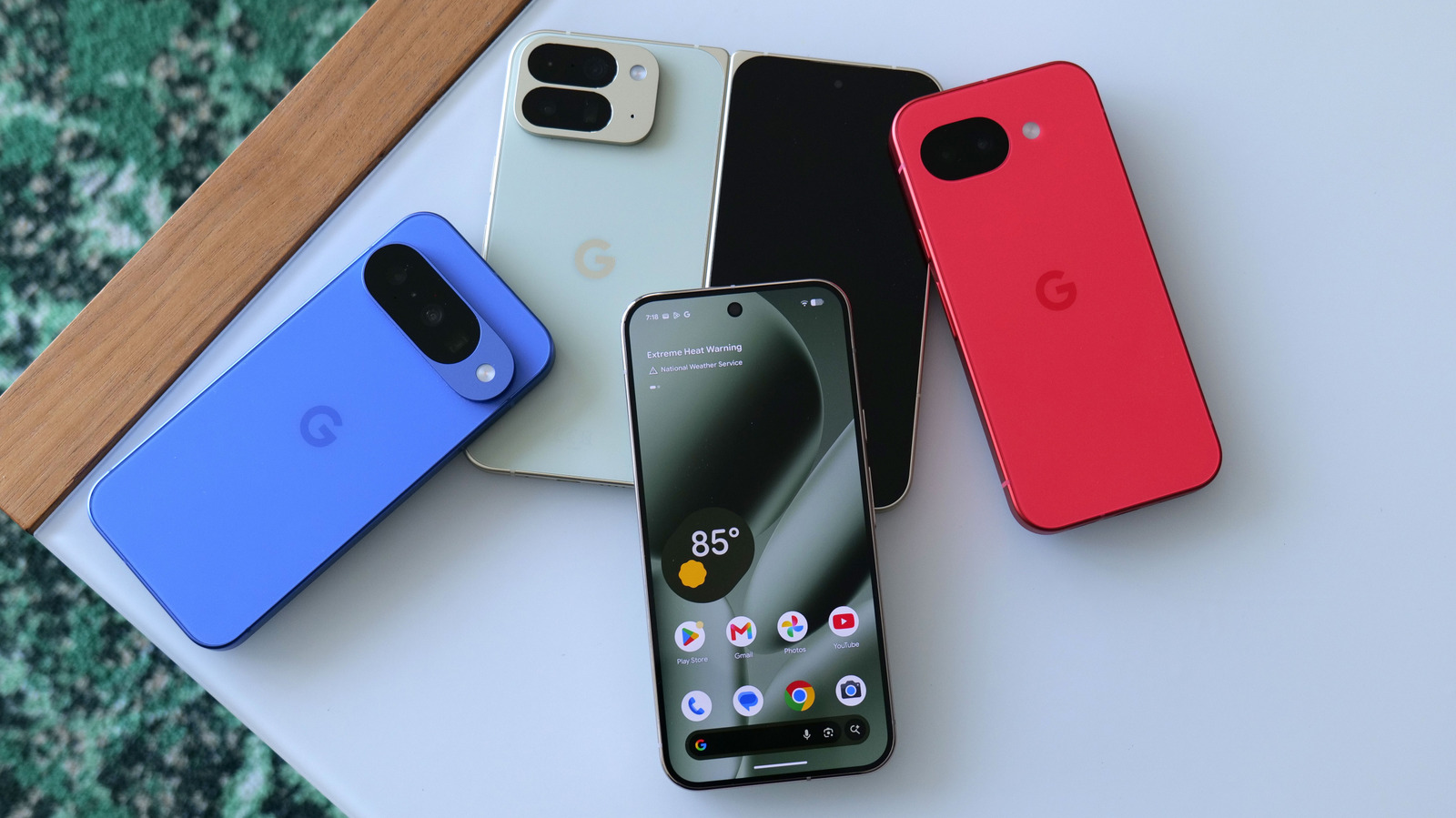
تعد جوجل واحدة من أكبر شركات تصنيع الهواتف الذكية في العالم، لذلك لا ينبغي أن يكون مفاجئاً أن هواتف بيكسل تباع في عدد من المناطق خارج الولايات المتحدة. ومع ذلك، مثل جميع مصنعي الأجهزة الجيدين، تقوم جوجل بتعديل منتجاتها بناءً على مكان بيعها من أجل الامتثال للوائح المحلية وتفضيلات العملاء. تختلف البلدان عن بعضها البعض في اللغات، وأنواع المنافذ الكهربائية والشبكات، على سبيل المثال. لذلك بالنسبة لأولئك الذين يتساءلون عما هو مختلف بين هواتف بيكسل المباعة هنا في أمريكا وتلك المتوفرة في الخارج، إليكم نظرة سريعة على بعض التعديلات والتغييرات الأكثر ملحوظة بين النماذج الأمريكية ونظيراتها الدولية.

الأجهزة

على عكس هواتف سامسونج التي تختلف عادةً بين معالجات سنابدراجون أو إكسينوس حسب مكان بيعها، فإن الاختلافات بين البيكسلات الأمريكية والدولية ضئيلة نسبيًا، خاصة عند النظر إلى الأجيال السابقة من المنتجات. تتميز معظم هواتف البيكسل الدولية الحديثة بنفس رقائق التنسور والذاكرة الداخلية والخارجية مثل الإصدارات الأمريكية، بالإضافة إلى مستشعرات الكاميرا المتشابهة وتكنولوجيا العرض وقدرات الشحن. بالنسبة للبيكسيل 10 الأساسي، يتضمن معالج تنسور G5، و12 جيجابايت من ذاكرة الوصول العشوائي، و128 جيجابايت أو 256 جيجابايت من التخزين، وشاشة OLED Actua بحجم 6.3 بوصة، ومجموعة كاميرا خلفية مع مستشعر رئيسي بدقة 48 ميجابكسل، ومستشعر واسع للغاية بدقة 12 ميجابكسل، ومستشعرات تلي فوتو بدقة 10.8 ميجابكسل. كما أن التصميم المادي لهواتف البيكسل في مختلف المناطق لم يتغير إلى حد كبير، بما في ذلك المواد المستخدمة وخيارات الألوان.

الاختلاف الصغير الوحيد في الأجهزة في الجيل الأخير من هواتف جوجل هو أنه بينما تعمل هواتف بكسل 10، وبكسل 10 برو، وبكسل 10 برو إكس إل على تقنية eSIM فقط في الولايات المتحدة، فإن الطرازات الدولية لا تزال تدعم فتحة شريحة نانو فيزيائية إلى جانب وظيفة eSIM. وتقول جوجل إن هذا التغيير تم إجراؤه بسبب سهولة الاستخدام والدعم الواسع لتقنية eSIM بين شركات الاتصالات الأمريكية بالإضافة إلى القدرة على استخدام المساحة التي تحتلها عادةً بطاقة SIM الفيزيائية للعناصر اللازمة لدعم 5G mmWave. الاستثناء من ذلك هو أن جميع إصدارات بكسل 10 برو القابلة للطي (في الولايات المتحدة وخارجها) توفر أدراجًا للشريحة النانو الفيزيائية.

البرمجيات

صورة أداة Google Magic Cue التي تجد معلومات على جهاز Pixel 10 Pro.سام راذرفورد لموقع Engadget

شبيهًا بالأجهزة، لا توجد فروق كثيرة بين البرمجيات على أجهزة Pixel الأمريكية والمتغيرات الدولية. أي، مع تحذير مفاده أنه نظرًا لأن هواتف Google متوفرة في أكثر من 30 دولة وتدعم أكثر من عشر لغات، فقد يستغرق الأمر وقتًا إضافيًا لتخصيص الميزات للأسواق المحددة. غالبًا ما تكون الأدوات والتطبيقات الجديدة متاحة أولاً باللغة الإنجليزية في أمريكا الشمالية بينما تعمل Google على ضمان الامتثال التنظيمي والقابلية للاستخدام العام في اللغات والمناطق الأخرى. أحد الأمثلة على ذلك هو Magic Cue، الذي يستخدم الذكاء الاصطناعي لإبراز معلومات مهمة مثل العناوين وتعيينات التقويم في الرسائل بناءً على السياق. حاليًا، تتوفر الميزة في عدد قليل من البلدان بما في ذلك الولايات المتحدة وكندا والهند والمملكة المتحدة واليابان وغيرها بينما تعمل Google على تمكين الميزة في أسواق إضافية.

دعم الشبكات الخلوية

ربما يكون الفرق الأكبر بين بكسل الأمريكي والنماذج الدولية هو التوافق مع الشبكات الخلوية. من ناحية، قد يكون هذا واضحًا إلى حد ما حيث يختلف دعم المشغلين اختلافًا كبيرًا من بلد لآخر، ولكن لا يزال الأمر مهمًا للغاية، خاصة إذا كنت مسافرًا أو تنتقل من مكان إلى آخر. في النهاية، سيكون الهاتف الذي لا يوفر اتصال إنترنت مفيد وقدرة على إجراء المكالمات محدودًا بشكل كبير في قدراته.

علاوة على ذلك، يمكن أن يختلف نوع التغطية الخلوية اختلافًا كبيرًا من منطقة إلى أخرى. في الولايات المتحدة، استثمرت شركات مثل فيريزون بكثير أكثر في شبكة الجيل الخامس (5G) المليمترية الموجة (mmWave) مقارنة بالعديد من مقدمي الخدمات الدوليين. يوفر هذا النوع من الاتصال بتقنية الجيل الخامس سرعات تحميل وتنزيل عالية جدًا مع التضحية بنطاق التغطية والاختراق مقارنة بترددات النطاق المتوسط والترددات الأقل من 6 جيجاهرتز. لذا، في محاولة للحفاظ على انخفاض التكاليف وضمان الأداء الأمثل، لا تدعم العديد من الهواتف المباعة دوليًا، بما في ذلك البكسل الحديثة، شبكة الجيل الخامس المليمترية الموجة (mmWave). كما تفرض الولايات المتحدة متطلبات اختبار واعتماد أكثر صرامة للهواتف المباعة عبر المشغلين مقارنة بالعديد من البلدان الأخرى، وهو سبب آخر لعدم توفر العديد من الهواتف الصينية للبيع الرسمي هنا.

بشكل عام، هناك توازن كبير بين هواتف بكسل المباعة في الولايات المتحدة وتلك المتوفرة في الخارج. إذا كنت تخطط للانتقال وتتساءل عن المكان الذي يجب أن تشتري منه هاتفك التالي، فعادةً ما يكون من الأسهل شراؤه في البلد أو المنطقة التي ستعيش فيها. ولكن بخلاف ذلك، خاصة عندما يتعلق الأمر بالمكونات المادية، لا توجد فروق كبيرة بين هواتف بكسل الأمريكية والنماذج الدولية.

GooglePixelphones
الخبر متوفّر باللغات التالية:English
المصدر الأصلي للخبر
إنجاجيت

International Google Pixels are different than American models - here's how

July 03, 2026·Engadget
International Google Pixels are different than American models - here's how

The changes are more subtle than you might think.

By Sam Rutherford July 3, 2026 2:30 pm EST Sam Rutherford for Engadget

Google is one of the largest smartphone manufacturers in the world, so it probably shouldn't come as a surprise that Pixel handsets are sold in a number of regions outside the US. However, like all good device makers, Google tweaks its products based on where they are sold in order to conform to local regulations and customer preferences. Different countries have different languages, power sockets and networks, for instance. So for those curious about what's different between Pixels sold here in America and those available abroad, here is a quick rundown of some of the most notable tweaks and changes between US models and their international variants.

Hardware

Unlike Samsung phones which often vary between featuring Snapdragon or Exynos chips depending on where they are sold, the differences between US and international Pixels are relatively minor, especially when you're looking at the past several generations of products. The majority of recent international Pixel phones feature the same Tensor chips, memory and storage as US versions, along with identical camera sensors, display tech and charging capabilities. On the base Pixel 10, this includes a Tensor G5 processor, 12GB of RAM, 128GB or 256GB of storage, a 6.3-inch Actua OLED display and a rear camera module with a 48MP main, a 12MP ultra-wide and 10.8MP telephoto sensors. The physical design of Pixel handsets across various regions is also largely unchanged, right down to the materials used and color options.

The one small hardware discrepancy on Google's most recent generation of phone is that while the Pixel 10, Pixel 10 Pro and Pixel 10 Pro XL are all eSIM-only in the US, international models still support a physical Nano SIM slot along with eSIM functionality. Google says this change was made due to the ease of use and widespread support for eSIMs among American carriers in addition to being able to use the space that would normally be occupied by a physical SIM card for components needed to support mmWave 5G. The outlier to this is that all versions of the Pixel 10 Pro Fold (both in the US and abroad) offer physical Nano SIMs trays.

Software

A photo of Google's Magic Cue tool finding information on a Pixel 10 Pro.Sam Rutherford for Engadget

Similar to hardware, there aren't a ton of differences between the software on US Pixels and international variants. That is, with a caveat that as Google's phones are available in more than 30 countries and support over a dozen languages, it can take extra time to localize features for specific markets. Often, brand new tools and apps will be available first in English in North America while Google works to ensure regulatory compliance and general usability in other languages and locales. One example of this is Magic Cue, which uses AI to surface important information like addresses and calendar appointments in messages based on context. Currently, the feature is available in a handful of countries including the US, Canada, India, the UK, Japan and others while Google works on enabling the feature in additional markets.

Cellular support

Perhaps the biggest difference between US Pixels and international models is cellular compatibility. On one hand, this may be somewhat obvious as carrier support varies greatly from country to country, but it's still something that's really important to consider, especially if you're traveling or moving from one place to another. After all, a phone without a useful internet connection and the ability to make calls will be severely limited in its capabilities.

Furthermore, the type of cellular coverage can vary quite a bit from region to region. In the US, carriers like Verizon have invested much more heavily in mmWave 5G than many international providers. This type of 5G connectivity offers very high upload and download speeds with the trade-off being shorter range and penetration compared to mid-band and sub-6Ghz frequencies. So in an effort to keep costs down and ensure optimal performance, many phones sold internationally, including recent Pixels, don't support mmWave 5G. The US also has stricter testing and vetting requirements for phones sold through carriers than many other countries, which is another reason why a lot of Chinese phones are not officially on sale here.

Generally, there is quite a bit of parity between Pixel phones sold in the US and those available overseas. If you are planning to move and you're wondering about where you should buy your next phone, it's often easiest to purchase it in the country or region you will be living in. But aside from that, particularly when it comes to hardware, there aren't a ton of differences between US Pixels and international models.

GooglePixelphones
This article is also available in:العربية
Original source article
Engadget