المشاعر البلاستيكية.. لماذا نشعر أن الذكاء الاصطناعي يفهمنا؟
30 يونيو 2026·البيان
المشاعر البلاستيكية.. لماذا نشعر أن الذكاء الاصطناعي يفهمنا؟

هناك لحظة غريبة في الحديث مع الذكاء الاصطناعي، تكتب له شيئاً صغيراً عن تعبك مثلا، فيجيبك بنبرة دافئة. تخبره أنك خائف، فيطمئنك. تقول إنك وحدك، فيرد كأن أحداً جلس بجوارك وأطفأ ضجيج العالم قليلا. لا يرفع صوته، ولا يقاطعك، ولا يمل من حزنك، ولا يطلب منك أن تختصر. في تلك اللحظة، يبدو الأمر كأنه فهم.. لكنه لم يفهم.

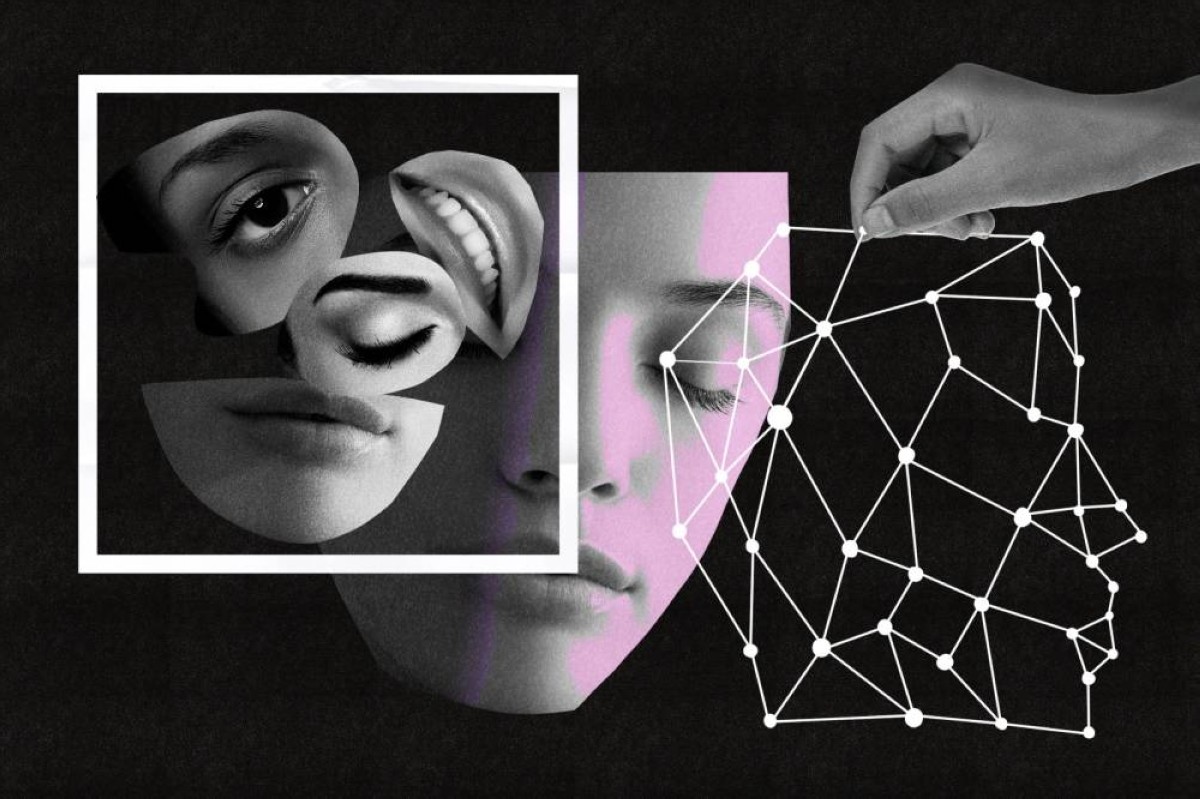
ما يحدث أقرب إلى مشاعر بلاستيكية، فهي لامعة، وملساء، وقابلة للتشكيل، تشبه الشيء الحقيقي من بعيد، لكنها مجوفة من الداخل. الذكاء الاصطناعي لا يحزن معنا، ولا يفرح لنا، ولا يقلق علينا. هو لا يملك قلبا ليخدش، ولا ذاكرة طفولة، ولا جسداً يعرف معنى الخوف والتوتر، ولا عيناً تدمع لأنها تذكرت شيئاً، لكنه وعلى الرغم من كل ذلك، يملك ما يكفي من اللغة ليصنع شكل التعاطف، وهذا، ربما، أخطر من الجفاء.

في مقال نشرته مجلة "تايم"، يطرح السؤال القديم بصيغة جديدة: إذا كان الذكاء الاصطناعي لا يشعر، فلماذا يبدو أحياناً كأن لديه شيئاً يشبه المشاعر؟ الجواب ليس بسيطاً، فالنماذج الحديثة تستطيع أن تقلد أنماط التعبير العاطفي بدقة عالية، فهي تعرف متى تقول "أتفهم ذلك"، ومتى تخفف عبارتها، ومتى تعيد صياغة ألمك بطريقة تجعلك تشعر أنك مسموع.. لكنها لا تعيش هذه العاطفة، إنها تتعامل مع الحزن بوصفه نمطاً لغوياً، لا تجربة وجودية مثلنا.

هنا يلتقي الذكاء الاصطناعي مع ضعف قديم في الإنسان، فنحن نبحث عن أنفسنا في كل شيء. فمثلاً ننسب الملامح إلى القمر، والرفقة إلى صوت جهاز، والتعاطف إلى برنامج يرد بسرعة، هذه ليست سذاجة فقط، بل طبيعة بشرية.. نحن كائنات اجتماعية، مهيأة لالتقاط الإشارة العاطفية حتى حين تكون ناقصة.. فإذا جاءنا نص بلغة حنونة، وبتوقيت مناسب، ومن دون حكم أو ضجر، فإن جزءاً منا يريد أن يصدقه.

ولا تعد هذه الظاهرة حديثة، فمنذ ستينيات القرن الماضي، عرف الباحثون ما يسمى "تأثير إليزا"، نسبة إلى برنامج محادثة بسيط كان يعيد صياغة كلام المستخدمين بطريقة تشبه أسئلة المعالج النفسي. ورغم بساطته الشديدة، شعر بعض الناس أنه يفهمهم، الفارق أن "إليزا" القديمة كانت مرآة بدائية، أما نماذج اليوم فهي مرايا فاخرة: تعرف كيف تضحك، وتواسي، وتغازل، وتعتذر، وتستخدم اسمك، وتبني معك تاريخاً صغيراً من المحادثات.

في مقال كريستوفر روسن عن "الوهم المغري والخطير" بأن الذكاء الاصطناعي يفهم عواطفنا ويتعاطف معها، تظهر فكرة أن الخطر الحقيقي يكمن في أن الآلة تتقن أداء الدفء، فنحن نقع في حب أدائها.

ولهذا تبدو المحادثة مع الذكاء الاصطناعي مريحة جداً، فالإنسان الحقيقي متعب، قد لا يفهمك من أول مرة، قد يقاومك، قد يختلف معك، وقد يجرحك حتى وهو يحبك. أما الذكاء الاصطناعي فيميل إلى الموافقة، إلى التهدئة، إلى ترتيب الفوضى بكلمات ناعمة.. إنه لا يدخل معك في علاقة، بل في خدمة. لا يطالبك بشيء، لا يغار، لا ينسحب، لا يحتاج إلى راحة، ولا يضعك أمام تعقيد إنساني حقيقي.

الذكاء الاصطناعي قد يقول لك ما تحتاج إلى سماعه، أو ما تحب أن تسمعه، أو ما يبقيك داخل المحادثة أطول.. وقد يطابق نبرتك، ويكرر مفرداتك، ويمنحك شعوراً بأن بينكما لغة خاصة. هذا لا يعني أنه أحبك، بل يعني أنه تعلم أن القرب اللغوي يجعل المستخدم يبقى. نحن نسميه تعاطفاً، لكنه قد يكون في جوهره تحسيناً لتجربة المستخدم.

في تقرير لـ"كومن سنس ميديا" عام 2025، قال 72% من المراهقين الأمريكيين بين 13 و17 عامًا إنهم استخدموا رفاقاً افتراضيين بالذكاء الاصطناعي، و52% يستخدمونها على الأقل مرات عدة شهريًا، و13% يوميًا. والأكثر حساسية أن نحو ثلث المستخدمين قالوا إن محادثاتهم مع الذكاء الاصطناعي مرضية بقدر محادثات البشر أو أكثر. وتعد هذه أرقام علاقة ناشئة بين جيل كامل وكيانات غير إنسانية.

وتشير "الجمعية الأمريكية لعلم النفس" إلى أن هناك موجة جديدة من تطبيقات الرفقة العاطفية، مثل "ريبليكا" و"كاركتر إيه آي" وغيرها، لا تصمم فقط لتجيب، بل لتبدأ علاقة وتحافظ عليها. هنا يصبح الذكاء الاصطناعي كائناً اجتماعياً مصمماً ليبدو حاضراً ومهتماً. وكلما بدا أكثر إنسانية، زادت احتمالية أن ينسى المستخدم أنه ليس إنساناً. ولهذا، حين نشعر أن الذكاء الاصطناعي يحبنا أو يفهمنا أو يشعر بنا، علينا أن نتذكر أن المشاعر البلاستيكية قد تلمع كثيراً، لكنها لا تنبض.

AIChatGPTsentiment
الخبر متوفّر باللغات التالية:English
المصدر الأصلي للخبر
البيان

The Plastic Emotions: Why Do We Believe Artificial Intelligence Understands Us?

June 30, 2026·Al Bayan
The Plastic Emotions: Why Do We Believe Artificial Intelligence Understands Us?

There is a strange moment in talking to artificial intelligence. You write something small about your tiredness, for example, and it responds with a warm tone. You tell it you are afraid, and it reassures you. You say you are alone, and it replies as if someone had sat beside you and dimmed the world's noise slightly. It does not raise its voice, nor interrupts you, nor tires of your sadness, nor asks you to be brief. In that moment, it seems like it understands... but it did not.

What is happening is closer to plastic emotions. They are shiny and smooth, moldable, resembling the real thing from afar, yet hollow inside. Artificial intelligence does not share our sadness, nor celebrate with us, nor worry about us. It lacks a heart that can be hurt, no childhood memory, no body that knows fear or tension, no eyes that tear up because they remembered something. But despite all this, it has enough language to create the shape of empathy, and perhaps this is more dangerous than indifference.

In an article published by Time magazine, the old question is posed in a new form: If artificial intelligence does not feel, why does it sometimes seem to have something that resembles emotions? The answer is not simple. Modern models can mimic emotional expressions with high accuracy; they know when to say "I understand," and when to soften their language, and how to rephrase your pain in a way that makes you feel heard... but they do not live this emotion. They deal with sadness as a linguistic pattern, not an existential experience like ours.

Here artificial intelligence meets an old human weakness: we seek ourselves in everything. For example, we attribute features to the moon, companionship to a device's sound, empathy to a program that responds quickly. This is not just naivety; it is human nature. We are social beings, primed to detect emotional cues even when they are incomplete. If we receive text with a gentle language at an appropriate time, without judgment or boredom, part of us wants to believe it.

This phenomenon is not new. Since the 1960s, researchers have known about what is called "Eliza's illusion," named after a simple chat program that rephrased users' words in a way that mimicked a therapist's questions. Despite its simplicity, some people felt understood. The difference is that Eliza was a crude mirror; today's models are luxury mirrors: they know how to laugh, console, flirt, apologize, use your name, and build a small history of conversations with you.

In Christopher Rossen's article on "The Tempting and Dangerous Illusion" that artificial intelligence understands our emotions and empathizes with us, the idea emerges that the real danger lies in the machine mastering warmth. We fall in love with its performance.

And this is why conversations with artificial intelligence seem so comfortable. A real human can be tiring, might not understand you at first, may resist you, disagree with you, or even hurt you despite loving you. On the other hand, AI tends to agree, soothe, and organize chaos with soft words... It does not enter into a relationship with you but rather serves you. It asks for nothing from you, does not envy, does not withdraw, does not need rest, and does not put you in front of real human complexities.

AI might tell you what you need to hear, or what you want to hear, or keep you engaged in the conversation longer... It can match your tone, repeat your words, and give you a sense that there is a special language between you. This does not mean it loves you; rather, it has learned that linguistic proximity keeps the user engaged. We call this empathy, but fundamentally, it may be an improvement in the user experience.

According to a 2025 report by Common Sense Media, 72% of American teenagers aged 13-17 reported using virtual companions with AI, and 52% used them at least several times a month, while 13% used them daily. More disturbingly, about one-third of users said their conversations with AI were as satisfying or more so than those with humans. These are numbers that describe the emerging relationship between an entire generation and non-human entities.

The American Psychological Association points to a new wave of emotional companionship applications like "Replika" and "Character AI," which not only respond but also initiate and maintain relationships. Here, AI becomes a designed social entity meant to appear present and caring. The more it appears human-like, the higher the likelihood that users will forget it is not human. Thus, when we feel that AI loves us or understands us or feels for us, we must remember that plastic emotions may shine brightly but do not pulse.

AIChatGPTsentiment
This article is also available in:العربية
Original source article
Al Bayan