بعد المريخ.. لماذا تيتان الوجهة الكبرى التالية للبشر؟
2 يوليو 2026·البيان
بعد المريخ.. لماذا تيتان الوجهة الكبرى التالية للبشر؟

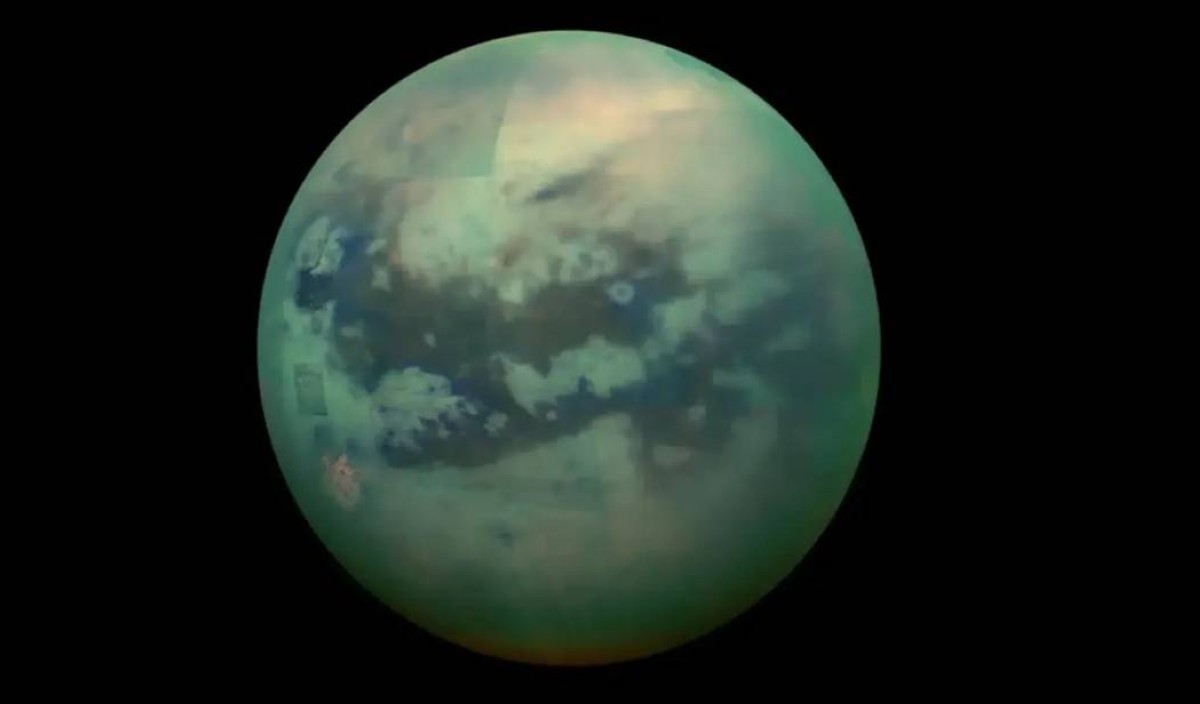
كانت فكرة إرسال رواد فضاء إلى تيتان، أكبر أقمار زحل، ضرباً من الخيال، لكن هذا التصور بدأ يتغير، فخلال أول قمة على الإطلاق بعنوان "البشر إلى تيتان 2026" ، اجتمع باحثون ومهندسون وعلماء كواكب لدراسة سؤال لم يعد مجرد تكهنات: ما الذي يتطلبه الأمر فعلاً لكي يعيش البشر ويعملوا على أحد أكثر عوالم المجموعة الشمسية إثارةً؟ وبينما لا تزال هذه المهمة على بعد عقود، يرى الخبراء أن التخطيط لها الآن قد يُرسم ملامح مستقبل استكشاف الفضاء السحيق خارج المريخ .

تيتان وجهة سياحية جادة طويلة الأمد

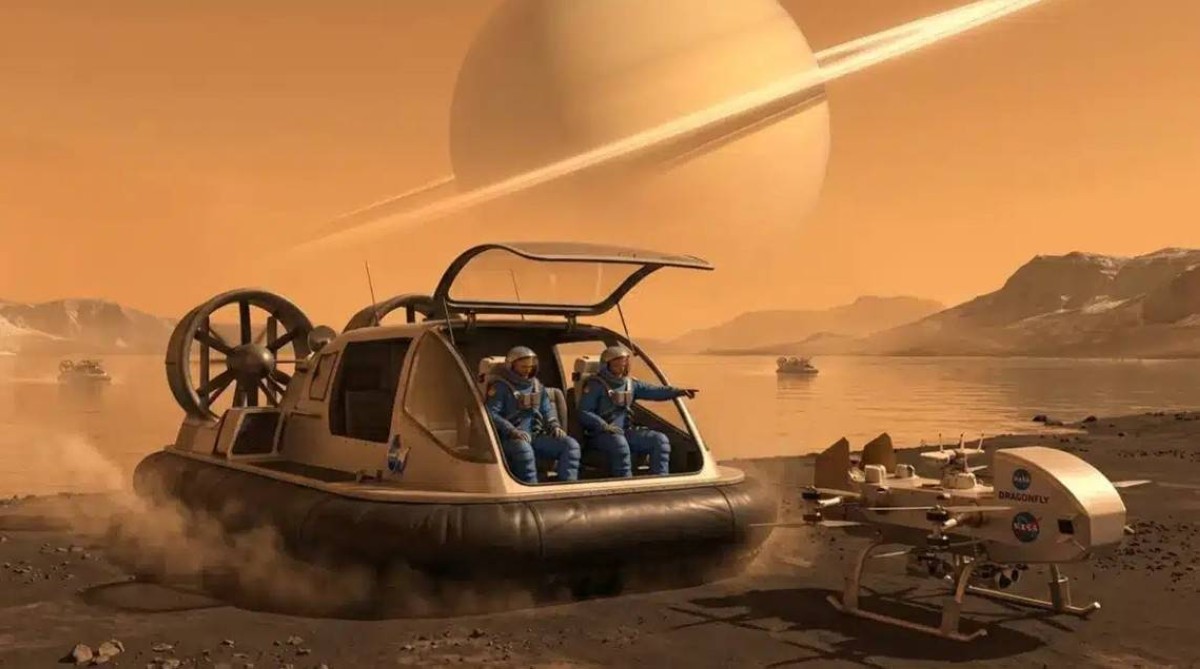
شكّلت القمة التي استمرت يومين في بولدر، كولورادو ، أول جهد منسق يركز بالكامل على إمكانية استكشاف البشر لكوكب تيتان، وبدلاً من مناقشة مفاهيم الخيال العلمي، استكشف المشاركون تحديات هندسية ملموسة، وأنظمة نقل، وتصاميم مساكن، وبدلات فضاء، ومخاطر بيئية، وهيكلية المهمة.

وعكس الاجتماع اعتقاداً متزايداً بين علماء الكواكب بأن الوقت قد حان للبدء في الاستعداد لوجهات تتجاوز المريخ.

وتعتقد أماندا هندريكس ، مديرة معهد علوم الكواكب ورئيسة مبادرة "استكشف تيتان" ، أن تغيير نظرة الناس إلى القمر يُعد خطوة أولى مهمة.

قالت هندريكس: "يدرك الجميع أن تحقيق هذا الهدف ما زال بعيد المنال، لكن ترسيخ فكرة أن تيتان وجهة معقولة جدًا للبشر أمرٌ بالغ الأهمية".

وأضافت أن التفكير فيما بعد المريخ يوفر هدفاً طويل الأمد قادراً على الحفاظ على الزخم العلمي عبر الأجيال، وأكدت أن أخذ هذا الهدف على محمل الجد يعني أنه "بإمكاننا أن نضع نصب أعيننا وجهةً تالية بعد المريخ، وهذا ما يُبقي الزخم مستمراً".

يوفر تيتان ظروفاً لا مثيل لها

من بين العديد من الوجهات في النظام الشمسي الخارجي، يتمتع تيتان بخصائص تجعله جذاباً بشكل فريد للمستكشفين المستقبليين.

يوفر غلافه الجوي الكثيف، المكون أساساً من النيتروجين، حماية طبيعية ضد العديد من أشكال الإشعاع الفضائي الضار، مما يقلل من أحد أكبر المخاطر التي يواجهها رواد الفضاء خلال المهمات الكوكبية الطويلة، كما أن كثافة هذا الغلاف الجوي كافية لجعل المركبات الجوية فعالة بشكل ملحوظ، مما يفتح آفاقًا للطائرات والمركبات الهوائية القادرة على قطع مسافات طويلة عبر سطح القمر المتجمد.

ناقش العلماء في القمة أنماط الطقس التي تحركها الهيدروكربونات بدلاً من الماء، بما في ذلك أمطار الميثان، والأنهار، والبحيرات، والفيضانات الموسمية، والرياح العاتية، وكيف ستخلق هذه الظروف البيئية غير المعتادة تحديات تشغيلية، لكنها ستوفر أيضاً فرصاً علمية غير مسبوقة؟

أكدت هندريكس على ضرورة وجود استعدادات كبيرة قبل أن تصبح هذه الطموحات حقيقة واقعة.

وقالت: "لدينا الكثير من التخطيط لنقوم به، لكن لدينا الوقت!". كما سلطت الضوء على ما تعتبره أكبر ميزة طبيعية لزوار تيتان من البشر، وقالت: "السبب الرئيسي في رأيي الذي يجعل تيتان مكاناً مثالياً للبشر هو غلافه الجوي الكثيف".

تعتمد خارطة الطريق نحو استكشاف الإنسان للأرض بشكل كبير على وصول المهمات الروبوتية أولاً، وقد ازداد فهم البشرية لكوكب تيتان بشكل ملحوظ بعد هبوط مسبار هيغنز التابع لوكالة الفضاء الأوروبية بنجاح على سطح القمر عام 2005 خلال مهمة كاسيني-هيغنز التاريخية .

وستأتي القفزة النوعية التالية مع مركبة دراغون فلاي التابعة لناسا، وهي مركبة دوارة تعمل بالطاقة النووية، ومن المقرر إطلاقها في موعد لا يتجاوز عام 2028، قبل أن تبدأ رحلة تستغرق ست سنوات عبر الفضاء بين الكواكب.

بمجرد وصولها، ستقضي مركبة دراغون فلاي أكثر من ثلاث سنوات في التحليق بين مواقع علمية متعددة، لجمع العينات، وتحليل مواد السطح، ودراسة التركيب الكيميائي للقمر باستخدام أجهزة مثبتة على متنها. ويمكن للبيانات التي تجمعها هذه المهمة أن تؤثر بشكل مباشر على المفاهيم المستقبلية للموائل، وأنظمة الهبوط، ووسائل النقل، وعمليات رواد الفضاء.

ويتصور الباحثون أيضاً مركبات مدارية مستقبلية قادرة على رسم خرائط تيتان بتفاصيل أدق بكثير، مع تحديد المواقع الأكثر أماناً والأكثر قيمة علمية للبعثات البشرية المستقبلية، فكل مهمة روبوتية تُثري المعرفة وتقلل من حالة عدم اليقين للأجيال القادمة.

بناء مستقبل لرحلة استكشافية بشرية

قال سكوت رافكين ، مدير قسم دراسات الفضاء في معهد ساوث ويست للأبحاث: "أدرك الجميع أن إرسال البشر إلى تيتان طموحٌ للغاية، لكن التاريخ يُظهر أن أعظم الإنجازات في مجال الاستكشاف تبدأ عندما يكون الناس على استعدادٍ للسعي وراء أهدافٍ تبدو بعيدة المنال".

وأضاف رافكين: "إن استكشاف البشر لتيتان ليس مسألة فيزيائية، بل هو مسألة وقت وتكنولوجيا والتزام، نحن نفهم معظم التحديات الرئيسية، ونعرف العديد من الثغرات العلمية والهندسية الحرجة التي لا تزال قائمة".

TitanSaturnspace exploration
الخبر متوفّر باللغات التالية:English
المصدر الأصلي للخبر
البيان

After Mars: Why Titan is the next big destination for humans

July 02, 2026·Al Bayan
After Mars: Why Titan is the next big destination for humans

Sending astronauts to Titan, Saturn’s largest moon, was once a pipe dream, but that perception is changing. At the first-ever “Humans to Titan 2026” summit, researchers, engineers and planetary scientists came together to study what it would really take for humans to live and work on one of the most exciting worlds in our solar system. While such a mission remains decades away, experts say planning now could shape the future of deep space exploration beyond Mars.

Titan: A serious long-term tourist destination

The two-day summit in Boulder, Colorado, marked the first coordinated effort to focus entirely on the feasibility of human exploration of Titan. Rather than discussing science fiction concepts, participants explored tangible engineering challenges, transportation systems, habitat designs, space suits, environmental hazards and mission architecture.

The meeting reflected a growing belief among planetary scientists that it’s time to start preparing for destinations beyond Mars.

Amanda Hendrix, director of the Planetary Science Institute and head of the “Explore Titan” initiative, believes that changing people’s view of the moon is a crucial first step.

“Everyone understands that this goal is still far away,” Hendrix said. “But establishing the idea that Titan is an extremely reasonable destination for humans is critical.”

She added that thinking beyond Mars provides a long-term goal capable of sustaining scientific momentum across generations, and emphasized that taking such a goal seriously means that “we can have our sights set on a next destination after Mars, which keeps the momentum going.”

Titan offers unparalleled conditions

Among many destinations in the outer solar system, Titan has unique characteristics that make it uniquely appealing to future explorers.

Its thick atmosphere, composed primarily of nitrogen, provides natural protection against many forms of harmful space radiation, reducing one of the biggest risks faced by astronauts during long planetary missions. The atmospheric density is also sufficient to make aerial vehicles notably effective, opening up possibilities for long-distance aircraft and air vehicles capable of traversing the moon’s frozen surface.

Scientists at the summit discussed weather patterns driven by hydrocarbons rather than water, including methane rain, rivers, lakes, and seasonal flooding, and how these unusual environmental conditions would create operational challenges but also provide unprecedented scientific opportunities.

Hendrix emphasized that significant preparations are necessary before such ambitions become a reality.

“We have a lot of planning to do, but we have the time!” she said. She highlighted what she considers Titan’s greatest natural advantage for human visitors: “The main reason in my opinion why Titan is an ideal place for humans is its dense atmosphere.”

The roadmap toward human exploration of Titan relies heavily on robotic missions to pave the way, and humanity's understanding of the planet has increased significantly since the European Space Agency’s Huygens probe successfully landed on its surface in 2005 during the historic Cassini-Huygens mission.

The next major leap will come with NASA’s Dragonfly rotorcraft, a nuclear-powered vehicle scheduled to launch no later than 2028, before beginning a six-year journey through interplanetary space.

Once it arrives, DragonFly will spend more than three years flying between multiple scientific sites to collect samples, analyze surface materials, and study the moon’s chemical composition using instruments mounted on board. The data collected by this mission could directly impact future concepts for habitats, landing systems, transportation, and astronaut operations.

Researchers also envision future orbital vehicles capable of mapping Titan with much greater detail, pinpointing the safest and most scientifically valuable locations for future human missions; every robotic mission enriches knowledge and reduces uncertainty for generations to come.

Building a Future for Human Exploration

“Everyone recognizes that sending humans to Titan is an audacious endeavor, but history shows us that the greatest achievements in exploration begin when people are willing to pursue goals that seem far-fetched,” said Scott Rafkin, director of space studies at Southwest Research Institute.

“Exploring Titan by humans isn’t a matter of physics; it is a matter of time, technology, and commitment. We understand most of the major challenges, and we know many of the critical scientific and engineering gaps that still exist,” Rafkin added.

TitanSaturnspace exploration
This article is also available in:العربية
Original source article
Al Bayan