بلا يد ولا جهاز تحكم.. «بلاك ميث: ووكونغ» تُلعب بإشارات الدماغ

23 أغسطس 2026·البيان
بلا يد ولا جهاز تحكم.. «بلاك ميث: ووكونغ» تُلعب بإشارات الدماغ

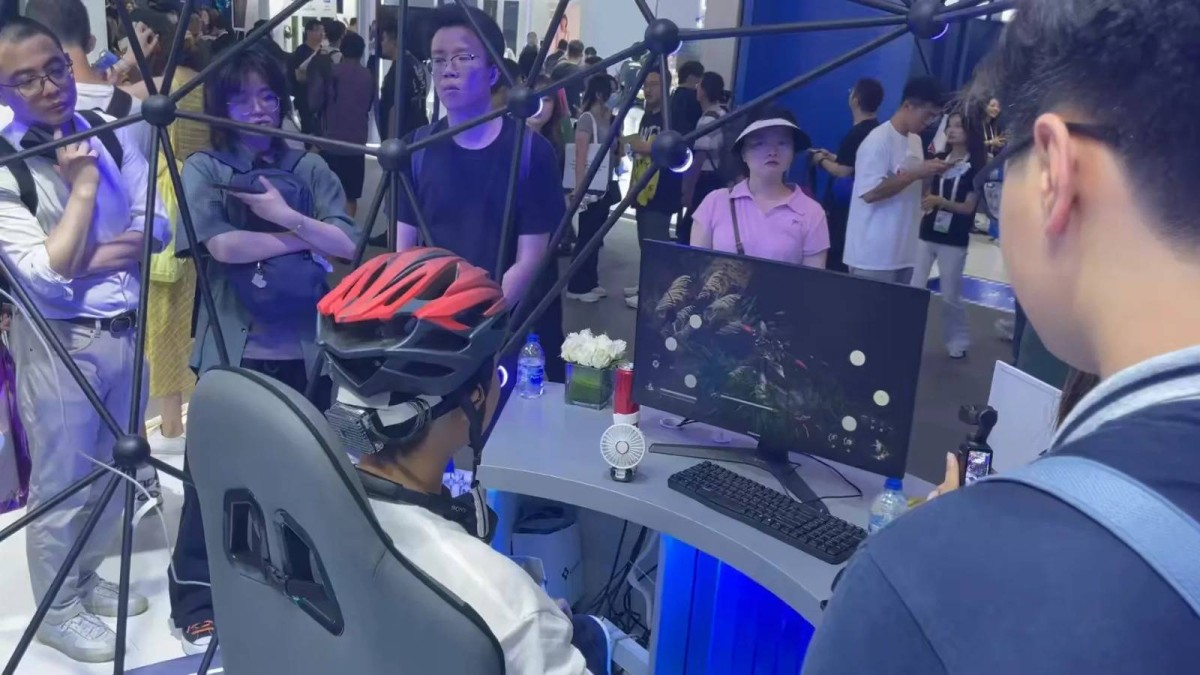
أن تلعب واحدة من أصعب ألعاب الحركة من دون أن تلمس لوحة مفاتيح أو فأرة أو جهاز تحكم، كان يبدو حتى وقت قريب أقرب إلى مشهد من الخيال العلمي، لكن هذا ما عُرض فعلياً في المؤتمر العالمي للذكاء الاصطناعي 2026 في شنغهاي، حيث تمكن زوار من التحكم بشخصية لعبة «بلاك ميث: ووكونغ» عبر إشارات الدماغ فقط.

واعتمدت التجربة على واجهة دماغ-حاسوب غير جراحية، أي أنها لا تحتاج إلى زرع شريحة داخل الدماغ أو إجراء عملية جراحية، يرتدي فيها المستخدم غطاءً خفيفاً مزوداً بحساسات تخطيط كهربائي للدماغ، فتلتقط هذه الحساسات النشاط الكهربائي عبر فروة الرأس، ثم يحلل النظام الإشارات ويحوّلها إلى أوامر داخل اللعبة، مثل الحركة أو الهجوم.

لكن عبارة "اللعب بالتفكير" أو "بالدماغ" تحتاج إلى بعض التوضيح، فالجهاز لا يقرأ ما يفكر فيه الشخص بمعناه المباشر، ولا يعرف مثلاً أن اللاعب يريد القفز بمجرد أن يتخيل القفز.

التقنية المستخدمة تعتمد على ما يعرف باسم الاستجابة البصرية المحفزة بتردد ثابت، تظهر على الشاشة أهداف أو مناطق تومض بترددات مختلفة، وعندما يركز اللاعب نظره على أحدها، يولد الدماغ نمطاً كهربائياً مرتبطاً بذلك التردد، فيلتقط الجهاز هذا النمط ويحوّله إلى الأمر المقابل داخل اللعبة.

وبحسب تقرير «PC Gamer» المختص بالألعاب الرقمية، يمكن للنظام ترجمة بعض هذه الإشارات إلى أوامر خلال نحو 200 ملي ثانية، ويحتاج كل مستخدم إلى قرابة 5 دقائق من المعايرة قبل بدء التجربة.

وتساعد المعايرة الجهاز على التعرف إلى الإشارات الخاصة بالشخص الذي يرتديه، لأن أنماط النشاط الكهربائي لا تكون متطابقة تماماً بين المستخدمين.

واختيار «بلاك ميث: ووكونغ» لم يكن سهلاً أيضاً، فاللعبة، التي طورتها شركة «غيم ساينس» الصينية، تعتمد على المواجهات السريعة وتوقيت تفادي الضربات وتنفيذ الهجمات والقدرات في اللحظة المناسبة، وباعت أكثر من 10 ملايين نسخة خلال أول ثلاثة أيام من إطلاقها، وأصبحت واحدة من أبرز الألعاب الصينية عالمياً، لذا فإن تشغيلها بواجهة دماغ-حاسوب كان اختباراً لافتاً، حتى وإن كانت التجربة الحالية بعيدة عن مستوى التحكم الذي يمنحه جهاز الألعاب التقليدي.

والفيديوهات المنتشرة لا تعني أن اللاعب يستطيع حالياً خوض اللعبة بالطريقة نفسها التي يلعب بها شخص يستخدم جهاز تحكم، فالنظام يستطيع قراءة مجموعة محدودة من الأوامر، بينما تحتاج «بلاك ميث: ووكونغ» إلى سرعة ودقة في تنفيذ سلسلة كبيرة من الحركات، ولهذا يعد هذا العرض إثبات لإمكان عمل التقنية أكثر من كونه بديلاً فعلياً لأجهزة التحكم الحالية.

وعلى الرغم من هذا النشاط، فهناك تحديات متعلقة بهذه التكنولوجيا، فمثلاً ميزته الأساسية أنه يعمل من خارج الرأس، وهذا يجعله أسهل للتجربة وأكثر ملاءمة للبيئات العامة، لكنه يعني أيضاً أن الإشارات التي يحصل عليها أضعف وأقل دقة من الإشارات التي يمكن التقاطها مباشرة من الدماغ.

كما أن الاعتماد على أهداف ضوئية وامضة يفرض قيوداً أخرى، فالتقنية تحتاج إلى تركيز بصري مستمر، ولا تكون مناسبة بالضرورة لكل الأشخاص، كما أن الأضواء الوماضة قد تشكل مشكلة لمن يعانون حساسية للضوء أو بعض أنواع الصرع.

ورغم هذه الحدود، فإن المشهد في شنغهاي يكشف المسافة التي قطعتها التقنية، فقبل سنوات، كان الحديث عن التحكم بلعبة بمجرد إشارات الدماغ يرتبط غالباً بالمختبرات الطبية، أما الآن أصبحت التكنولوجيا موجودة أمام زوار معرض، يمكن ارتداؤها خلال دقائق وتجربة لعبة تجارية معروفة من خلالها.

BlackMithWuKongbrain-computer
الخبر متوفّر باللغات التالية:English
المصدر الأصلي للخبر
البيان

No Hands or Controller Needed: 'Black Myth: Wukong' Can Be Played with Brain Waves

August 23, 2026·Al Bayan
No Hands or Controller Needed: 'Black Myth: Wukong' Can Be Played with Brain Waves

Playing one of the most difficult action games without touching a keyboard, mouse or controller seemed until recently like something out of science fiction, but this is what was actually demonstrated at the 2026 World Artificial Intelligence Conference in Shanghai, where visitors were able to control the character in "Black Myth: Wukong" using only brain signals.

The experiment relied on a non-invasive brain-computer interface, meaning it does not require implanting a chip into the brain or undergoing surgery, where the user wears a lightweight cap equipped with electroencephalography sensors that capture electrical activity through the scalp. The system then analyzes the signals and converts them into in-game commands such as movement or attack.

But the phrase "playing with your thoughts" or "with your brain" needs some clarification, because the device does not read what a person is thinking in a direct sense, nor does it know for example that the player wants to jump just because they imagine jumping.

The technology used is based on what is known as a visual stimulus response at a fixed frequency. Goals or areas flash on the screen with different frequencies, and when the player focuses their gaze on one of them, the brain generates an electrical pattern associated with that frequency. The device captures this pattern and converts it into the corresponding command in the game.

According to a report from "PC Gamer", which specializes in digital games, the system can translate some of these signals into commands within about 200 milliseconds. Each user needs about 5 minutes of calibration before starting the experience.

Calibration helps the device recognize the specific signals of the person wearing it because the patterns of electrical activity are not exactly the same among users.

Choosing "Black Myth: Wukong" was not easy either. The game, developed by Chinese company "Game Science", relies on quick confrontations and timing to dodge attacks, execute strikes, and use abilities at the right moment. It sold more than 10 million copies in the first three days of its release and became one of the most prominent Chinese games globally. Therefore, running it with a brain-computer interface was an eye-catching test, even if the current experience is far from the level of control provided by a traditional gaming console.

The videos circulating do not mean that the player can currently play in the same way as someone using a controller, as the system can only read a limited set of commands while "Black Myth: Wukong" requires speed and accuracy to execute a large series of movements. Therefore, this demonstration is proof of what technology can do rather than an actual alternative to current controllers.

Despite this activity, there are challenges related to this technology. For example, its main advantage is that it works outside the head, making it easier to experiment with and more suitable for public environments. However, this also means that the signals obtained are weaker and less accurate than those that can be captured directly from the brain.

Relying on flashing light targets also imposes other limitations. The technology requires continuous visual focus, which may not be suitable for everyone. In addition, the flashing lights could pose a problem for people with light sensitivity or certain types of epilepsy.

Despite these limitations, the scene in Shanghai reveals how far the technology has come. Years ago, talking about controlling a game just by brain signals was often associated with medical laboratories. Now, however, the technology is available to visitors at an exhibition, can be worn within minutes and used to play a well-known commercial game.

BlackMithWuKongbrain-computer
This article is also available in:العربية
Original source article
Al Bayan