تقنية الأشعة تحت الحمراء قديمة منذ عقود - لماذا تستخدمها كل أجهزة التحكم عن بعد تقريبًا؟
19 يوليو 2026·إنجاجيت
تقنية الأشعة تحت الحمراء قديمة منذ عقود - لماذا تستخدمها كل أجهزة التحكم عن بعد تقريبًا؟

هناك سبب وجيه لعدم انتقالنا بالكامل إلى أجهزة التحكم عن بعد عبر البلوتوث

بقلم عدنان أحمد 19 يوليو 2026 11:30 ص بتوقيت شرق الولايات المتحدة عدنان أحمد لموقع Engadget

تاريخ أجهزة التحكم في التلفاز مثير للاهتمام. أول جهاز تحكم عن بعد، المعروف باسم "Lazy Bones"، لم يكن لاسلكيًا على الإطلاق. تم تقديمه من قبل شركة زينيث للإذاعة في عام 1950 وكان يعتمد على كابل طويل للاتصال بالتلفزيون. كان "Flash-Matic" في عام 1955 أول حل حقيقي للتحكم اللاسلكي، والذي استخدم شعاعًا من الضوء المرئي لإرسال الأوامر إلى الخلايا الفوتوغرافية الأربع الموضوعة على اللوحة الأمامية للتلفزيون. أصبحت أجهزة التحكم عن بعد بالأشعة تحت الحمراء المعيار الصناعي في الثمانينيات وتمكنت من البقاء لأكثر من أربعة عقود.

تعمل أجهزة التحكم عن بعد بالأشعة تحت الحمراء عن طريق إرسال نبضات سريعة من الضوء غير المرئي باستخدام LED. يقوم المستقبل بالأشعة تحت الحمراء في التلفزيون بترميز هذا الإشارة ومعالجة الأمر. إذا وجهت كاميرا هاتفك إلى مقدمة جهاز تحكم عن بعد وضغطت على زر، فقد تتمكن بالفعل من رؤية فلاش LED بالأشعة تحت الحمراء. تُشحن العديد من أجهزة التلفزيون الحديثة الآن مع أجهزة تحكم عن بعد مفعلة بالبلوتوث والتي تسمح بمجموعة متنوعة من الميزات مثل التحكم الصوتي والإيماءات الهوائية، ولكنها لا تزال تتضمن جهاز إرسال بالأشعة تحت الحمراء.

الحقيقة هي أن تكنولوجيا الأشعة تحت الحمراء تكلفتها لا شيء تقريبًا لتنفيذها، خاصة بعد سنوات من الإنتاج الضخم وكونها مكونًا أساسيًا في أجهزة التحكم عن بعد للتلفزيون. مع سنوات من بناء أجهزة التلفزيون ومكبرات الصوت وغيرها من معدات الترفيه حول المعيار، فإن أحد أقوى نقاط الأشعة تحت الحمراء هو التوافق. إن التخلي عن تكنولوجيا أصبحت مرادفة للتلفزيونات لن يكون منطقيًا، خاصة عندما يمكن أن تتعايش البلوتوث والأشعة تحت الحمراء في أجهزة التحكم الحديثة.

للأشعة تحت الحمراء استخداماتها في أجهزة التحكم عن بعد بالتلفزيون
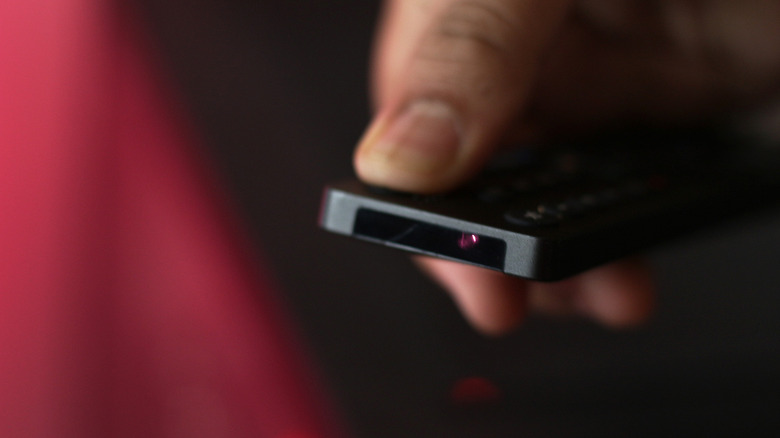
جهاز تحكم عن بعد يصدر ضوءًا بالأشعة تحت الحمراءأدنان أحمد لموقع Engadget

لا يمكن لأجهزة التحكم عن بعد التي تعمل بتقنية البلوتوث أن تتحكم في التلفزيون إلا إذا تم ربطها به. إذا تذكرت كيفية إعداد تلفزيونك الذكي لأول مرة، فقد تتذكر أيضًا أنه كان عليك ربط جهاز التحكم عن بعد - إذن كيف يمكنك التحكم في التلفزيون قبل توصيل جهاز التحكم به؟ الإجابة هي من خلال الأشعة تحت الحمراء. يستخدم جهاز التحكم عن بعد أيضًا الأشعة تحت الحمراء لتشغيل التلفزيون، حيث قد لا يكون البلوتوث نشطًا دائمًا مع التلفزيون في وضع الاستعداد.

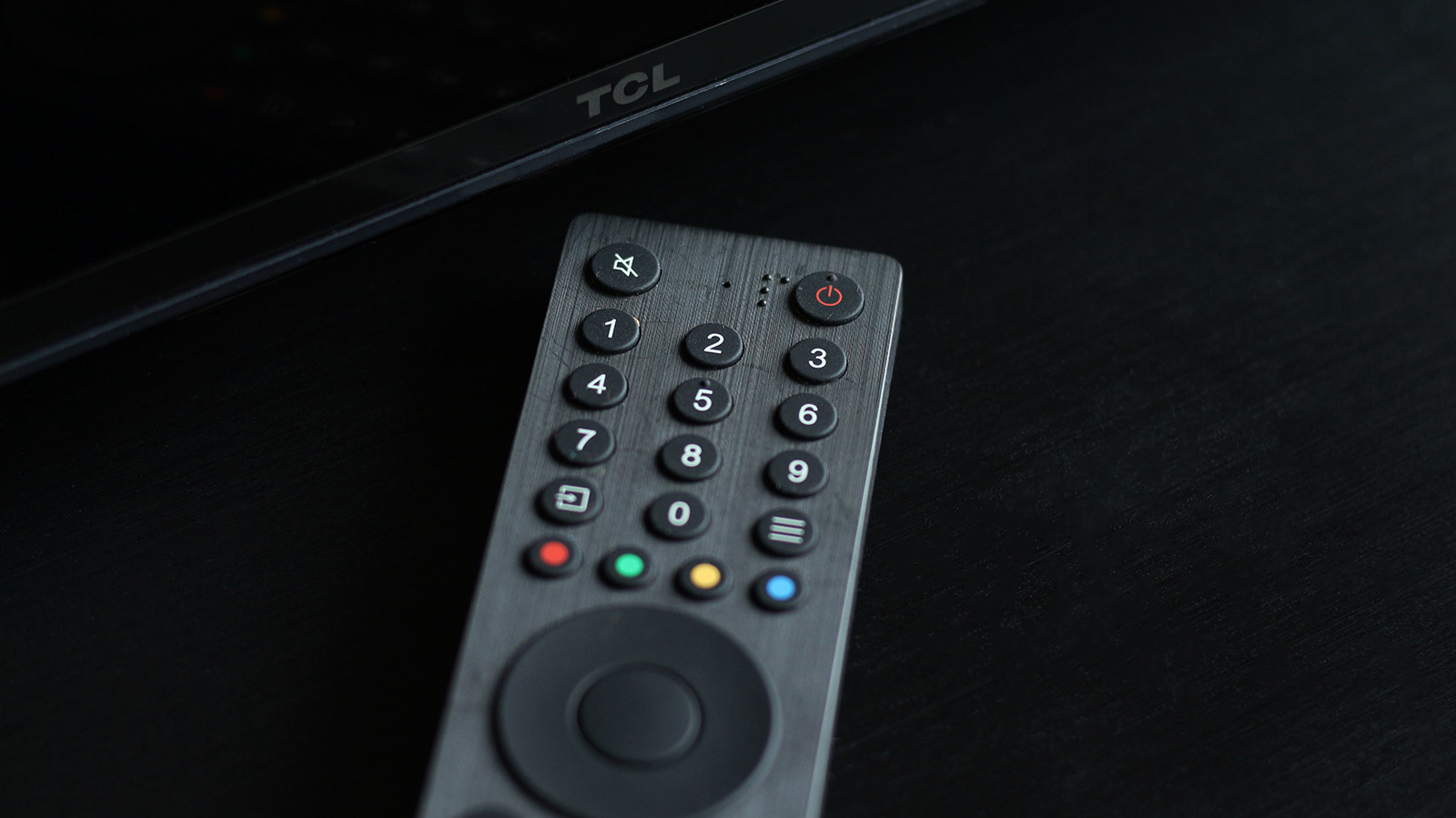
جربت هذا بنفسي على تلفزيوني الذكي من TCL، والذي يأتي مع جهاز تحكم عن بعد عبر البلوتوث. يستخدم الجهاز إشارة تحت الحمراء فقط لعمليتين: تشغيل التلفزيون وإطفائه. كل الأوامر الأخرى، مثل التنقل في الواجهة باستخدام أزرار D-pad أو تغيير الصوت، كانت ترسل عبر البلوتوث. ثم قمت بإلغاء ربط جهاز التحكم عن بعد من إعدادات البلوتوث على تلفزيوني، وتخمين ماذا؟ عاد الجهاز إلى استخدام الإشارة تحت الحمراء لإرسال الإشارات مرة أخرى.

للبلوتوث ميزة كبيرة واحدة - لا يتطلب خط رؤية واضح للتواصل مع التلفزيون. لذا إذا كنت لطيفًا ومرتاحًا في غطاء، فلا داعي لتمديد ذراعك كلما أردت تغيير مستوى الصوت. تكنولوجيا الأشعة تحت الحمراء فعالة من حيث استهلاك البطارية، لكن هذه الميزة لا تحمل نفس الوزن اليوم، نظرًا لأن معظم أجهزة التحكم عن بعد للتلفزيون تعتمد على البلوتوث في الأصل. في النهاية، ربما استمرت تقنية الأشعة تحت الحمراء للمساعدة في عملية الربط الأولية وكخيار احتياطي موثوق، لكن جهاز التحكم عن بعد لتلفزيونك يستخدم البلوتوث معظم الوقت. يسمح البلوتوث أيضًا باستخدام هاتفك الأندرويد كجهاز تحكم عن بعد.

infraredremoteTV
الخبر متوفّر باللغات التالية:English
المصدر الأصلي للخبر
إنجاجيت

Infrared tech is decades old – why does almost every TV remote use it?

July 19, 2026·Engadget
Infrared tech is decades old – why does almost every TV remote use it?

There's a good reason we haven't transitioned completely to Bluetooth remotes.

By Adnan Ahmed July 19, 2026 11:30 am EST Adnan Ahmed for Engadget

The history of TV remotes is an interesting one. The very first remote control, known as the Lazy Bones, wasn't even wireless. It was introduced by Zenith Radio Corporation in 1950 and relied on a long cable to connect to the television. The "Flash-Matic" from 1955 was the first truly wireless solution, which used a beam of visible light to send commands to the four photo cells positioned on the TV's front panel. Infrared (IR) remotes became the industry standard by the 1980s and have managed to stick around for more than four decades.

Infrared remotes work by sending quick pulses of invisible light using an LED. The infrared receiver on the TV then decodes this signal and processes the command. If you point your phone's camera at the front of a TV remote and press a button, you may actually be able to see the infrared LED flashing. Many modern televisions now ship with Bluetooth-enabled remotes that allow for a multitude of features like voice control and air gestures, but they still include an IR transmitter.

The truth is, infrared technology costs next to nothing to implement, especially after years of mass production and being a staple component of TV remotes. With years' worth of TVs, soundbars and other entertainment equipment built around the standard, one of IR's greatest strengths is compatibility. Abandoning a technology that has become synonymous with televisions wouldn't make much sense, especially when Bluetooth and infrared can coexist in modern remotes.

Infrared does have its uses in TV remotes

A remote control emitting IR light Adnan Ahmed for Engadget

A Bluetooth remote can only control your TV if it is paired to it. If you recall setting up your smart TV for the first time, you may also remember having to pair the remote — so how on earth did you control the TV before the remote was connected to it? The answer is through infrared. Your remote also uses infrared to turn the TV on, since Bluetooth might not always be active with your TV in standby mode.

I actually tested this on my TCL smart TV, which ships with a Bluetooth remote. The remote uses an infrared signal only for two operations: turning the TV on and turning it back off. Every other command, like navigating around the interface using the D-pad controls or changing the volume, was sent over Bluetooth. I then unpaired my remote from the Bluetooth settings on my TV, and guess what? My remote defaulted back to using infrared to send signals.

Bluetooth does have one big advantage — it doesn't require a clear line of sight to communicate with the TV. So if you're nice and comfortable in a blanket, you don't have to dig your arm out every time you want to change the volume. Infrared technology is battery efficient, but this advantage doesn't carry quite as much weight today, given how most TV remotes default to Bluetooth anyway. Ultimately, infrared may have stuck around to help with initial pairing and as a reliable fallback, but your TV's remote is likely using Bluetooth most of the time. Bluetooth also allows you to use your Android phone as a remote control.

infraredremoteTV
This article is also available in:العربية
Original source article
Engadget