ليس رائد فضاء.. أغرب وظيفة في "ناسا"
20 يوليو 2026·البيان
ليس رائد فضاء.. أغرب وظيفة في "ناسا"

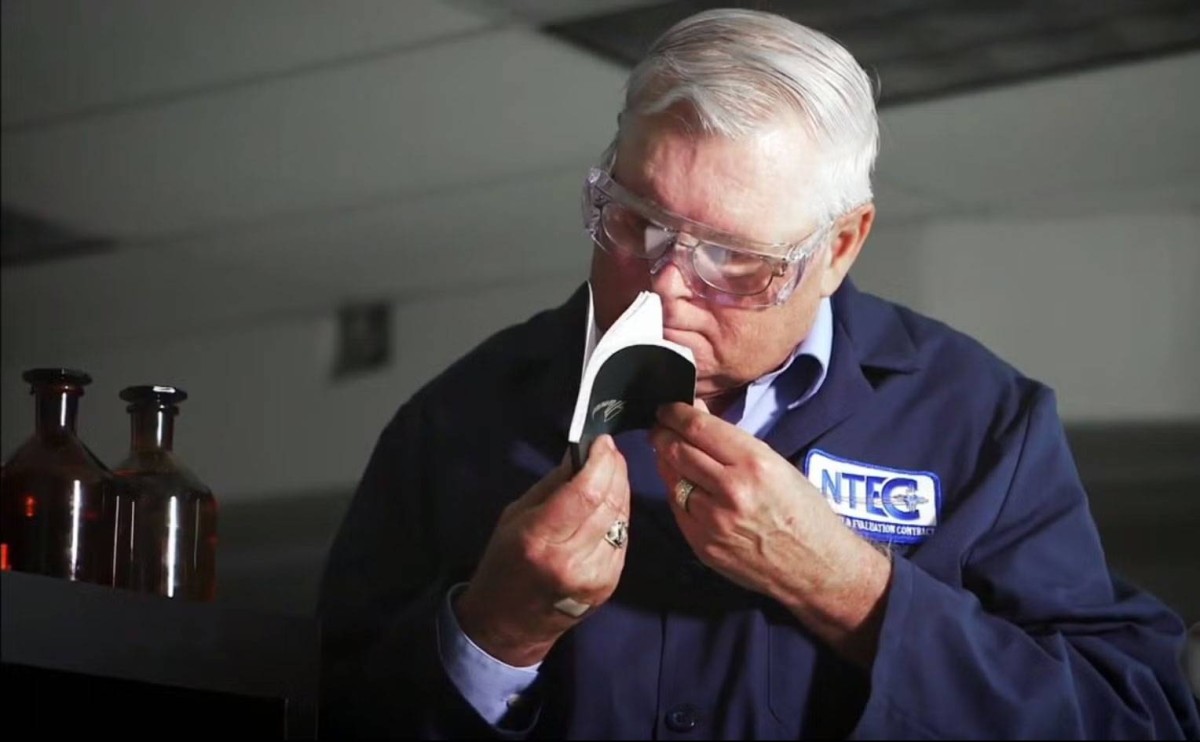
بين آلاف الوظائف في وكالة ناسا، تبرز واحدة من أغرب المهام على الإطلاق؛ رجل يقضي عمله في شم كل ما يُرسل إلى الفضاء. ورغم غرابة الوظيفة، فإنها تؤدي دوراً مهماً في حماية رواد الفضاء وضمان نجاح مهماتهم.

من بين هؤلاء جورج ألدريتش، الكيميائي الذي أمضى أكثر من 40 عاماً في الوكالة، حيث يتطوع في لجنة الروائح التابعة لناسا، وهي لجنة تتولى اختبار روائح الأدوات والمواد قبل إرسالها إلى محطة الفضاء الدولية.

وأوضح جورج ألدريتش أن مهمة لجنة الروائح في ناسا تتمثل في التأكد من أن المواد التي تدخل المناطق المأهولة في محطة الفضاء الدولية لا تحمل روائح كريهة أو مزعجة قد تسبب الغثيان لرواد الفضاء، مشيراً إلى أن البيئة المغلقة في الفضاء تجعل التعامل مع أي رائحة أمراً صعباً للغاية.

ولا يقتصر الأمر على شم المواد فقط، إذ يخضع أعضاء اللجنة لاختبارات دورية للتأكد من كفاءة حاسة الشم لديهم، كما يجرون اختبارات "شم عمياء" دون معرفة هوية المادة حتى لا يتأثر تقييمهم بأي انطباع مسبق. وبعد ذلك يمنح خمسة متطوعين كل مادة تقييماً يتراوح بين 0 و4، وأي مادة تحصل على أكثر من 2.5 تُرفض ولا يُسمح بإرسالها إلى الفضاء.

وبحسب وكالة ناسا، تُفحص جميع المواد المخصصة للمناطق المأهولة في محطة الفضاء الدولية قبل إرسالها، لأن الروائح الكريهة أو النفاذة قد تسبب الغثيان لرواد الفضاء وتؤثر في إنتاجيتهم أثناء المهمات. وتوضح الوكالة أن البيئة المغلقة داخل المحطة تجعل التخلص من الروائح أمراً مستحيلاً، كما أن تشبع حاسة الشم قد يقلل قدرة الرواد على اكتشاف روائح تحذيرية خطيرة، مثل الدخان أو تسرب الأمونيا، لذلك يظل الأنف البشري أكثر وسائل الكشف حساسية في مثل هذه الحالات.

ورغم دقة هذه الاختبارات، فإن بعض المواد نجحت في تجاوزها. ويستذكر ألدريتش إحدى أشهر الحوادث، عندما اجتازت مكونات شرائط الفيلكرو الاختبارات كل على حدة، لكن بعد تجميعها وإرسالها إلى محطة الفضاء الدولية انبعثت منها رائحة قوية ومزعجة فور فتحها، وسجلت لاحقاً 3.6 و3.8 على مقياس الروائح.

ويعود اعتماد ناسا على اختبارات الروائح إلى ما بعد كارثة أبولو 1 عام 1967، التي أودت بحياة ثلاثة رواد فضاء خلال تجربة إطلاق على الأرض. وبعد الحادث، شددت الوكالة إجراءات السلامة وفرضت سلسلة من الاختبارات الإلزامية على جميع المواد، شملت قابلية الاشتعال والسمية والرائحة قبل اعتمادها للاستخدام في المهمات الفضائية.

وخلال مسيرته، أجرى ألدريتش أكثر من 800 اختبار للروائح، وهو إنجاز أهله للحصول على جائزة Silver Snoopy، إحدى أرفع الجوائز التي تمنحها ناسا للعاملين الذين يسهمون في سلامة الرحلات الفضائية. كما ظهر في سلسلة Superhumans التابعة لستان لي، مؤكداً أن دخوله هذا المجال لم يكن بسبب امتلاكه حاسة شم خارقة، بل جاء بالصدفة بعد التحاقه بالعمل في منشآت ناسا عقب تخرجه من المدرسة الثانوية.

NASAspaceodd-job
الخبر متوفّر باللغات التالية:English
المصدر الأصلي للخبر
البيان

Not an Astronaut: NASA's strangest job

July 20, 2026·Al Bayan
Not an Astronaut: NASA's strangest job

Among the thousands of jobs at NASA, one stands out as the strangest job ever: a man whose work consists of smelling everything that is sent into space. Despite the oddity of the job, it plays an important role in protecting astronauts and ensuring the success of their missions.

One such person is George Aldrich, a chemist who has spent more than 40 years at the agency. He volunteers for NASA's panel on smells, which tests the smell of tools and materials before they are sent to the International Space Station (ISS).

George Aldrich explained that the mission of NASA's panel on smells is to ensure that materials entering the habitable areas of the ISS do not have unpleasant or disturbing odors that could cause nausea for astronauts. He noted that the closed environment in space makes dealing with any smell very difficult.

It’s not just about smelling the materials; members of the panel undergo regular tests to ensure their sense of smell is functioning properly, and they conduct “blind smell” tests without knowing the identity of the material so that their evaluation isn't influenced by any preconceived notions. After that, five volunteers give each material a rating between 0 and 4, and any material that scores more than 2.5 is rejected and not allowed to be sent into space.

According to NASA, all materials designated for the habitable areas of the International Space Station are examined before being sent. This is because unpleasant or strong odors can cause nausea in astronauts and affect their productivity during missions. The agency explains that the closed environment inside the station makes it impossible to eliminate odors, and that saturation of the sense of smell may reduce the ability of astronauts to detect dangerous warning smells such as smoke or ammonia leaks. Therefore, the human nose remains the most sensitive detection method in these cases.

Despite the accuracy of these tests, some materials have passed them. Aldrich recalls one of the most famous incidents when the components of Velcro strips passed individual tests, but after being assembled and sent to the International Space Station, a strong and disturbing odor was emitted as soon as they were opened, registering 3.6 and 3.8 on the smell scale.

NASA's reliance on smell tests dates back to after the Apollo 1 disaster in 1967, which claimed the lives of three astronauts during a launch test on Earth. After the accident, the agency tightened safety procedures and imposed a series of mandatory tests for all materials, including flammability, toxicity, and odor, before they were approved for use in space missions.

During his career, Aldrich conducted more than 800 scent tests, an achievement that earned him the Silver Snoopy award, one of NASA’s highest honors for employees who contribute to flight safety. He also appeared in Stan Lee’s Superhumans series, confirming that he entered this field not because he had a super sense of smell, but by chance after joining NASA facilities following his high school graduation.

NASAspaceodd-job
This article is also available in:العربية
Original source article
Al Bayan