تلسكوب جيمس ويب الفضائى يكتشف "نجومًا خفية" بالمجرات الأولى فى الكون
22 أغسطس 2026·اليوم السابع
تلسكوب جيمس ويب الفضائى يكتشف "نجومًا خفية" بالمجرات الأولى فى الكون

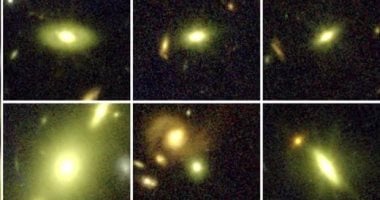
اكتشف علماء الفلك أنه بين ألمع النجوم، توجد نجوم خافتة، وهذا يعني أن المجرات المبكرة قد تحتوى في الواقع على كتلة أكبر بكثير مما كنا نعتقد، وتوصل الفريق البحثي إلى هذه النتيجة باستخدام تلسكوب جيمس ويب الفضائي (JWST) لدراسة تسع مجرات مبكرة مرت بمرحلة تكوين النجوم المكثف.

وفقا لما ذكره موقع "space"، دمج الباحثون هذه البيانات مع رصد التلسكوب الكبير جدًا (VLT) على الأرض لقياس كثافة النجوم الصغيرة والخافتة في هذه المجرات لأول مرة، وقد وجدوا أن نسبة النجوم الصغيرة في هذه المجرات أكبر بكثير مما هي عليه في المجرات الحديثة مثل مجرتنا درب التبانة، وهذا الأمر فاجأ العلماء الذين افترضوا أن نسب النجوم الصغيرة والخافتة متقاربة.

وقالت كلوي تشينج، عضوة الفريق من جامعة لايدن في هولندا: "هذا يعني أن المجرة ككل أضخم بكثير مما أشارت إليه التقديرات السابقة".

تفاصيل الاكتشاف الجديد الخاص بالنجوم الخافتة
 

يدرس علماء الفلك المجرات ويحسبون معدلات كثافة نجومها باستخدام إجمالي الضوء، أو الطيف، المنبعث من هذه المدن الكونية، وتكمن المشكلة في أنه كلما زادت كتلة النجم، زاد سطوعه، وبالتالي، يهيمن على الطيف الكلي للمجرة النجوم الأضخم، بينما تختفي النجوم الأصغر حجمًا.

أتاحت حساسية تلسكوب جيمس ويب الفضائي لعلماء الفلك أخيرًا فرصةً لإبراز هذه النجوم الصغيرة ومنحها فرصةً للتألق، حيث قالت مارتي سلوب، عضوة الفريق من جامعة لايدن: "حتى وقت قريب، لم يكن هذا النوع من القياس ممكنًا ببساطة.. كنا نحتاج ليس فقط إلى تلسكوب يجمع كمية كافية من الضوء، بل أيضًا إلى أطياف ذات جودة استثنائية وتقنيات تحليل جديدة لتمييز السمات الدقيقة للنجوم الصغيرة بدقة".

يوضح اكتشاف الفريق فهمنا للمجرات الفتية في الكون المبكر، فقد كان العلماء يفترضون دائمًا أن النجوم ذات الكتل المختلفة وُلدت بنسب متساوية عبر تاريخ الكون، لكن يبدو الآن أن هذا ليس هو الحال.

وقالت ماريسكا كريك، قائدة الفريق من جامعة لايدن: "تُظهر هذه النتيجة أن كتلة أكبر بكثير مما كان يُعتقد سابقًا مُخبأة في النجوم الصغيرة، وهذا له آثار على مختلف مجالات علم الفلك، ولأن العديد من الكواكب تدور حول النجوم الصغيرة، فقد يعني ذلك أن عدد الكواكب التي تشكلت في الكون المبكر كان أكبر مما افترضنا سابقًا".

ويخطط الفريق الآن تطبيق هذه الطريقة على المزيد من المجرات الأولى في الكون، على أمل توسيع نطاق بحثهم ليشمل النجوم الأولى في الكون، ونُشرت نتائج البحث في مجلة "نيتشر أسترونومي".


james webb telescopegalaxiesstars
الخبر متوفّر باللغات التالية:English
المصدر الأصلي للخبر
اليوم السابع

James Webb Space Telescope discovers “hidden stars” in the first galaxies of the universe

August 22, 2026·Youm7
James Webb Space Telescope discovers “hidden stars” in the first galaxies of the universe

Astronomers have discovered that among the brightest stars, there are faint stars. This means that early galaxies may actually contain a much larger mass than we thought. The research team came to this conclusion using the James Webb Space Telescope (JWST) to study nine early galaxies that underwent an intense star formation phase.

According to "space," researchers combined these data with observations from the Very Large Telescope (VLT) on Earth, which for the first time measured the density of small and faint stars in these galaxies. They found that the proportion of small stars in these galaxies is much higher than in modern galaxies like our Milky Way, surprising scientists who had assumed that the proportions of small and faint stars are similar.

"This means that the galaxy as a whole is much larger than previous estimates suggested," said Chloe Chin, a team member from Leiden University in the Netherlands.

Details of the new discovery about faint stars

Astronomers study galaxies and calculate their star density rates using the total light or spectrum emitted by these cosmic cities. The problem is that as the mass of a star increases, its brightness also increases, so it dominates the galaxy's overall spectrum while smaller stars disappear.

The James Webb Space Telescope's sensitivity has finally given astronomers the opportunity to highlight these small stars and give them a chance to shine. "Until recently, this kind of measurement was simply not possible," said Martijn Slob, a team member from Leiden University. "We needed not only a telescope that could collect enough light but also spectra with exceptional quality and new analysis techniques to accurately discern the subtle features of small stars."

The team's discovery sheds light on our understanding of young galaxies in the early universe. Scientists had always assumed that stars of different masses were born in equal proportions throughout cosmic history, but it now appears that this is not the case.

"This result shows that significantly more mass than previously thought is hidden in small stars," said Mariska Kriek, the team leader from Leiden University. "This has implications across various fields of astronomy. Since many planets orbit around small stars, it could mean that there are more planets formed in the early universe than we previously assumed."

The team now plans to apply this method to more of the first galaxies in the universe, hoping to expand their research to include the very first stars in the cosmos. The results were published in the journal "Nature Astronomy."

james webb telescopegalaxiesstars
This article is also available in:العربية
Original source article
Youm7