جامعة خليفة تطور نموذج ذكاء اصطناعي رائدا عالميا - وكالة وام
25 يونيو 2026·وكالة أنباء الإمارات
جامعة خليفة تطور نموذج ذكاء اصطناعي رائدا عالميا - وكالة وام

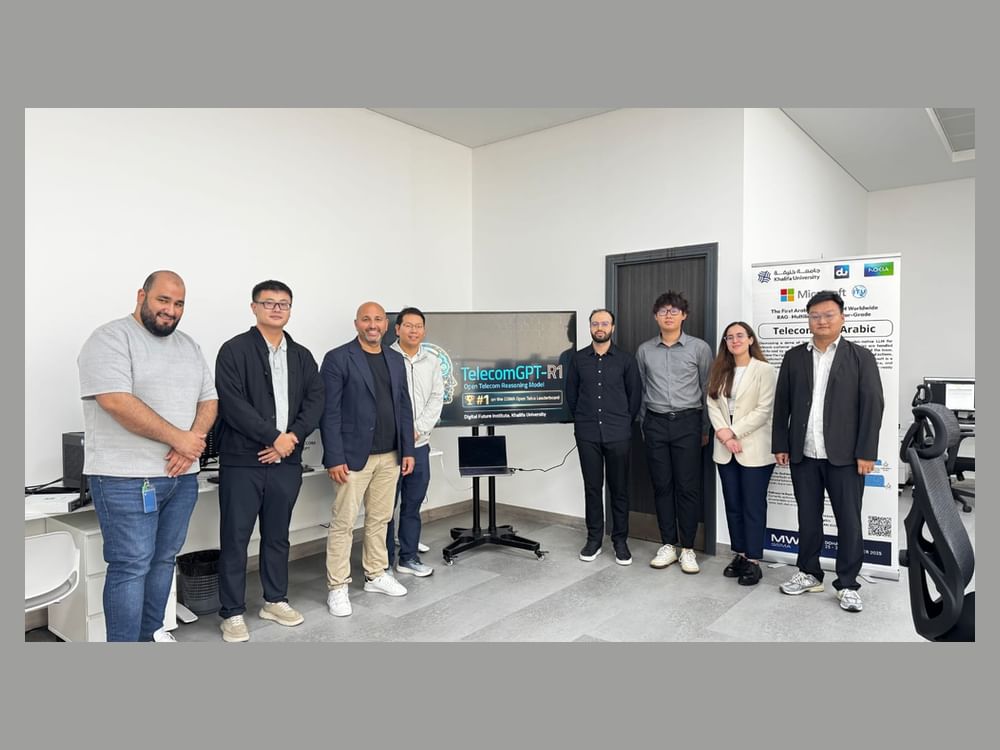
أبوظبي في 25 يونيو/وام/ أعلنت جامعة خليفة للعلوم والتكنولوجيا إطلاق "TelecomGPT-R1"، أحدث نماذج الذكاء الاصطناعي التي طورها معهد المستقبل الرقمي التابع للجامعة لخدمة قطاع الاتصالات.

وتصدر النموذج الذي تم اطلاقه في 22 يونيو الجاري قائمة "Open Telco Leaderboard" الصادرة عن جمعية النظام العالمي للاتصالات المتنقلة (GSMA)، المعيار الأبرز في القطاع لتقييم أداء نماذج الذكاء الاصطناعي في مهام الاتصالات الواقعية.

وتم عرض النموذج ضمن فعاليات المؤتمر العالمي للهاتف المحمول (MWC) شنغهاي 2026 وتفوّق على جميع النماذج الأخرى التي خضعت للتقييم، بما في ذلك أبرز الأنظمة مغلقة المصدر التي طورتها كبرى شركات التكنولوجيا العالمية.

وحقق "TelecomGPT-R1" معدل أداء بلغ 89.6 % على القائمة، وهو الأعلى بين جميع النماذج التي خضعت للاختبار، سواء كانت مفتوحة أو مغلقة المصدر، أو عامة الغرض أو مخصصة لقطاع الاتصالات.

وتُدير جمعية ال جي إس إم إيه هذه القائمة، وهي منظمة عالمية توحّد منظومة الاتصالات المتنقلة وتضم في عضويتها معظم مشغلي شبكات الهاتف المحمول حول العالم، وتُعد هذه القائمة المعيار المعتمد على نطاق واسع لقياس مدى قدرة نماذج الذكاء الاصطناعي على تلبية المتطلبات التقنية لشبكات الاتصالات الفعلية.

وقال سعادة البروفيسور إبراهيم الحجري، رئيس جامعة خليفة: "يمثل TelecomGPT-R1 نموذجاً لما تسعى جامعة خليفة إلى تحقيقه من خلال ربط البحث العلمي المتقدم بالاحتياجات المستقبلية للقطاعات الحيوية، فمثل هذه الإنجازات لا تسهم فقط في تطوير تقنيات الجيل القادم مثل تقنيات الجيل السادس، بل تعزز أيضاً دور الجامعة في إنتاج المعرفة والابتكار وبناء القدرات الوطنية في المجالات ذات الأولوية الاستراتيجية لدولة الإمارات."

وأضاف: "تعد الإنجازات البحثية النوعية عاملاً أساسياً في ترسيخ المكانة العالمية للجامعات وتعزيز تنافسيتها الأكاديمية.. ويأتي هذا الإنجاز في وقت حققت فيه جامعة خليفة أعلى تصنيف لها على الإطلاق في تصنيف كيو إس العالمي للجامعات 2027، متقدمة 30 مرتبة إلى المركز 147 عالمياً، في تأكيد على قوة منظومتها البحثية واتساع أثرها العلمي وشراكاتها الفاعلة مع القطاع الصناعي."

من جانبه قال لويس باول، مدير تقنيات الذكاء الاصطناعي في جمعية الجي إس إم إيه إن تطوير نماذج مخصصة لقطاع الاتصالات تتسم بالدقة والكفاءة والموثوقية يعد خطوة أساسية لتوسيع نطاق تطبيق الذكاء الاصطناعي في القطاع متقدما بالتهنئة إلى جامعة خليفة على هذا الإنجاز..

وتم تطوير النموذج بالكامل من الصفر ليكون مخصصاً لقطاع الاتصالات، حيث يجمع بين الفهم اللغوي التقني، والاستدلال المتعلق بالشبكات، والمعرفة التشغيلية ضمن نظام واحد متكامل.

وخلافاً للنماذج عامة الغرض التي غالباً ما تواجه صعوبة في التعامل مع المعرفة التخصصية العالية لهذا القطاع، صُمم "TelecomGPT-R1" لدعم مهام مثل استكشاف أعطال الشبكات وإصلاحها، وتحليل الأعطال، والمساعدة في عمليات الإعداد والتهيئة، وهي قدرات ستعتمد عليها صناعة الاتصالات بشكل متزايد مع توجه الشبكات نحو مزيد من الأتمتة والاعتماد على الذكاء الاصطناعي.

ويُعد النموذج مفتوح المصدر، ما يتيح لمشغلي شبكات الاتصالات ومورّدي التقنية والباحثين فحصه واختباره وتكييفه بما يلائم أنظمتهم الخاصة.

وقال البروفيسور مروان دبّاح، المدير الأول لمعهد المستقبل الرقمي في جامعة خليفة: "يُثبت نموذج TelecomGPT-R1 أن نماذج الذكاء الاصطناعي المفتوحة في قطاع الاتصالات قادرة على قيادة هذا المجال لا مجرد المشاركة فيه..ويُعد تصدّر قائمة Open Telco Leaderboard الصادرة عن الجي إس إم إيه محطة مهمة لجامعة خليفة ومعهد المستقبل الرقمي، ويعكس التزامنا ببناء أنظمة ذكاء اصطناعي شفافة وذات صلة وثيقة باحتياجات القطاع لمستقبل الاتصالات.

يأتي "TelecomGPT-R1" استكمالاً لبرنامج بحثي أوسع نطاقاً تقوده جامعة خليفة ومعهد المستقبل الرقمي، يركز على الذكاء الاصطناعي لشبكات الجيل القادم، ويشمل نماذج لغوية مخصصة لقطاع الاتصالات، ونماذج أساسية لترددات الراديو، وأنظمة ذكاء اصطناعي مخصصة للاستدلال المرتبط بالمعايير التقنية.

TelecomGPT-R1AIUniversity
الخبر متوفّر باللغات التالية:English
المصدر الأصلي للخبر
وكالة أنباء الإمارات

Khalifa University develops a world-leading artificial intelligence model – WAM

June 25, 2026·WAM
Khalifa University develops a world-leading artificial intelligence model – WAM

Abu Dhabi, June 25 (WAM) - Khalifa University for Science and Technology announced the launch of "TelecomGPT-R1", the latest AI model developed by the university's Institute for Digital Future to serve the telecommunications sector.

The model, launched on June 22, topped the "Open Telco Leaderboard" issued by the Global System for Mobile Communications Association (GSMA), the leading standard in the industry for evaluating the performance of AI models in real-world telecommunications tasks.

The model was showcased at the Mobile World Congress Shanghai 2026 and outperformed all other evaluated models, including prominent closed-source systems developed by major global technology companies.

"TelecomGPT-R1" achieved a performance rate of 89.6% on the leaderboard, the highest among all tested models, whether open-source or closed-source, general-purpose, or tailored for the telecommunications sector.

The GSMA manages this leaderboard, a global organization that unites the mobile communications ecosystem and includes most mobile network operators worldwide. This leaderboard is the widely adopted standard for measuring how well AI models can meet the technical requirements of actual communication networks.

His Excellency Professor Ibrahim Al Hagry, President of Khalifa University, said: "TelecomGPT-R1 represents a model of what Khalifa University aims to achieve by linking advanced scientific research with the future needs of vital sectors. Such achievements not only contribute to developing next-generation technologies such as 6G, but also enhance the university’s role in producing knowledge, innovation, and building national capabilities in strategic priority areas for the UAE."

He added: "High-quality research achievements are a key factor in establishing universities' global standing and enhancing their academic competitiveness. This achievement comes at a time when Khalifa University has achieved its highest ever ranking in the QS World University Rankings 2027, moving up 30 places to 147th globally, confirming the strength of its research system, the wide impact of its scientific work, and its effective partnerships with the industrial sector."

Luis Paul, Director of AI Technologies at the GSM Association, said that developing customized models for the telecommunications sector characterized by accuracy, efficiency, and reliability is a fundamental step in expanding the application of artificial intelligence in the sector. He congratulated Khalifa University on this achievement.

The model was developed from scratch to be tailored specifically for the telecommunications sector, combining technical linguistic understanding, network-related reasoning, and operational knowledge within an integrated system.

Unlike general-purpose models, which often struggle with the high specialized knowledge of this sector, TelecomGPT-R1 is designed to support tasks such as network troubleshooting and repair, fault analysis, and assisting in deployment processes – capabilities that the telecommunications industry will increasingly rely on as networks move towards greater automation and AI reliance.

The open-source model allows telecom network operators, technology providers, and researchers to examine, test, and adapt it for their own systems.

"TelecomGPT-R1 demonstrates that open AI models in the telecommunications sector can lead this field rather than just participate in it," said Professor Marwan Dabbah, Director of the Future Digital Institute at Khalifa University. "Leading the Open Telco Leaderboard by GSMA is an important milestone for Khalifa University and the Future Digital Institute, reflecting our commitment to building transparent, relevant AI systems that meet the needs of the telecommunications sector for the future of communications."

TelecomGPT-R1 complements a broader research program led by Khalifa University and the Future Digital Institute focusing on next-generation network AI, including customized language models for the telecom sector, foundational models for radio frequencies, and AI systems tailored for technical standard-related inference.

TelecomGPT-R1AIUniversity
This article is also available in:العربية
Original source article
WAM