حيلة هندسية.. لماذا يبدو طيار إف-16 مستلقياً داخل قمرة القيادة؟
20 أغسطس 2026·البيان
حيلة هندسية.. لماذا يبدو طيار إف-16 مستلقياً داخل قمرة القيادة؟

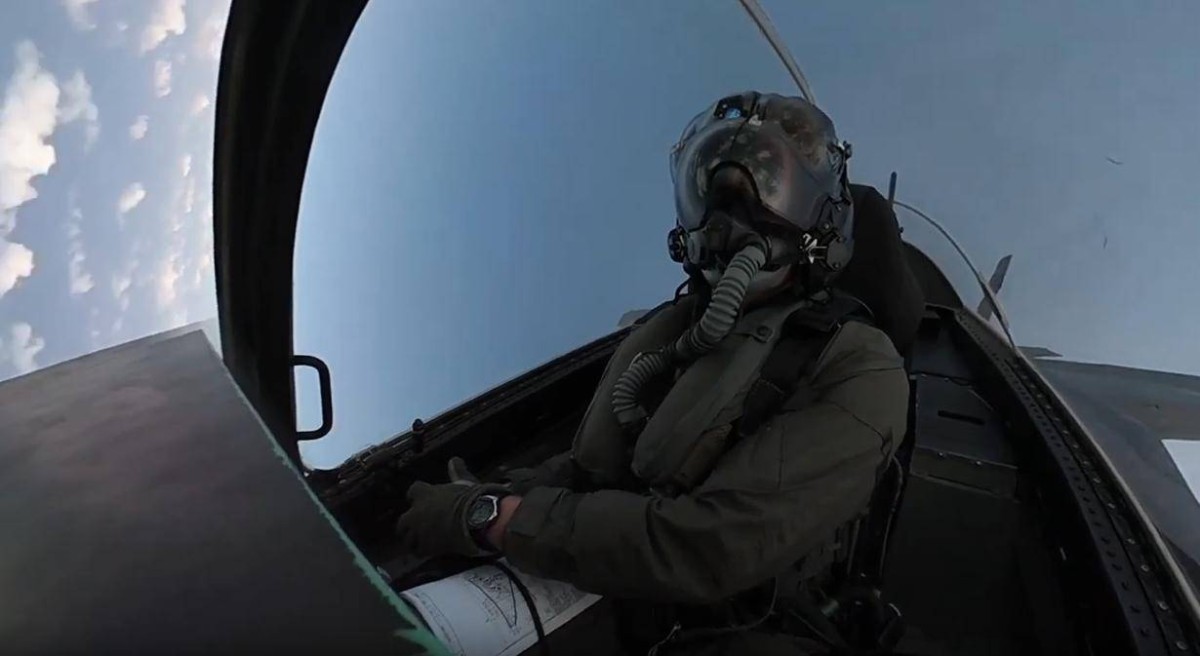
للوهلة الأولى، قد يبدو طيار إف-16 وكأنه مستلقٍ داخل مقاتلته، في وضعية لا تشبه مقاعد الطائرات التقليدية. لكن خلف هذا التصميم الغريب حيلة هندسية دقيقة؛ فزاوية المقعد لم تُصمم للراحة، وإنما لمساعدة الطيار على مواجهة قوى التسارع الهائلة، والحفاظ على وعيه ورؤيته خلال أعنف المناورات الجوية.

منذ دخولها الخدمة عام 1978، اشتهرت إف-16 بقدرتها العالية على المناورة والقتال ضمن مدى الرؤية. ولهذا صُممت قمرة القيادة حول الطيار نفسه، من عصا التحكم الجانبية إلى المظلة الشفافة واسعة الرؤية، وصولًا إلى المقعد المائل.

لماذا يميل مقعد إف-16؟

أثناء المناورات الحادة، يتعرض الطيار لقوى تسارع كبيرة تدفع الدم بعيدًا عن الدماغ نحو الجزء السفلي من الجسم. ومع ارتفاع هذه القوى، قد تضيق الرؤية ويضعف الوعي، ما يشكل خطرًا بالغًا أثناء القتال.

هنا تأتي أهمية زاوية المقعد. فعندما يكون جسم الطيار مائلًا إلى الخلف، تتغير الطريقة التي تؤثر بها قوى التسارع عليه، وتقل المسافة الرأسية بين القلب والدماغ مقارنة بالجلوس العمودي. ويساعد ذلك الدورة الدموية على الاستمرار في إيصال الدم إلى الدماغ خلال المناورات عالية التسارع.

ولا يعتمد الطيار على المقعد وحده، إذ تستخدم المقاتلات الحديثة أيضًا بدلات مقاومة للتسارع وتقنيات أخرى لمساعدة الطيار على البقاء واعيًا أثناء المناورات العنيفة.

ميزة أخرى.. رؤية أفضل للعدو

المقعد المائل لا يتعلق بالتسارع فقط. ففي القتال الجوي، قد يكون الحفاظ على الخصم داخل مجال الرؤية مسألة حياة أو موت.

عند تنفيذ المناورات، يحتاج الطيار إلى النظر إلى أعلى وخلف الطائرة لمتابعة الخصم، خصوصًا عندما ترتفع طائرته أو يدور حولها. وتسمح وضعية الجلوس المائلة للطيار برفع مجال رؤيته مع تقليل الحاجة إلى إبقاء الرأس والرقبة في وضعية مرهقة لفترات طويلة.

وهكذا، تحولت زاوية الـ30 درجة إلى جزء من فلسفة تصميم إف-16: المقاتلة لا تمنح الطيار قمرة قيادة مريحة فحسب، بل تحاول إبقاءه أكثر قدرة على الرؤية والتحمل عندما تصبح المعركة في أقصى درجات العنف.

ورغم أن هذه الوضعية لها بعض السلبيات، مثل تقليل الرؤية الأمامية في بعض أوضاع الطيران، فإن مصممي إف-16 اعتبروا المقايضة ضرورية لطائرة صُممت أساسا للتفوق في القتال الجوي القريب، وفقا لموقع"slashgear".

فالسر في المقعد المائل ليس شكله الغريب، بل أنه جزء من منظومة متكاملة تجعل الطيار أكثر قدرة على تحمل التسارع، ومتابعة الخصم، والاستمرار في القتال عندما تتجاوز المناورة حدود الطيران التقليدي.

F-16aviationengineering
الخبر متوفّر باللغات التالية:English
المصدر الأصلي للخبر
البيان

An Engineering Trick: Why Does an F-16 Pilot Look Like He’s Lying Down in the Cockpit?

August 20, 2026·Al Bayan
An Engineering Trick: Why Does an F-16 Pilot Look Like He’s Lying Down in the Cockpit?

At first glance, an F-16 pilot might seem to be lying down inside his fighter, in a position unlike conventional aircraft seats. But behind this unusual design is a precise engineering trick; the seat angle was not designed for comfort, but rather to help the pilot withstand tremendous accelerations and maintain consciousness and vision during extreme aerial maneuvers.

Since entering service in 1978, the F-16 has been known for its high maneuverability and combat capability within the visibility range. Therefore, the cockpit was designed around the pilot himself, from the side control stick to the large transparent canopy, up to the tilted seat.

Why is the F-16 seat tilted?

During sharp maneuvers, the pilot experiences high accelerations that push blood away from the brain toward the lower part of the body. As these forces increase, vision may narrow and consciousness may weaken, posing a serious risk during combat.

Here comes the importance of the seat angle. When the pilot's body is tilted backward, the way in which acceleration forces affect him changes, and the vertical distance between the heart and the brain decreases compared to sitting upright. This helps maintain blood circulation and continue delivering blood to the brain during high-acceleration maneuvers.

The pilot does not rely on the seat alone; modern fighters also use anti-g suits and other techniques to help the pilot stay awake during violent maneuvers.

Another advantage... better enemy vision

The slanted seat is not only about acceleration. In aerial combat, keeping the enemy within the pilot’s field of vision can be a matter of life and death.

When performing maneuvers, the pilot needs to look up and behind the plane to follow the enemy, especially when his aircraft rises or circles around it. The slanted seating position allows the pilot to increase their field of vision while reducing the need to keep their head and neck in an uncomfortable position for long periods.

Thus, the 30-degree angle became part of the F-16 design philosophy: the fighter not only provides a comfortable cockpit for the pilot but also tries to keep them more visible and capable when the battle reaches its most violent stage.

Although this position has some drawbacks, such as reducing forward visibility in certain flight conditions, according to slashgear, F-16 designers considered the tradeoff necessary for an aircraft designed primarily for air combat superiority.

The secret of the slanted seat is not its strange shape but rather that it is part of a comprehensive system that makes the pilot more capable of enduring acceleration, following the enemy, and continuing to fight when maneuvers exceed traditional flight limits.

F-16aviationengineering
This article is also available in:العربية
Original source article
Al Bayan