دراسة: 85 % من المستهلكين في الإمارات يستخدمون الذكاء الاصطناعي في التسوق - وكالة وام
26 يونيو 2026·وكالة أنباء الإمارات
دراسة: 85 % من المستهلكين في الإمارات يستخدمون الذكاء الاصطناعي في التسوق - وكالة وام

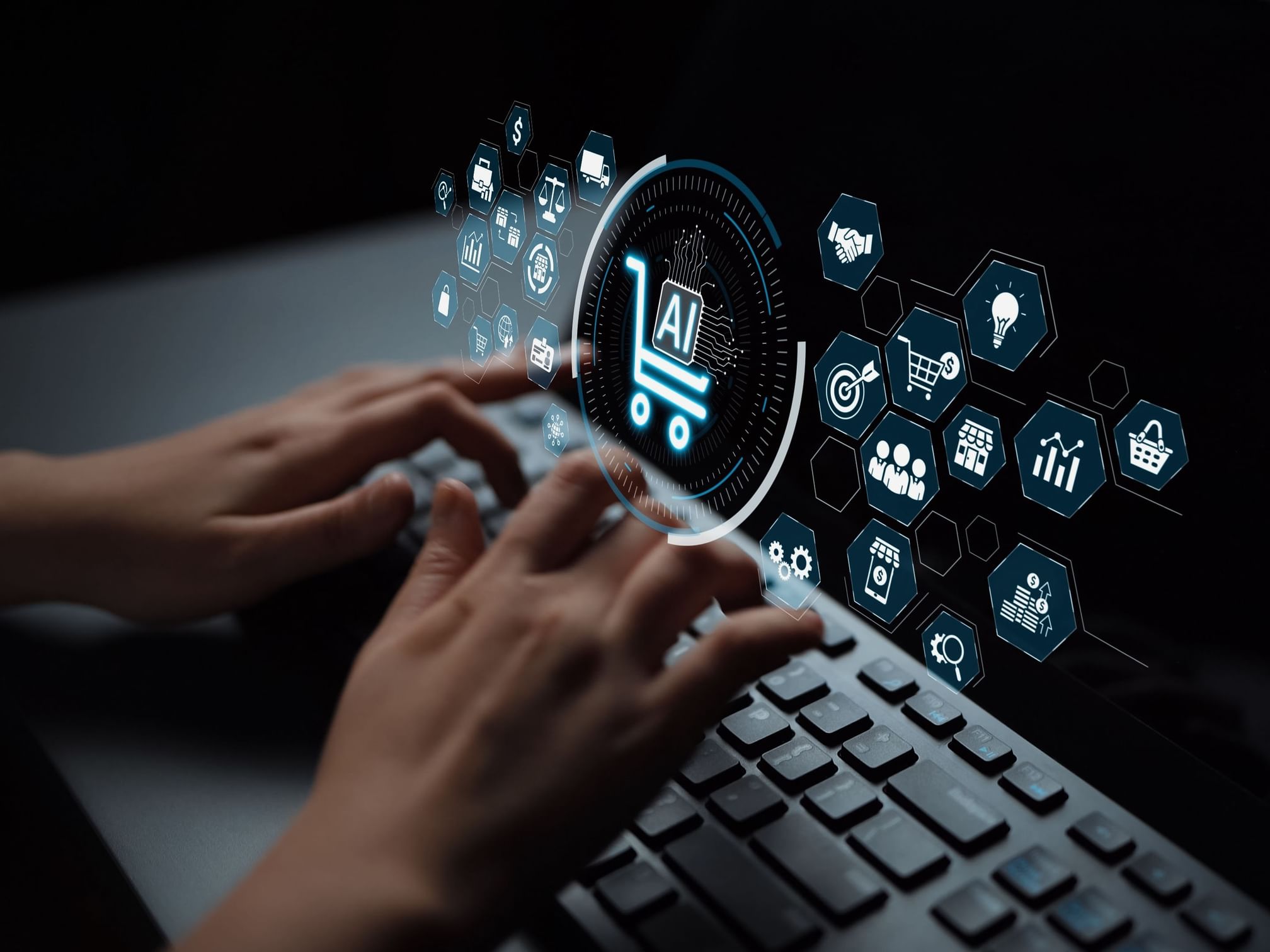
دبي في 9 يونيو/ وام/ أظهرت دراسة لـ " فيزا " تحمل عنوان "ابقَ آمناً" "Stay Secure"، أن الذكاء الاصطناعي بات جزءاً متنامياً من تجربة التسوق لدى المستهلكين في الإمارات، وأن 85% من المستهلكين في الدولة استخدموا أدوات الذكاء الاصطناعي للمساعدة في التسوق، سواء للتحقق من تقييمات المنتجات وآراء المستخدمين "60%" أو لمقارنة الأسعار "59%"، أو للحصول على أفكار للهدايا "55%".

وتسلط دراسة فيزا السنوية التي كشفت عنها اليوم، الضوء على وعي المستهلكين وسلوكهم فيما يتعلق بالتجارة الرقمية والاحتيال.

وأظهرت الدراسة، التي أجرتها شركة "Wakefield Research"، تنامي اعتماد المستهلكين في دولة الإمارات على أدوات الذكاء الاصطناعي في تجارب التسوق اليومية، مع بقاء الثقة والأمان في صدارة العوامل الحاسمة عند إتمام عمليات الدفع.

ويعكس هذا التوجه وفق فيزا، قناعة واسعة بالفوائد التي توفرها التقنيات الحديثة، حيث يرى 93% من المشاركين أن الأدوات المدعومة بالذكاء الاصطناعي أسهمت في جعل التسوق الإلكتروني أكثر سرعة وسهولة مقارنة بالسابق.

كما بات الذكاء الاصطناعي يؤدي دوراً متزايداً في استكشاف العلامات التجارية والمتاجر الجديدة، إذ أفاد 60% بأنهم يتعرفون عادة على علامات تجارية أو متاجر جديدة أثناء التسوق عبر الإنترنت.

ورغم هذا الإقبال، لا يزال المستهلكون أكثر تحفظاً عندما يتعلق الأمر بقيام الذكاء الاصطناعي بإتمام عمليات الشراء نيابة عنهم، إذ قال 32% فقط إنهم يثقون بوكلاء الذكاء الاصطناعي لإتمام عملية الدفع، ما يؤكد أهمية ترسيخ الثقة لدى المستهلكين في عصر التجارة القائمة على وكلاء الذكاء الاصطناعي.

ومع اتساع استخدام الذكاء الاصطناعي، بات المستهلكون ينظرون إليه كجزء من الحلّ لمواجهة الاحتيال الإلكتروني، حيث يرى 57% أنه أسهم في تسهيل اكتشاف عمليات الاحتيال، فيما يعتقد 85% أنه سيلعب دوراً محورياً في حماية المستهلكين من الاحتيال مستقبلاً.

وأصبح التسوق عبر منصات التواصل الاجتماعي جزءاً راسخاً من سلوك المستهلكين، إذ أظهرت الدراسة أن 69% من المستهلكين في دولة الإمارات سبق لهم شراء منتجات مباشرة عبر منصات التواصل الاجتماعي.

ومع اتساع نطاق التجارة الرقمية عبر قنوات جديدة، تواصل مخاطر الاحتيال ملاحقة المستهلكين في الفضاء الإلكتروني، حيث أفاد 46% من المشاركين بتعرضهم لعملية احتيال مالي خلال الاثني عشر شهراً الماضية.

ومن بين الذين تعرضوا للاحتيال، قال 38% إنّ الحادثة وقعت عبر وسائل التواصل الاجتماعي، وهي نسبة تفوق حالات الاحتيال المسجلة عبر منصات أخرى مثل المواقع الإلكترونية أو الأسواق الرقمية أو تطبيقات التسوق.

وسلّطت الدراسة الضوء على بعض المخاوف المتزايدة بشأن تعرض الأطفال لعمليات الاحتيال عبر الإنترنت، إذ أفاد 80% من المستهلكين بأن الأطفال في محيطهم قد يواجهون صعوبة في التمييز بين محاولات الاحتيال، كما أشار 67% إلى أنهم لاحظوا حالات تعرض طفل لعملية احتيال أثناء اللعب أو التسوق عبر الإنترنت.

ويأتي هذا القلق بالتزامن مع تزايد وصول الأطفال إلى أدوات التجارة الرقمية، حيث ذكر 33% من أولياء الأمور في دولة الإمارات أن أبناءهم يستطيعون الوصول إلى تطبيقات الدفع عبر الهاتف أو المحافظ الرقمية.

عندما يتعلق الأمر بالحماية من الاحتيال أثناء التسوق الإلكتروني، يتجه المستهلكون إلى تحميل المؤسسات المسؤولية الأولى، أكثر من تحميلها لأنفسهم، فقد رأى 36% أن البنوك والمؤسسات المالية يجب أن تتحمل الدور الرئيس في حماية المستهلكين، فيما اعتبرت النسبة نفسها أن هذه المسؤولية تقع على عاتق الجهات والهيئات التنظيمية.

كما يرى 34% من المستهلكين أن مزودي خدمات الدفع يتحملون مسؤولية أساسية في هذا المجال، بينما لم يعتبر سوى 19% أن المستهلكين أنفسهم يجب أن يتحملوا المسؤولية الرئيسة عن الحماية من الاحتيال.

وفي الوقت نفسه، يطالب المستهلكون بإجراءات استباقية تعزّز شعورهم بالأمان أثناء عمليات الدفع، إذ قال 60% إن تلقّي تنبيهات فورية من البنك أو تطبيق الدفع عند رصد أي نشاط مريب يمنحهم شعوراً أكبر بالأمان، فيما يشعر 33% براحة أكبر عند رؤية شعار مألوف وموثوق أثناء إتمام عملية الدفع.

وقال ديبياجيوتي سين، رئيس إدارة المخاطر لمنطقة مجلس التعاون الخليجي في فيزا، إن الدراسة تظهر أنه في الوقت الذي يواصل فيه التسوق الإلكتروني والتجارة عبر منصّات التواصل الاجتماعي نموّهما، تتطور أيضاً أساليب الاحتيال المالي عبر الإنترنت، ويرى المستهلكون أن الحماية من الاحتيال مسؤولية مشتركة، إلا أنهم يتوقعون من المؤسسات المالية والجهات الحكومية ومزوّدي خدمات الدفع أن يقودوا هذه الجهود، ما يؤكّد أهمية تصميم أنظمة دفع قائمة على الأمان من الأساس.

وأضاف أنه مع توجّه التجارة نحو تجارب أكثر اعتماداً على التقنيات الذكية، تُظهر الدراسة أن المستهلكين يرحّبون بما توفّره هذه التقنيات من سهولة وراحة في تجربة التسوق، لكنهم لا يزالون يتعاملون بحذر مع فكرة إتمام عمليات الشراء نيابة عنهم.

ذكاء اصطناعيتسوقفيزا
الخبر متوفّر باللغات التالية:English
المصدر الأصلي للخبر
وكالة أنباء الإمارات

Study: 85% of consumers in the UAE use artificial intelligence for shopping – WAM

June 26, 2026·WAM
Study: 85% of consumers in the UAE use artificial intelligence for shopping – WAM

Dubai, June 9 (WAM) - A Visa study titled "Stay Secure" has revealed that artificial intelligence is becoming an increasingly integral part of the shopping experience for consumers in the UAE. The survey found that 85% of consumers in the country have used AI tools to assist with their shopping, whether it's checking product reviews and user opinions (60%), comparing prices (59%), or getting gift ideas (55%).

Visa’s annual study, which was released today, sheds light on consumer awareness and behavior regarding digital commerce and fraud.

The survey, conducted by Wakefield Research, shows that consumers in the UAE are increasingly relying on AI tools for their daily shopping experiences. However, trust and security remain top priorities when completing payments.

According to Visa, this trend reflects a widespread belief in the benefits of modern technologies. A staggering 93% of respondents believe that AI-powered tools have made online shopping faster and easier than before.

AI is also playing an increasingly important role in discovering new brands and stores. The survey found that 60% of consumers typically discover new brands or stores while shopping online.

Despite this enthusiasm, consumers are still more cautious when it comes to AI completing purchases on their behalf. Only 32% said they trust AI agents to complete the payment process, highlighting the importance of building consumer confidence in the age of AI-powered shopping.

As AI usage expands, consumers view it as part of the solution to combat online fraud. A staggering 57% believe that AI has made it easier to detect fraudulent activities, while a whopping 85% think it will play a pivotal role in protecting consumers from fraud in the future.

Shopping on social media platforms has become an established part of consumer behavior. The study revealed that 69% of consumers in the UAE have purchased products directly through social media platforms.

As digital commerce expands across new channels, the risks of fraud continue to follow consumers into cyberspace. A staggering 46% of respondents reported experiencing financial fraud in the past 12 months.

Among those who fell victim to fraud, a significant 38% said it occurred on social media platforms, surpassing instances of fraud recorded through other channels such as websites, digital marketplaces, or shopping apps.

The study highlighted some growing concerns about children being exposed to online fraud. Eighty percent of consumers reported that children in their environment may struggle to distinguish between fraudulent attempts, and 67% indicated that they have witnessed a child being targeted during play or online shopping.

This concern comes at a time when children's access to digital trading tools is increasing. Thirty-three percent of parents in the UAE stated that their children can access phone payment apps or digital wallets.

When it comes to protecting against fraud during e-commerce, consumers tend to place more responsibility on institutions than on themselves. Thirty-six percent believe that banks and financial institutions should play a key role in protecting consumers, while the same percentage considers this responsibility to fall on regulatory bodies.

Thirty-four percent of consumers also view payment service providers as having primary responsibility in this area, whereas only 19% consider it the consumer's own responsibility to protect against fraud.

At the same time, consumers are calling for proactive measures that enhance their sense of security during payments. Sixty percent said receiving instant alerts from the bank or payment app when suspicious activity is detected gives them a greater sense of security, while 33% feel more comfortable seeing a familiar and trusted logo during the payment process.

Debajoti Sen, head of risk management for the Gulf Cooperation Council region at Visa, said that as e-commerce and social media shopping continue to grow, so do online financial fraud methods. Consumers see fraud protection as a shared responsibility, but they expect financial institutions, government agencies, and payment service providers to lead these efforts, which emphasizes the importance of designing secure payment systems from the ground up.

He added that as commerce moves toward more tech-driven experiences, the study shows consumers welcome the convenience and ease offered by technology in the shopping experience. However, they still approach the idea of completing purchases on their behalf with caution.

ذكاء اصطناعيتسوقفيزا
This article is also available in:العربية
Original source article
WAM