سعة أكبر وعمر أقصر.. الحقيقة الكاملة وراء بطاريات سامسونغ غالاكسي زد فولد 8
22 أغسطس 2026·البيان
سعة أكبر وعمر أقصر.. الحقيقة الكاملة وراء بطاريات سامسونغ غالاكسي زد فولد 8

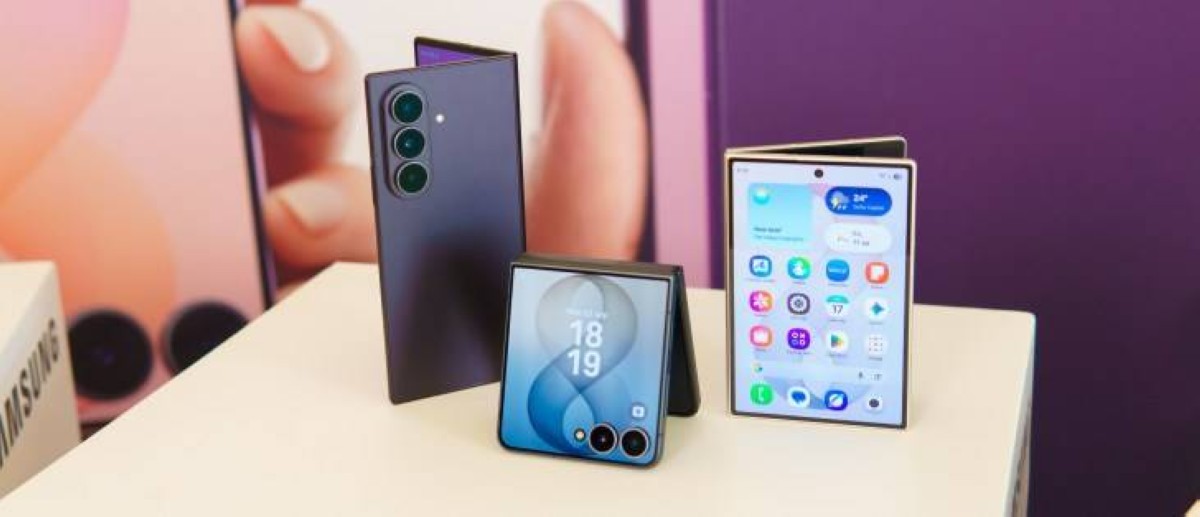
شهدت أحدث إصدارات شركة سامسونغ في فئة الهواتف القابلة للطي، قفزة نوعية في تكنولوجيا الطاقة ومواصفات البطارية. فقد كشفت المراجعات التقنية الأجنبية أن الشركة تبنت تقنيات جديدة لزيادة سعة البطارية بشكل ملحوظ، مع الحفاظ على التصميم النحيف الذي يتطلبه هذا النوع من الأجهزة.

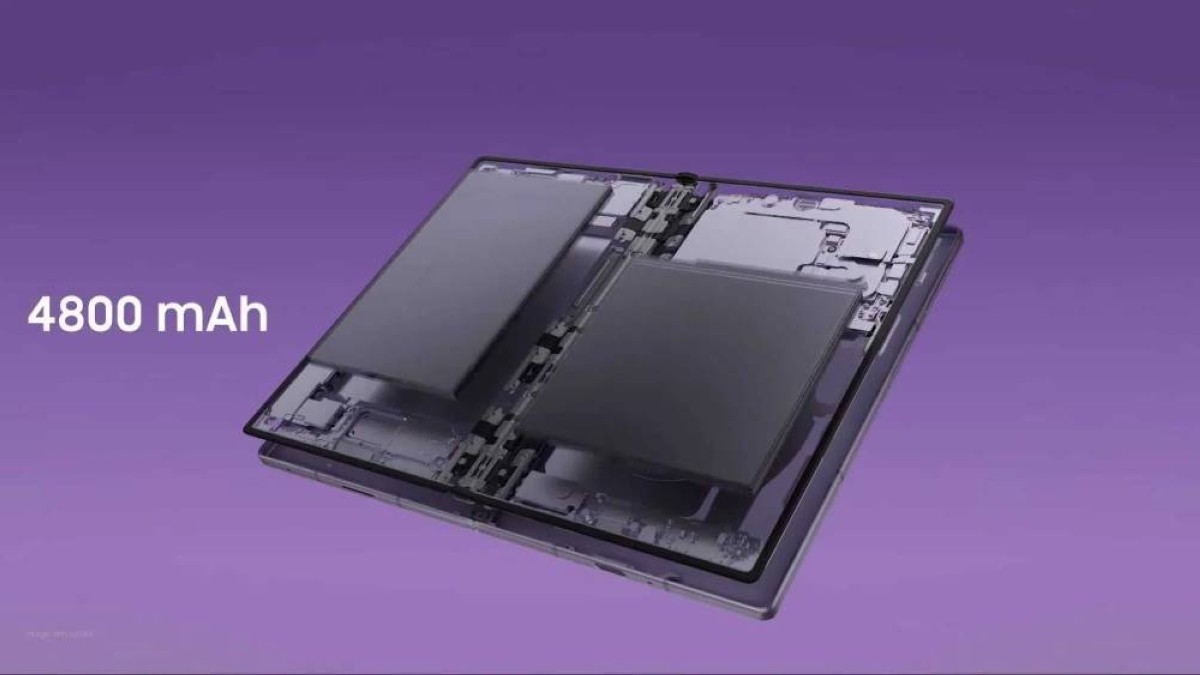
وتاريخياً، عانت الهواتف القابلة للطي من محدودية حجم البطارية بسبب قيود التصميم، ورغم تبني العديد من الشركات الصينية لتكنولوجيا السيليكون كاربون في بطارياتها لزيادة سعاتها، إلا أن سامسونغ وأبل ظلا هما الشركتان الوحيدتان غير المستخدمين لتلك التقنية، لاعتبارات تصنيعية وتقنية، قالت عنها سامسونغ إنها لم تكن مستعدة للمغامرة بتبني تكنولوجيا جديدة في البطاريات دون الخضوع لاختبارات تحمل وقدرة بالغة، إلا أن سامسونغ كسرت هذه القاعدة في الجيل الثامن. حيث يأتي الإصدار الأساسي "زد فولد 8" ببطارية سعتها 4,800 مللي أمبير رغم صغر حجم الجهاز. في المقابل، حصل الإصدار الأرقى "زد فولد 8 ألترا" على بطارية بسعة 5,000 مللي أمبير في الساعة.

تُعد هذه الأرقام قفزة كبيرة مقارنة بهاتف "زد فولد 7" السابق الذي اقتصرت بطاريته على 4,400 مللي أمبير. ورغم هذه الزيادة، حافظت سامسونغ على تصميم فائق النحافة، حيث يبلغ سُمك هاتف "زد فولد 8" عند فتحه 4.5 ملم فقط، و9.7 ملم عند طيه، وبوزن لا يتجاوز 201 غرام.

يعود الفضل في قدرة سامسونغ على زيادة السعة دون زيادة سُمك الجهاز إلى انتقالها من بطاريات "الليثيوم-أيون" التقليدية إلى بطاريات بأقطاب "السيليكون-كربون". تتيح تكنولوجيا السيليكون-كربون كثافة طاقة أعلى بكثير، مما يعني تخزين طاقة أكبر في نفس الحجم الفيزيائي للبطارية.

وقد أشار سونغهون مون نائب الرئيس التنفيذي وكبير المسؤولين التنفيذيين في مكتب البحث والتطوير للأجهزة المحمولة وتحديدا قسم العتاد والهاردوير في شركة سامسونج للإلكترونيات، وفقاً لتصريحات نشرها موقع "غادجيتس هاكس" إلى أن استخدام بطاريات الليثيوم التقليدية بسعات أكبر كان سيؤدي حتماً إلى تضخم حجم الهاتف، لذا كان الاعتماد على السيليكون-كربون هو الحل الأمثل للحفاظ على نحافة الأجهزة وتطوير أدائها في الوقت ذاته.

سرعة الشحن ودورة الحياة

إلى جانب السعة، دُعمت السلسلة الجديدة سرعات شحن محسّنة، حيث تدعم الشحن السلكي السريع بقدرة 45 واط، والشحن اللاسلكي بقدرة 20 واط، بالإضافة إلى الشحن العكسي بقدرة 4.5 واط.

ولكن، تأتي هذه التكنولوجيا الجديدة بضريبة تتعلق بالعمر الافتراضي على المدى الطويل. فوفقاً للوثائق التنظيمية في الاتحاد الأوروبي، صُنفت بطاريات السيليكون-كربون في أجهزة فولد 8 لتتحمل حوالي 1,200 دورة شحن قبل أن تتراجع سعتها القصوى إلى حاجز الـ 80%. ويُعتبر هذا انخفاضاً ملحوظاً مقارنة بالأجيال السابقة من هواتف سامسونغ من الفئة العليا، والتي كانت بطارياتها تُصنف لتحمل ما يقارب 2,000 دورة شحن.

إلا أن عوامل أخرى تتحكم في عمر البطارية داخل جسم الموبايل، ولعبت سامسونغ في الجيل الجديد من الهواتف القابل للطي على السيطرة على حرارة الأجهزة، الأمر الذي يتيح عمر أطول للبطاريات سواء في الاستخدام اليومي أو على مستوى دورات الشحن.

وتمثل بطاريات سلسلة غالاكسي زد فولد 8 خطوة هندسية ذكية من سامسونغ لحل المعضلة الأكبر للهواتف القابلة للطي، توفير طاقة تكفي لتشغيل شاشتين ضخمتين دون تحويل الهاتف إلى جهاز سميك وثقيل، لتصبح أجهزة ابل هي آخر من يستخدم بطاريات السيليكون كاربون، في حال صحت الشائعات التي أكدت أن آيفون فولد الترا القابل للطي والمنتظر إصداره في سبتمبر المقبل سيحمل بطارية سيليكون كاربون بسعة 4833 مللي أمبير، وهو الأمر الذي لم تعلن عنه أبل رسمياً إلا أن العديد من التسريبات أشارت إلى السعة دون تحديد ما إذا كانت سيليكون كاربون أم لا، ولكن الأبعاد المسربة من الصعب أن تكون بطارية ليثيوم عادية بتلك السعة مع ذلك الحجم، لذلك من المرجح أن تكون سيليكون كاربون.

  • سامسونج
  • fold 8
  • غالاكسي
  • فولد 8
  • فولد
SamsungGalaxy Z Foldbattery
الخبر متوفّر باللغات التالية:English
المصدر الأصلي للخبر
البيان

Larger capacity, shorter lifespan: The full truth behind Samsung Galaxy Z Fold 8 batteries

August 22, 2026·Al Bayan
Larger capacity, shorter lifespan: The full truth behind Samsung Galaxy Z Fold 8 batteries

Samsung’s latest foldable phone releases have seen a significant leap in energy technology and battery specifications. Foreign technical reviews revealed that the company has adopted new technologies to increase battery capacity significantly while maintaining the slim design required for this type of device.

Historically, foldable phones have suffered from limited battery size due to design constraints. Although many Chinese companies have adopted silicon carbon technology in their batteries to increase capacities, Samsung and Apple remained the only two companies not using that technology, due to manufacturing and technical considerations. Samsung said it was not ready to take a risk by adopting new battery technologies without undergoing rigorous endurance and capacity tests. However, Samsung broke this rule with the 8th generation. The basic version, "Z Fold 8," comes with a 4,800 mAh battery despite its small size. In contrast, the premium version, "Z Fold 8 Ultra," has a 5,000 mAh battery.

These figures represent a significant leap compared to the previous Z Fold 7, which had a battery capacity of only 4,400 mAh. Despite this increase, Samsung has maintained an ultra-thin design; when unfolded, the Z Fold 8 is just 4.5 mm thick and 9.7 mm when folded, weighing no more than 201 grams.

Samsung’s ability to increase capacity without increasing thickness can be attributed to its transition from traditional lithium-ion batteries to silicon-carbon electrode batteries. Silicon-carbon technology allows for a much higher energy density, meaning that more energy can be stored in the same physical size of battery.

According to Songhoon Moon, Vice President and Head of Mobile Device Research & Development at Samsung Electronics’ Hardware Division, as reported by Gadgets Hacks, using larger capacity traditional lithium batteries would inevitably have led to an increase in the phone's size. Therefore, relying on silicon-carbon was the optimal solution for maintaining device thinness while improving performance.

Charging Speed and Cycle Life

In addition to capacity, the new series supports improved charging speeds, including 45W wired fast charging, 20W wireless charging, and 4.5W reverse charging.

But, this new technology comes with a long-term durability tax. According to EU regulatory documents, the silicon-carbon batteries in the Galaxy Fold 8 are classified as having around 1,200 charge cycles before their maximum capacity drops below 80%. This is a significant drop compared to previous generations of Samsung’s flagship phones, whose batteries were classified for about 2,000 charge cycles.

However, other factors control the battery life inside the mobile phone. In the new generation of foldable phones, Samsung has played with controlling the device's temperature, which allows longer battery life in both daily use and charging cycles.

The Galaxy Z Fold 8’s batteries represent a smart engineering step by Samsung to solve the biggest problem for foldable phones: providing enough power to run two large screens without turning the phone into a thick and heavy device. Apple is the last to use silicon carbon batteries, if rumors are true that the iPhone Ultra Foldable, which will be released in September, will have a 4833 mAh silicon carbon battery, something Apple has not officially announced but many leaks have indicated the capacity without specifying whether it is silicon carbon or not. However, leaked dimensions make it difficult for a regular lithium battery to have such a capacity with that size; therefore, it is likely to be silicon carbon.

  • Samsung
  • Fold 8
  • Galaxy
  • Fold 8
  • Fold
SamsungGalaxy Z Foldbattery
This article is also available in:العربية
Original source article
Al Bayan