سكر في الفضاء.. اكتشاف غير مسبوق
13 يوليو 2026·البيان
سكر في الفضاء.. اكتشاف غير مسبوق

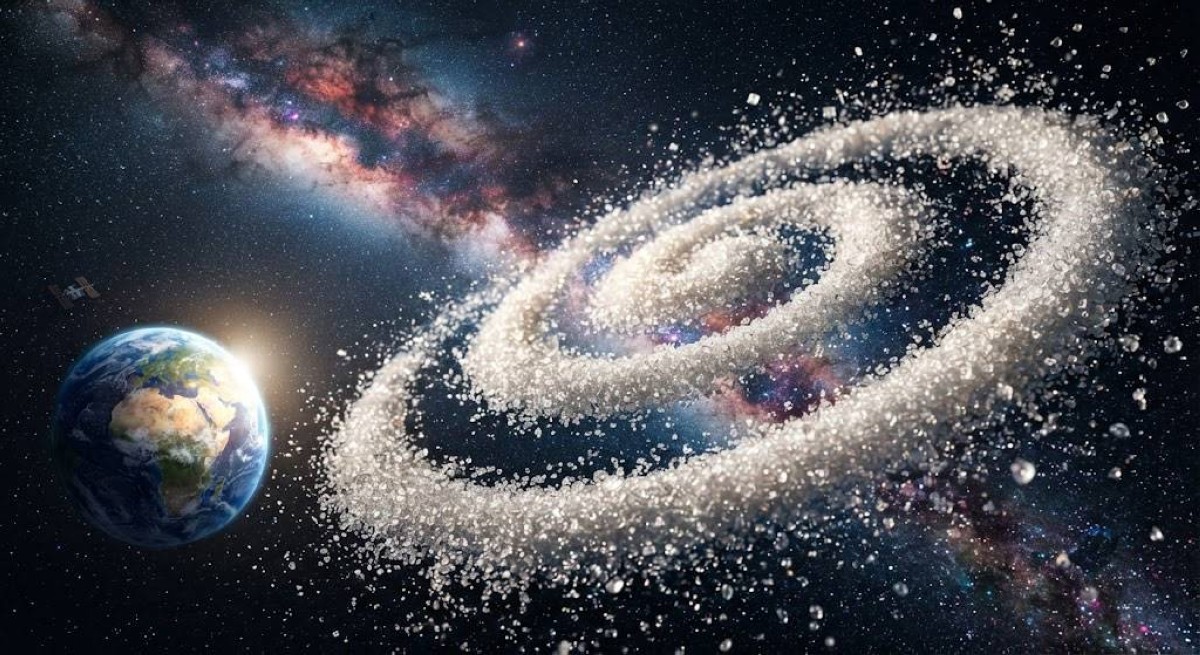
في اكتشاف غير مسبوق ، رصد فريق دولي لأول مرة نوعا من السكر في الفضاء بين النجوم، بالقرب من مركز مجرة درب التبانة. ويعزز هذا الاكتشاف فرضية أن بعض المكونات الأساسية للحياة ربما وصلت إلى الأرض عبر الكويكبات والنيازك قبل مليارات السنين.

والسكر المكتشف هو الإريثرولوز، وهو مركب يوجد طبيعيا في بعض أنواع التوت ويُستخدم أيضا في مستحضرات التجميل. لكن أهميته العلمية تتجاوز استخداماته اليومية، إذ يُعد أول سكر يُكتشف خارج النظام الشمسي.

وجاء الاكتشاف داخل سحابة جزيئية تعرف باسم G+0.693−0.027 قرب مركز المجرة، وهي منطقة غنية بالجزيئات الكيميائية المعقدة. واستخدم الباحثون تلسكوبات راديوية لتحليل الإشارات القادمة منها، في محاولة لتوسيع قائمة الجزيئات المعروفة في الفضاء، والتي تضم أكثر من 340 مركبا.

وكان العلماء يتوقعون العثور على سكريات أبسط مكونة من ثلاث ذرات كربون، إلا أن الإريثرولوز، الذي يحتوي على أربع ذرات كربون، كان الوحيد الذي أمكن رصد بصمته الكيميائية بوضوح.

وتشير النماذج الكيميائية إلى أن هذا السكر يتشكل على سطح حبيبات الغبار بين النجوم من جزيئات أبسط، ما يدل على أن الفضاء قادر على إنتاج مركبات عضوية أكثر تعقيدًا مما كان يُعتقد سابقا.

وأوضح الباحثون في دراستهم المنشورة بمجلة Nature Astronomy أن سكر الإريثرولوز يتكون على سطح حبيبات الغبار الدقيقة في الفضاء، نتيجة تفاعل مركبين عضويين هما غليكول ألدهيد وإيثيلين غليكول، اللذان ينتشران في بعض مناطق الكون. والأكثر إثارة أن هذه التفاعلات الكيميائية تحدث في بيئة شديدة البرودة تصل حرارتها إلى نحو 250 درجة مئوية تحت الصفر.

ويُعد الإريثرولوز أيضا أكبر جزيء عضوي غير حلقي يُكتشف حتى الآن في الوسط بين النجوم، وهو ما يرفع مستوى التعقيد الكيميائي المعروف في الفضاء، ويعزز احتمال وجود جزيئات أخرى مرتبطة بنشأة الحياة، وفقا لصحيفة " الغارديان" البريطانية.

وقالت الدكتورة إيزاسكون خيمينيز-سيرا، من مركز علم الأحياء الفلكي في إسبانيا: "هذا أول سكر يُكتشف في الفضاء بين النجوم، ويشير إلى أن هذه المركبات قد تكون أكثر شيوعا مما كنا نعتقد، ما يفتح الباب أمام احتمال تطور الحياة على عوالم أخرى بطريقة مشابهة للأرض."

وقال البروفيسور يوشيهيرو فوروكاوا من جامعة توهوكو في اليابان، والذي سبق أن اكتشف سكريات في عينات من الكويكب بينو، إن هذا الاكتشاف كان منتظرا منذ فترة، موضحا أن السكريات التي تتشكل في الفضاء بين النجوم قد تنتقل إلى الأرض والكواكب الأخرى عبر غبار المذنبات، وربما أسهمت في توفير مكونات ساعدت على نشأة الحياة، رغم أن الآلية الدقيقة التي تتحول بها هذه الجزيئات إلى أنظمة حية لا تزال غير مفهومة بالكامل.

ويرى الباحثون أن الأرض في بداياتها كانت شديدة الحرارة لدرجة لا تسمح ببقاء المركبات العضوية، لذلك ربما جاءت بعض اللبنات الأساسية للحياة من الفضاء، بعدما حملتها الكويكبات إلى الأرض عقب برودة سطحها.

وفي البيئات المائية، يمكن أن يتحول الإريثرولوز إلى أنواع أخرى من السكريات، ما يوفر مجموعة متنوعة من المركبات التي ربما ساعدت على ظهور أولى التفاعلات الحيوية على كوكبنا.

spaceastronomysugar
الخبر متوفّر باللغات التالية:English
المصدر الأصلي للخبر
البيان

Sugar in Space... An Unprecedented Discovery

July 13, 2026·Al Bayan
Sugar in Space... An Unprecedented Discovery

In an unprecedented discovery, an international team has for the first time detected a type of sugar in space between stars, near the center of the Milky Way galaxy. This discovery supports the hypothesis that some of life’s basic components may have reached Earth via asteroids and meteors billions of years ago.

The discovered sugar is erythrulose, a compound naturally found in certain types of berries and also used in cosmetics. However, its scientific significance goes beyond everyday uses; it is the first sugar to be discovered outside the solar system.

The discovery was made within a molecular cloud known as G+0.693−0.027 near the center of the galaxy, an area rich in complex chemical molecules. The researchers used radio telescopes to analyze the signals coming from it, in an attempt to expand the list of known molecules in space, which includes more than 340 compounds.

Scientists had expected to find simpler sugars composed of three carbon atoms; however, erythrulose, which contains four carbon atoms, was the only one whose chemical signature could be clearly detected.

Chemical models suggest that this sugar forms on the surface of interstellar dust particles from simpler molecules, indicating that space is capable of producing organic compounds more complex than previously thought.

Researchers have explained in a study published in Nature Astronomy that erythrulose sugar is formed on the surface of microscopic dust particles in space, as a result of the reaction between two organic compounds: glycolaldehyde and ethylene glycol, which are spread throughout some areas of the universe. What’s more exciting is that these chemical reactions occur in an extremely cold environment with temperatures reaching about 250 degrees Celsius below zero.

Erythrulose is also the largest non-ring organic molecule discovered so far in interstellar space, which raises the level of known chemical complexity in space and enhances the likelihood of other molecules related to the origin of life, according to The Guardian newspaper.

Dr. Izaskun Jiménez-Serra from the Center for Astrobiology in Spain said: “This is the first sugar discovered in interstellar space, and it suggests that these compounds may be more common than we thought, opening up the possibility of life evolving on other worlds in a way similar to Earth.

Professor Yoshihiro Furukawa from Tohoku University in Japan, who previously discovered sugars in samples from the asteroid Bennu, said this discovery was long awaited. He explained that sugars formed in interstellar space may be transported to Earth and other planets through cometary dust, and perhaps contributed to providing components that helped life originate, although the precise mechanism by which these molecules turn into living systems is still not fully understood.

Researchers believe that the Earth was extremely hot at its beginning, to a degree that did not allow organic molecules to survive. Therefore, some of life’s basic building blocks may have come from space, carried by asteroids after the surface cooled down.

In aquatic environments, erythrulose can be converted into other types of sugars, providing a diverse range of compounds that may have helped initiate the first biological reactions on our planet.

spaceastronomysugar
This article is also available in:العربية
Original source article
Al Bayan