هاتفك يُحمل فقراتك 27 كجم.. وخسائر صحية بـ 12 مليار دولار من جيبك
13 يوليو 2026·البيان
هاتفك يُحمل فقراتك 27 كجم.. وخسائر صحية بـ 12 مليار دولار من جيبك

بينما تظن أنك تتصفح هاتفك بضغطة إصبع خفيفة، أنت في الواقع تُحمل فقرات رقبتك عبئاً فيزيائياً يصل إلى 27 كجم، وتدفع من "جيبك" الخاص ضريبة خفية تبلغ 12 مليار دولار سنوياً في صورة فواتير رعاية صحية وعلاجات تجميلية وتقويمية.

أجهزتنا الرقمية اليوم لا تُعيد تشكيل عاداتنا فحسب، بل تُعيد صياغة هيكلنا العظمي وتُستنزف مواردنا الاقتصادية بطرق لم نتوقعها.

إن هذا الانحناء المستمر نحو الشاشات ليس مجرد وضعية جلوس عابرة، بل هو استنزاف يومي يُحول أجسادنا إلى ضحايا لنمط حياة "رقمي" مكلف، مما يفرض علينا وقفة جادة للتدخل قبل أن تتحول هذه العادة اليومية إلى أزمة صحية واقتصادية لا يمكن تداركها.

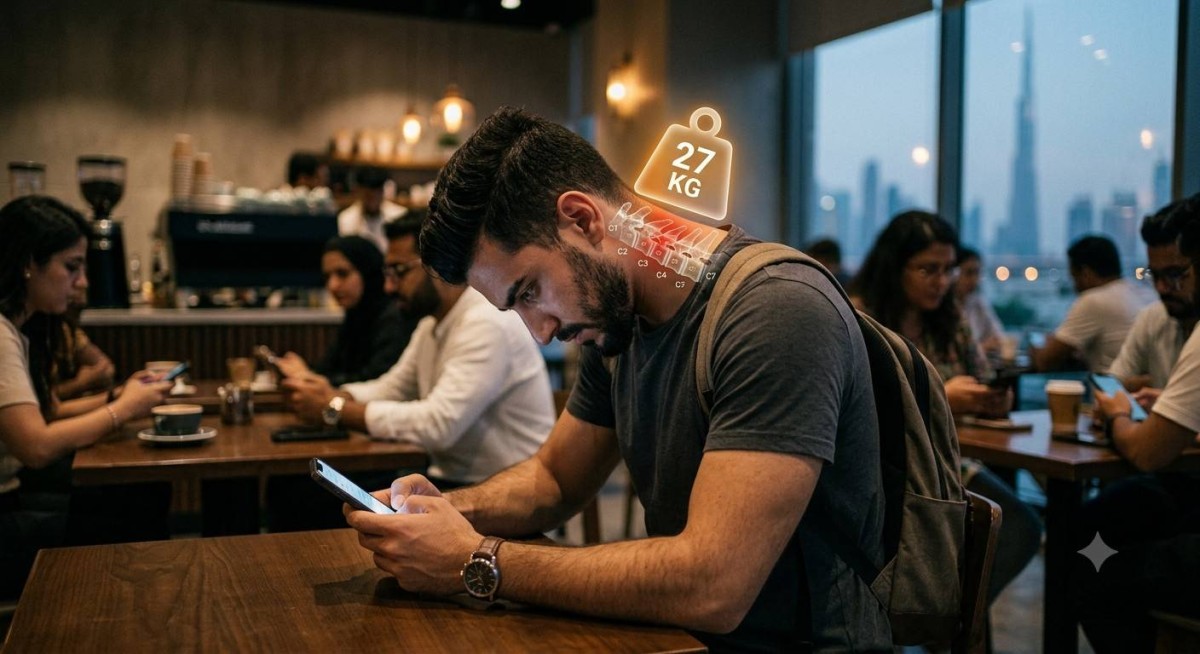
تشير التقديرات الطبية إلى أن وضعية "الرأس المائل للأمام" التي نعتمدها عند النظر لهواتفنا وأجهزتنا، تضع ضغطاً يصل إلى 60 رطلاً (حوالي 27 كجم) على فقرات الرقبة.

هذا الضغط، المعروف بلقب "رقبة التكنولوجيا" (Tech neck)، يؤدي مع مرور الوقت إلى تلف الأقراص الفقرية وتدهور المفاصل والعضلات، بل ويفضي إلى انخفاض سعة الرئة. وينصح الخبراء بضرورة رفع أجهزتنا لمستوى العين والحفاظ على مسافة ذراع، مع تطبيق قاعدة الاستراحة لمدة 20 دقيقة كل نصف ساعة لتقليل الإجهاد المستمر.

وعلى صعيد الصحة الجلدية، توضح جاستن هيكستال، استشارية الأمراض الجلدية وزميلة الكلية الملكية للأطباء في المملكة المتحدة، أن الربط بين الانحناء المستمر وتجاعيد الرقبة يبدو منطقياً نتيجة "الإجهاد الميكانيكي المتكرر".

وفي سياق متصل، تحذر "هيكستال" من مخاطر الساعات الذكية؛ حيث إن البيئة المظلمة والرطبة تحتها تحفز نمو الفطريات والإكزيما، وتزيد من احتمالية الإصابة بحساسية تجاه مواد مثل النيكل، والمطاط، واللاتكس، ومجموعة من المواد الكيميائية تسمى الأكريلات، مما يوجب خلع أجهزتنا القابلة للارتداء بانتظام واستخدام كريمات عازلة.

و كشفت دراسة طولية امتدت لأكثر من 20 عاماً، أجراها البروفيسور دونالد موتي، أستاذ البصريات في جامعة ولاية أوهايو، أن العلاقة بين قصر النظر و"العمل القريب" على أجهزتنا ليست مباشرة كما يُشاع.

وبدلاً من ذلك، اكتشفت الدراسة أن العامل الوقائي الأهم هو قضاء الوقت في الخارج؛ حيث يحفز الضوء الساطع إطلاق "الدوبامين" من الشبكية، وهو ما يلعب دوراً حاسماً في تنظيم نمو العين. وبناءً على ذلك، يوصي موتي بزيادة وقت التواجد تحت ضوء الشمس الطبيعي (مع الحماية المناسبة) ليس فقط لصحة العين، بل لتحسين جودة النوم أيضاً.

و تبرز "قوة القبضة" كمؤشر حيوي للصحة العامة، حيث تشير الدراسات إلى أنها قد تتنبأ بالوفاة المبكرة بدقة تفوق قياسات ضغط الدم. ويرى البروفيسور يوهانز بيلر، من الجامعة الطبية في لوسيتز بألمانيا، أن التراجع الجيلي في قوة القبضة هو "علامة تحذير مبكرة" عن الحالة الصحية للأجيال الشابة، مرجعاً ذلك إلى التحول نحو العمل المكتبي الخامل واستخدام أجهزتنا لساعات طويلة.

ويؤكد الخبراء أن الحل يكمن في تحسين اللياقة العامة من خلال تمارين القوة، بحيث يجب أن يكون الشخص قادراً على ضغط كرة تنس بقوة والحفاظ على ذلك لـ 15-30 ثانية.

لا تتوقف تداعيات نمط الحياة الرقمي عند الجانب الفردي، بل تمتد لتشكل تحدياً اقتصادياً عالمياً. وفقاً لتقارير "مؤسسة الصحة العالمية للأبحاث الرقمية" (Global Digital Health Insights, 2026)، فإن تكاليف الرعاية الصحية المباشرة الناتجة عن "أمراض نمط الحياة الرقمي" قد سجلت زيادة سنوية بلغت 7% في الاقتصادات الكبرى.

كما تشير بيانات "سوق التكنولوجيا القابلة للارتداء"إلى أن الإنفاق العالمي على "المنتجات العلاجية" الموجهة لحل مشاكل الرقبة واليدين الناتجة عن أجهزتنا، قد قفز إلى حاجز الـ 12 مليار دولار سنوياً، مما يعكس تحولاً في الإنفاق الاستهلاكي من الترفيه الرقمي إلى معالجة الآثار الجسدية التي خلفتها تلك الأجهزة.

إلى جانب التأثيرات البدنية، تلعب أجهزتنا دوراً في اضطرابات الساعة البيولوجية. تشير دراسة صادرة عن "المعهد الوطني للصحة والتميز السريري" (NICE, 2026) إلى أن التعرض المكثف للضوء الأزرق المنبعث من الشاشات في الساعتين اللتين تسبقان النوم يقلل من إفراز هرمون "الميلاتونين" بنسبة تصل إلى 22%.

هذا الاضطراب، وفقاً لبيانات "المرصد العالمي لعلوم الأعصاب يرتبط بزيادة مخاطر الإصابة بـ "الإرهاق المعرفي المزمن" وضعف قدرة الدماغ على معالجة المعلومات المعقدة، مما يفسر شعور المستخدمين بـ "الضبابية الذهنية" في نهاية اليوم.

و أثبتت أبحاث البروفيسور سيباستيان سوجيت، من جامعة ريغنسبورغ بألمانيا، وجود علاقة طردية بين زيادة وقت الشاشة وتراجع المهارات الحركية الدقيقة. ويحذر "سوجيت" من أن هذا الأمر مثير للقلق نظراً للارتباط الوثيق بين المهارات الحركية والتطور المعرفي والأكاديمي لدى الأطفال والمراهقين.

ويختتم سوجيت بتحذير أعمق، حيث يرى أن التأثيرات الجماعية عبر الأجيال قد تؤدي إلى "تسطيح" معرفي للمجتمع، وعجز عن التفكير في الواقع المادي، لأن اليدين لم تعودا تمثلان نقطة الاتصال المركزية مع العالم كما في السابق، موصياً بدمج أنشطة يدوية مثل الطهي، النجارة، أو الكتابة باليد لاستعادة هذا التوازن.

phonehealthbackpain
الخبر متوفّر باللغات التالية:English
المصدر الأصلي للخبر
البيان

Your phone carries your paragraphs by 27 kg and health losses of $12 billion from your pocket

July 13, 2026·Al Bayan
Your phone carries your paragraphs by 27 kg and health losses of $12 billion from your pocket

While you think you’re just swiping your phone, the truth is that you are actually putting a physical load of up to 27 kg on your cervical vertebrae and paying an invisible tax of $12 billion per year in healthcare bills, cosmetic treatments, and corrective therapies from your “pocket.”

Our digital devices today not only reshape our habits but also remodel our skeletal structure and deplete our economic resources in ways we never anticipated.

This constant leaning towards screens is not just a passing posture, it’s a daily drain that turns our bodies into victims of an expensive “digital” lifestyle. This calls for serious intervention before this everyday habit becomes an irreversible health and economic crisis.

Medical estimates indicate that the “forward head posture” we adopt when looking at phones and devices puts up to 60 pounds (approximately 27 kg) of pressure on the cervical vertebrae.

This pressure, known as “tech neck,” leads over time to disc degeneration in the spine, joint deterioration, muscle weakness, and even reduced lung capacity. Experts recommend raising our devices to eye level and maintaining an arm’s length distance, along with taking a 20-minute break every half hour to reduce continuous strain.

In terms of skin health, Justin Hickstead, a dermatologist consultant and fellow of the Royal College of Physicians in the UK, explains that the link between constant bending and neck wrinkles seems logical as a result of “repeated mechanical stress”.

On a related note, Hickstead warns about the risks of smart watches; since the dark and damp environment under them encourages the growth of fungi and eczema, and increases the likelihood of developing an allergy to materials such as nickel, rubber, latex, and a group of chemicals called acrylates, which requires us to regularly remove our wearable devices and use barrier creams.

A longitudinal study spanning more than 20 years conducted by Professor Donald Mutti, an optometry professor at Ohio State University, revealed that the relationship between nearsightedness and “close work” on our devices is not as direct as commonly believed.

Instead, the study found that spending time outdoors is the most important protective factor; bright light stimulates the release of dopamine from the retina, which plays a crucial role in regulating eye growth. Based on this, Mutti recommends increasing time spent under natural sunlight (with appropriate protection) not only for eye health but also to improve sleep quality.

“Grip strength” emerges as a vital indicator of overall health, with studies suggesting it may predict early death more accurately than blood pressure measurements. Professor Johannes Billert from the Medical University of Lucite in Germany believes that the decline in grip strength among younger generations is an “early warning sign” for their health, attributing this to the shift towards sedentary office work and prolonged use of devices.

Experts emphasize that the solution lies in improving overall fitness through strength training. Individuals should be able to squeeze a tennis ball with sufficient force and maintain it for 15–30 seconds.

The repercussions of digital lifestyle extend beyond individual aspects, posing a global economic challenge. According to reports from “Global Digital Health Insights, 2026”, the direct healthcare costs resulting from “digital lifestyle diseases” have recorded an annual increase of 7% in major economies.

Data from the “Wearable Technology Market” indicates that global spending on “therapeutic products” aimed at addressing neck and hand problems caused by our devices has surged to over $12 billion annually, reflecting a shift in consumer expenditure from digital entertainment to addressing the physical effects of these devices.

In addition to the physical effects, our devices play a role in disrupting our biological clock. A study by the National Institute for Health and Clinical Excellence (NICE, 2026) indicates that intensive exposure to blue light emitted from screens in the two hours before sleep reduces melatonin secretion by up to 22%.

This disruption, according to data from the Global Observatory of Neuroscience, is associated with an increased risk of chronic cognitive fatigue and a weakened ability of the brain to process complex information, which explains why users feel "mental fog" at the end of the day.

Research by Professor Sebastian Sوجيت from the University of Regensburg in Germany has proven a direct relationship between increased screen time and declining fine motor skills. Sوجيت warns that this is concerning due to the close link between motor skills and cognitive and academic development in children and adolescents.

Sوجيت concludes with a deeper warning, suggesting that the collective effects across generations could lead to a "flattening" of society's intellect and an inability to think about the physical world. Because hands are no longer the central point of contact with the world as they once were, he recommends integrating manual activities such as cooking, carpentry, or handwriting to restore this balance.

phonehealthbackpain
This article is also available in:العربية
Original source article
Al Bayan