سوتشيل بلي ستشن ضربة قاضية لحفظ الألعاب
3 يوليو 2026·إنجاجيت
سوتشيل بلي ستشن ضربة قاضية لحفظ الألعاب

قتل أقراص الألعاب خطوة معادية للمستهلكين ولا تفيد سوى سوني.

بقلم كريس هولت في 3 يوليو 2026 8:30 صباحًا بتوقيت شرق الولايات المتحدة Mehaniq/Shutterstock

حسنًا، هذا كل شيء إذن. اعتبارًا من عام 2028، ستكون أقراص الألعاب من الماضي بالنسبة لبلاي ستيشن. وبعد محاولة سوني السابقة للقيام بذلك قبل خمس سنوات - قبل حدوث ردة فعل عكسية دفعتها لعكس مسارها - تغلق شركة سوني أخيرًا المتاجر الرقمية على PS3 و PlayStation Vita. لا يبدو أن الشركة ستتراجع هذه المرة. كل من هذين القرارين سيئان لمستقبل الوسائط المادية وحفظ الألعاب.

لقد كانت سوني تتحرك في هذا الاتجاه منذ وقت طويل جدًا، منذ بدأت ببيع الألعاب الرقمية قبل عقدين من الزمن. كان جهاز PSP Go الرقمي فقط في عام 2009 ونسخة PS5 الرقمية بعد 11 عامًا مؤشرين واضحين على اتجاه الأمور.

بالرغم من أهمية الحفاظ على الألعاب، أضطر للاعتراف بمساهمتي في هذا التحول إلى مستقبل رقمي بالكامل. اشتريت جهاز بلاي ستيشن 5 مع محرك أقراص في عام 2020 بالإضافة إلى نسخة مادية من لعبة ديث لوب. لا تزال تلك هي القرص الوحيد للعبة الذي اشتريته لهذا الجهاز. لا أستطيع أن أخبركم بالمرة الأخيرة التي وضعت فيها قرص بلاي ستيشن 4 في جهاز بلاي ستيشن 5. ينطبق الشيء نفسه على أنظمة الألعاب الأخرى - لا أمتلك أي ألعاب إكس بوكس مادية واملك فقط قرصين من سويتش. ألعاب الكمبيوتر، بالطبع، كانت رقمية فقط منذ فترة طويلة.

"هذه هي الاتجاه الطبيعي لشركة سوني انتراكتيف إنترتينمنت للتكيف مع اتجاهات المستهلكين حيث يتفوق تفضيل الوسائط الرقمية بشكل كبير على الأقراص المادية"، كتب سيد شومان، المدير الأقدم لفريق الاتصالات في محتوى شركة سوني انتراكتيف إنترتينمنت، على مدونة بلاي ستيشن. "سيسمح لنا هذا التحول بالتحالف بشكل أوثق مع كيفية تفضيل معظم مجتمعنا الوصول إلى الألعاب واللعب بها اليوم."

تؤكد الأرقام صحة ادعاء سوني. حيث ذكرت الشركة أنه خلال العام المالي الأخير (أبريل 2025-مارس 2026)، تم شراء ما يقرب من أربعة أخماس عمليات شراء الألعاب الكاملة لـ PS4 و PS5 رقمياً. بين يناير ومارس 2026، ارتفع ذلك إلى 85 بالمائة. وقد أبلغ بعض الناشرين من الأطراف الثالثة عن نسب أعلى حتى من المبيعات الرقمية مقابل المبيعات المادية. خلال الفترة نفسها (أبريل-مارس)، ذكرت شركة كابكوم أن 93% من مبيعات ألعابها كانت نسخًا رقمية. وتتوقع الشركة أن تنمو إلى حوالي 95.4% في العام المالي الحالي.

هناك علامات أخرى على تحول المشهد. حيث ستتضمن الطبعات المادية الأولية لـ *Grand Theft Auto VI* رمزًا داخل علبة (لمنع تسريبات اللعبة الأكثر توقعًا خلال السنوات). كما تفرض نينتندو أسعارًا أعلى للطبعات المادية لبعض الألعاب الخاصة بها مقارنة بالمتجر الإلكتروني. لكن القضاء على أقراص الألعاب لمنصة بأكملها يمثل تغييرًا هائلاً.

هناك العديد من الأسباب التي تجعل التحول الرقمي فقط منطقيًا لشركة سوني. إن عدم الحاجة إلى تصنيع وتوزيع الأقراص يبسط عملياتها. يبدو الآن أن PS6 لن تتميز بمحرك أقراص يمكن للاعبين استخدامه لتشغيل الألعاب المادية لـ PS4 أو PS5. قد يساعد عدم تضمين محرك أقراص في أي نسخة من PS6 على الأقل في تخفيف التكاليف المتزايدة للمكونات الأخرى التي أجبرت سوني على زيادة أسعار PS5.

مع ذلك، فإن إنهاء إنتاج الأقراص قرار معادي للمستهلك بشكل أساسي ويمنح سوني المزيد من السلطة. سيؤدي هذا إلى تفاقم الأمور بالنسبة للاعبين، الذين (من بين أشياء أخرى) لن يكون لديهم قريبًا خيار تداول أو بيع ألعاب بلاي ستيشن الخاصة بهم. إذا كان معظم عناوين PS6 وألعاب PS5 المستقبلية ستجري على متجر بلاي ستيشن، فهذا يعطي سوني مزيدًا من السيطرة على التسعير. وستختفي سوق إعادة البيع للألعاب الجديدة لبلاي ستيشن.

على الرغم من أن سوني والناشرين من الأطراف الثالثة قد لا يزالون يقدمون إصدارات خاصة بالجامعين تأتي مع عناصر مادية (مثل الدبابيس، وكتب الفن، والحالات الفولاذية)، إلا أنها ستكون مجرد رمز لعبة رقمي في صندوق. قد لا يتمكن اللاعبون أيضًا من إعارة نسختهم من اللعبة لصديقهم. يرتبط ذلك بمخاوف حول عدم القدرة على نقل مجموعة ألعاب المرء إلى الآخرين.

مشاكل قتل أقراص الألعاب
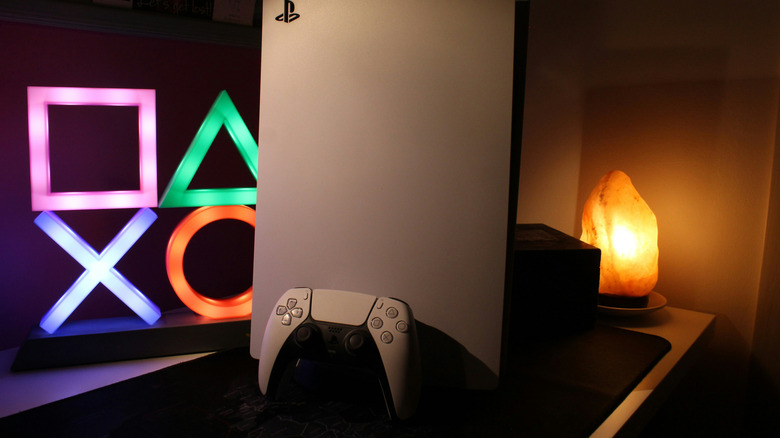
PlayStation 5 and controller next to a neon sign of the brand's cross, circle, triangle and square icons. Roberto Vincenzo Minasi/Unsplash

على الرغم من وجود مشاكل أخرى يجب مراعاتها هنا - مثل التأثير على الأشخاص الذين يفتقرون إلى اتصال إنترنت سريع ومستقر والشركات المتخصصة في الألعاب المادية - فإن إلغاء الأقراص بالكامل سيء للحفاظ على الألعاب. يشهد إغلاق متاجر PS3 و Vita على ذلك. آخر مرة حاولت فيها الشركة إغلاق تلك المتاجر الرقمية، نظر VGC إلى البيانات وحدد أن حوالي 2,200 لعبة رقمية فقط لن تكون متاحة للشراء بعد الآن. من بينها، لم تكن 138 متاحة على منصات أخرى، مما يعني أنها ستختفي في الأساس.

ربما تغيرت تلك الأرقام الدقيقة خلال السنوات الخمس الماضية، لكنها توضح مشكلة الحفاظ على الألعاب. ليس من الغريب أن تلاقي الألعاب الرقمية فقط من الأجيال الأحدث مصيراً مماثلاً. وجود لعبة على قرص يعني أنه لا يزال بإمكانك اللعب بها. على سبيل المثال، قامت مايكروسوفت بوقف بيع فورزا هوريزون 4، لكن يمكن شراء نسخة مستعملة واللعب بها على Xbox One أو Xbox Series X.

إن أرشفة الألعاب الرقمية فقط، حتى لأغراض البحث، مسألة معقدة. في حين وصف فرانك سيفالدي، مدير مؤسسة تاريخ ألعاب الفيديو، وفاة أقراص ألعاب بلاي ستيشن بأنها "خبر مؤسف"، إلا أنه قال في بيان أن هناك مخاوف أوسع نطاقًا عندما يتعلق الأمر بأرشفة الألعاب الجديدة:

لقد كانت المتاحف والمحفوظات تستعد لهذا المستقبل منذ فترة، مع توقع أن وضع الأقراص على الرف لن يكون حلاً طويل الأجل للحفاظ على الألعاب الجديدة. ما يزال يُحيرنا هو ما تتوقعه الصناعة من المؤسسات مثل مؤسستنا.

إذا قرر أصحاب المنصات التخلص من الوسائط المادية ومتاجر البيع الرقمية القديمة، فسنكون ممتنين أيضًا إذا قدمت مجموعات التجارة مثل رابطة برامج الترفيه حلولًا مجدية للمحفوظات والمتاحف للحفاظ على المحتوى الرقمي فقط بشكل قانوني وجعله متاحًا للبحث. يتفق الجميع على أن هذه مشكلة خطيرة، لكن رابطة برامج الترفيه عارضت مرارًا وتكرارًا جهود مؤسسات التراث الثقافي لإصلاح قوانين حماية النسخ الرقمية لجعلها أسهل في القيام بهذا العمل. يجب على الصناعة أن تجلس بجدية حول هذه القضية، لأن طلب المتاحف تنزيل نسخة من Grand Theft Auto VI والأمل في أنها ستعمل بعد 50 عامًا ليس حلًا للحفظ.

في الوقت نفسه، قالت سوني أيضًا أنه بعد انتهاء المبيعات الرقمية لألعاب PS3 و Vita - وهي عملية خروج ستتم على مدار العام المقبل - "سيظل اللاعبون قادرين على تنزيل المحتوى الذي تم شراؤه سابقًا بعد تاريخ الإغلاق في المستقبل المنظور". الجزء الأخير من هذه الجملة يبعث على القلق. يوحي بأن الشركة، في مرحلة ما، ستغلق خوادم PS3 و Vita تمامًا، مما يمنع المستهلكين من تنزيل الألعاب التي اشتروها

هذا يقودنا إلى جانب إدارة الحقوق الرقمية (DRM). لطالما كان من المعروف أنك لا تمتلك في الواقع أي ألعاب رقمية تشتريها للأنظمة الحديثة. تحصل على ترخيص للعب لعبة، ولصاحب المنصة الحق في إلغاء حقك في الوصول إليها. قال متحدث باسم شركة سوني لمجلة Game File هذا الأسبوع: "مع جميع المحتويات الرقمية، بما في ذلك الألعاب والأفلام والموسيقى، يشتري اللاعبون ترخيصًا شخصيًا للاستخدام غير التجاري."

تمكن إدارة الحقوق الرقمية أصحاب المنصات والناشرين من تقييد ما يمكن للاعبين فعله بمشترياتهم، وسيؤدي التحول إلى الألعاب الرقمية فقط إلى وضع المزيد من السلطة في أيديهم. وبقدر ما يستحق الأمر، فإن متاجر PC مثل GOG و Itch تبيع ألعابًا خالية من إدارة الحقوق الرقمية وتقدم نهجًا بديلًا للاعبين الكبار.

لا نفرض أي إدارة حقوق رقمية للألعاب وما شابه على @itch.io. اشترِ، وقم بتنزيلها، ولا تتصل بالإنترنت مرة أخرى بعد ذلك بقدر ما يهمنا ✌️

— itch.io (@itch.io) 1 يوليو 2026، الساعة 8:41 مساءً بتوقيت غرينتش

في حين أن هذا التحول قد يكون حتمياً بالنسبة لسوني، يبدو توقيت الإعلان مشكوك فيه من منظور استراتيجي حيث أنه قد يجعل إكس بوكس تبدو مقارنة بالآخرين وكأنها الطرف الجيد في هذه الجبهة المحددة - في الوقت الذي تستعد فيه مايكروسوفت مرة أخرى لإفراغ قسم الألعاب الخاص بها.

أكدت إكس بوكس أن وحدة التحكم التالية الخاصة بها، والتي يطلق عليها حاليًا مشروع هيليكس، ستعمل على تشغيل ألعاب الكمبيوتر. لطالما كانت العلامة التجارية تحاول توحيد تجربتها عبر منصات مختلفة، ومع السماح لأجهزتها المحمولة للمستخدمين بتثبيت برامج إطلاق ألعاب الكمبيوتر من أطراف ثالثة مثل ستيم و GOG، من المنطقي أن إكس بوكس ستمكن هذا الخيار على هيليكس أيضًا. لذا، قد تكون مسألة الحفاظ على اللعبة أقل قلقًا قليلا في ذلك النظام البيئي المحدد. مع ذلك، قد تتبع إكس بوكس سوني بالتخلص من أقراص الألعاب تمامًا.

تغيرت بشكل كبير النهج التي اتخذتها بلاي ستيشن وإكس بوكس للوصول إلى الألعاب وحماية حقوق الملكية الفكرية مع مرور الوقت. بدا في البداية أن الأمور وصلت إلى نقطة الانهيار قبل 13 عامًا، عندما كان الطرفان يتحدثان عن إكس بوكس ون وبلاي ستيشن 4. خططت مايكروسوفت في البداية لطلب من لاعبي إكس بوكس ون الاتصال بالإنترنت مرة واحدة على الأقل لمدة 24 ساعة للاستمرار في لعب ألعابهم، حتى الألعاب التي لا تحتاج للاتصال بالإنترنت. كما كان من المفترض أن تترك القرار للناشرين لتحديد ما إذا كانوا يسمحون ببيع الألعاب المستعملة أم لا. أثار أيضًا نهج إقراض ألعاب إكس بوكس ون للأصدقاء بعض المخاوف.

تراجعت مايكروسوفت عن العديد من هذه الأفكار بعد أن سخرت شركة سوني بشكل سيء من إكس بوكس من خلال عرض كيفية إقراض أصدقائهم ألعاب بلاي ستيشن 4: من خلال تسليم نسخة مجردة من اللعبة.

لكن الكثير قد تغير منذ عام 2013. فرضت شركة سوني نفسها مؤخرًا فحص حماية حقوق الملكية الفكرية لعمليات شراء الألعاب الرقمية، والآن بعد مرور 18 شهرًا على التخلص الكامل من الشركة للأقراص الخاصة بالألعاب الجديدة. قد لا يكون ما قالته شركة سوني قبل 13 عامًا مهمًا الآن، لكن ذلك لا يغير حقيقة أن هذه الخطوة صفعة في وجه جهود الحفاظ على الألعاب وأي شخص يريد امتلاك ألعابه بالفعل.

PlayStationgame preservationSony
الخبر متوفّر باللغات التالية:English
المصدر الأصلي للخبر
إنجاجيت

PlayStation just struck a hammer blow to game preservation

July 03, 2026·Engadget
PlayStation just struck a hammer blow to game preservation

Killing game discs is an anti-consumer move that only benefits Sony.

By Kris Holt July 3, 2026 8:30 am EST Mehaniq/Shutterstock

So, that's it then. As of 2028, game discs will be a thing of the past for PlayStation. And after previously attempting to do so five years ago — before a backlash prompted it to reverse course — Sony is finally shuttering the digital storefronts on PS3 and PlayStation Vita. It doesn't seem like the company will back down this time. Both of these decisions are terrible for the future of physical media and game preservation.

Sony has been moving in this direction for a very long time, really since it started selling digital games two decades ago. The digital-only PSP Go from 2009 and PS5 Digital Edition 11 years later were both clear indications of where things were going.

As important as I believe game preservation is, I begrudgingly have to admit I'm complicit in this shift to an all-digital future. I bought a PS5 with a disc drive back in 2020 along with a physical version of Deathloop. That remains the only game disc I purchased for the console. I can't tell you the last time I put a PS4 disc in my PS5 either. The same goes for other game systems — I don't have any physical Xbox games and own just two Switch cartridges. PC gaming, of course, has long been digital-only.

"This is a natural direction for Sony Interactive Entertainment to adapt to consumer trends as the general preference for digital media significantly outpaces physical discs," Sid Shuman, senior director of Sony Interactive Entertainment's content communications team, wrote on the PlayStation Blog. "This transition will enable us to align more closely with how most of our community prefers to access and play games today."

The numbers back up Sony's claim. The company said that, in its last fiscal year (April 2025-March 2026), nearly four-fifths of full game purchases for PS4 and PS5 were bought digitally. Between January and March of 2026, the latest quarter for which we have sales figures, that rose to 85 percent. Some third-party publishers have reported even higher ratios for digital vs. physical sales. Over the same April-March period, Capcom said 93 percent of its game sales were digital copies. It expects that to grow to around 95.4 percent in the current fiscal year.

There have been other signs the landscape is shifting. The initial physical editions of Grand Theft Auto VI will have a code in a box (partly so Rockstar Games can prevent leaks of the most highly-anticipated game in years). Nintendo is charging more for physical editions of some first-party games than it is on the eShop. But killing game discs for an entire platform is a seismic change.

There are a lot of reasons why going digital-only makes sense for Sony. Not having to manufacture and distribute discs streamlines its operation. It now seems all but certain that PS6 will not feature a disc drive that players can use to run physical PS4 or PS5 games. Not having to include a disc drive in any PS6 variant may at least help mitigate soaring costs of other components that have forced Sony to increase PS5 prices.

Still, ending production of discs is fundamentally an anti-consumer decision that puts more power in Sony's hands. This is going to make things worse for players, who (among other things) will soon no longer have the option of trading in or selling their PlayStation games. If the majority of PS6 titles and future PS5 games are going to take place on the PlayStation Store, that gives Sony more control of pricing. The second-hand market for new PlayStation titles will evaporate.

While Sony and third-party publishers might still offer collectors editions that come with physical goodies (like pins, art books and steel cases), these will still just have a digital game code in a box. Players may not be able to lend their friend their copy of a game either. That ties into concerns around not being able to pass transfer one's game collection to others.

The problems with killing game discs

PlayStation 5 and controller next to a neon sign of the brand's cross, circle, triangle and square icons. Roberto Vincenzo Minasi/Unsplash

While there are other issues to consider here — like the impact on people who lack a fast, stable internet connection and companies that specialise in physical games — nixing discs entirely is terrible for game preservation. The closure of the PS3 and Vita stores is testament to that. The last time the company tried to shut those digital storefronts, VGC looked at the data and determined that around 2,200 digital-only games would no longer be available to purchase. Of those, 138 were not available on other platforms, meaning they'd essentially disappear.

Those exact figures may have shifted over the last five years, but they illustrate the game preservation problem. It's not unfathomable that digital-only games from more recent generations will meet a similar fate. Having a game on a disc means you can still play it. For instance, Microsoft has delisted Forza Horizon 4, but you can buy a second-hand copy and play it on Xbox One or Xbox Series X.

Archiving digital-only games, even for research purposes, is a complex issue. While Video Game History Foundation director Frank Cifaldi described the death of PlayStation game discs as "unfortunate news," he said in a statement that there were broader concerns when it comes to archiving new games:

Museums and archives have been preparing for this future for a while, with the expectation that putting discs on a shelf isn't going to be a long-term solution for preserving new games. What continues to baffle us is what the industry expects institutions like ours to do about it.

If platform owners are deciding to eliminate physical media and older digital storefronts, then we'd also like to see trade groups like the Entertainment Software Association offer meaningful solutions for archives and museums to legally preserve digital-only content and make it accessible for research. Everyone agrees this is a serious problem, but the ESA has repeatedly opposed the efforts of cultural heritage institutions to reform digital copy protection laws to make it easier to do this work. The industry needs to meaningfully come to the table on this issue, because asking museums to download a copy of Grand Theft Auto VI and hope it'll run in 50 years is not a preservation solution.

Meanwhile, Sony also said that after it ends digital sales of PS3 and Vita games — a phase out that will take place over the next year — "players will still be able to download previously purchased content after the closing date for the foreseeable future." The last part of that sentence is ominous. It implies that, at some point, the company will turn off the PS3 and Vita servers entirely, preventing consumers from being able to download the games they've purchased

This brings us into the digital rights management (DRM) side of the equation. It's long been the case that you don't actually own any digital games you buy for modern systems. You acquire a license to play a game, and platform holders have the right to revoke your access. A Sony spokesperson told Game File this week that "[w]ith all digital content, including games, movies, and music, players are purchasing a personal license for non-commercial use."

DRM enables platform holders and publishers to restrict what players can do with their purchases, and transitioning to digital-only games will place more power in their hands. For what it's worth, PC storefronts like GOG and Itch sell DRM-free games and offer an alternative approach to the bigger players.

We don't enforce any DRM for games and stuff on @itch.io. Buy, download, and never connect to the internet again for all we care ✌️

— itch.io (@itch.io) 2026-07-01T20:41:41.610Z

While this shift may have been inevitable for Sony, the timing of the announcement seems questionable from a strategic perspective since it might make Xbox comparatively seem like the good guys on this particular front — right as Microsoft is once again preparing to gut its gaming division.

Xbox has confirmed that its next console, currently dubbed Project Helix, will run PC games. The brand has long been attempting to unify its experience across various platforms and, with its handhelds allowing users to install third-party PC game launchers like Steam and GOG, it stands to reason that Xbox will enable that option on Helix as well. So, the game preservation issue is perhaps slightly less of a concern in that particular ecosystem. That said, Xbox may well follow Sony by ditching game discs entirely as well.

The approaches PlayStation and Xbox have taken to game access and DRM have shifted greatly over time. Those initially seemed to come to a head 13 years ago, when the two sides were talking up the Xbox One and PS4. Microsoft initially planned to require Xbox One players to connect to the internet at least once 24 hours to keep playing their games, even offline titles. It was also going to let publishers decide whether they'd permit the sale of used games. The approach to lending Xbox One games to friends raised concerns too.

Microsoft walked many of those ideas back after Sony infamously mocked Xbox with a demonstration of how to lend PS4 games to friends: by physically handing over a boxed game.

But a lot has changed since 2013. Sony itself recently mandated a DRM check for digital game purchases, and we're now 18 months away from the company completely scrapping discs for new games. What Sony said 13 years ago might not be relevant now, but that doesn't change the fact that this move is a slap in the face to game preservation efforts and anyone who wants to actually own their games.

PlayStationgame preservationSony
This article is also available in:العربية
Original source article
Engadget