سيارات مستقبلية من هيونداي وكيا قد لا تحتاج أبدًا إلى معطرات الهواء بفضل تكنولوجيا الأشعة فوق البنفسجية
1 يوليو 2026·إنجاجيت
سيارات مستقبلية من هيونداي وكيا قد لا تحتاج أبدًا إلى معطرات الهواء بفضل تكنولوجيا الأشعة فوق البنفسجية

كشفت الشركات عن نظام تعقيم يسمى Plasma Care.

بقلم لورانس بونك 1 يوليو، 2026 2:30 مساءً EST هيونداي

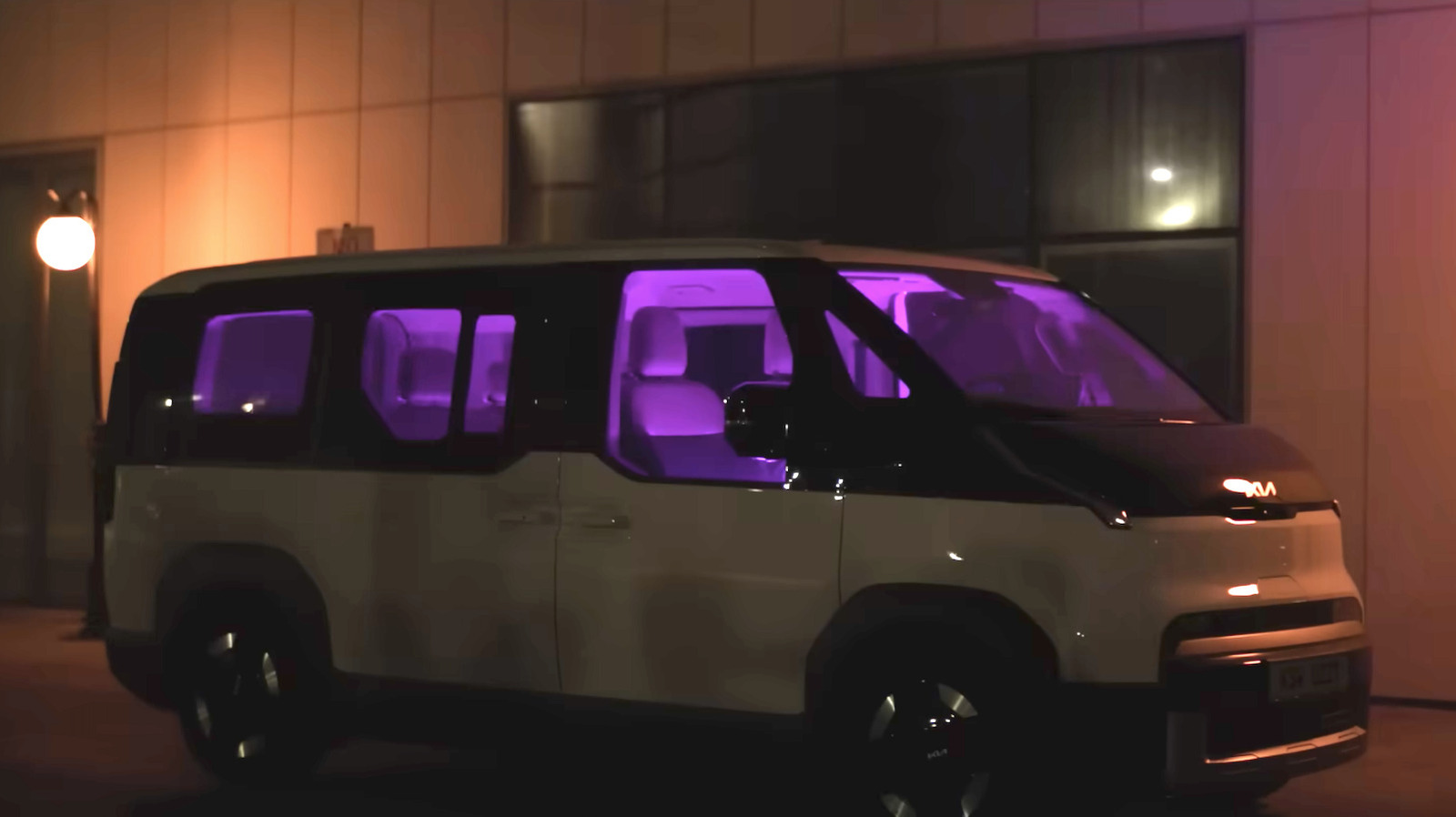
أعلنت هيونداي وكيا مؤخراً عن تقنية الأشعة فوق البنفسجية الجديدة للتعقيم داخل السيارة والتي أطلق عليها Plasma Care UVC. يقلل النظام من البكتيريا في المقصورة ويمكنه حتى العمل أثناء وجود الركاب.

تقول الشركات إن هذه التقنية مفيدة بشكل خاص للقضاء على الروائح الكريهة، حيث تقتل الكائنات الحية الفعلية وراء الروائح. في جميع الأحوال، من المرجح أن تكون أفضل من تلك المعطرات المعلقة التي جعلت السيارات تشم مثل جوز الهند غير العلامة التجارية لعقود.

يتم كل ذلك عبر استخدام مصباح بلازما ينتج ضوء الأشعة فوق البنفسجية البعيدة C (Far-UVC). يُصدر هذا الضوء في نطاق 200 إلى 230 نانومتر، والذي لا يخترق الجلد البشري ولكنه يدمر البكتيريا والفيروسات. يمكن أن يشكل تعقيم الأشعة فوق البنفسجية التقليدي خطراً على الجلد والعين البشري. هناك سبب يجعل هذه التقنية Far-UVC تُستخدم عادة في أماكن مثل حمامات الطائرات بين الزوار.

واجهت شركات صناعة السيارات أيضًا عقبات أخرى في وضع هذا النوع من التكنولوجيا داخل مقصورة السيارة، حيث كان على كيا وهيونداي تحسين النظام عن طريق تقليل حجمه وتحسين كفاءة الطاقة. لم يكن بالإمكان استخدام أنظمة الأشعة فوق البنفسجية طويلة المدى المصممة للمدارس والمستشفيات هنا، وذلك لأسباب تتعلق بالحجم واستهلاك الطاقة.

وأخيرًا، أضافت الشركات مرشحًا بصريًا متخصصًا للحصول على حماية إضافية. يحد هذا المرشح من أطوال موجات الأشعة فوق البنفسجية إلى النطاق المذكور أعلاه. في المجمل، يبدو هذا طريقة جديدة نسبيًا لإعطاء الأولوية للتعقيم.

أجرت هيونداي وكيا مجموعة من الاختبارات للتأكد من أن النظام يمكنه العمل بالفعل كما هو معلن. كان هناك تقييم للتعقيم باستخدام مقصورة سيارة محاكاة، أجراه مختبر كوريا للاختبار. أكد هذا على انخفاض بنسبة 96.8٪ في الفيروسات المنقولة بالهواء خلال 30 دقيقة.

حدد اختبار آخر أن نظام Plasma Care UVC يقضي على 99.9٪ من البكتيريا المسببة للالتهاب الرئوي في غضون 30 ثانية فقط. تعاونت الشركات مع جامعة سول الوطنية لهذا الاختبار.

أظهرت الاختبارات النهائية التي أجريت بالتعاون مع معهد تكنولوجيا السيارات الكوري القضاء على 99.9٪ من عدوى الإشريكية القولونية (E. coli) خلال 40 دقيقة. تم ذلك في مقصورة سيارة فعلية، مما يدلل على أداء النظام في العالم الحقيقي.

نظرًا لأن هذه تكنولوجيا جديدة، فهي ليست موجودة في أي سيارات حتى الآن. تجري حاليًا اختبارات لضمان "التحقق الفني بما يتماشى مع معايير السلامة الدولية قبل تنفيذها في المركبات الإنتاجية."

من الجدير بالذكر أن تكنولوجيا تعقيم الأشعة فوق البنفسجية (UVC) لها حدودها. فهي تقوم فقط بتعقيم الأشياء عن طريق الإضاءة المباشرة، حيث يجب أن يصل الضوء إلى السطح المادي للمادة الملوثة. وهذا يعني أنه لا يزال بإمكان الجراثيم والبكتيريا الاختباء في الظلال أو تحت المقاعد. علاوة على ذلك، يمكن لبعض مسببات الأمراض إصلاح نفسها بعد التعرض لضوء الأشعة فوق البنفسجية (UVC). بعبارة أخرى، يجب اعتبار هذه التكنولوجيا مساعدة تستخدم بالاقتران مع التنظيف العادي.

HyundaiKiaUV tech
الخبر متوفّر باللغات التالية:English
المصدر الأصلي للخبر
إنجاجيت

Future Hyundai and Kia cars might never need air fresheners thanks to UV tech

July 01, 2026·Engadget
Future Hyundai and Kia cars might never need air fresheners thanks to UV tech

The companies have unveiled a sanitization system called Plasma Care.

By Lawrence Bonk July 1, 2026 2:30 pm EST Hyundai

Hyundai and Kia recently introduced a new UV technology for in-vehicle sanitation called Plasma Care UVC. The system reduces bacteria in the cabin and can even operate while passengers are present.

The companies say the technology is especially useful for eliminating foul odors, as it kills the actual organisms behind the smells. In any event, it's likely better than one of those hanging air fresheners that have been making cars smell like off-brand coconut for decades.

This is all done via the use of a plasma lamp that creates far-ultraviolet C (Far-UVC) light. This light is emitted in the 200 to 230 nanometer range, which doesn't penetrate human skin but does destroy bacteria and viruses. Conventional ultraviolet sterilization can pose a risk to human skin and eyes. There's a reason why this Far-UVC tech is typically used in places like airplane bathrooms between visitors.

There were also other hurdles to putting this type of technology in vehicle cabins. Kia and Hyundai had to optimize the system by reducing its size and improving power efficiency. Far-UVC systems designed for schools and hospitals couldn't be used here, for size and power draw reasons.

Finally, the companies added a specialized optical filter for more protection. This limits the ultraviolet wavelengths to the aforementioned range. All in all, this looks like a fairly novel way to prioritize sanitization.

Hyundai and Kia conducted a battery of tests to make sure the system could actually work as advertised. There was a sanitization evaluation with a simulated vehicle cabin, which was conducted by the Korea Testing Laboratory. This confirmed a 96.8 percent reduction in airborne viruses within 30 minutes.

Another test determined that the Plasma Care UVC eliminated 99.9 percent of pneumonia-causing bacteria in just 30 seconds. The companies partnered with Seoul National University for that one.

Final tests in collaboration with the Korea Automotive Technology Institute found a 99.9 percent eradication of E. coli within 40 minutes. This was done in an actual vehicle cabin, thus potentially demonstrating real-world performance.

As this is a new technology, it's not actually in any cars just yet. Tests are ongoing to ensure "technical validation in line with international safety standards prior to implementation in production vehicles."

It is worth pointing out that UVC sanitization tech does have its limits. It only disinfects via direct illumination, as light must reach the physical surface of the contaminant. This means that germs and bacteria will still be able to hide in the shadows or under the seats. Also, certain pathogens can repair themselves after exposure to UVC light. In other words, this is best thought of as an assistive technology to be used in conjunction with regular cleaning.

HyundaiKiaUV tech
This article is also available in:العربية
Original source article
Engadget