في زمن المنصات.. التسلية العابرة مراقبة لا تنام
5 يوليو 2026·البيان
في زمن المنصات.. التسلية العابرة مراقبة لا تنام

يبدأ الأمر دائماً كأنه لعبة، صورة قديمة نضعها إلى جانب صورة حديثة، وجه نمرره على فلتر يجعلنا نشيخ عشرين عاماً. لقطة نصنعها بالذكاء الاصطناعي مع نسخة أصغر من أنفسنا، أو مع قريب رحل، أو مع ملامح نحب أن نتخيلها. نضحك، نشارك، ننتظر الإعجابات، ثم نمضي كأن شيئاً لم يحدث.

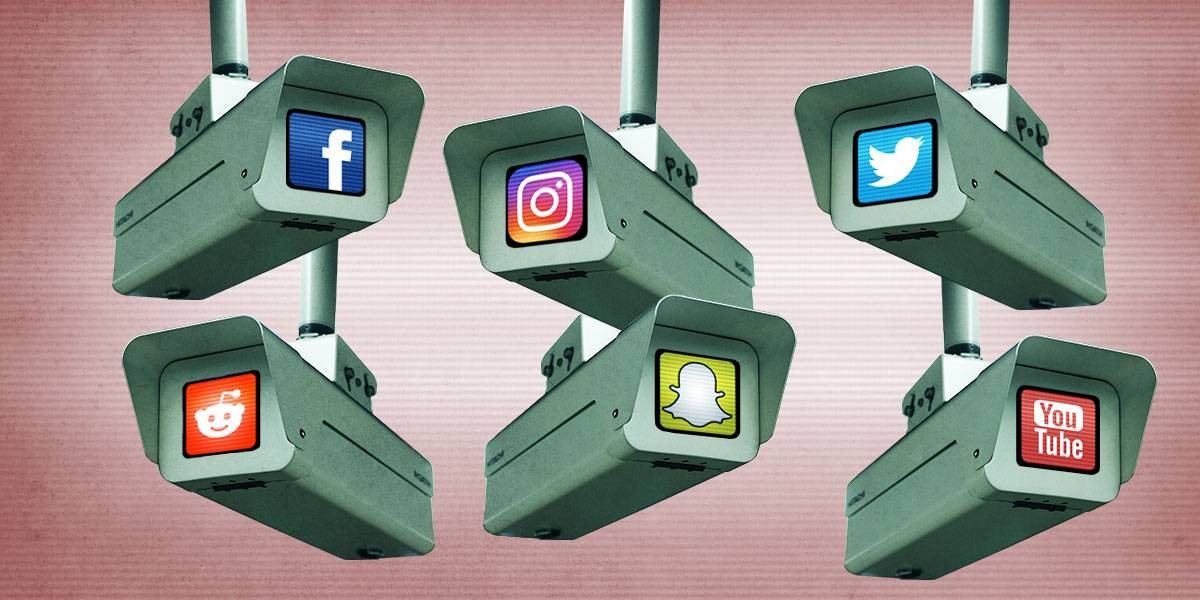
لكن شيئاً يحدث فعلاً. ففي كل مرة نرفع فيها وجهاً إلى منصة، لا نعطيها صورة فقط. نعطيها زمناً، وملامح، وذاكرة، واحتمالاً جديداً لأن تتعلم الآلة كيف نكبر، وكيف تتبدل ملامحنا، وكيف يمكن التعرف إلينا بعد سنوات. وما قد يبدو في ظاهره تسلية عابرة يتحول في باطنه إلى مادة خام لصناعة مراقبة لا تنام.

ووفقاً لمركز دراسة الكراهية المنظمة، فإن ترندات الصور على منصات التواصل، من تحديات العمر إلى صور الذكاء الاصطناعي، لا تقف عند حدود الإبداع أو الحنين، فهي تغذي اقتصاداً قائماً على جمع البيانات السلوكية والبيومترية، وتحويل المشاركة المجانية إلى تدريب لأنظمة قادرة على التنبؤ بالهوية وتتبع البشر عبر الزمن.

وجه مكشوف

في زمن سابق، كانت الصورة تظل في ألبوم العائلة. أما اليوم، فإن الوجه يخرج من البيت إلى خوادم بعيدة، ثم يدخل في ذاكرة رقمية لا نعرف من يملكها، ولا من يبيع الوصول إليها، ولا ما الذي ستفعله بها بعد أعوام.

ولكي ندرك حجم المادة التي تتعلم منها الآلات، يكفي أن ننظر إلى تدفق الصور اليومي على الإنترنت. فوفقاً لتقديرات «وورلد ميتركس» لعام 2026، يلتقط الفرد في المتوسط نحو 1440 صورة سنوياً، وتستحوذ الهواتف الذكية على 75 في المئة من هذا الحجم، كما أن 68 في المئة من صور الهواتف الذكية تشارك على وسائل التواصل خلال 24 ساعة. هذه السرعة تجعل الصورة لا تعيش طويلاً في خصوصية صاحبها، فهي تنتقل من الهاتف إلى المنصة، ومن المنصة إلى خوارزميات الفرز والتعرف والتوصية.

وإذا كان الإنسان يظن أن صورته تضيع في الزحام، فإن الآلة لا تتعب من الزحام. كل وجه جديد يوسع ذاكرتها، وكل زاوية مختلفة تمنحها درساً آخر في الملامح، وكل صورة قديمة وحديثة تشرح لها كيف يتبدل الوجه مع العمر. هكذا يصبح الترند، في ظاهره، موجة اجتماعية عابرة، وفي باطنه، تدريباً مجانياً لعين رقمية لا ترمش.

سوق الملامح

لا تبيع المنصات لنا الخدمة المجانية لأنها كريمة. إنها تبيع حضورنا واهتمامنا وأنماطنا. وكلما زادت البيانات، زادت قدرة الخوارزميات على التنبؤ بما نحب، وما نخاف، وما نشتري، ومن نصدق، وكيف نصوت. ووفقاً للمقال المنشور في مركز دراسة الكراهية المنظمة، فإن كل نقرة وكل تمرير وكل صورة مرفوعة تتحول إلى جزء من سوق واسع للسلوك البشري.

ولأن الصورة أكثر بلاغة من النص، صارت ترندات الصور أكثر إغراءً. فهي لا تطلب من المستخدم أن يكتب أسراره، يكفيها أن يرفع وجهه، أن يقبل لعبة صغيرة، أن يريد المشاركة في موجة اجتماعية كي لا يبدو غائباً عما يفعله الآخرون.

وبحسب «غراند فيو ريسيرش»، بلغت قيمة سوق التعرف إلى الوجوه عالمياً 7.4 مليارات دولار في 2025، ومن المتوقع أن ترتفع إلى 8.5 مليارات دولار في 2026، ثم إلى 19.6 مليار دولار بحلول 2033، بمعدل نمو سنوي مركب يبلغ 12.8 في المئة. وهذا يعني أن الوجه، الذي كان أخص ما يملكه الإنسان، صار جزءاً من صناعة تتضاعف قيمتها عاماً بعد عام.

وتذهب تقديرات أخرى في الاتجاه نفسه. فبحسب «موردور إنتليجنس»، يتوقع أن تنمو سوق التعرف إلى الوجوه من 9.95 مليارات دولار في 2026 إلى 20.88 مليار دولار في 2031، بمعدل نمو سنوي يبلغ 15.97 في المئة. أما «ماركتس آند ماركتس» فتقدر أن السوق ستصل إلى 20.68 مليار دولار في 2031، انطلاقاً من 10.02 مليارات دولار في 2026.

هذه ليست أرقاماً بعيدة عن صورنا اليومية. فكلما كبرت السوق، كبر الطلب على البيانات، وكلما زاد الطلب على البيانات، تحولت الصور التي نشاركها بخفة إلى مادة أثمن مما نتصور. لا أحد يدفع لنا ثمن الملامح التي تقدمها وجوهنا، غير أن شركات كثيرة تبني فوقها منتجات وأنظمة وأسواقاً كاملة.

وجوه الأطفال

وتزداد المسألة حساسية حين يتعلق الأمر بصور الأطفال، فبحسب مؤسسة مراقبة الإنترنت البريطانية، جرى رصد 8029 صورة وفيديو من مواد الاعتداء على الأطفال مولدة بالذكاء الاصطناعي في 2025، بزيادة 14 في المئة عن العام السابق، كما تضاعف عدد التقارير التي تضمنت مواد واقعية مولدة بالذكاء الاصطناعي بنسبة 154 في المئة، من 193 تقريراً في 2024 إلى 491 تقريراً في 2025.

ووفقاً لصحيفة «الغارديان»، حذرت جهات بريطانية معنية بحماية الأطفال في يوليو 2026 من نشر صور الأطفال على الإنترنت مع تصاعد استخدام تطبيقات ذكاء اصطناعي تسيء استغلال الصور العامة، إذ رصدت مؤسسة مراقبة الإنترنت في 2025 أكثر من 8 آلاف مادة اعتداء على الأطفال مولدة بالذكاء الاصطناعي، بزيادة 14 في المئة على أساس سنوي.

الأشد إرباكاً أن الخطر لم يعد في الصورة الثابتة وحدها، فقد ذكر تقرير آخر لمؤسسة مراقبة الإنترنت، جرى تحديد 3443 فيديو مولداً بالذكاء الاصطناعي لمواد اعتداء على الأطفال في 2025، مقارنة بـ13 فيديو فقط في العام السابق، وهي زيادة هائلة بلغت 26385 في المئة. هنا لا يعود التحذير من مشاركة صور الأطفال مبالغة أخلاقية، وإنما احتياطاً ضرورياً في زمن تستطيع فيه أدوات عامة أن تحول البراءة إلى مادة استغلال.

ولهذا حذرت جهات بريطانية، بينها الوكالة الوطنية لمكافحة الجريمة ومؤسسة مراقبة الإنترنت، من نشر صور الأطفال على نحو مفتوح، بعد تصاعد استخدام تطبيقات الذكاء الاصطناعي التي تستغل الصور العامة وتحولها إلى محتوى مؤذ. كما دعت صحيفة «الغارديان»، هذه الجهات الأسر إلى مراجعة إعدادات الخصوصية، وتقليل مشاركة صور الأطفال، ومراجعة الصور القديمة المنشورة على المنصات.

احتيال ذكي

ولا تقف خطورة الصور والذكاء الاصطناعي عند المراقبة وحدها. فالاحتيال نفسه صار أكثر نعومة وذكاء، فاستناداً للجنة التجارة الفيدرالية الأمريكية، خسر الناس 3.5 مليارات دولار بسبب عمليات انتحال الشخصية في 2025، وهي خسائر تضاعفت تقريباً ثلاث مرات منذ 2020. وحين يدخل الذكاء الاصطناعي إلى هذا الباب، لا يعود المحتال محتاجاً إلى رسالة ركيكة أو صورة مزيفة سهلة الانكشاف، فقد أصبح قادراً على تقليد الصوت، وتوليد الوجه، وصناعة فيديو قصير يقنع الضحية بأن من أمامها شخص تعرفه أو تثق به.

وتكشف بيانات نقلتها «مالويربايتس» المختصة بالحماية الأمنية، عن تقرير مكتب التحقيقات الفيدرالي إلى أن الشكاوى المرتبطة بعمليات احتيال مدعومة بالذكاء الاصطناعي بلغت 22364 شكوى في 2025، بإجمالي خسائر وصل إلى 893.3 مليون دولار. وهذا الرقم لا يقيس الخسارة المالية وحدها، لأنه لا يحصي ما يتركه الاحتيال من خجل وانكسار وشك في النفس، ولا يحصي البيوت التي دخلها الخوف من مكالمة مزيفة أو وجه مصنوع.

كلفة خفية

الإنسان لا يشعر عادة أنه يدفع شيئاً حين يستخدم منصة مجانية، فلا تخرج النقود من جيبه، ولا يسمع صوتاً يخبره بأن الصفقة تمت، لكن الكلفة قد تكون أعمق من المال. إنها كلفة الحق في الغموض، والحق في النسيان، والحق في أن يكبر وجهك بعيداً عن عين خوارزمية تتدرب على احتمالاته.

وتقول «كيه بي إم جي» للبحوث والاستشارات، إن انتشار تقنيات البيانات البيومترية المدعومة بالذكاء الاصطناعي يرفع مخاطر تتصل بأمن البيانات والخصوصية والعدالة والحقوق المدنية، كما يشمل الأمر بصمات الوجه والصوت والسلوك الرقمي. هذه ليست مخاوف نظرية، لأنها ترتبط اليوم بقرارات العمل، والأمن، والوصول إلى الخدمات، والاشتباه، والتصنيف.

لا يعني ذلك أن نغادر الإنترنت، أو نكره الصور، أو نعامل كل لعبة رقمية كأنها مؤامرة. الفرح حق، والخيال حق، والتقنية يمكن أن تكون مساحة إبداع حقيقية. غير أن الفرح لا ينبغي أن يكون ساذجاً، والخيال لا ينبغي أن يلغي السؤال، والتقنية لا ينبغي أن تحصل على أجسادنا ووجوهنا وذكرياتنا من دون حساب.

لذلك لا يحتاج الوعي الرقمي إلى فزع دائم، ولا إلى عزلة كاملة عن العالم، يحتاج إلى تردد قصير قبل المشاركة. إلى سؤال هادئ قبل رفع الصورة. إلى أن نفهم أن المجانية في العالم الرقمي ليست هدية خالصة. أحياناً تكون الفاتورة مؤجلة، وأحياناً لا تأتي مكتوبة بالنقود، وإنما بالخصوصية والملامح والذاكرة.

gamesfiltersphotos
الخبر متوفّر باللغات التالية:English
المصدر الأصلي للخبر
البيان

In the Age of Platforms: Transient Entertainment is Under Surveillance

July 05, 2026·Al Bayan
In the Age of Platforms: Transient Entertainment is Under Surveillance

It always starts as a game, an old photo next to a new one, a face passed through a filter that makes us look twenty years older. A shot made with artificial intelligence with a smaller version of ourselves, or with a relative who has passed away, or with features we like to imagine. We laugh, share, wait for the likes, and then move on as if nothing happened.

But something is really happening. Every time we upload a face to a platform, we don’t just give it an image. We give it time, features, memory, and a new possibility for the machine to learn how we age, how our features change, and how we can be recognized after years. What may seem like a fleeting amusement turns out to be raw material for building surveillance that never sleeps.

According to the Center for the Study of Organized Hate, image trends on social media platforms, from age challenges to AI photos, do not stop at creativity or nostalgia; they feed an economy based on collecting behavioral and biometric data, turning free sharing into training for systems capable of predicting identity and tracking people over time.

A face exposed

In a previous era, the photo remained in the family album. Today, however, the face leaves the house to go to distant servers, then enters a digital memory whose owner we do not know, nor who sells access to it, nor what they will do with it after years.

To understand the scale of material that machines are learning from, we need only look at the flow of images on the internet. According to World Matrix estimates for 2026, an individual takes an average of around 1440 pictures per year, with smartphones accounting for 75 percent of this volume; and 68 percent of smartphone photos are shared on social media within 24 hours. This speed means that a picture does not last long in the privacy of its owner: it moves from the phone to the platform, and then from the platform to sorting, recognition, and recommendation algorithms.

If humans think their pictures are lost in the crowd, machines do not tire of the crowd. Every new face expands its memory; every different angle gives it another lesson in features; and every old and new picture explains how a face changes with age. Thus, on the surface, trends are a fleeting social wave, but at heart they are free training for a digital eye that does not blink.

The market of features

Platforms do not sell us their free service because they are generous. They sell our presence, interest, and patterns. The more data there is, the better algorithms can predict what we like, what we fear, what we buy, who we trust, and how we vote. According to an article published by the Center for the Study of Organized Hate, every click, scroll, and uploaded picture becomes part of a vast market for human behavior.

Because images are more eloquent than text, image trends have become more enticing. They don’t ask the user to write their secrets; they just need them to raise their faces, accept a small game, or want to participate in a social wave so as not to seem absent from what others are doing.

According to Grand View Research, the value of the global facial recognition market reached $7.4 billion in 2025 and is expected to reach $8.5 billion in 2026, then $19.6 billion by 2033, with a compound annual growth rate (CAGR) of 12.8%. This means that the face, which was once the most private thing humans owned, has become part of an industry whose value doubles every year.

Other estimates go in the same direction. According to Mordor Intelligence, the facial recognition market is expected to grow from $9.95 billion in 2026 to $20.88 billion in 2031, with an annual growth rate of 15.97%. Markets and Markets estimates that the market will reach $20.68 billion by 2031, up from $10.02 billion in 2026.

These figures are not far off our daily lives. The bigger the market gets, the greater the demand for data, and the more data is demanded, the more valuable the images we share lightly become. No one pays us for the features that our faces offer, but many companies build products, systems, and entire markets on them.

Children’s faces

The issue becomes even more sensitive when it comes to images of children. According to the British Internet Watch Foundation, 8,029 AI-generated child abuse images and videos were recorded in 2025, a 14% increase from the previous year. The number of reports containing realistic AI-generated material also doubled by 154%, from 193 reports in 2024 to 491 reports in 2025.

According to The Guardian, British child protection agencies warned in July 2026 about posting images of children online as the use of AI applications that misuse public photos increases. In 2025, the Internet Watch Foundation recorded more than 8,000 AI-generated child abuse materials, a 14% increase year on year.

What is even more disturbing is that the danger is no longer limited to static images. Another report by the Internet Watch Foundation stated that 3,443 AI-generated videos of child abuse were identified in 2025, compared to just 13 videos the previous year, an enormous increase of 26,385%. Here, the warning against sharing images of children is not a moral exaggeration, but a necessary precaution in an era where public tools can turn innocence into material for exploitation.

For this reason, British authorities, including the National Crime Agency and the Internet Watch Foundation, have warned against openly publishing images of children after the rise in the use of artificial intelligence applications that exploit public photos and turn them into harmful content. The Guardian newspaper also called on families to review their privacy settings, reduce sharing of children’s photos, and review old photos published on platforms.

Smart Fraud

The danger of images and artificial intelligence does not stop at surveillance alone. Fraud itself has become smoother and smarter. According to the US Federal Trade Commission, people lost $3.5 billion due to identity theft in 2025, a loss that has almost tripled since 2020. When artificial intelligence enters this field, the fraudster no longer needs a crude message or easily detectable fake image; it can now mimic voices, generate faces, and create short videos convincing victims that they are talking to someone they know or trust.

Data transferred by Malwarebytes, a security protection company, revealed an FBI report stating that complaints related to AI-supported fraud reached 22,364 in 2025, with total losses reaching $893.3 million. This figure does not measure the financial loss alone, as it does not count the shame, humiliation, and self-doubt left by fraud, nor the homes that fear a fake call or a made-up face.

Hidden Cost

People usually don’t feel like they are paying when using a free platform, as money doesn’t come out of their pocket and there is no sound to tell them that the deal has been made. However, the cost may be deeper than money. It is the cost of the right to mystery, the right to forget, and the right for your face to grow away from an algorithm eye trained on its probabilities.

KPMG says in research and consulting that the spread of AI-supported biometric data technologies increases risks related to data security, privacy, justice, and civil rights. These include facial, voice, and digital behavior prints. This is not a theoretical concern because it is linked today with business decisions, security, access to services, suspicion, and classification.

This does not mean leaving the internet or hating pictures. Joy is real, imagination is real, and technology can be a true creative space. However, joy should not be naive, imagination should not cancel out questions, and technology should not get our bodies, faces, and memories without accounting.

Therefore, digital awareness does not need constant fear or complete isolation from the world. It needs a short hesitation before sharing. A quiet question before uploading a picture. To understand that free in the digital world is not an absolute gift. Sometimes the bill is deferred and sometimes it doesn’t come written in money but in privacy, features, and memory.

gamesfiltersphotos
This article is also available in:العربية
Original source article
Al Bayan