قبل وقوع الكارثة.. الذكاء الاصطناعي يرصد القروش
4 يوليو 2026·البيان
قبل وقوع الكارثة.. الذكاء الاصطناعي يرصد القروش

لطالما أثارت أسماك القرش الرهبة في نفوس البشر، خاصة منذ عرض فيلم "الفك المفترس" عام 1975، الذي رسّخ صورة القرش كوحش لا يرحم. ورغم أن الواقع يختلف كثيرا عن السينما، إذ تُعد هجمات أسماك القرش نادرة للغاية، فإن قوتها الهائلة تجعل أي هجوم، مهما كان نادرا، قادرا على التسبب في إصابات خطيرة أو حتى الوفاة. ولهذا السبب، يواصل العلماء البحث عن وسائل أكثر ذكاءً لحماية مرتادي الشواطئ والحد من الاحتكاك بين البشر وهذه الكائنات البحرية.

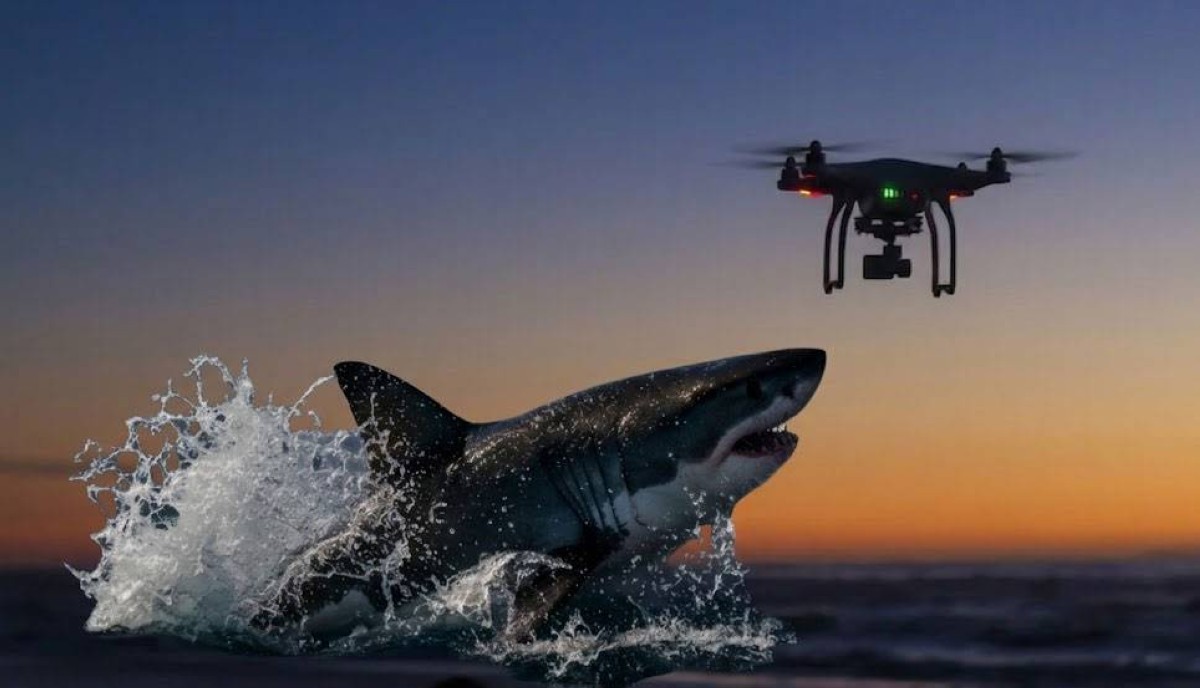
وفي خطوة قد تغيّر مستقبل سلامة الشواطئ، بدأ الباحثون في توظيف الذكاء الاصطناعي والطائرات المسيّرة لرصد أسماك القرش قبل اقترابها من السباحين وراكبي الأمواج، ما يمنح فرق الإنقاذ الوقت الكافي للتحذير أو إخلاء المنطقة قبل وقوع أي حادث.

ومن أبرز هذه المبادرات مشروع SharkEye، الذي يعتمد على طائرات بدون طيار مزودة بأنظمة ذكاء اصطناعي قادرة على التحليق فوق السواحل والتقاط صور للمياه بشكل مستمر. وبعد ذلك، تقوم خوارزميات التعلم الآلي بتحليل الصور والتعرف إلى أنواع أسماك القرش وتحديد مواقعها بدقة، خصوصًا أسماك القرش الأبيض الكبير وغيرها من الأنواع التي تعيش قبالة سواحل كاليفورنيا.

ويُعد مشروع SharkEye، الذي يُنفذ في الولايات المتحدة، أحد أبرز المبادرات التي تستخدم الطائرات المسيّرة والذكاء الاصطناعي لمراقبة أسماك القرش على سواحل كاليفورنيا، بهدف تعزيز سلامة السباحين وراكبي الأمواج.

ولا يقتصر دور النظام على دراسة سلوك أسماك القرش وفهم بيئتها، بل يرسل أيضًا تنبيهات فورية إلى مسؤولي السلامة العامة عند رصد أي قرش يقترب من المناطق المأهولة، ما يسمح باتخاذ إجراءات سريعة لحماية مرتادي الشواطئ.

وبفضل هذه التقنية، لم يعد المنقذون أو راكبو الأمواج مضطرين إلى مراقبة المياه بحثا عن الزعنفة الشهيرة التي تظهر فوق السطح، إذ تتولى الطائرات المسيّرة مهمة المراقبة من الجو، وتكشف وجود أسماك القرش حتى قبل أن يلاحظها أي شخص على الشاطئ.

ولا يُعد مشروع SharkEye الوحيد في هذا المجال، إذ تعمل عدة فرق بحثية حول العالم على تطوير أنظمة مشابهة تعتمد على الذكاء الاصطناعي لمنع هجمات أسماك القرش قبل وقوعها.

ومن بين أكثر هذه المشاريع نجاحًا نظام SharkSpotter، الذي طوره باحثون في جامعة سيدني للتكنولوجيا بأستراليا. ويستخدم النظام الذكاء الاصطناعي والتعلم الآلي لتحليل الصور الجوية وتمييز أسماك القرش عن الكائنات البحرية الأخرى، مثل الدلافين، بدقة تصل إلى 90%.

ولا يقتصر عمل النظام على رصد أسماك القرش فقط، بل يستطيع أيضا التعرف إلى القوارب وراكبي الأمواج والسباحين والأجسام المختلفة الموجودة في المياه، ثم ينقل هذه البيانات مباشرة إلى محطة تحكم، حيث يمكن للسلطات والجمهور متابعة الوضع لحظة بلحظة واتخاذ قرار بإخلاء الشاطئ إذا لزم الأمر.

وأثبتت هذه التقنية فعاليتها بالفعل، إذ أعلن الباحثون أن نظام SharkSpotter ساهم خلال عامه الأول في إنقاذ شخصين من هجمات محتملة لأسماك القرش، وهو ما عزز الثقة بإمكانات الذكاء الاصطناعي في تعزيز السلامة البحرية.

ورغم هذا النجاح، لا تزال الأنظمة الحالية بحاجة إلى مشغلين بشريين لمراقبة البيانات واتخاذ القرارات، إلا أن الباحثين يتوقعون أن تتمكن أسراب من الطائرات المسيّرة ذاتية التشغيل مستقبلًا من تنفيذ هذه المهمة بالكامل، مع تطور تقنيات الذكاء الاصطناعي والرؤية الحاسوبية.

AIsharksdetection
الخبر متوفّر باللغات التالية:English
المصدر الأصلي للخبر
البيان

Before the Catastrophe: Artificial Intelligence Detects Sharks

July 04, 2026·Al Bayan
Before the Catastrophe: Artificial Intelligence Detects Sharks

Sharks have always inspired fear in humans, especially since the release of the movie “Jaws” in 1975, which solidified the image of the shark as a relentless monster. Although reality is very different from cinema, and shark attacks are extremely rare, their immense strength makes any attack, however rare, capable of causing serious injuries or even death. This is why scientists continue to search for smarter ways to protect beachgoers and reduce human-shark interactions.

In a move that could change the future of beach safety, researchers are beginning to employ artificial intelligence (AI) and drones to monitor sharks before they approach swimmers and surfers, giving rescue teams enough time to warn or evacuate the area before an incident occurs.

One such initiative is SharkEye, which uses drones equipped with AI systems that can fly over coastlines and continuously capture images of the water. Then, machine learning algorithms analyze the images and identify shark species and their locations with precision, particularly great white sharks and other species off the California coast.

SharkEye, which is being implemented in the United States, is one of the most prominent initiatives using drones and AI to monitor sharks along the California coast, aiming to enhance the safety of swimmers and surfers.

The system not only studies the behavior of sharks and understands their environment, but also sends instant alerts to public safety officials when it detects a shark approaching populated areas, allowing for quick action to be taken to protect beachgoers.

Thanks to this technology, lifeguards or surfers no longer have to watch the water for the telltale fin that pops up on the surface. Drones take over surveillance from the air and detect sharks even before they are noticed by anyone on the beach.

The SharkEye project is not the only one in this field, as several research teams around the world are working to develop similar AI-based systems to prevent shark attacks before they occur.

One of the most successful projects is SharkSpotter, developed by researchers at the University of Technology Sydney in Australia. The system uses artificial intelligence and machine learning to analyze aerial images and distinguish between sharks and other marine animals, such as dolphins, with an accuracy rate of up to 90%.

The system's work is not limited to detecting sharks alone; it can also identify boats, surfers, swimmers, and various objects in the water. It then transmits this data directly to a control station where authorities and the public can monitor the situation in real time and make decisions to evacuate the beach if necessary.

This technology has already proven its effectiveness, as researchers announced that the SharkSpotter system contributed to saving two people from potential shark attacks in its first year of operation, which boosted confidence in artificial intelligence’s ability to enhance maritime safety.

Despite this success, current systems still require human operators to monitor data and make decisions. However, researchers anticipate that future swarms of autonomous drones will be able to fully perform this task as artificial intelligence and computer vision technologies continue to advance.

AIsharksdetection
This article is also available in:العربية
Original source article
Al Bayan