قبل 2.5 مليون عام.. نجم اقترب من الشمس وترك أثراً كونياً لا يزال حاضراً
27 يونيو 2026·البيان
قبل 2.5 مليون عام.. نجم اقترب من الشمس وترك أثراً كونياً لا يزال حاضراً

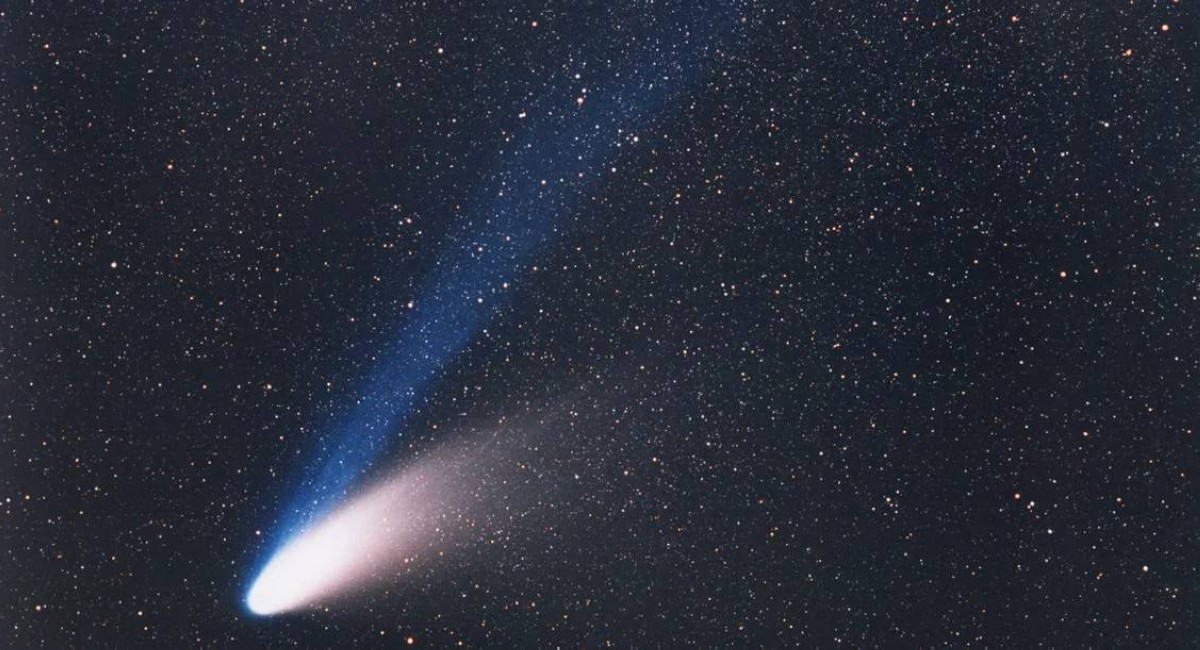
تشير دراسة حديثة إلى أن نجماً مرّ بالقرب من الشمس قبل نحو 2.5 مليون عام، وربما ترك أثراً لا يزال العلماء يرصدونه حتى اليوم في صورة مذنبات جديدة تدخل إلى النظام الشمسي.

واستندت الدراسة إلى بيانات مرصد غايا التابع لوكالة الفضاء الأوروبية، الذي وفر أدق خريطة لحركة النجوم في مجرة درب التبانة.

وكشفت البيانات أن النجم المعروف باسم HD 7977 اقترب من الشمس لمسافة تراوحت بين 6 آلاف و10 آلاف وحدة فلكية، أي ما يعادل نحو 35 إلى 58 يوماً ضوئياً فقط، وهي مسافة صغيرة جداً بالمقاييس الفلكية، وإن كانت لا تزال أبعد كثيراً من حدود الكواكب وفق iflscience.

ويرى الباحثون أن هذا الاقتراب لم يكن مجرد حدث عابر، بل ربما أدى إلى اضطراب هائل في سحابة أورت، وهي الغلاف الضخم من الأجسام الجليدية الذي يحيط بالنظام الشمسي ويُعتقد أنه يمتد إلى عشرات الآلاف من الوحدات الفلكية.

وتُعد هذه السحابة المصدر الرئيسي للمذنبات طويلة الدورة، التي قد تستغرق ملايين السنين لإكمال دورة واحدة حول الشمس.

ويفسر العلماء أن جاذبية النجم المارّ ربما دفعت أعداداً كبيرة من هذه الأجسام الجليدية إلى تغيير مداراتها، لتبدأ رحلة طويلة نحو أعماق النظام الشمسي، وهو ما يُعرف علمياً باسم "وابل المذنبات". وبسبب المسافات الهائلة التي تقطعها تلك المذنبات، فإن آثار هذا الحدث يمكن أن تستمر ملايين السنين، وهو ما يعني أن بعض المذنبات التي تُكتشف حالياً قد تكون نتيجة مباشرة لذلك المرور القديم.

وقال ناثان كايب، الباحث في معهد علوم الكواكب، إن توزيع مدارات المذنبات طويلة الدورة يشير إلى أن النظام الشمسي يعيش فترة غير اعتيادية، إذ يبدو أن تأثير مرور النجم HD 7977 أصبح أكثر وضوحاً من التأثير الطبيعي لجاذبية مجرة درب التبانة، التي تُعد عادة العامل الرئيس في توجيه هذه المذنبات.

وأضاف أن ذلك يعني أن البشرية تعيش المراحل الأخيرة من وابل مذنبات نادر وقوي بدأ قبل ملايين السنين، وما زالت آثاره تظهر في السماء حتى اليوم.

ولاختبار هذه الفرضية، أجرى الباحثون محاكاة حاسوبية لتحديد كيفية تغير مدارات المذنبات بعد مرور النجم بالقرب من الشمس.

وأظهرت النتائج أن السيناريو يفسر عدداً من الخصائص المرصودة للمذنبات الجديدة، لكنه لم ينجح في مطابقة جميع المدارات الفعلية، ما يشير إلى أن هناك عوامل إضافية لم تُؤخذ في الحسبان.

ويرجح الفريق أن يكون أحد هذه العوامل هو النفاثات الغازية التي تطلقها المذنبات عند اقترابها من الشمس، إذ يمكن لهذه النفاثات أن تغير مسارها تدريجياً.

كما لا يستبعد الباحثون أن تكون هناك تأثيرات جاذبية أخرى، أو مرور نجوم إضافية قرب النظام الشمسي عبر تاريخه، ساهمت في تشكيل المدارات الحالية.

ويؤكد العلماء أن هذه الفرضية ستكون قابلة للاختبار قريباً، مع استمرار مرصد "غايا" في إصدار بيانات أكثر دقة عن حركة النجوم. ومن المتوقع أن تساعد القياسات الجديدة خلال الأشهر المقبلة في تحديد المسار الحقيقي للنجم HD 7977 بدقة أكبر، وبالتالي تأكيد ما إذا كان بالفعل المسؤول عن هذا الاضطراب الكبير في سحابة أورت.

تسلط الدراسة الضوء على حقيقة أن النظام الشمسي ليس معزولاً عن محيطه المجري، بل يتأثر باستمرار بحركة النجوم القريبة، فمرور نجم واحد على مسافة تبدو شاسعة بالنسبة للبشر قد يكون كافياً لإعادة تشكيل مدارات مليارات الأجسام الجليدية، وإطلاق موجات من المذنبات تستمر آثارها ملايين السنين.

وعرض الباحثون نتائجهم خلال اجتماع قسم الديناميكيات الفلكية التابع للجمعية الفلكية الأمريكية، مؤكدين أن البيانات المنتظرة من مرصد "غايا" ستكون حاسمة في إثبات هذه الفرضية أو نفيها.

sunastronomystars
الخبر متوفّر باللغات التالية:English
المصدر الأصلي للخبر
البيان

Before 2.5 million years ago... a star approached the sun and left a cosmic imprint that is still present today.

June 27, 2026·Al Bayan
Before 2.5 million years ago... a star approached the sun and left a cosmic imprint that is still present today.

A recent study suggests that a star passed close to the sun about 2.5 million years ago, and may have left an imprint still being observed by scientists in the form of new comets entering the solar system.

The study was based on data from the Gaia Observatory of the European Space Agency, which provided the most accurate map of star movements in the Milky Way galaxy.

The data revealed that a star known as HD 7977 approached the sun at a distance ranging between 6,000 and 10,000 astronomical units, or about 35 to 58 light-years. This is an extremely small distance by astronomical standards, although still much farther than the boundaries of the planets, according to iflscience.

Researchers believe that this approach was not a fleeting event but may have caused significant disturbance in the Oort Cloud, which is the vast cloud of icy bodies surrounding the solar system and believed to extend to tens of thousands of astronomical units.

This cloud serves as the primary source for long-period comets, which may take millions of years to complete one orbit around the sun.

Scientists explain that the gravity of the passing star likely pushed a large number of these icy bodies into changing their orbits, starting a long journey toward the depths of the solar system, known scientifically as "comet showers." Due to the vast distances traveled by these comets, the effects of this event can last for millions of years, meaning that some comets currently being discovered may be direct results of this ancient passage.

Nathan Kaib, an astronomer at the Institute for Planetary Sciences, said that the distribution of long-period comet orbits indicates that the solar system is experiencing an unusual period. It appears that the effect of HD 7977's passage has become more pronounced than the natural gravitational influence of the Milky Way, which is usually the main factor in directing these comets.

He added that this means humanity is living through the final stages of a rare and powerful comet shower that began millions of years ago, with its effects still visible in the sky today.

To test this hypothesis, researchers conducted a computer simulation to determine how the orbits of comets changed after the star's close passage near the sun.

The results showed that the scenario explains several observed characteristics of new comets but failed to match all actual orbits, indicating that there are additional factors not accounted for.

The team suggests that one of these factors may be the gas jets emitted by comets as they approach the sun. These jets can gradually alter their trajectories.

Researchers do not rule out the possibility of other gravitational effects, or the passage of additional stars near the solar system throughout its history, contributing to the formation of the current orbits.

Scientists confirm that this hypothesis will be testable soon, with the Gaia observatory continuing to release more accurate data on star movements. It is expected that new measurements in the coming months will help determine the true path of the star HD 7977 with greater accuracy, thus confirming whether it was indeed responsible for this significant disturbance in the Ort cloud.

The study sheds light on the fact that the solar system is not isolated from its galactic environment but continues to be affected by the movement of nearby stars. The passage of a single star at what appears to be a vast distance can be sufficient to reshape the orbits of billions of icy bodies and trigger waves of comets whose effects last for millions of years.

Researchers presented their findings at an American Astronomical Society meeting on dynamical astronomy, affirming that data expected from the Gaia observatory will be crucial in proving or disproving this hypothesis.

sunastronomystars
This article is also available in:العربية
Original source article
Al Bayan