كيف يختلف أندرويد أوتو عن أندرويد أوتوموتيف؟
23 أغسطس 2026·إنجاجيت
كيف يختلف أندرويد أوتو عن أندرويد أوتوموتيف؟

واحدة تتصل بجهازك الهاتف، والأخرى لا.

بقلم حسين برويز 23 أغسطس 2026 4:30 مساءً بتوقيت شرق الولايات المتحدة

يبدو أن نظامي أندرويد أوتو (Android Auto) وأندرويد أوتوموتييف (Android Automotive) اسمان لنفس المنتج، وهو ما لا يساعد أحداً على الإطلاق. لحسن الحظ، فإن الفرق بينهما بسيط للغاية.

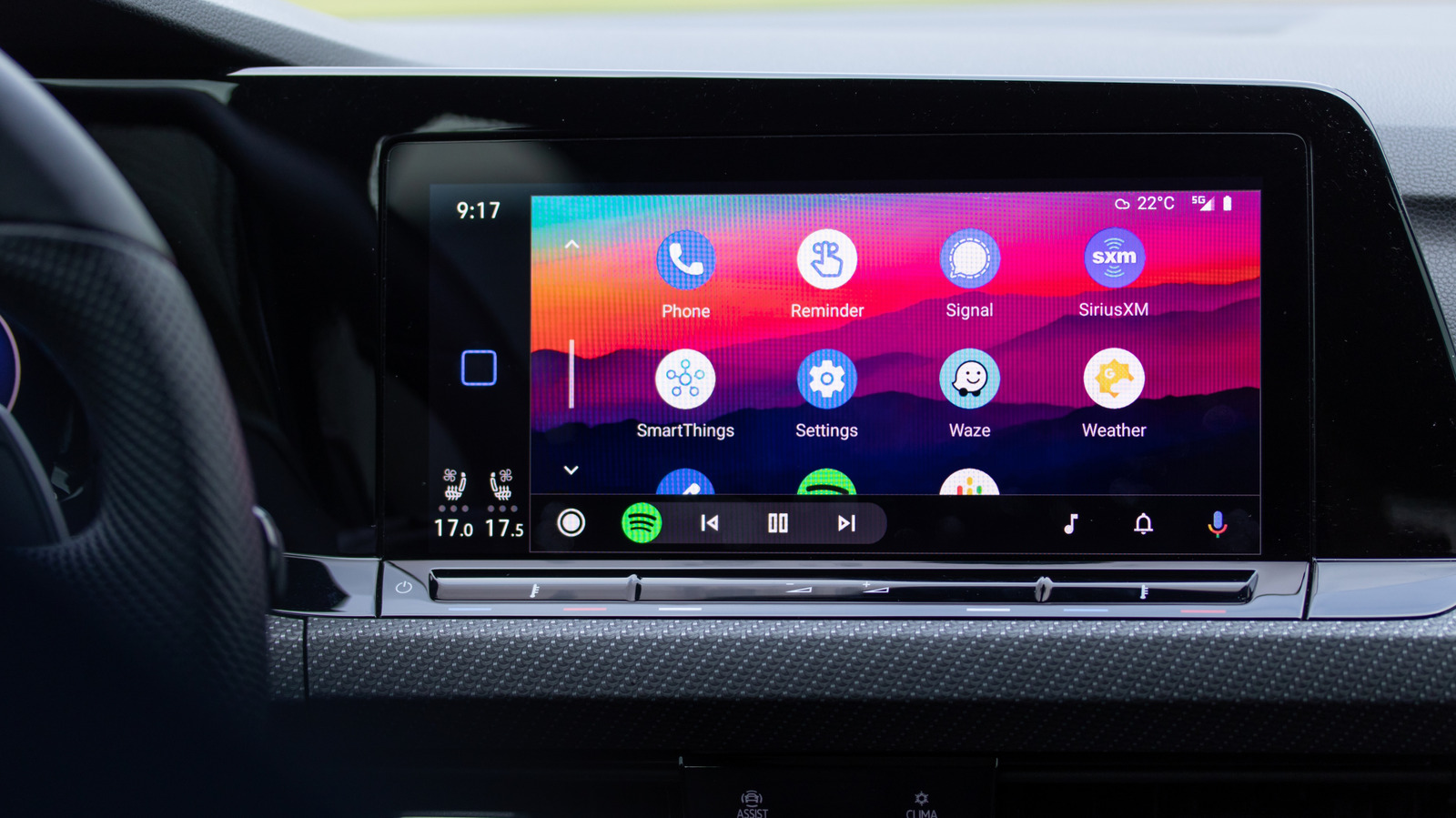
الأكثر شهرة بين السائقين هو نظام أندرويد أوتو (Android Auto). تعمل التجربة بواسطة هاتفك الأندرويد، وتوفر لك شاشة السيارة المتوافقة واجهة ملائمة أثناء القيادة للملاحة والموسيقى والرسائل والتطبيقات المدعومة. إنه رد فعل جوجل على نظام آبل كار بلاي (Apple CarPlay)، ويمكن استخدامه عبر منفذ يو إس بي أو لاسلكياً، حسب هاتفك وسيارتك.

نظام التشغيل أندرويد أوتوموتييف (Android Automotive OS) حيوان مختلف. يعمل مباشرةً على الأجهزة الخاصة بالسيارة، مما يعني عدم الحاجة إلى هاتف للقيام بالأعمال الشاقة. تصبح الأمور أكثر تعقيداً قليلاً عندما تدخل جوجل المدمجة في المعادلة (كما لو أن التسمية لم تكن مربكة بما فيه الكفاية)، لكنها قصة أخرى.

Android Auto يحتاج إلى هاتفك
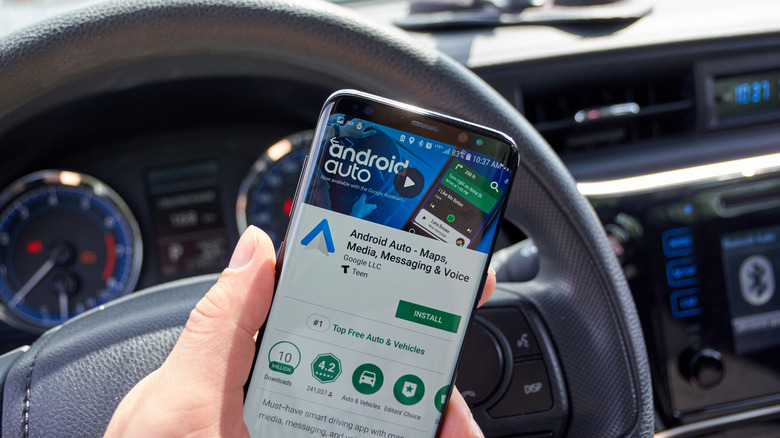
شخص يحمل الهاتف في السيارة مع تطبيق Android Auto المعروض. dennizn/Shutterstock

ضع هاتفك في الاعتبار كأنه الدماغ ولوحة القيادة هي المكان الأكبر والأقل تشتيتًا لوضع كل شيء أثناء القيادة.

Android Auto ليس بديلاً للبرنامج الذي موجود بالفعل في سيارتك. يعرض واجهة متخصصة من هاتفك على شاشة السيارة، مما يسمح لك باستخدام التطبيقات المتوافقة مثل Google Maps و Spotify وخدمات الرسائل دون الحاجة إلى التعامل مع الهاتف.

إن الاعتماد على الهاتف هو جزء من الجاذبية أيضًا. يمكنك الاتصال بمركبة متوافقة أخرى وجلب تطبيقاتك وحساباتك وتفضيلاتك معك. قد تعمل السيارة نفسها بنظام Android أو نظام تشغيل آخر أو شيء خاص تمامًا.

مفهوم Apple CarPlay مشابه. حتى CarPlay Ultra، الذي يمتد إلى المزيد من المركبات المتوافقة عن طريق الاستيلاء على المزيد من الشاشات وإظهار بعض أدوات التحكم في السيارة، لا يزال يتطلب iPhone.

تطبيقات Android Auto يمكنها أيضًا الوصول إلى بعض بيانات السيارة إذا كان مصنع السيارات يدعم ذلك، مثل مستوى البطارية أو المدى المقدر.

Android Automotive يعيش داخل السيارة
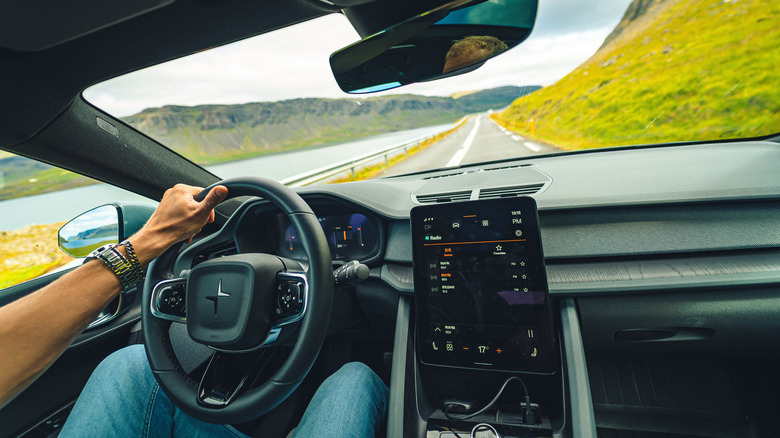
Polestar 2 مع نظام المعلومات والترفيه Android Automotive. Torkgaur/Shutterstock

نظام التشغيل Android Automotive أكثر من ذلك، حيث أنه منصة البرمجيات التي يتم تثبيتها داخل السيارة نفسها وتسمح لشركات تصنيع السيارات بدمجها مع المعلومات والترفيه، وعرض الأدوات، وأدوات التحكم في المناخ، ومعلومات المركبات الكهربائية، وغيرها من وظائف السيارة بدلاً من مجرد توفير واجهة من هاتف متصل.

لذلك، هل Google المدمجة هي نفسها Android Automotive؟

AAOS مفتوح المصدر، في حين يعتمد Google المدمج على مجموعة مرخصة بشكل منفصل من خدمات جوجل للسيارات. يمكن أن توفر هذه المجموعة سيارة مزودة بخريطة جوجل الأصلية، وجوجل بلاي ومساعد جوجل الصوتي، دون هاتف السائق. تتعامل جوجل مع تلك الخدمات كحزمة اختيارية منفصلة بدلاً من كونها جزءًا من AAOS نفسها.

هذا الفرق مهم عند قراءة ورقة المواصفات. على سبيل المثال، تقوم ريفيان ببناء تجربتها البرمجية الخاصة فوق AAOS ولا تقدم Android Auto أو CarPlay projection.

تُظهر بول estar كيف يمكن أن تكون الأمور مرنة. يمكنها أن يكون لديها Google المدمج في سياراتها القائمة على AAOS وتظل متوافقة مع Android Auto و Apple CarPlay، لذا فهي ليست مسألة إما/أو. في عام 2020، كانت بول estar 2 أول سيارة إنتاج تتميز بنظام التشغيل Android Automotive OS.

Android AutoAndroid Automotiveautomobile technology
الخبر متوفّر باللغات التالية:English
المصدر الأصلي للخبر
إنجاجيت

How is Android Auto different from Android Automotive?

August 23, 2026·Engadget
How is Android Auto different from Android Automotive?

One connects to your phone, and the other one doesn't.

By Husain Parvez Aug. 23, 2026 4:30 pm EST The Bold Bureau/Shutterstock

Android Auto and Android Automotive sound like two names for the same product, which isn't exactly helping anyone. Thankfully, the difference is pretty simple.

The one that most drivers will be familiar with is Android Auto. The experience is powered by your Android phone, and a compatible car display provides you with a driving-friendly interface for navigation, music, messaging and supported applications. It's Google's response to Apple CarPlay and can be used via USB or wirelessly, depending on your phone and car.

Android Automotive OS (AAOS) is a different animal. It operates directly on the car's hardware, meaning there's no need for a phone to do the heavy lifting. It gets a little more complicated when Google built-in comes into the mix (as if the naming wasn't confusing enough), but that's another story.

Android Auto needs your phone

Person holding phone in car with the Android Auto app displayed. dennizn/Shutterstock

Consider your phone the brain and the dashboard the larger, less distracting place to put everything while driving.

Android Auto is not a substitute for the software that is already in your car. It displays a specialized interface from your phone on the car's screen, allowing you to use compatible apps like Google Maps, Spotify and messaging services without having to handle the phone.

That phone dependency is part of the attraction too. You can connect to another compatible vehicle and bring your apps, accounts and preferences with you. The car itself may be running Android, another operating system or something completely proprietary.

The concept behind Apple CarPlay is similar. Even CarPlay Ultra, which extends further into compatible vehicles by taking over more displays and surfacing some vehicle controls, still requires an iPhone.

Android Auto apps can also access some vehicle data if supported by the car manufacturer, such as battery level or estimated range.

Android Automotive lives in the car

Polestar 2 with Android Automotive infotainment system. Torkgaur/Shutterstock

Android Automotive OS is more than that, as it is the software platform that is installed in the vehicle itself and allows automakers to integrate it with infotainment, instrument displays, climate controls, EV information and other vehicle functions rather than just providing an interface from a connected phone.

So, is Google built-in the same as Android Automotive?

AAOS is open source, while Google built-in relies on a separately licensed collection of Google Automotive Services. That can provide a car with native Google Maps, Google Play and Google's voice assistant, without the driver's phone. Google treats those services as a separate, optional package rather than part of AAOS itself.

That difference is important when you're reading a spec sheet. For instance, Rivian builds its own software experience on top of AAOS and doesn't offer Android Auto or CarPlay projection.

Polestar demonstrates how flexible things can be. It can have Google built-in in its AAOS-based cars and still be compatible with Android Auto and Apple CarPlay, so it's not a case of either/or. In 2020, the Polestar 2 was the first production car to feature Android Automotive OS.

Android AutoAndroid Automotiveautomobile technology
This article is also available in:العربية
Original source article
Engadget