ما هي إكليبسا فيديو، وكيف تقارن بدولبي فيجن و HDR10؟
11 يوليو 2026·إنجاجيت
ما هي إكليبسا فيديو، وكيف تقارن بدولبي فيجن و HDR10؟

قد يغير تجربة المشاهدة الخاصة بك إلى الأفضل.

بقلم ويل شانكلين 11 يوليو/تموز 2026، 2:30 مساءً بتوقيت شرق الولايات المتحدة جوجل

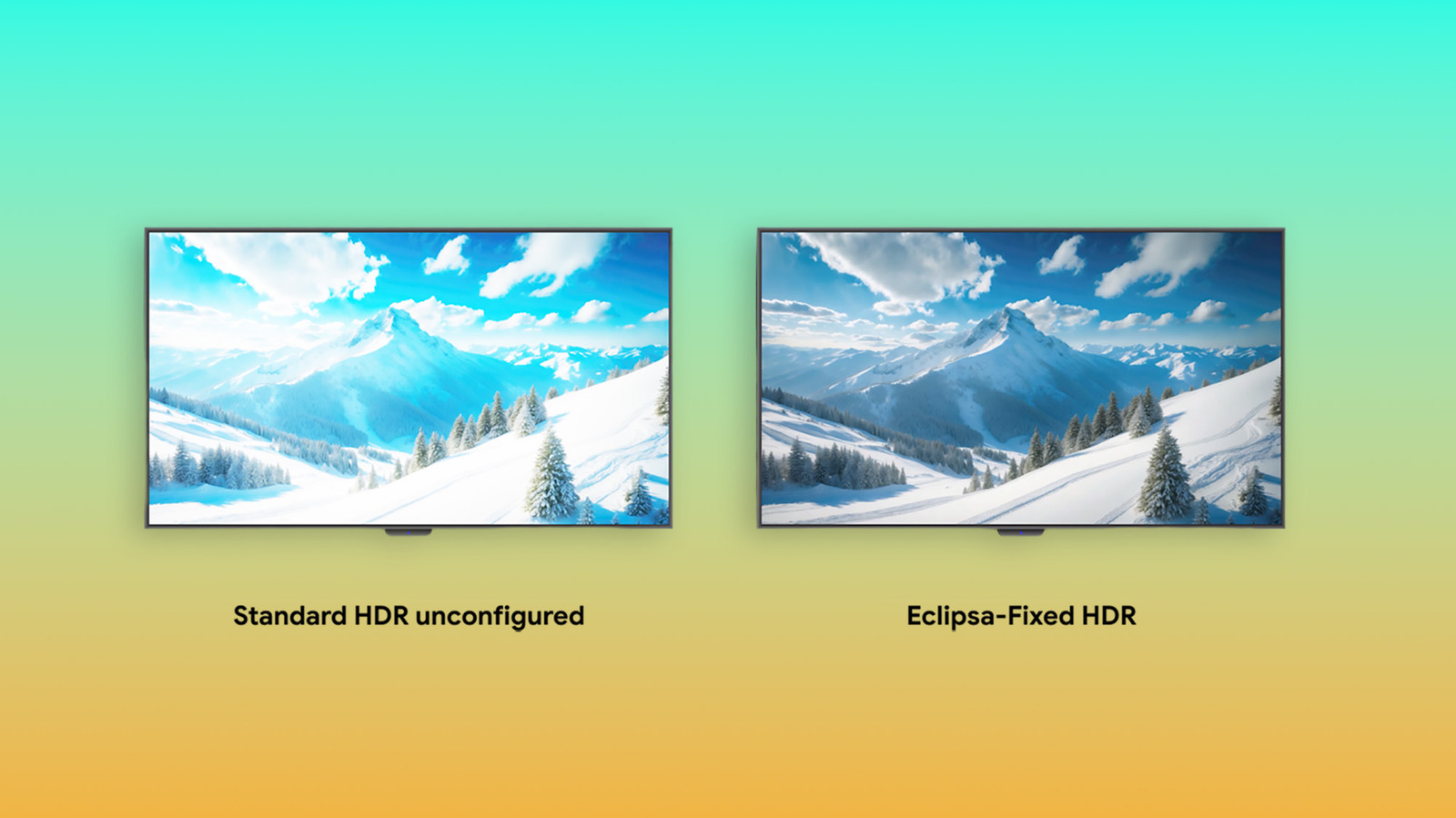
يمكن أن تُبهر تقنية HDR (التباين العالي الديناميكي) على الجهاز المناسب بفضل نطاقها الواسع من السطوع والألوان. لكن الإزعاج يكمن في أنها قد تغير المظهر بشكل كبير من شاشة إلى أخرى. فالمشهد الذي يبدو رائعاً على جهاز تلفزيون عالي الجودة قد يظهر بظلال قاتمة على الهاتف الخاطئ أو تفاصيل مبالغ فيها في غرفة مظلمة. هذه مشكلة تحاول معيار HDR المفتوح الجديد "إكليبسا فيديو" حلها. تم تصميمه لجعل محتوى HDR أكثر قابلية للتنبؤ عبر الأجهزة والتطبيقات وظروف الإضاءة.

تصف جوجل إكليبسا فيديو بأنها طريقة لجعل HDR تبدو "متسقة ومتوازنة ومريحة على كل الشاشات". إنها النسخة المميزة من جوجل لمعيار SMPTE ST 2094-50 المفتوح الجديد الذي طورته الشركة بالتعاون مع آبل و NBCUniversal.

ما الذي تفعله تقنية Eclipsa Video

يهدف التنسيق إلى معالجة عدم القدرة على التنبؤ بـ HDR باستخدام مجموعة أكثر مرونة من التعليمات للشاشات. ويشمل ذلك كيفية تعاملها مع السطوع والتباين والأضواء العالية أثناء تغيير الفيديو. ويأخذ في الاعتبار قدرات الشاشة ويمكنه (على الأجهزة المتوافقة) إجراء تغييرات بناءً على الإضاءة المحيطة في غرفتك. والفكرة هي تقليل أوجه القصور في HDR: الظلال المضغوطة، والأضواء العالية المقصوصة، والنغمات الممحوة والارتفاعات المفاجئة في السطوع. ومن الناحية المثالية، يسمح محتوى HDR و SDR بالتعايش دون احتكاك على نفس الشاشة.

كيف تفعل ذلك؟ وفقًا لوصف جوجل، تعتمد Eclipsa على "قطعتين ذكيتين من البيانات الوصفية". أولاً، تقوم بإنشاء مرجع أبيض، وهو خط أساس لتعيين العناصر الأكثر سطوعًا في محتوى SDR. ثم تحجز سطوعًا إضافيًا لفيديوهات HDR. ثانيًا، هناك منحنيات المكسب التكيفية للمجال العلوي، وهي طريقة لمبدعي المحتوى لإرفاق تعليمات مخصصة داخل الملف. لذا إذا كان سطوع شاشتك لا يمكن أن يلبي متطلبات الفيديو، فهذه البيانات الوصفية تخبره بما يجب فعله لإنشاء التأثير الصحيح تمامًا.

فيديو إكليبسا مقابل دولي فيجن و HDR10

بهذه الطريقة، يشبه فيديو إكليبسا: على الرغم من اختلاف التفاصيل، يستخدم كلاهما بيانات وصفية ديناميكية لتكييف الصورة مع تغير الفيديو. في الوقت نفسه، يكون HDR10 أقل تكيفاً، ويعتمد على مجموعة واحدة من التعليمات الثابتة للفيديو بأكمله. (ومع ذلك، فإن النسخة الأحدث من HDR10+ تستخدم بيانات وصفية ديناميكية).

يتمثل عامل آخر مُميز في الانفتاح. يتم بناء إكليبسا و HDR10 حول معيار مفتوح. دولبي فيجن تنسيق خاص.

سيتم دعم فيديو إكليبسا على نطاق المنصة (التشغيل والالتقاط) على أندرويد 17. سيصبح متاحًا في النهاية على الهواتف والأجهزة اللوحية وأجهزة التلفزيون. ولكن كما هو الحال مع أي تنسيق فيديو، سيعتمد توفره الأوسع على دعم مصنعي الأجهزة وتطبيقات البث ومقدمي المحتوى.

Eclipsa VideoHDRGoogle
الخبر متوفّر باللغات التالية:English
المصدر الأصلي للخبر
إنجاجيت

What is Eclipsa Video, and how does it compare to Dolby Vision and HDR10?

July 11, 2026·Engadget
What is Eclipsa Video, and how does it compare to Dolby Vision and HDR10?

It might just change your viewing experience for the (way) better.

By Will Shanklin July 11, 2026 2:30 pm EST Google

On the right device, HDR can dazzle with its wide range of brightness and color. But one annoyance is that it can change appearance dramatically from one screen to the next. A scene that looks terrific on a high-end TV might have muddy shadows on the wrong phone or blown-out highlights in a dark room. It's a problem that Eclipsa Video, a new open HDR standard, is trying to solve. It's designed to make HDR content play more predictably across devices, apps and lighting conditions.

Google describes Eclipsa Video as a way to make HDR look "consistent, balanced and comfortable on every screen." It's Google's branded version of (the unfortunately named) SMPTE ST 2094-50, a new open standard the company developed alongside Apple and NBCUniversal.

What Eclipsa Video does

The format aims to address HDR's unpredictability with a more flexible set of instructions for displays. That includes how they handle brightness, contrast and highlights as the video changes. It accounts for a screen's capabilities and (on compatible devices) can make changes based on the ambient lighting in your room. The idea is to reduce HDR's pitfalls: crushed shadows, clipped highlights, washed-out tones and sudden spikes in brightness. Ideally, it lets HDR and SDR content coexist without friction on the same screen.

How does it do this? As Google describes it, Eclipsa relies on "two clever pieces of metadata." First, it establishes a white reference anchor, a baseline for mapping SDR content's brightest elements. It then reserves extra brightness for HDR videos. Second, there are headroom-adaptive gain curves, a way for content creators to attach custom instructions within the file. So, if your screen's brightness can't match the video's requirements, this metadata tells it what to do to create just the right effect.

Eclipsa Video vs. Dolby Vision and HDR10

In that way, it's like Dolby Vision: Although the details are different, both use dynamic metadata to adapt the picture as the video changes. Meanwhile, HDR10 is less adaptive, relying on a single set of static instructions for the whole video. (However, the newer HDR10+ variant does use dynamic metadata.)

Another differentiating factor is openness. Eclipsa and HDR10 are built around an open standard. Dolby Vision is a proprietary format.

Platform-wide Eclipsa Video support (playback and capture) is coming to Android 17. It will eventually be available on phones, tablets and TVs. But as with any video format, its wider availability will depend on support from device makers, streaming apps and content providers.

Eclipsa VideoHDRGoogle
This article is also available in:العربية
Original source article
Engadget