نقطة نظام أخيراً.. العالم يسحب الهاتف من يد الطفل
24 أغسطس 2026·البيان
نقطة نظام أخيراً.. العالم يسحب الهاتف من يد الطفل

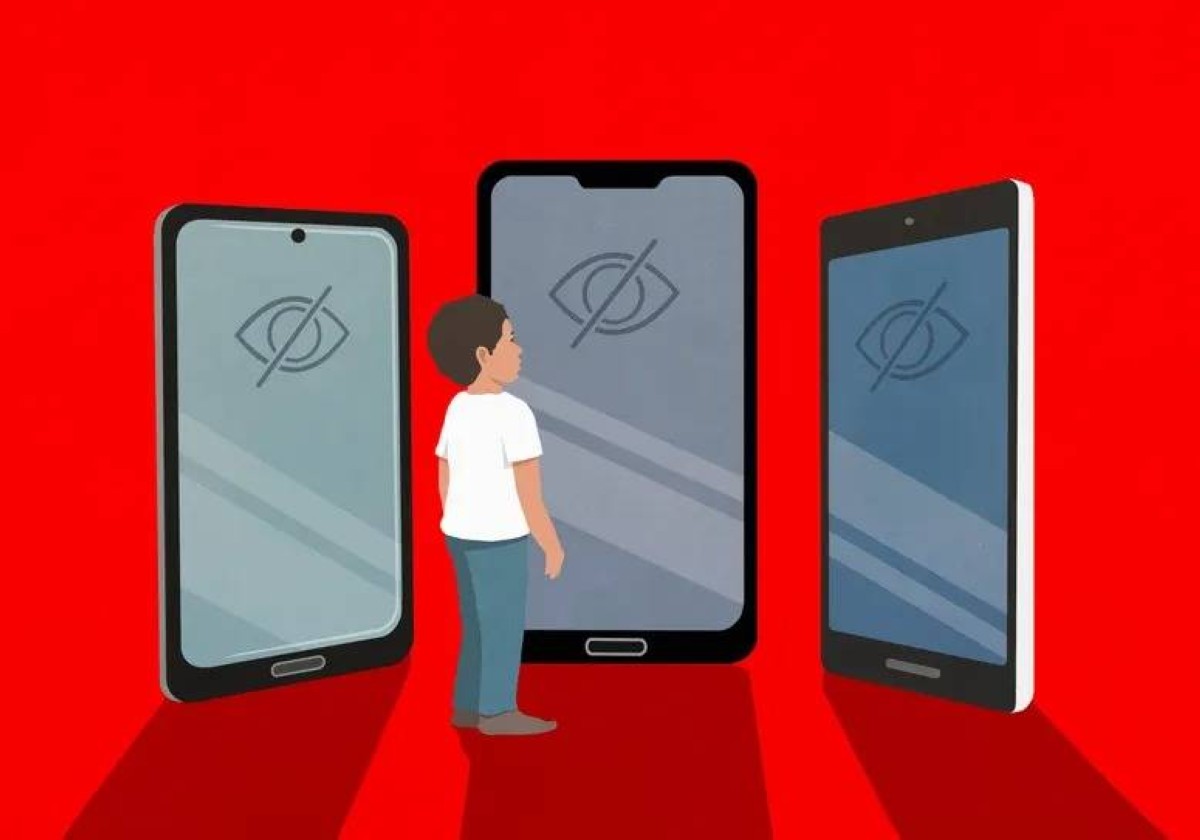
قبل سنوات قليلة، كان الحد الأدنى للعمر على منصات التواصل يبدو أقرب إلى خانة شكلية، فيكتب الطفل تاريخ ميلاد أكبر من عمره الحقيقي، يضغط «موافق»، ويدخل. أما اليوم اتجهت دول عدة خلال 2025 و2026 إلى فرض أو اقتراح قيود عمرية جديدة على استخدام الأطفال لمنصات التواصل الاجتماعي، مع اختلاف سن المنع وآليات التحقق والعقوبات من دولة إلى أخرى.

أُقرت الإمارات خلال 2026 قواعد تمنع من هم دون 15 عاماً من إنشاء أو استخدام حسابات شخصية على منصات التواصل الاجتماعي، كما تفرض القواعد متطلبات مرتبطة بالتحقق من العمر وحماية البيانات، إضافة إلى قيود على بعض الخصائص للمستخدمين الأصغر سناً.

وفي أستراليا، دخل الحظر الوطني لمن هم دون 16 عاماً حيز التنفيذ في ديسمبر 2025، وتشمل القواعد منصات مثل «فيسبوك» و«إنستغرام» و«سناب شات» و«تيك توك» و«إكس» و«يوتيوب» و«ريديت» و«ثريدز» و«تويتش» و«كيك»، وتُلزم المنصات باتخاذ خطوات معقولة لمنع من هم دون 16 عاماً من إنشاء حسابات أو الاحتفاظ بها، ويمكن أن تصل الغرامات على الشركات إلى 54.6 مليون دولار أسترالي. وقالت هيئة السلامة الإلكترونية الأسترالية لاحقاً إن نحو 4.7 ملايين حساب أزيلت أو عُطلت بسبب القيود الجديدة.

أما بريطانيا، فأعلنت حكومتها في يونيو 2026 خططاً لمنع من هم دون 16 عاماً من استخدام خدمات التواصل الاجتماعي، مع استهداف بدء التطبيق في ربيع 2027 بعد استكمال المسار التشريعي، كما تقترح الخطة قيوداً إضافية على حسابات من تبلغ أعمارهم 16 و17 عاماً، من بينها الحد من بعض الخصائص التي تشجع الاستخدام المطول، وكتم الإشعارات في أوقات معينة.

وفي إندونيسيا، أعلنت الحكومة في مارس 2026 قيوداً تمنع من هم دون 16 عاماً من امتلاك حسابات على منصات رقمية مصنفة عالية المخاطر، وبدأ التطبيق تدريجياً على خدمات من بينها «يوتيوب» و«تيك توك» و«فيسبوك» و«إنستغرام» و«إكس» و«روبلوكس».

وفي ماليزيا، بدأت السلطات خلال 2026 تطبيق قيود تمنع من هم دون 16 عاماً من تسجيل حسابات جديدة على عدد من منصات التواصل الاجتماعي، ضمن تشديد أوسع على التحقق من أعمار المستخدمين.

وفي تركيا، أقر البرلمان في 2026 تشريعاً يستهدف منع من هم دون 15 عاماً من استخدام وسائل التواصل الاجتماعي، مع فرض التزامات إضافية على المنصات الرقمية وشركات الألعاب.

أما فرنسا، فقد وافق البرلمان في 2026 على قانون يمنع من هم دون 15 عاماً من استخدام شبكات التواصل الاجتماعي، وكان من المخطط بدء تطبيقه مع العام الدراسي الجديد، لكن المجلس الدستوري الفرنسي ألغى جوهر القانون في أغسطس 2026، وقال المجلس إن بعض بنوده تمس بحرية التعبير والتواصل ولا توفر ضمانات كافية في ما يتعلق بالتحقق من العمر وحماية الخصوصية، وبعد القرار، أعلنت الحكومة نيتها إعادة صياغة القانون.

وفي نيوزيلندا، طُرح في أغسطس 2026 مشروع قانون لمنع من هم دون 16 عاماً من استخدام وسائل التواصل الاجتماعي، ويقترح المشروع فرض غرامات قد تصل إلى 10% من الإيرادات العالمية للشركات المخالفة، لكنه لم يصبح قانوناً نافذاً بعد.

وفي كندا، قدمت الحكومة في يونيو 2026 مشروع قانون يقترح منع من هم دون 16 عاماً من امتلاك حسابات على بعض خدمات التواصل، مع إمكانية منح إعفاءات للمنصات التي تثبت وجود تدابير حماية كافية للأطفال، ولا يزال المشروع في المسار التشريعي.

كما أعلنت إسبانيا خططاً لرفع الحد الأدنى لاستخدام وسائل التواصل إلى 16 عاماً، مع تشديد متطلبات التحقق من العمر.

وفي الدنمارك، أعلنت الحكومة توجهاً لوضع حد عند 15 عاماً، مع إمكانية سماح الوالدين لبعض من هم بين 13 و15 عاماً باستخدام منصات محددة.

وتعمل النرويج على تشريع يضع حداً أدنى عند 15 عاماً، بينما تدرس بولندا وسلوفينيا قيوداً مماثلة لمن هم دون 15 عاماً.

وفي النمسا، اتفقت أحزاب الائتلاف الحاكم على مبدأ حظر وسائل التواصل لمن هم دون 14 عاماً، على أن تُحدد تفاصيل التنفيذ في التشريع.

كما أعلنت اليونان خططاً لمنع من هم دون 15 عاماً من استخدام بعض المنصات، مع استهداف التطبيق في 2027.

أما البرتغال، فلا تطبق حظراً شاملاً حتى سن 16، لكنها تمنع من هم دون 13 عاماً من استخدام عدد من الخدمات، كما يناقش البرلمان اشتراط موافقة الوالدين للمستخدمين بين 13 و16 عاماً.

وفي ألمانيا وإيطاليا، تعتمد القواعد بشكل أكبر على موافقة الوالدين بدلاً من الحظر الكامل.

وفي البرازيل، دخلت في 2026 قواعد رقمية جديدة للأطفال والمراهقين، تشمل ربط حسابات بعض المستخدمين القاصرين بولي قانوني وفرض قيود على خصائص مثل التصفح اللانهائي، من دون فرض حظر شامل على جميع من هم دون 16 عاماً.

ولا يوجد في الولايات المتحدة حتى الآن حظر فيدرالي موحد مماثل للحظر الأسترالي، رغم أن عدداً من الولايات أقرت أو اقترحت قوانين خاصة باستخدام القاصرين لوسائل التواصل، وواجه بعض هذه القوانين طعوناً قضائية.

الاختلاف الأساسي بين هذه الدول يتعلق بسن المنع، وهل القاعدة حظر كامل أم موافقة والدية، وكيفية التحقق من العمر، وما إذا كانت المسؤولية تقع على المستخدم أو على المنصة.

وهنا ربما تكون أكبر نقطة تحول في العلاقة بين الحكومات وشركات التكنولوجيا. لسنوات، تُرك تحديد العمر للمنصات نفسها، وغالباً لم يتجاوز الأمر تاريخ ميلاد يكتبه المستخدم بيده.

childrensocial_mediaage
الخبر متوفّر باللغات التالية:English
المصدر الأصلي للخبر
البيان

A word to the editor: The world takes the phone out of the child's hand

August 24, 2026·Al Bayan
A word to the editor: The world takes the phone out of the child's hand

A few years ago, the minimum age on social media platforms seemed like a formal requirement: children would enter an older birthdate, click “agree,” and proceed. Today, several countries are moving towards imposing or suggesting new age restrictions for children using social media in 2025 and 2026, with varying age limits, verification mechanisms, and penalties.

In 2026, the UAE approved rules prohibiting individuals under 15 from creating or using personal accounts on social media platforms. The rules also mandate age verification requirements and data protection measures, along with restrictions on certain features for younger users.

In Australia, a national ban for those under 16 went into effect in December 2025, covering platforms such as Facebook, Instagram, Snapchat, TikTok, X, YouTube, Reddit, Threads, Twitch, and Kick. The rules require platforms to take reasonable steps to prevent individuals under 16 from creating or maintaining accounts, with fines for companies reaching up to AUD 54.6 million. The Australian Communications and Media Authority later reported that approximately 4.7 million accounts were removed or suspended due to the new restrictions.

Meanwhile, the UK government announced in June 2026 plans to prevent individuals under 16 from using social media services, aiming for implementation in spring 2027 after completing the legislative process. The plan also proposes additional restrictions on accounts held by 16 and 17-year-olds, including limiting certain features that encourage prolonged use and muting notifications at specific times.

In Indonesia, the government announced in March 2026 restrictions preventing individuals under 16 from owning accounts on high-risk digital platforms. The implementation was gradual, affecting services such as YouTube, TikTok, Facebook, Instagram, X, and Roblox.

In Malaysia, authorities began enforcing restrictions in 2026 that prevent individuals under 16 from creating new accounts on several social media platforms, part of a broader tightening of age verification requirements for users.

In Turkey, the parliament passed legislation in 2026 targeting the prevention of individuals under 15 from using social media, with additional obligations imposed on digital platforms and gaming companies.

France’s parliament approved a law in 2026 that prohibits people under the age of 15 from using social media networks, and it was planned to come into effect with the new school year. However, France's Constitutional Council repealed the core of the law in August 2026, saying that some of its provisions violate freedom of expression and communication and do not provide sufficient guarantees regarding age verification and privacy protection. After the decision, the government announced its intention to rewrite the law.

In New Zealand, a bill was introduced in August 2026 to prevent people under the age of 16 from using social media. The bill proposes imposing fines that could reach up to 10% of global revenue on companies that violate it, but it has not yet become law.

In Canada, in June 2026, the government introduced a bill proposing to prevent people under the age of 16 from having accounts on certain social media services. It also allows exemptions for platforms that prove they have adequate child protection measures in place. The bill is still in the legislative process.

Spain has announced plans to raise the minimum age for using social media to 16, with stricter requirements for age verification.

In Denmark, the government has announced a plan to set an age limit at 15, with parents potentially allowing some people between the ages of 13 and 15 to use specific platforms.

Norway is working on legislation that would set a minimum age limit at 15. Poland and Slovenia are also considering similar restrictions for people under the age of 15.

In Austria, the ruling coalition parties agreed on a principle of banning social media for those under 14 years old, with details to be specified in legislation.

Greece also announced plans to prevent those under 15 from using certain platforms, targeting implementation by 2027.

Portugal does not apply a blanket ban until the age of 16, but it prohibits those under 13 from using several services. The parliament is also discussing requiring parental consent for users aged between 13 and 16.

In Germany and Italy, rules are more dependent on parental consent rather than a complete ban.

Brazil introduced new digital rules for children and adolescents in 2026, which include linking some underage users’ accounts to a legal guardian and imposing restrictions on features such as infinite browsing, without imposing a blanket ban on all those under 16 years old.

The United States does not yet have a uniform federal ban similar to Australia's. However, several states have passed or proposed laws regarding the use of social media by minors, and some of these laws have faced legal challenges.

The key differences between these countries relate to the age of prohibition, whether the rule is a complete ban or parental consent, how age verification is carried out, and whether responsibility falls on the user or the platform.

And here may be the biggest shift in the relationship between governments and technology companies. For years, age determination has been left to the platforms themselves, often with nothing more than a user-written birth date.

childrensocial_mediaage
This article is also available in:العربية
Original source article
Al Bayan