هل قرر الذكاء الاصطناعي خلق وظائف بدل أن يسرقها؟
2 يوليو 2026·البيان
هل قرر الذكاء الاصطناعي خلق وظائف بدل أن يسرقها؟

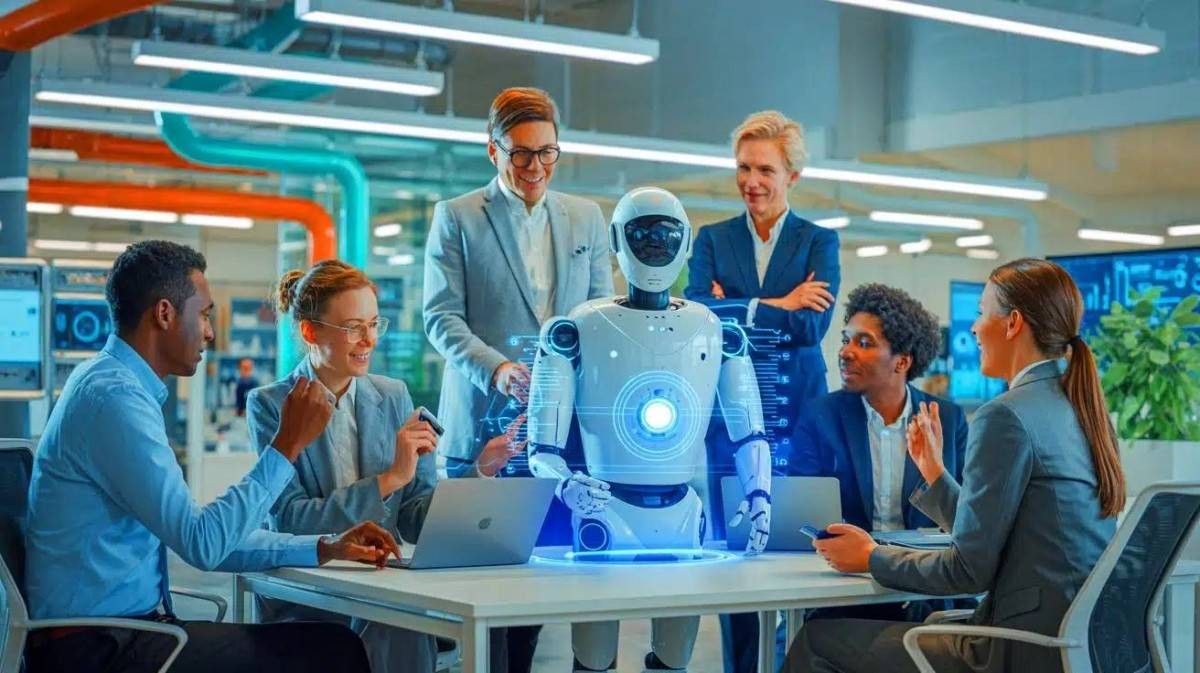
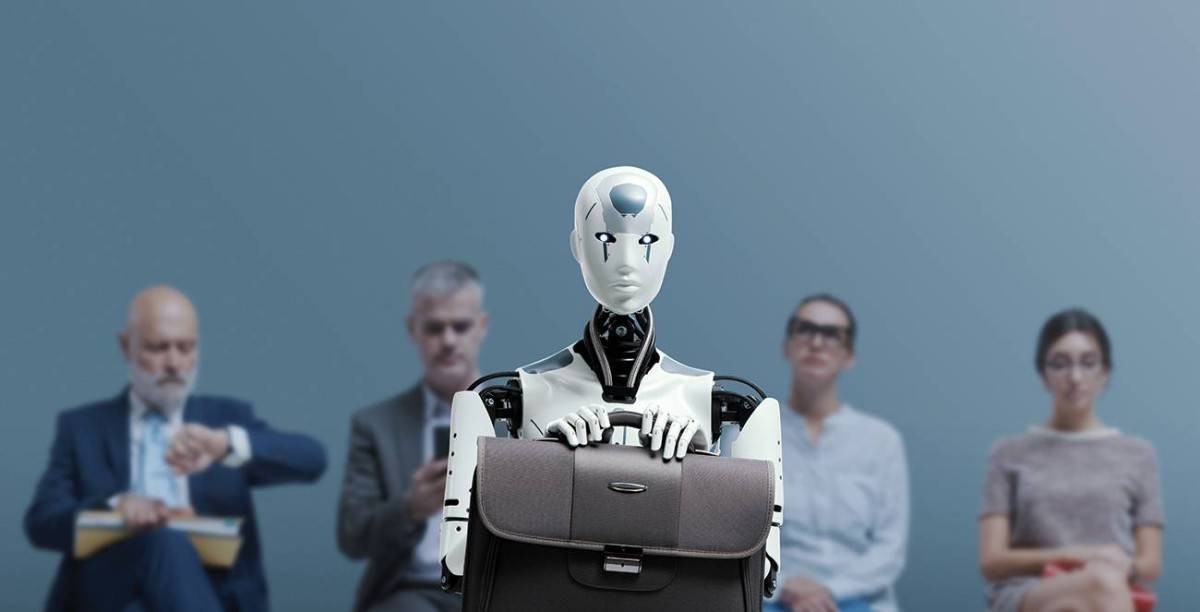
قدمت دراسة جديدة صورة أكثر تفاؤلاً مما هو شائع في وقت تتصاعد فيه المخاوف من أن يؤدي الذكاء الاصطناعي إلى "أزمة وظائف" واسعة تهدد سوق العمل، وأعادت الجدل إلى نقطة البداية: هل الذكاء الاصطناعي يقضي على الوظائف أم يخلقها؟

بحسب الدراسة الحديثة الصادرة عن منصة التمويل المؤسسي Ramp بالتعاون مع شركة برمجيات الموارد البشرية Revelio Labs، فإن الشركات التي اعتمدت بشكل كبير على أدوات الذكاء الاصطناعي لم تشهد تراجعاً في التوظيف، بل العكس تماماً.

وأظهرت النتائج أن الشركات “المتقدمة في استخدام الذكاء الاصطناعي” قامت بزيادة عدد موظفيها بنسبة 10.2% خلال 24 شهراً بعد تبني هذه التقنيات، مقارنة بشركات أخرى لم تسجل أي نمو يُذكر في التوظيف.

والمثير في الدراسة أن تأثير الذكاء الاصطناعي لم يقتصر على الوظائف العليا أو المتخصصة، بل شمل أيضاً الوظائف المبتدئة.

فقد أظهرت البيانات أن التوظيف في الوظائف الأولى داخل الشركات التي تعتمد على الذكاء الاصطناعي نما بنفس وتيرة التوظيف في المناصب العليا، بل إن بعض الشركات الأكثر استخداماً لهذه التقنيات ضمّت نسبة أكبر من الموظفين الجدد مقارنة بغيرها.

تعزيز وليس استبدال

هذه النتائج تدعم فكرة أن الذكاء الاصطناعي قد يكون أداة لتعزيز الإنتاجية بدلاً من استبدال البشر، وهو ما يخفف من المخاوف المتزايدة في أسواق العمل، خاصة بين الموظفين في القطاعات الإدارية والمكتبية.

ورغم أن بعض الشركات تربط بالفعل بين الذكاء الاصطناعي وتقليص الوظائف، إلا أن هذه الدراسة تشير إلى أن الصورة قد تكون أكثر تعقيداً، وأن التكنولوجيا قد تدفع الشركات إلى التوسع بدلاً من التقليص.

نتائج ايجابية

ورغم النتائج الإيجابية، يحذر معدّو الدراسة من التسرع في استخلاص استنتاجات نهائية، مؤكدين أن تأثير الذكاء الاصطناعي على سوق العمل لا يزال في مراحله الأولى.

ويشير بعض الاقتصاديين إلى احتمال أن يسهم الذكاء الاصطناعي في خلق وظائف جديدة على المدى الطويل، من خلال زيادة كفاءة الشركات، وبالتالي توسيع الطلب على خدماتها ونمو أعمالها.

سيناريوهات متعددة

بين المخاوف والتوقعات، يبدو أن الذكاء الاصطناعي لا يرسم صورة واحدة لسوق العمل، بل يفتح سيناريوهات متعددة. فبدلاً من “نهاية الوظائف”، قد يكون ما يحدث هو إعادة تشكيل طبيعة العمل نفسها، حيث تتغير المهارات المطلوبة، وتظهر وظائف جديدة لم تكن موجودة من قبل.

AIjobsfuturism
الخبر متوفّر باللغات التالية:English
المصدر الأصلي للخبر
البيان

Will Artificial Intelligence Create Jobs Instead of Stealing Them?

July 02, 2026·Al Bayan
Will Artificial Intelligence Create Jobs Instead of Stealing Them?

A new study has presented a more optimistic picture than is commonly believed at a time when concerns are mounting that artificial intelligence will lead to a widespread “job crisis” threatening the job market, and it has reopened the debate: Will AI eliminate jobs or create them?

According to a recent study by Ramp, an institutional finance platform, in collaboration with Revelio Labs, a human resources software company, companies that have heavily adopted artificial intelligence tools have not seen a decline in hiring; on the contrary.

The results showed that “advanced AI users” increased their workforce by 10.2% over 24 months after adopting these technologies, compared to other companies that did not record any significant growth in hiring.

What is interesting about the study is that the impact of artificial intelligence was not limited to senior or specialized positions, but also included entry-level jobs.

Data has shown that employment in first jobs within AI-dependent companies grew at the same rate as employment in senior positions, and some of the most AI-using companies have even taken on a larger proportion of new employees than others.

Enhancement rather than replacement

These findings support the idea that AI could be an instrument for enhancing productivity rather than replacing humans, which alleviates growing concerns in labor markets, especially among employees in administrative and clerical sectors.

Although some companies are already linking AI with job cuts, this study suggests that the picture may be more complex, and that technology may drive companies to expand rather than reduce.

Positive results

Despite the positive findings, the authors of the study caution against rushing to conclusions, emphasizing that the impact of AI on the labor market is still in its early stages.

Some economists point out the possibility that AI could contribute to creating new jobs in the long term by increasing companies' efficiency and thus expanding demand for their services and growing their businesses.

Multiple Scenarios

Between concerns and expectations, artificial intelligence does not seem to paint a single picture for the labor market. Instead, it opens up multiple scenarios. Rather than “the end of jobs,” what is happening may be the reshaping of work itself, where required skills change and new jobs appear that did not exist before.

AIjobsfuturism
This article is also available in:العربية
Original source article
Al Bayan