هل يمكن استخدام طبق قمر صناعي كهوائي تلفزيوني مجاني؟ يتوقف ذلك على مكان إقامتك
21 أغسطس 2026·إنجاجيت
هل يمكن استخدام طبق قمر صناعي كهوائي تلفزيوني مجاني؟ يتوقف ذلك على مكان إقامتك

قد لا يكون ذلك الطبق القديم على سطح منزلك عديم الفائدة تماماً

بقلم حسين برويز 21 أغسطس، 2026 11:30 ص EST Lost_in_the_Midwest/Shutterstock

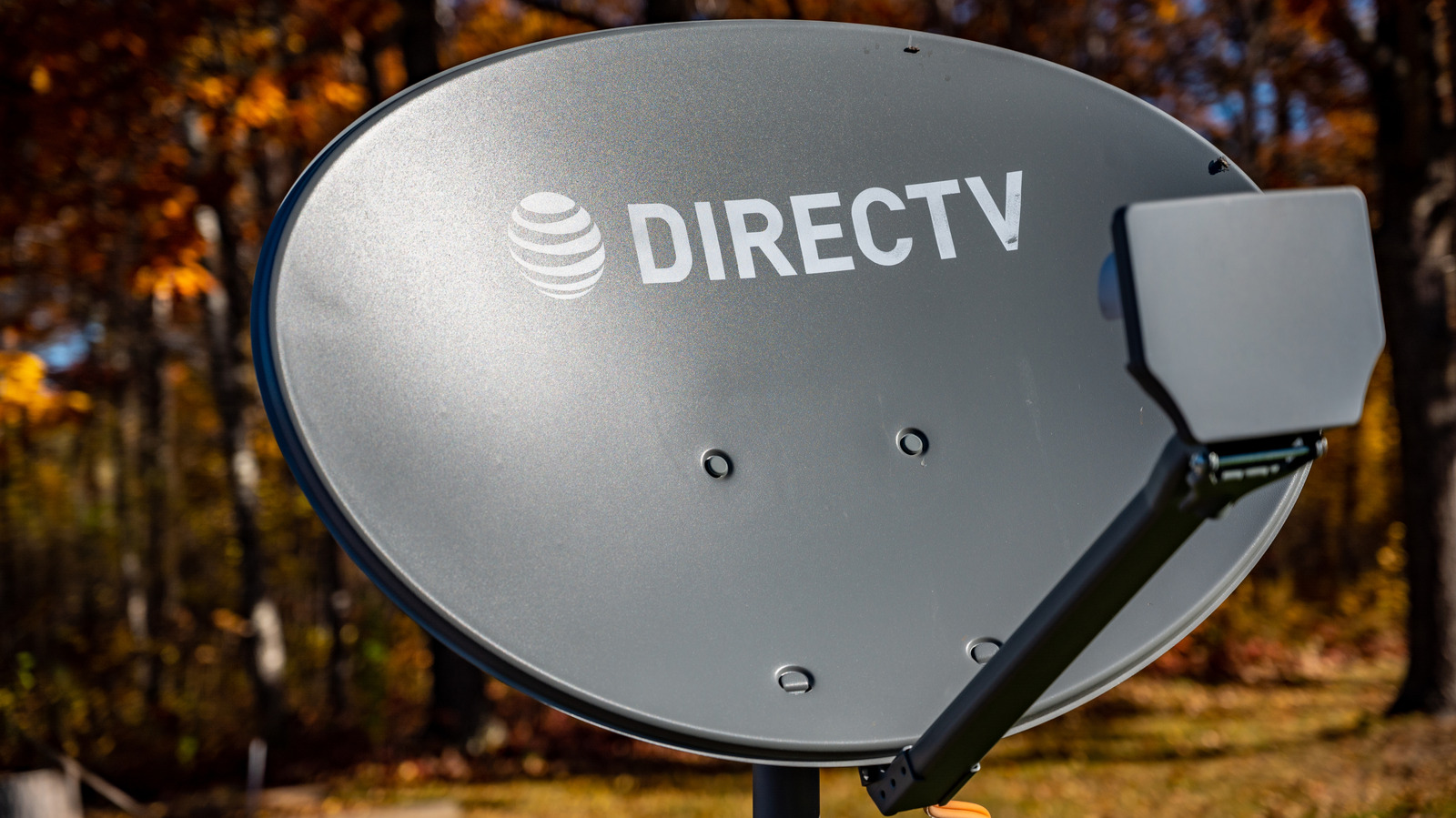
يبدو الطبق القمري القديم أو طبق "ديش" الذي تم تركيبه على سطح منزلك قادراً على استقبال التلفاز مجاناً. ولكن للأسف، لن يؤدي توصيل كابل "كواكس" الخاص به بجهاز التلفزيون إلى تفعيل محطات "إيه بي سي"، "سي بي إس" أو "إن بي سي" المحلية

حسناً، على الأقل ليس بالنسبة لمعظم الأمريكيين. يستخدم طبق القمر استقبال الإشارات من الفضاء، بينما تستقبل هوائي التلفاز فوق الأرض (OTA) إشارات من أبراج قريبة من المنزل. قد يكون كلاهما موجوداً على السطح ويستخدم كابل "كواكس"، ولكن هذا هو المكان الذي تنتهي فيه أوجه التشابه بينهما.

تصبح الأمور أكثر إثارة للاهتمام خارج الولايات المتحدة. في بلدان مثل المملكة المتحدة، لا يعتبر التلفاز القمري المجاني أمراً جديداً، لذا قد يكون ذلك الطبق الغبار المربوط بالمنزل ما زال يحمل بعض الحياة فيه.

لماذا لا تستقبل أطباق الأقمار الصناعية القديمة التلفزيون المحلي
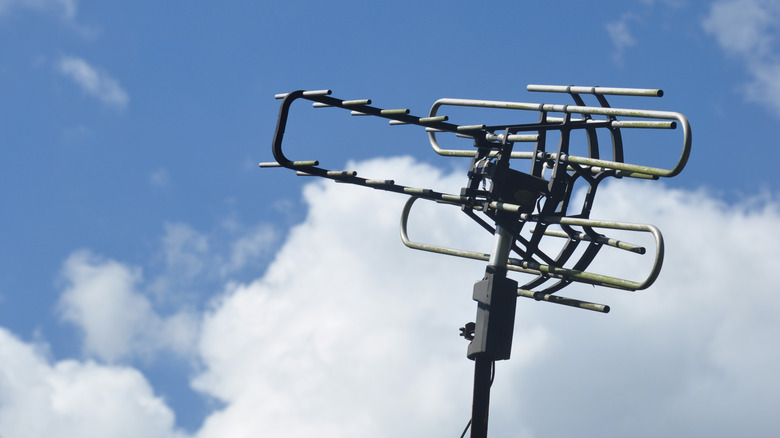
هوائي تلفزيون خارجي مثبت على السقف. dani daniar/Shutterstock

تتميز طبق القمر الصناعي بمرآة منحنية تركز الإشارات الواردة على محول النبض المنخفض الضجيج (LNB) في نهاية الذراع، وتصمم الهوائيات الأرضية لاستقبال إشارات الفهري العالي التردد والفهري فوق العالي التردد المستخدمة من قبل محطات التلفزيون المحلية. وحتى ربط هوائي تقليدي بالطبق ليس خدعة ذكية، لأن المرآة تركز الإشارات بطريقة لا تحسن بشكل كبير استقبال الهوائي المصمم للبث الأرضي. نصيحة موقع Solid Signal المتخصص في مشاريع التكنولوجيا المنزلية البسيطة أقل إثارة: استخدم هوائي مصمم لهذا الغرض.

لكن هذا لا يعني أن التثبيت بأكمله يجب أن يكون مجرد زخرفة للسقف. قد يكون العمود أو نقطة التثبيت قادرًا على استيعاب هوائي تلفزيون خارجي إذا وفر موقعًا مناسبًا بالنسبة لأبراج البث المحلية، وقد يزيل الكابل المحوري الموجود الحاجة إلى تشغيل كابل جديد عبر المنزل.

لا يزال الاستقبال يعتمد بشكل كبير على الموقع. يمكن أن تؤثر التضاريس والمباني القريبة والأشجار وارتفاع الهوائي على استقبال التلفزيون الرقمي، وعادة ما تحصل هوائيات الهواء الطلق على استقبال أفضل. يتطلب بعض المشاهدين أيضًا هوائيًا قادرًا على التقاط قنوات VHF و UHF.

لا يمكن للتلفزيون الذكي حل هذه المشكلة أيضًا. إذا كان يحتوي على مُستقبل مدمج، فيمكنه فك تشفير التلفزيون عبر الهواء (OTA)، ولكن يجب أن يوفر له الهوائي إشارة لفك التشفير.

Free satellite TV is more common outside the US
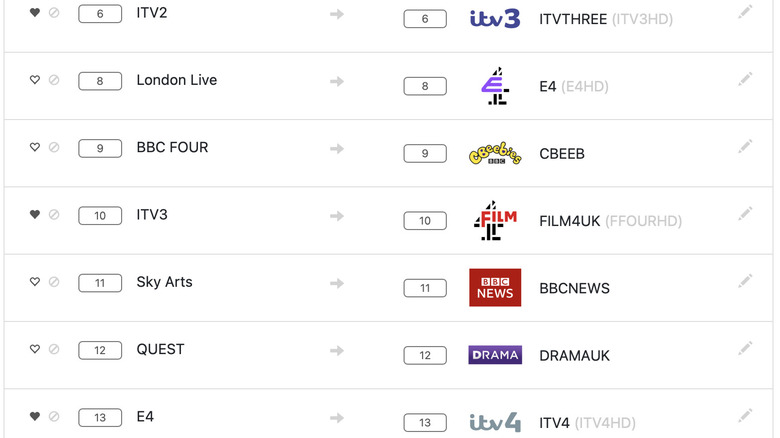
A Freesat channel list showing ITV, BBC, Channel 4 and other UK television channels. Screenshot by Husain Parvez (Freesat)

Cross the Atlantic and the seemingly outdated dish suddenly doesn't seem so outdated.

Freesat is the UK's subscription-free satellite television and radio service, offering over 100 channels. They can be received by a Freesat-enabled television without the need for a separate set-top box, but the television must have a working dish attached to it (smart apparently doesn't mean psychic). Many existing installations can be reused, including Sky Q and Sky+, but the LNB (signal receiver) attached to the dish may affect features like simultaneous recording. Freesat doesn't state that all old satellite installations will be compatible.

الولايات المتحدة ليست صحراء الأقمار الصناعية المجانية أيضًا. يحمل قمر "لينجسات جالاكسي 19" في خط الطول 97.0°W برامج مجانية للبث، خاصة للمشاهدين المتعددين الثقافات والذين يعتنقون ديانات معينة في جميع أنحاء أمريكا الشمالية، ولا تزال القوائم الحالية تعرض قنوات واضحة على القمر الصناعي. هذه القنوات ليست جائزة "جاك بوت" (Jackpot) لقطع الكابل المجاني، حيث تحتاج إلى طبق مناسب، و LNB ومستقبل لاستقبالها.

بالنسبة لمعظم الأمريكيين الذين يرغبون فقط في مشاهدة التلفزيون الرئيسي المجاني، لا يزال هوائي OTA هو الطريق الأبسط لمشاهدة التلفزيون المحلي. يمكن ملء بعض الفجوات من خلال خدمات الإنترنت أيضًا، حيث تقدم خدمات البث المجانية الأخبار المحلية وغيرها من القنوات الحية (اعتمادًا على السوق).

satellite_dishTV_antennatechnology
الخبر متوفّر باللغات التالية:English
المصدر الأصلي للخبر
إنجاجيت

Can you use a satellite dish as a free TV antenna? It depends where you live

August 21, 2026·Engadget
Can you use a satellite dish as a free TV antenna? It depends where you live

That old dish on your roof may not be totally useless.

By Husain Parvez Aug. 21, 2026 11:30 am EST Lost_in_the_Midwest/Shutterstock

An old DirecTV or Dish satellite dish mounted on your roof definitely looks like something that should be able to receive free TV. Unfortunately, plugging its coax cable into your television isn't going to unlock your local ABC, CBS or NBC affiliate

Well, at least not for most Americans. A satellite dish is used to receive signals from space, and an over-the-air (OTA) TV antenna receives signals from towers that are much closer to home. They may both reside on the roof and use coax cable, but that's where the family resemblance ends.

It gets a little more interesting outside the US. In countries like the UK, free-to-air satellite TV is nothing new, so that dusty dish bolted to a house might still have some life in it.

Why your old satellite dish won't receive local television

Outdoor TV antenna mounted on the roof. dani daniar/Shutterstock

A satellite dish has a curved reflector that focuses incoming signals onto the low-noise block downconverter (LNB) at the end of the arm, and terrestrial antennas are designed to receive the much lower-frequency VHF and UHF signals used by local TV stations. Even attaching a conventional antenna to the dish isn't some clever trick, because the reflector focuses the signals in a way that doesn't meaningfully improve reception for an antenna designed for terrestrial broadcasts. Consumer tech DIY site Solid Signal's advice is much less thrilling: Use an antenna designed for the task.

But that doesn't mean that the whole installation has to be only a roof decoration. The pole or mounting point may be able to accommodate an outdoor TV antenna if it provides a suitable position relative to the local broadcast towers, and the existing coaxial cable may eliminate the need to run a new cable through the house. Satellite-specific splitters, diplexers or other hardware in that cable run may also need to be removed.

Reception is still very location-dependent. Terrain, nearby buildings, trees and antenna height can all impact digital TV reception, and outdoor antennas generally get better reception. Some viewers also require an antenna that can pick up both VHF and UHF channels.

A smart TV doesn't fix this either. If it has a built-in tuner, it can decode OTA television, but an antenna must provide it with a signal to decode.

Free satellite TV is more common outside the US

A Freesat channel list showing ITV, BBC, Channel 4 and other UK television channels. Screenshot by Husain Parvez (Freesat)

Cross the Atlantic and the seemingly outdated dish suddenly doesn't seem so outdated.

Freesat is the UK's subscription-free satellite television and radio service, offering over 100 channels. They can be received by a Freesat-enabled television without the need for a separate set-top box, but the television must have a working dish attached to it (smart apparently doesn't mean psychic). Many existing installations can be reused, including Sky Q and Sky+, but the LNB (signal receiver) attached to the dish may affect features like simultaneous recording. Freesat doesn't state that all old satellite installations will be compatible.

The US isn't a free-satellite desert either. Lyngsat's Galaxy 19 at 97.0°W carries free-to-air programming, primarily for multicultural and faith-based viewers throughout North America, and current listings still show clear channels on the satellite. Those channels are not a free cord-cutting jackpot, as you need the proper dish, LNB and receiver to receive them.

For the majority of Americans who just want to watch free mainstream TV, an OTA antenna is still the simpler path to local TV. Some gaps can be filled by internet services as well, as free streaming services carry local news and other live channels (depending on the market).

satellite_dishTV_antennatechnology
This article is also available in:العربية
Original source article
Engadget