274 مليون تحديث يومياً.. الأزياء تنتقل من الخزانة إلى الشاشة
13 يوليو 2026·البيان
274 مليون تحديث يومياً.. الأزياء تنتقل من الخزانة إلى الشاشة

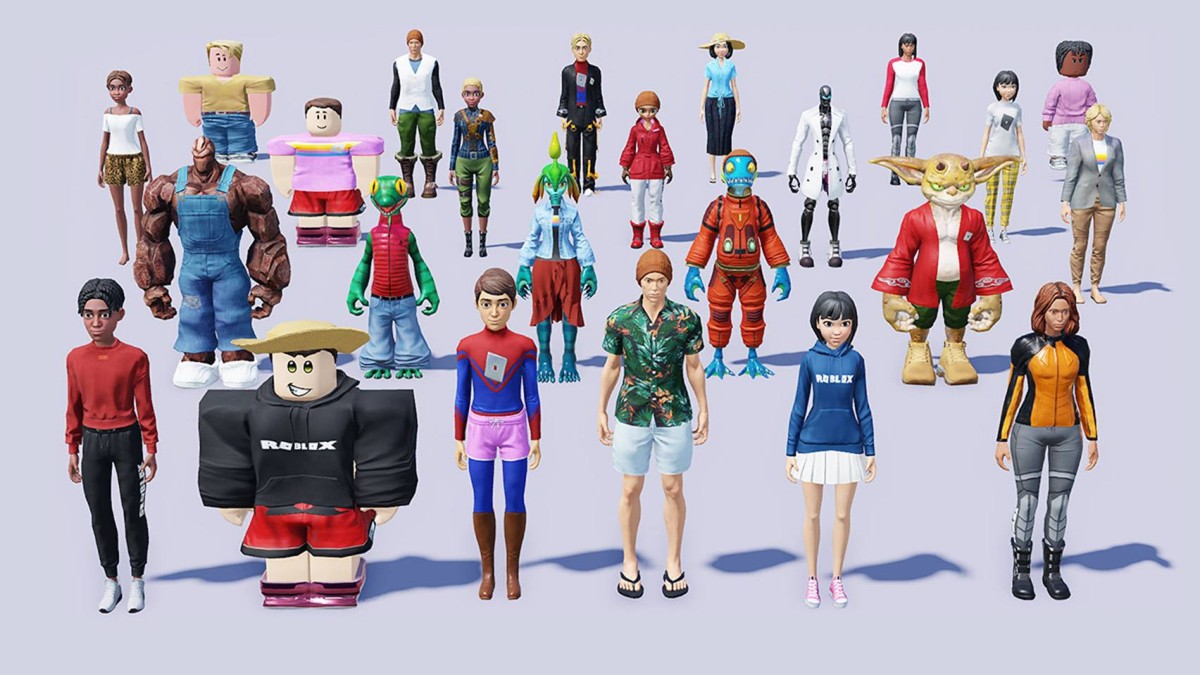
كان الثوب، في معناه القديم، شيئاً نلمسه قبل أن نراه، قماش وخيط ومقاس، ومرآة تقف أمامها قبل الخروج من البيت. أما اليوم، فقد صار للإنسان خزانة أخرى لا تُغسل ولا تُطوى ولا تشغل مكاناً في الغرفة، خزانة من الضوء تلبسها الصورة ويرتديها «الأفاتار» (الشخصية الافتراضية).

في هذا العالم الافتراضي، يسجل العالم يومياً أكثر من 274 مليون تحديث لأزياء الشخصيات الرقمية. هذا الرقم، المسجل عبر منصة «روبلوكس» في عام 2025، يكشف أن تغيير المظهر الرقمي لم يعد ترفيهاً عابراً، بل صار عادة يومية تفرضها الهوية الرقمية الجديدة.

وفقاً للمنتدى الاقتصادي العالمي، لم تعد الموضة الرقمية تجربة هامشية، بل تحول ثقافي يعيد تعريف مفهوم الملكية والتعبير. فاللباس لم يعد محصوراً في القماش، بل صار يُصنع بالكود والبكسل، وتدخل فيه تقنيات متطورة مثل الذكاء الاصطناعي والواقع المعزز، مما يضعنا أمام تساؤل جوهري: إذا كنا نقضي جزءاً كبيراً من حياتنا في العالم الرقمي، فكيف سنبدو هناك؟

هوس رقمي

يُظهر الجيل «زد» توجهاً واضحاً نحو هذا العالم، حيث تؤكد بيانات منصة «روبلوكس» أن 70% من مستخدمي هذا الجيل يرتدون ملابس افتراضية لعلامات تجارية عالمية. الهدف من ذلك هو اختبار المظهر أو الاستلهام منه قبل اتخاذ قرار الشراء في العالم الواقعي، مما يجعل المنصات الافتراضية مختبراً للأناقة العصرية.

تؤكد تقارير «فيريفايد ماركت ريسيرش» أن سوق الموضة الرقمية قد بلغت قيمته 3.58 مليارات دولار في عام 2025. ومن المتوقع أن يواصل هذا السوق نموه ليصل إلى 9.96 مليارات دولار بحلول عام 2033، بمعدل نمو سنوي مركب يقارب 13.7 في المئة، وهو ما يعكس ثقة المستثمرين في هذا القطاع.

في هذا السياق، يشير تقرير «مورغان ستانلي» (2026) إلى أن الموضة الرقمية تمثل الآن ما نسبته 5% من إجمالي إيرادات قطاع الموضة الفاخرة عالمياً، مع توقعات بوصول هذه النسبة إلى 15% بحلول عام 2030. هذا التحول يدفع صناديق الاستثمار الجريء لضخ مليارات الدولارات في شركات تطوير برمجيات «التصميم التوليدي»، مما يشير إلى أن الفوز في العقد القادم سيكون حليف الشركات التي تمتلك «أصولاً رقمية» وليس فقط خطوط إنتاج مادية.

في المقابل، تقدم شركة «داتا إنتلو» تقديرات أكثر تفاؤلاً، إذ تشير أرقامها إلى أن سوق الموضة الافتراضية وصل إلى 9.8 مليارات دولار في 2025. وتتوقع الدراسة أن يقفز هذا الرقم إلى 52.6 مليار دولار بحلول عام 2034، مدفوعاً بانتشار الواقع المعزز ورغبة المستهلكين في التعبير عن أنفسهم رقمياً.

تعزز هذه الأرقام نتائج تقرير مجموعة بوسطن الاستشارية (BCG)، التي كشفت أن العلامات التجارية التي تدمج تجارب الموضة الرقمية ضمن استراتيجياتها التسويقية قد حققت ارتفاعاً في ولاء العملاء بنسبة 25%. هذا الارتباط يثبت أن "البكسل" تحول إلى عملة لقياس الارتباط العاطفي بين المستهلك والعلامة التجارية.

قواعد جديدة

توضح «غراند فيو ريسيرش» أن سوق تكنولوجيا الموضة عالمياً بلغ 239.6 مليار دولار في عام 2024. ومن المتوقع أن يشهد هذا السوق نمواً مستمراً ليصل إلى 345.4 مليار دولار بحلول عام 2030، وذلك نتيجة التوسع في حلول القياس الافتراضي والأقمشة الذكية المدعومة بالذكاء الاصطناعي.

تؤدي هذه التقنيات دوراً حاسماً في تعزيز الاستدامة؛ حيث يشير تقرير مؤسسة «إلين ماك آرثر» إلى أن صناعة الموضة التقليدية مسؤولة عن 10% من انبعاثات الكربون العالمية. وتساهم الملابس الرقمية في تقليل هذا الأثر بشكل ملموس، إذ توفر تقنيات "التوأم الرقمي" (Digital Twin) ما يصل إلى 30% من النفايات الناتجة عن عينات التصميم التقليدية التي لا يتم بيعها.

إضافة إلى ذلك، يشير تقرير «وكالة الطاقة الدولية» (IEA - 2026) إلى أن تبني تقنيات «الحوسبة السحابية الخضراء» في مراكز البيانات التي تدير العوالم الافتراضية قد يقلل من البصمة الكربونية للموضة الرقمية بنسبة إضافية تصل إلى 15%. وهذا يعني أن الشركات التي تتبنى معايير الاستدامة الرقمية (Digital ESG) لن تكتفي بحماية البيئة، بل ستخفض تكاليف التشغيل التقني لها بنسب كبيرة مقارنة بمنافسيها.

على صعيد الوظائف، أحدث هذا التحول تغييراً جذرياً في المهارات المطلوبة، فقد أظهرت بيانات معهد ماساتشوستس للتكنولوجيا (MIT) في تقريرٍ صدر عام 2026 عن مستقبل الوظائف الإبداعية، أن الطلب على "مصممي الأزياء الرقميين" الذين يجمعون بين البرمجة والذكاء الاصطناعي قد قفز بنسبة 400% خلال العامين الماضيين، مما يؤكد أن مهنة الخياطة تشهد أكبر تحول في تاريخها، حيث تتقاطع مهارات المصمم التقليدي مع رؤية المبرمج، فلن لن تستبدل الموضة الرقمية القطن بالبكسل، بل ستخلق وجهاً ثانياً للإنسان: وجهاً يرتديه في الشارع وآخر في الفضاء الافتراضي. إنها ليست نهاية عصر القماش، بل بداية فصل جديد حيث لم يعد السؤال "ماذا سألبس اليوم؟" بل "أي نسخة مني ستظهر؟".

ملكية رقمية

أجمل ما في الموضة الرقمية أنها تحرر المصمم من حدود القماش، فهي لا تقاوم المطر ولا تحتاج للغسيل. لكن هذه الحرية تفتح سؤالاً قانونياً حول الملكية: هل أملك القطعة الرقمية إذا أغلقت الشركة التطبيق؟ يشدد المنتدى الاقتصادي العالمي على أن استمرارية هذا السوق تتطلب بنية تحتية أخلاقية وقانونية تضمن حقوق المستخدم في نقل أزيائه بين العوالم الرقمية.

衣服时尚技术
الخبر متوفّر باللغات التالية:English
المصدر الأصلي للخبر
البيان

274 million updates a day: Fashion moves from the closet to the screen

July 13, 2026·Al Bayan
274 million updates a day: Fashion moves from the closet to the screen

In its old meaning, a dress was something you touch before seeing it: fabric, thread, size, and a mirror in front of which one stands before leaving the house. Today, however, humans have another wardrobe that is neither washed nor folded and does not take up space in the room; it is a wardrobe made of light, dressed by an image and worn by an avatar.

In this virtual world, more than 274 million updates on digital characters’ clothing are recorded daily. This number, recorded through Roblox platform in 2025, reveals that changing the digital appearance is no longer a passing luxury but has become a daily habit imposed by the new digital identity.

According to the World Economic Forum, digital fashion is no longer a marginal experience but a cultural shift that redefines the concept of ownership and expression. Clothing is no longer limited to fabric; it is now made with code and pixels, and advanced technologies such as artificial intelligence and augmented reality are involved in its creation. This raises an essential question: if we spend a significant part of our lives in the digital world, how will we look there?

Digital obsession

Generation Z shows a clear inclination towards this world. Data from Roblox platform confirms that 70% of users of this generation wear virtual clothing for global brands. The goal is to test or be inspired by the appearance before making a purchase decision in the real world, which makes virtual platforms a laboratory for modern elegance.

According to reports from Verifai Market Research, the digital fashion market was valued at $3.58 billion in 2025. This market is expected to continue its growth and reach $9.96 billion by 2033, with a compound annual growth rate of around 13.7%, reflecting investors' confidence in this sector.

In this context, the Morgan Stanley report (2026) indicates that digital fashion now accounts for 5% of the total revenue of the luxury fashion industry globally, with expectations that this percentage will reach 15% by 2030. This shift is driving venture capital funds to pump billions of dollars into software development companies specializing in "generative design," indicating that success in the next decade will favor companies that possess "digital assets" rather than just physical production lines.

In contrast, DataIntelo offers more optimistic estimates, with its figures showing that the virtual fashion market reached $9.8 billion in 2025. The study predicts that this figure will jump to $52.6 billion by 2034, driven by the spread of augmented reality and consumers' desire to express themselves digitally.

These figures reinforce the findings of a report from Boston Consulting Group (BCG), which revealed that brands integrating digital fashion experiences into their marketing strategies have achieved a 25% increase in customer loyalty. This correlation proves that "pixels" have become a currency for measuring the emotional bond between consumers and brands.

New rules

Grand View Research clarifies that the global fashion technology market reached $239.6 billion in 2024. This market is expected to grow continuously, reaching $345.4 billion by 2030, due to the expansion of virtual measurement solutions and AI-supported smart fabrics.

These technologies play a crucial role in enhancing sustainability; Ellen MacArthur Foundation reports that the traditional fashion industry is responsible for 10% of global carbon emissions. Digital clothing significantly reduces this impact, as digital twin technology can save up to 30% of waste from traditional design samples that are not sold.

Additionally, the International Energy Agency (IEA - 2026) report indicates that adopting “green cloud computing” technologies in data centers managing virtual worlds could reduce the carbon footprint of digital fashion by an additional 15%. This means that companies embracing digital ESG standards will not only protect the environment but also significantly reduce their technical operational costs compared to their competitors.

In terms of jobs, this shift has radically changed the skills required. Data from MIT in a 2026 report on the future of creative jobs showed that demand for “digital fashion designers” who combine programming and artificial intelligence has jumped by 400% over the past two years, confirming that the tailoring profession is undergoing its biggest transformation ever. The traditional designer’s skills intersect with the programmer’s vision; digital fashion will not replace cotton with pixels, but rather create a second face for humans: one worn on the street and another in virtual space. It is not the end of the age of fabric, but the beginning of a new chapter where the question is no longer “what am I going to wear today?” but “which version of me will appear?”.

Digital ownership

The best thing about digital fashion is that it frees the designer from the limitations of fabric. It doesn’t resist rain and doesn’t need to be washed. But this freedom opens up a legal question regarding ownership: do I own the digital piece if the company closes the app? The World Economic Forum emphasizes that the sustainability of this market requires an ethical and legal infrastructure that guarantees users’ rights to transfer their clothes between digital worlds.

衣服时尚技术
This article is also available in:العربية
Original source article
Al Bayan