صخرة نادرة غيّرت وجه الأرض.. الكشف عن القاتل الحقيقي للديناصورات!
19 يوليو 2026·البيان
صخرة نادرة غيّرت وجه الأرض.. الكشف عن القاتل الحقيقي للديناصورات!

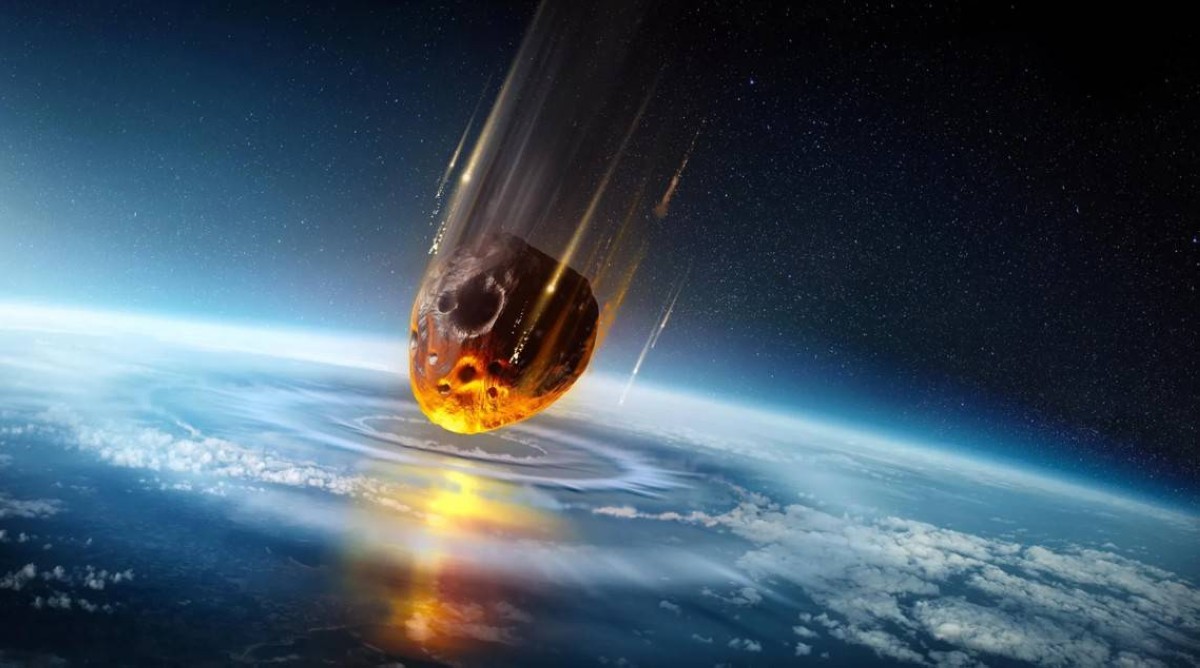
كشفت دراسة علمية حديثة أن الجسم الفضائي الذي تسبب في واحدة من أكبر الكوارث في تاريخ الأرض، وأدى إلى انقراض الديناصورات قبل نحو 66 مليون سنة، ربما كان نيزكاً نادراً جداً ينتمي إلى فئة تعرف باسم الكوندريت الكربوني من نوع CO، وهو نوع غير شائع من الصخور الفضائية يختلف عن معظم النيازك التي وصلت إلى كوك الأزرق.

توصل فريق من الباحثين من جامعة كولومبيا البريطانية، بالتعاون مع علماء من مؤسسات بحثية في باريس وبروكسل وفيينا، إلى هذا الاستنتاج بعد تحليل دقيق لبقايا الاصطدام الشهير الذي وقع في نهاية العصر الطباشيري، وأدى إلى اختفاء نحو 75% من الأنواع الحية على الأرض، بما في ذلك جميع الديناصورات غير الطائرة وفق ديلي ساينس.

واعتمد العلماء في دراستهم على تحليل نظائر عنصر النيكل الموجودة في طبقة رقيقة من الطين انتشرت حول العالم بعد اصطدام الكويكب بالأرض، وتعد هذه الطبقة من أهم الأدلة الجيولوجية التي تساعد العلماء على دراسة ما حدث في تلك الفترة، لأنها تحتوي على آثار دقيقة جداً من المادة التي خلفها الجسم الفضائي بعد تبخره أثناء الاصطدام.

وأوضح الباحثون أن تحديد نوع النيزك لم يكن أمراً سهلاً، لأن معظم الكويكب تبخر لحظة دخوله الغلاف الجوي واصطدامه بسطح الأرض، ولم يبقَ منه سوى كميات ضئيلة جداً من العناصر الكيميائية التي انتشرت في أنحاء الكوكب، إلا أن البصمة الخاصة بنظائر النيكل ساعدت العلماء على ربط هذه الآثار بنيازك كوندريت CO النادرة.

ويختلف هذا النوع من النيازك عن غيره في تركيبه الكيميائي، فهو يحتوي على كميات أقل من العناصر المتطايرة مثل الكربون والزنك والماء، إضافة إلى نسبة منخفضة من الكبريت.

ودفع هذا الاكتشاف العلماء إلى إعادة النظر في بعض النظريات المتعلقة بسبب الكارثة المناخية التي أعقبت الاصطدام.

الاعتقاد السائد لسنوات أن الكبريت الناتج عن اصطدام الكويكب لعب دوراً رئيسياً في حجب أشعة الشمس وتبريد الأرض، إلا أن انخفاض نسبة الكبريت في هذا النوع من النيازك يشير إلى أن العامل الأكثر تأثيراً ربما كان الغبار والحطام الصخري الدقيق الذي انتشر في الغلاف الجوي.

وبحسب الدراسة، فإن كميات ضخمة من الغبار الناتج عن الاصطدام ارتفعت إلى طبقات الجو العليا، ما أدى إلى تقليل وصول ضوء الشمس إلى سطح الأرض، وتعطيل عملية البناء الضوئي للنباتات، وهو ما تسبب في انهيار واسع للسلسلة الغذائية وموت أعداد هائلة من الكائنات الحية.

ويُعرف هذا الحدث باسم اصطدام تشيكسولوب، نسبة إلى المنطقة التي تقع فيها الفوهة العملاقة الناتجة عن الاصطدام تحت شبه جزيرة يوكاتان في المكسيك.

ويقدر العلماء أن قطر الجسم الفضائي تراوح بين 10 و15 كيلومتراً، وأنه اصطدم بالأرض بسرعة تقارب 64 ألف كيلومتر في الساعة، مطلقًا طاقة هائلة غيرت شكل الحياة على الكوكب.

ولا يزال العلماء يبحثون عن المصدر الأصلي لهذا النيزك النادر، إذ تشير الأدلة إلى أنه ربما جاء من منطقة بعيدة في النظام الشمسي، إما من المناطق الخارجية لحزام الكويكبات بالقرب من كوكب المشتري أو من مناطق أخرى غنية بالحطام الفضائي.

ويؤكد الباحثون أن هذا الاكتشاف لا يغير حقيقة أن الاصطدام كان السبب الرئيسي في انقراض الديناصورات، لكنه يقدم صورة أكثر وضوحاً لطبيعة الجسم الذي تسبب في هذه الكارثة، كما يكشف أن الديناصورات واجهت حدثاً استثنائياً نتيجة اصطدام كويكب نادر للغاية في توقيت غير مسبوق .

dinosaursasteroidextinction
الخبر متوفّر باللغات التالية:English
المصدر الأصلي للخبر
البيان

A rare rock changed the face of the earth.. The discovery of the true killer of dinosaurs!

July 19, 2026·Al Bayan
A rare rock changed the face of the earth.. The discovery of the true killer of dinosaurs!

A recent scientific study has revealed that the space object responsible for one of the greatest disasters in Earth's history, which led to the extinction of dinosaurs around 66 million years ago, may have been a very rare meteorite belonging to a category known as carbonaceous chondrite (CO), an uncommon type of extraterrestrial rock that differs from most meteorites that have reached the blue planet.

A team of researchers from the University of British Columbia, in collaboration with scientists from research institutions in Paris, Brussels, and Vienna, arrived at this conclusion after a thorough analysis of the remains of the famous impact that occurred at the end of the Cretaceous period, leading to the disappearance of about 75% of living species on Earth, including all non-flying dinosaurs according to Daily Science.

The scientists relied on the analysis of nickel isotopes found in a thin layer of clay spread around the world after the meteorite's impact with Earth. This layer is one of the most important geological evidence that helps scientists study what happened during that period, as it contains very fine traces of the material left behind by the space object after its evaporation during the impact.

The researchers explained that determining the type of meteorite was not an easy task, because most of the asteroid evaporated when it entered the atmosphere and collided with the Earth's surface, leaving only very small amounts of chemical elements that spread across the planet. However, the unique fingerprint of nickel isotopes helped scientists link these traces to rare CO chondrite meteorites.

This type of meteor is different from others in its chemical composition, containing lower amounts of volatile elements such as carbon, zinc and water, as well as a low percentage of sulfur.

This discovery has prompted scientists to reconsider some theories about the cause of the climatic disaster that followed the impact.

For years it was believed that the sulfur produced by the impact of the asteroid played a key role in blocking sunlight and cooling the Earth, but the low percentage of sulfur in this type of meteor suggests that the most influential factor may have been the dust and fine rocky debris that spread into the atmosphere.

According to the study, huge amounts of dust from the impact rose into the upper layers of the atmosphere, reducing the amount of sunlight reaching the Earth's surface and disrupting photosynthesis in plants. This caused a widespread collapse of the food chain and the death of vast numbers of living organisms.

This event is known as the Chicxulub impact, after the region where the giant crater resulting from the impact lies under the Yucatan Peninsula in Mexico.

Scientists estimate that the diameter of the space object was between 10 and 15 kilometers, and that it hit Earth at a speed of around 64,000 kilometers per hour, releasing huge amounts of energy that changed life on the planet.

Scientists are still searching for the original source of this rare meteorite, as evidence suggests it may have come from a distant region of the solar system, either from the outer regions of the asteroid belt near Jupiter or from other debris-rich areas.

Researchers confirm that this discovery does not change the fact that the impact was the primary cause of the extinction of dinosaurs, but it provides a clearer picture of the nature of the body that caused this catastrophe. It also reveals that dinosaurs faced an extraordinary event as a result of the collision of a very rare asteroid at an unprecedented time.

dinosaursasteroidextinction
This article is also available in:العربية
Original source article
Al Bayan